Overall impression: Reviews describe a facility with clear strengths in rehabilitation and moments of strong, person-centered caregiving, alongside persistent operational weaknesses that affect some residents' experiences. The organization appears capable of delivering high-quality therapy and staffed, welcoming areas of care, but multiple reviewers identify systemic issues that produce widely variable outcomes depending on unit, shift, and individual staff assignments.
Care quality and clinical oversight: Rehabilitation services and therapy teams receive consistent positive feedback; several reviewers praised physical and occupational therapy outcomes and described a rehabilitation-focused environment as a clear asset. Conversely, there are recurring accounts of clinical follow-through problems in the skilled nursing context: delayed wound care, inconsistent medication administration, limited physician availability, and slow escalation to diagnostic testing. These patterns suggest uneven clinical oversight and inconsistent handoffs between nursing, physicians, and ancillary services.
Staff and responsiveness: Many families highlight compassionate, helpful, and knowledgeable aides and therapists, and individual staff members and social workers were lauded by name. At the same time, understaffing and workforce shortages are frequently cited, producing long call-bell response times, delayed assistance, and the perception that family presence is required to ensure timely care. Reviewers also described variability in staff competence and morale, indicating uneven training, supervision, or staffing models across shifts.
Dining and activities: Dining experiences are mixed. Some reviewers describe plentiful, well-presented meals and attentive meal service; others reported poor food quality, inadequate dietary accommodations, and inconsistent meal preparation. Activity programming is a demonstrated strength in portions of the facility — with organized socials, games, music, and crafts — yet reviewers also reported limited stimulation for long-term residents in other units, indicating inconsistent activity engagement across the campus.
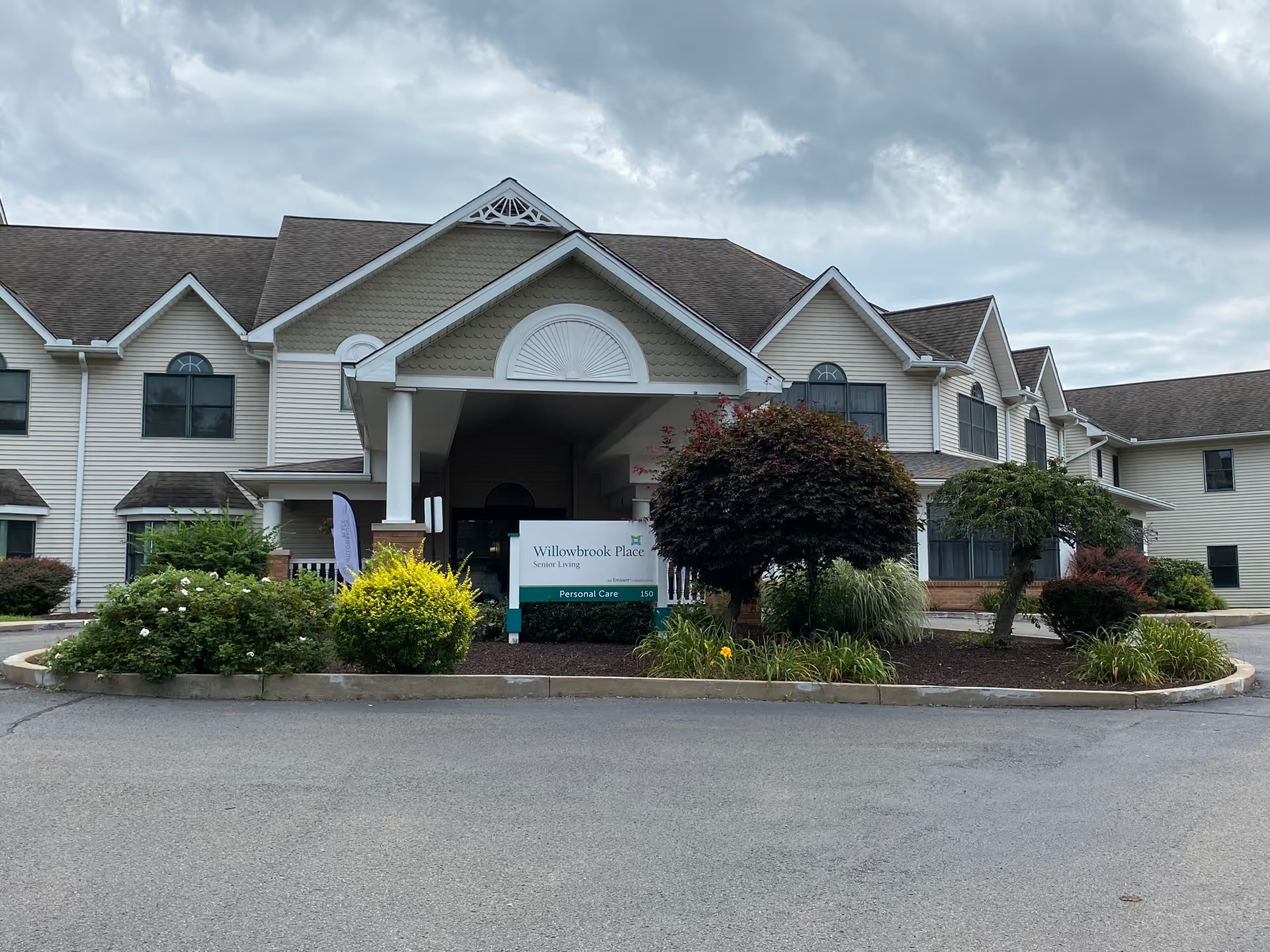
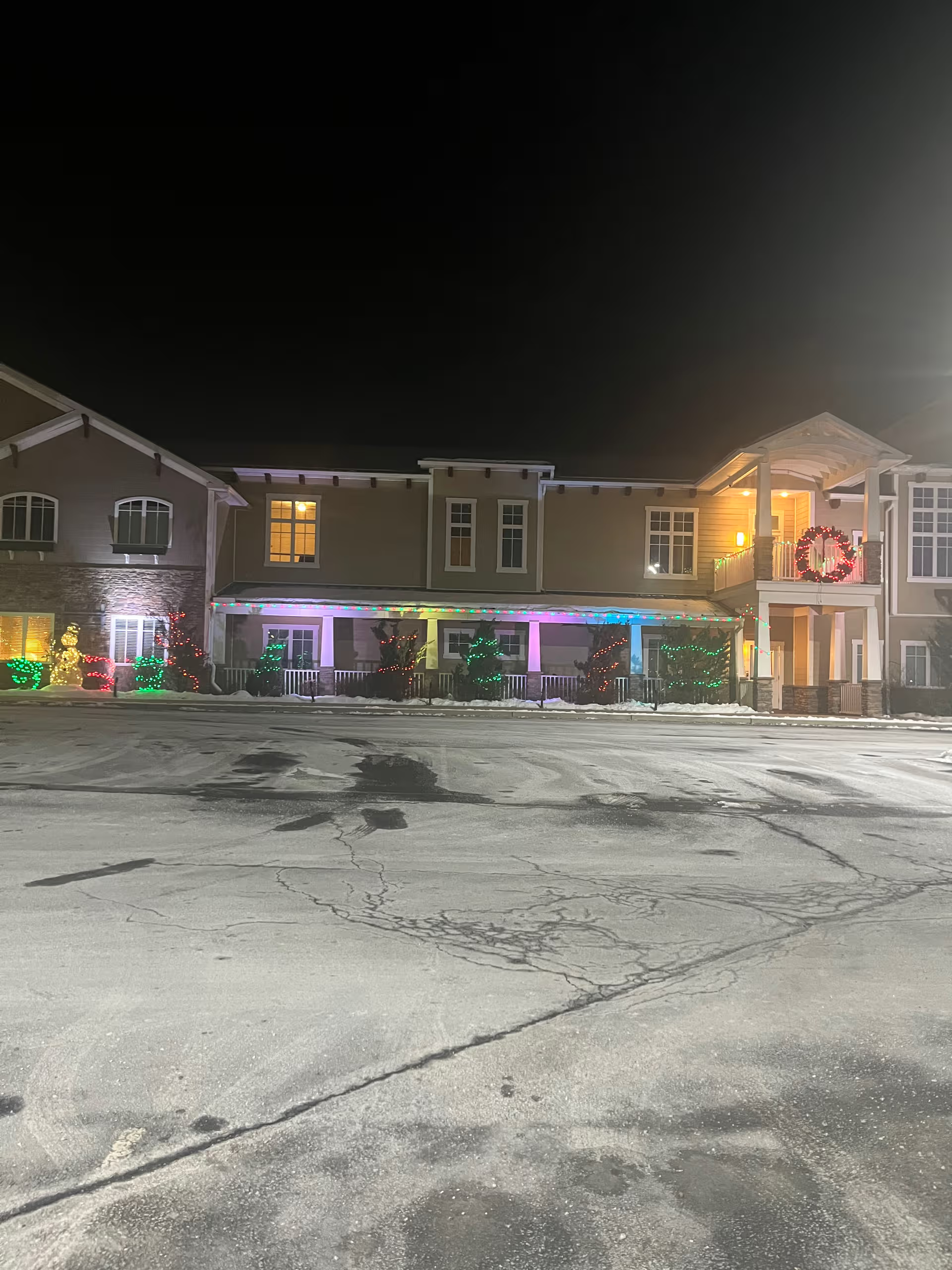
Facilities and sanitation: The property, grounds, and some interior spaces are described as pleasant, clean, and well-maintained, and rooms are often noted as spacious and organized. However, there are documented sanitation and pest-control concerns and inconsistent housekeeping and laundry practices in portions of the facility. These mixed assessments point to unit-to-unit variability in environmental maintenance.
Management, communication, and billing: Families report a spectrum of management performance — from administrators who respond and effect improvements to experiences of poor communication, conflicting information from staff, and opaque billing practices including extra room fees and pre-billing concerns. There are also serious allegations relating to missing personal items and billing irregularities; such claims merit direct inquiry during any decision-making process and, where appropriate, escalation to regulatory or legal channels.
Notable patterns and recommendations for prospective families: Two consistent themes emerge — a largely well-regarded rehabilitation program and wide variability in long-term skilled nursing care tied to staffing, supervision, and unit management. Prospective residents and families should assess unit-level staffing ratios and supervision, observe mealtime and activity offerings, ask about call-response protocols and medication-administration controls, clarify physician coverage and escalation procedures, and request transparent billing and fee explanations. Visiting during different shifts and speaking with current residents and families can help gauge the consistency of care across the facility.