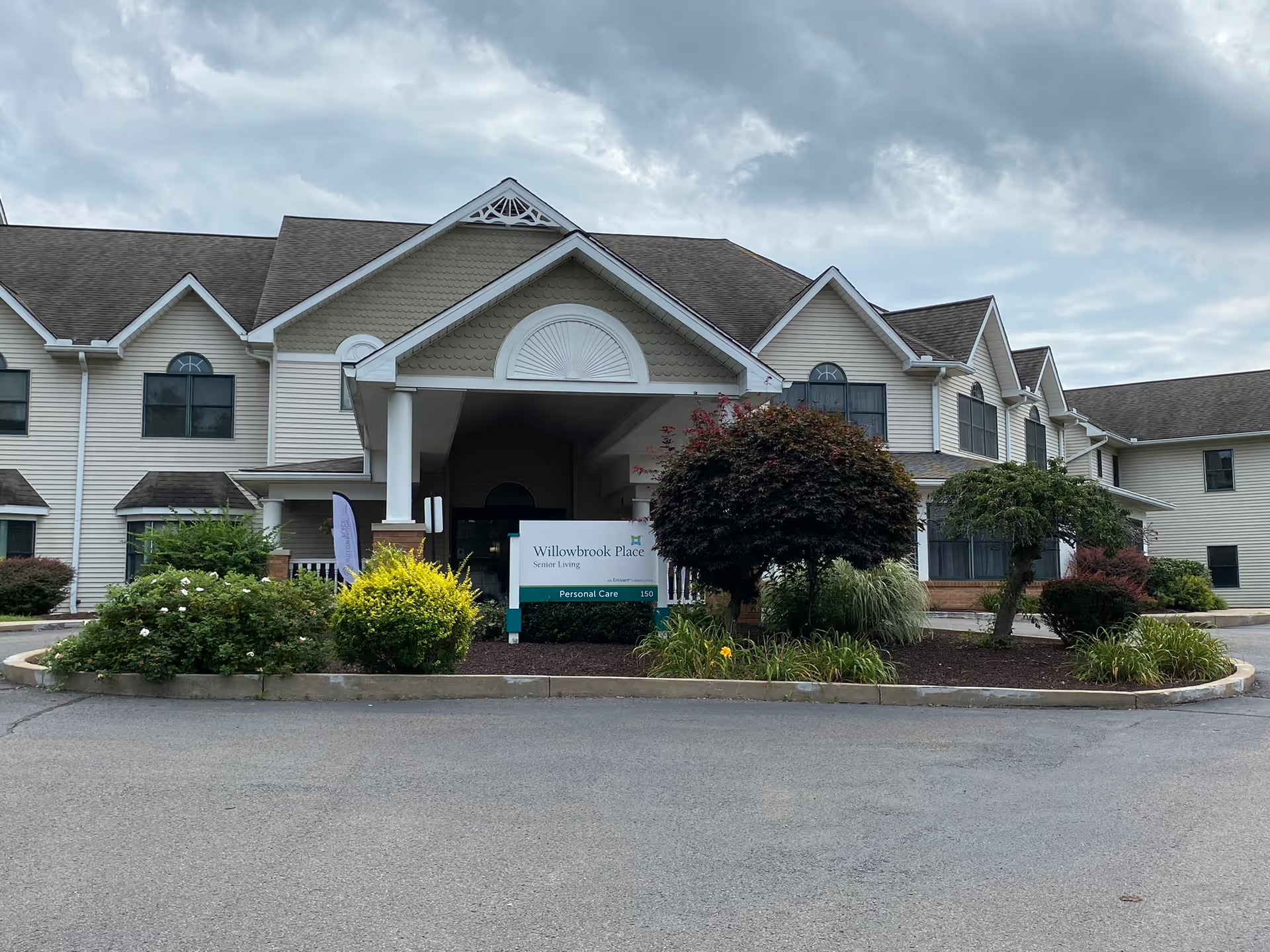
Overall impressions indicate a facility with clear strengths in direct care, rehabilitation, and a small, family-like environment. Many accounts emphasize compassionate, hands-on nursing and aide support; staff are often described as attentive, knowledgeable, and familiar with residents by name. The rehabilitation and physical therapy program receives consistent positive mention for helping residents regain function and return home. Short-term rehab and Alzheimer’s-care needs are both cited as areas where the facility performs well.
The activities program and social supports are another recurring positive. Families describe engaging programming, a visible activities director, and therapy- and activity-based approaches that aid recovery and social engagement. Dining is frequently characterized as plentiful with alternative choices provided. Housekeeping and overall cleanliness are commonly noted as strengths, and several comments praise a warm, home-like atmosphere within the small-unit setting.
Notable operational concerns appear intermittently across accounts. Communication inconsistencies are the most common negative theme: families and applicants describe uneven responsiveness by admissions or front-desk staff, unclear explanations about screening or disqualification decisions, and variable follow-up. There are also reports of limited transparency during infection-control events; some families expressed that testing, treatments, or outbreak details were not communicated in a timely or complete manner. A separate cluster of comments raises concerns about staff conduct and cultural or language-related barriers; there are allegations of unprofessional or discriminatory interactions that warrant attention and investigation.
Management and administrative practices show mixed signals. Several commenters praise individual admissions staff and note improvements under newer management, but others describe opaque hiring communication and inconsistent managerial responsiveness to complaints. Given the combination of strong clinical and rehabilitative care with intermittent administrative and communication shortcomings, prospective residents and families would benefit from targeted conversations during touring and intake: ask about current staffing levels, language and cultural-competency practices, infection-outbreak notification protocols, and the facility’s procedures for addressing conduct or complaint escalation. These focused questions can help assess whether the facility’s operational approach aligns with a family’s expectations and the resident’s needs.