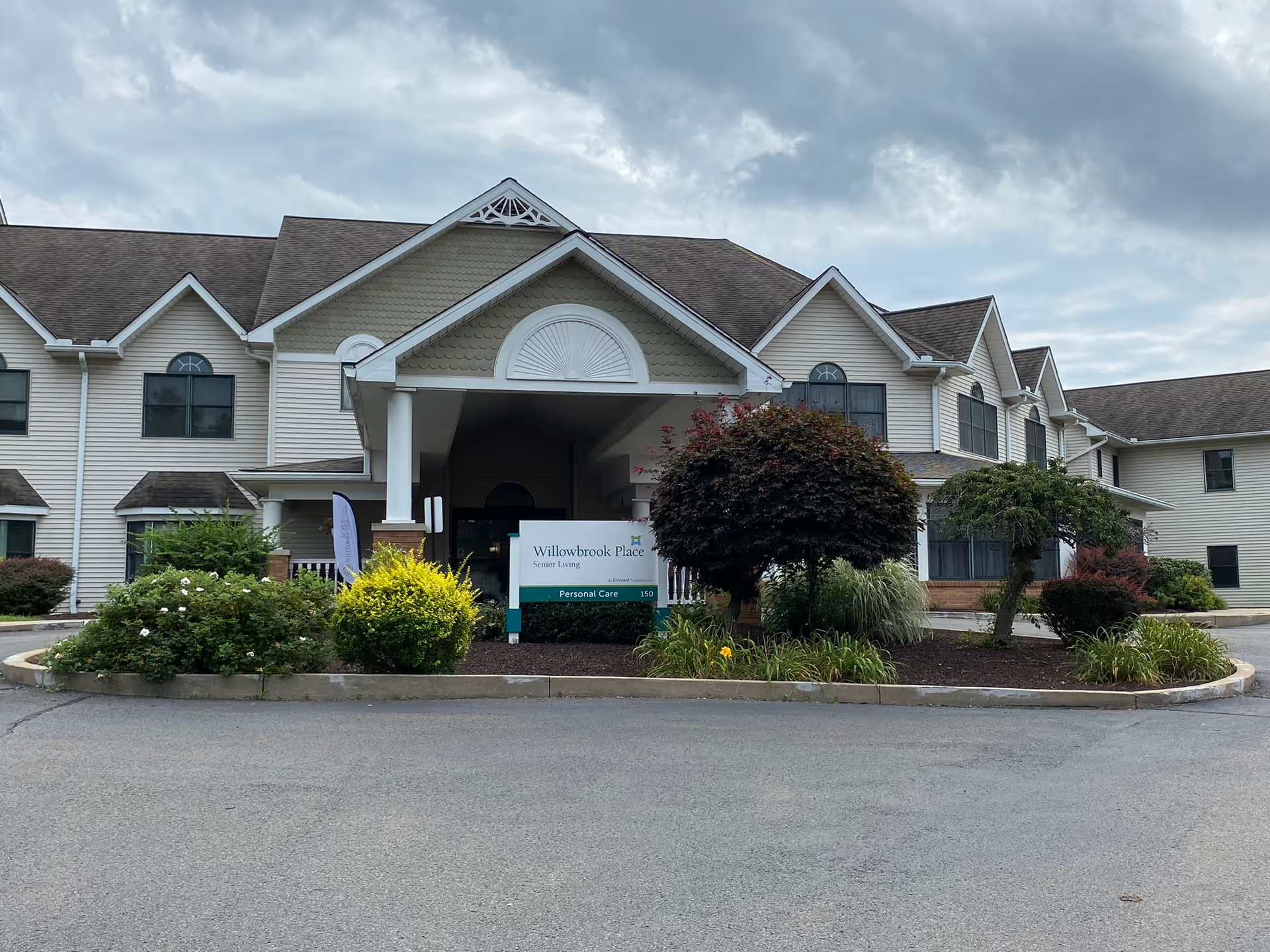
The Gardens at Scranton elicits strongly polarized impressions. Many families describe a warm, home-like environment with particular strength in rehabilitation services and activity programming. Physical and occupational therapy staff are frequently identified as skilled and caring, and the activities department—including special events and proactive coordination—receives consistent praise. Several accounts emphasize timely readiness for therapies, good family communication during stays, and a neighborhood setting with an attractive, well-maintained building and pleasant views.
Alongside those positives, there are recurring operational concerns that prospective residents and families should evaluate closely. Staffing levels and stability are a common theme: reviewers describe periods of chronic understaffing and turnover that correlate with delays in routine care tasks and reduced responsiveness. Housekeeping and facility sanitation are described as inconsistent; reviewers reference odor concerns and uneven cleanliness between areas and shifts. Linked to these issues are reports of delayed incontinence care and inconsistent bathing or turning schedules, as well as gaps in wound-care practices and pressure-injury prevention.
Clinical and administrative systems also appear uneven. Several reviews raise concerns about medication administration, adherence to medical orders, and the quality of documentation and handoffs. Families noted difficulties obtaining timely updates or reaching staff by phone, and some described an inconsistent admissions/check-in experience. A serious operational concern noted in a subset of accounts is alleged loss or mishandling of resident property; this has been characterized by reviewers as an allegation rather than an established fact and warrants direct inquiry during a tour.
Dining and day-to-day life are described variably. Some families praise meals, special dining events, and individual staff efforts around food, while others cite inconsistent meal quality. The activity program is frequently described as robust and engaging, contributing to resident satisfaction when staff levels permit. Overall, the facility appears capable of providing strong rehabilitative and social programming, but that experience may depend on staffing, shift, and unit. Prospective residents and their families should visit at different times of day, ask for the current staffing ratios and turnover data, review care plans and wound-care protocols, confirm how medical orders are managed, and request contact procedures for family updates. Reviewing the facility’s most recent state inspection, asking about property safeguards, and meeting the therapy and nursing leadership can help clarify whether the facility’s strengths align with a family’s needs.