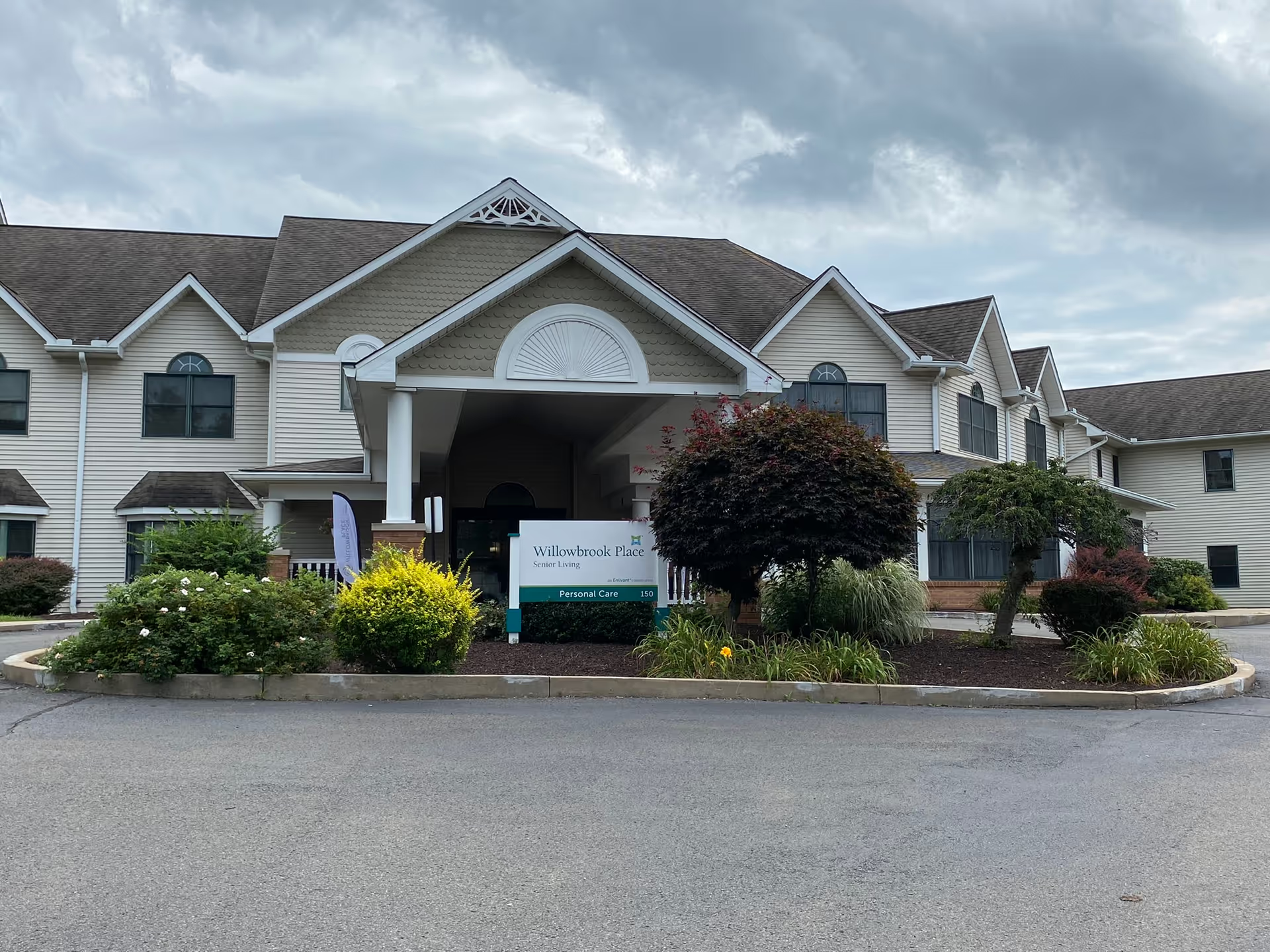
Oak Ridge Rehabilitation and Healthcare Center elicits strongly mixed impressions. Many families emphasize consistent strengths: a large contingent of reviewers praised compassionate, attentive nursing and aide staff, named nurses and therapists positively, and described the facility as clean, welcoming, and family-focused. Therapy services and the rehabilitation team are frequently highlighted as effective, and the dietary and admissions teams receive repeated commendations for accommodation and coordination. Overall, physical facilities and landscaping are often described as well maintained.
Care quality and staff behavior present a complex picture. Numerous accounts underscore dedicated, professional clinicians who provide individualized attention, clear communication with families, and a supportive environment during recovery. At the same time, there are recurrent concerns about variability in day-to-day caregiving: some reviewers described inconsistent personal-care practices and uneven responsiveness during certain shifts. Family communication is often praised, but several reviews also describe conflicting clinical assessments or a lack of follow-up after discharge, indicating variability in care-plan continuity.
Dining and rehabilitation operations show both positives and limits. The dietary department and kitchen staff receive favorable remarks for accommodating preferences and providing supplements; some residents reported enjoyable meals. Conversely, there are operational complaints about meal temperature, portion consistency, and instances where meal service did not meet expectations. Therapy is usually described as beneficial, but some families felt session duration and scheduling (for example, short daily therapy sessions) were insufficient for more intensive rehabilitation goals.
Operational and management patterns are important considerations. Multiple reviewers cited effective administrative staff, smooth admissions, and helpful reception personnel; however, others raised facility-level concerns about discharge coordination, belongings management, and follow-up after transitions. There are also comments suggesting workplace-culture issues — including perceptions of favoritism and staff rehiring decisions that prompted family concern — and separate allegations regarding incentivized staff feedback that some readers may regard as serious. Financial communication and billing processes were described as aggressive or unclear in a number of accounts.
In summary, Oak Ridge demonstrates notable strengths in clinical professionalism, therapy capability, cleanliness, and a welcoming atmosphere that many families found reassuring. Prospective residents and families should weigh those strengths against documented operational inconsistencies: variability in frontline caregiving, discharge and belongings handling, meal-service reliability, therapy intensity for certain rehabilitation goals, staffing continuity, and the clarity of billing practices. Visiting the unit, meeting the rehabilitation team and care managers, reviewing the facility’s discharge and billing procedures, and asking specific questions about therapy duration and staffing patterns will help families assess whether the facility’s strengths align with their needs and expectations.