Reviews of Tremont Health & Rehabilitation Center present a mixed but patternable picture. Many accounts praise individual staff members, the admissions process, and the activities program; others describe significant operational gaps related to clinical monitoring, timeliness of care, and communication. This creates a split impression in which the facility’s strengths are delivered unevenly across residents and shifts.
Care quality shows both strengths and vulnerabilities. Several narratives highlight compassionate, personalized nursing and positive rehabilitation outcomes after surgery, with staff who take extra steps to support residents and families. At the same time, reviewers raised substantive concerns about clinical monitoring and follow-up—examples include limited access to fluids, delays in assistance, inconsistent delivery of meals and medications, and questions about medication management. Leadership has acknowledged staffing constraints in some cases, and reviewers noted limited therapy resources and mobility support for residents who require active rehabilitation.
Staff and management receive frequent praise for individual professionalism and helpfulness: admissions staff, administrative personnel, front-desk workers, dietary and maintenance teams were cited for being welcoming and responsive, and the facility is noted for assisting families with Medicare/Medicaid matters. However, there are recurring comments about uneven communication with families and occasional lapses in follow-up after incidents. Some reviewers described unprofessional conduct by specific staff members and raised concerns about outreach and privacy practices; these items suggest variability in staff training and supervisory oversight rather than a uniformly consistent culture.
Dining and activities are clear positive areas for many residents. Food quality was described as better-than-average by several reviewers, and the activities program—bingo, karaoke, and social events—was frequently cited as engaging and beneficial for resident socialization. That said, intermittent reports of missed meals and meal-delivery problems point to operational reliability issues that prospective families should query directly.
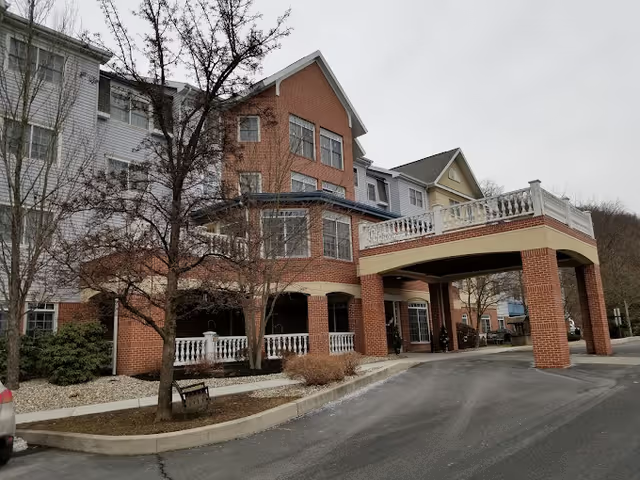
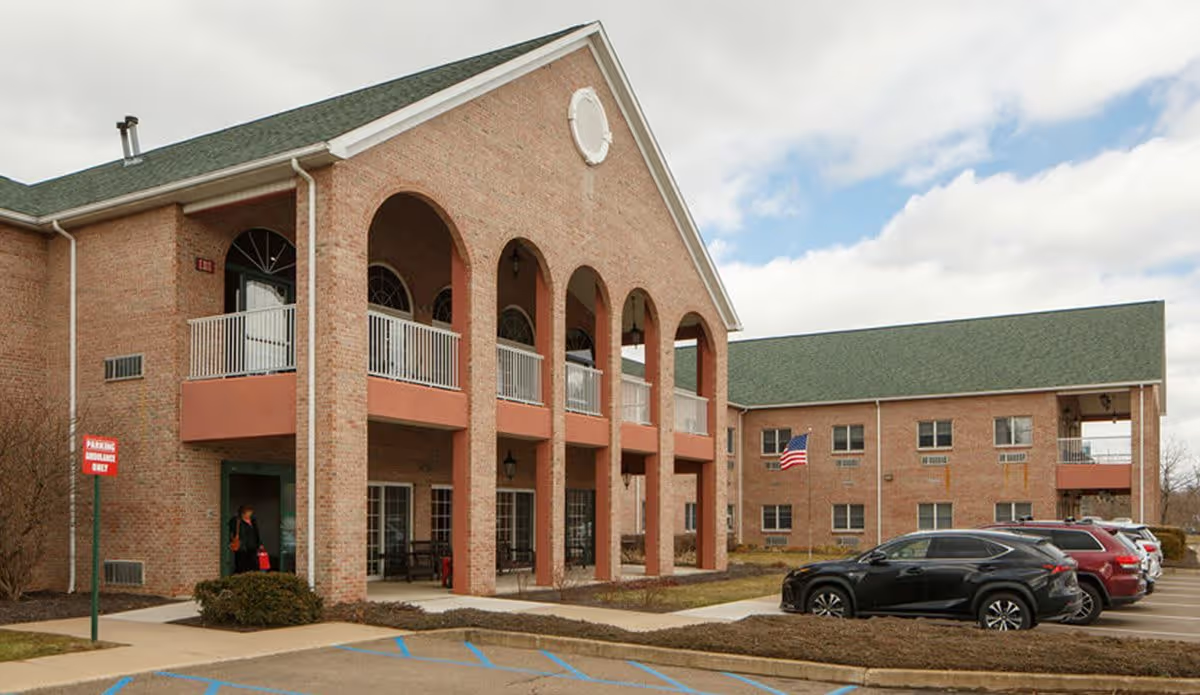
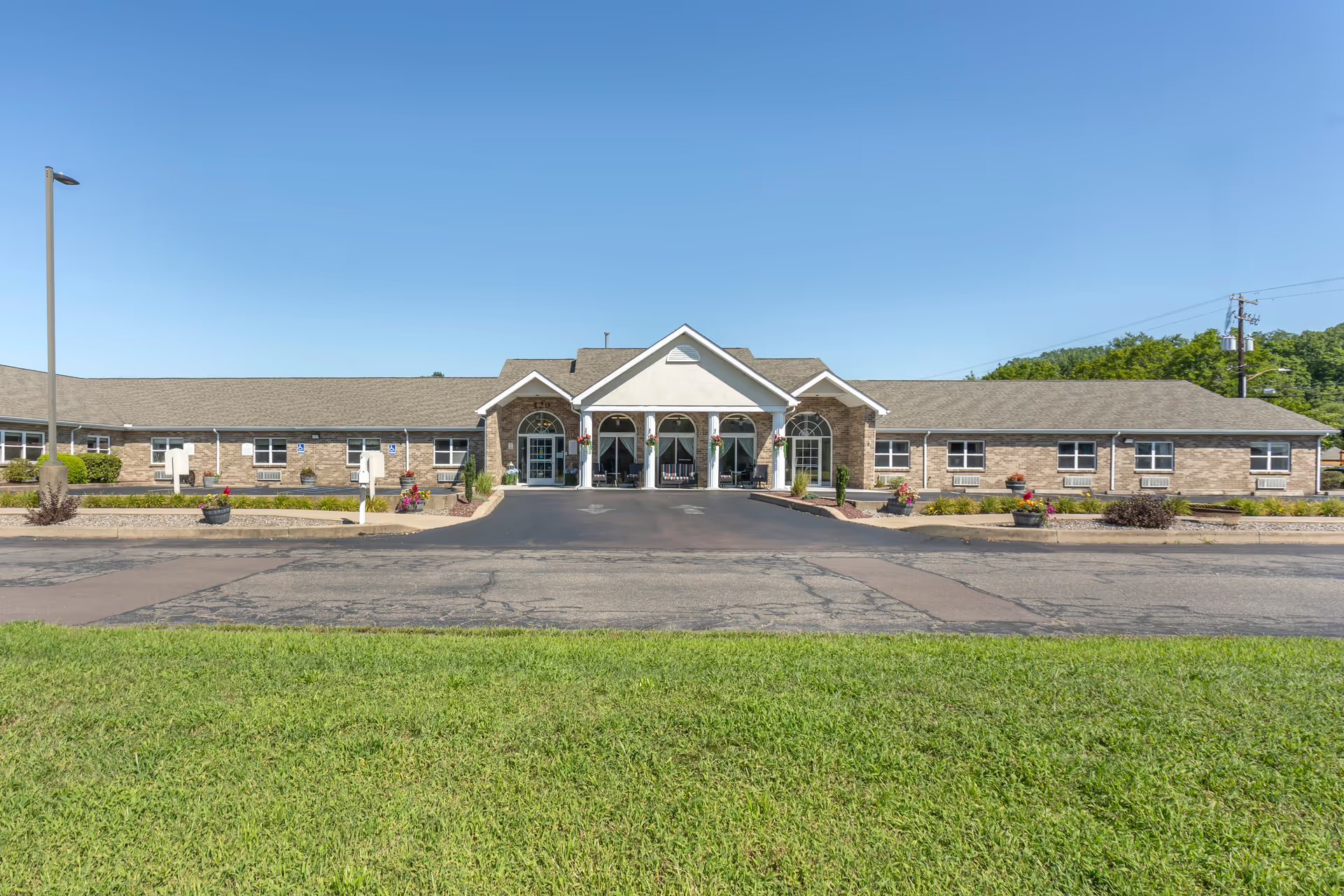
The physical environment is generally described as clean and well-maintained in common areas, with pleasant decor. The building itself is older and has not seen extensive renovations, which may influence room accommodations and amenities. Operationally, staffing shortages were explicitly referenced by facility leadership in at least one report and appear to underlie several of the operational weaknesses reviewers described.
Notable patterns: praise tends to concentrate around individual caregivers, admissions and activity staff, and successful rehab outcomes, while concerns cluster around inconsistent clinical oversight, timeliness of assistance, communication and incident follow-up, and an aging facility. For prospective residents and families, recommended inquiry areas include staffing ratios and shift coverage, hydration and incontinence-care protocols, medication administration and oversight procedures, therapy availability, and the facility’s policies on family communication and privacy. A tour and direct conversations with clinical leadership can help assess whether the facility’s praised strengths are reliably available for a given resident.