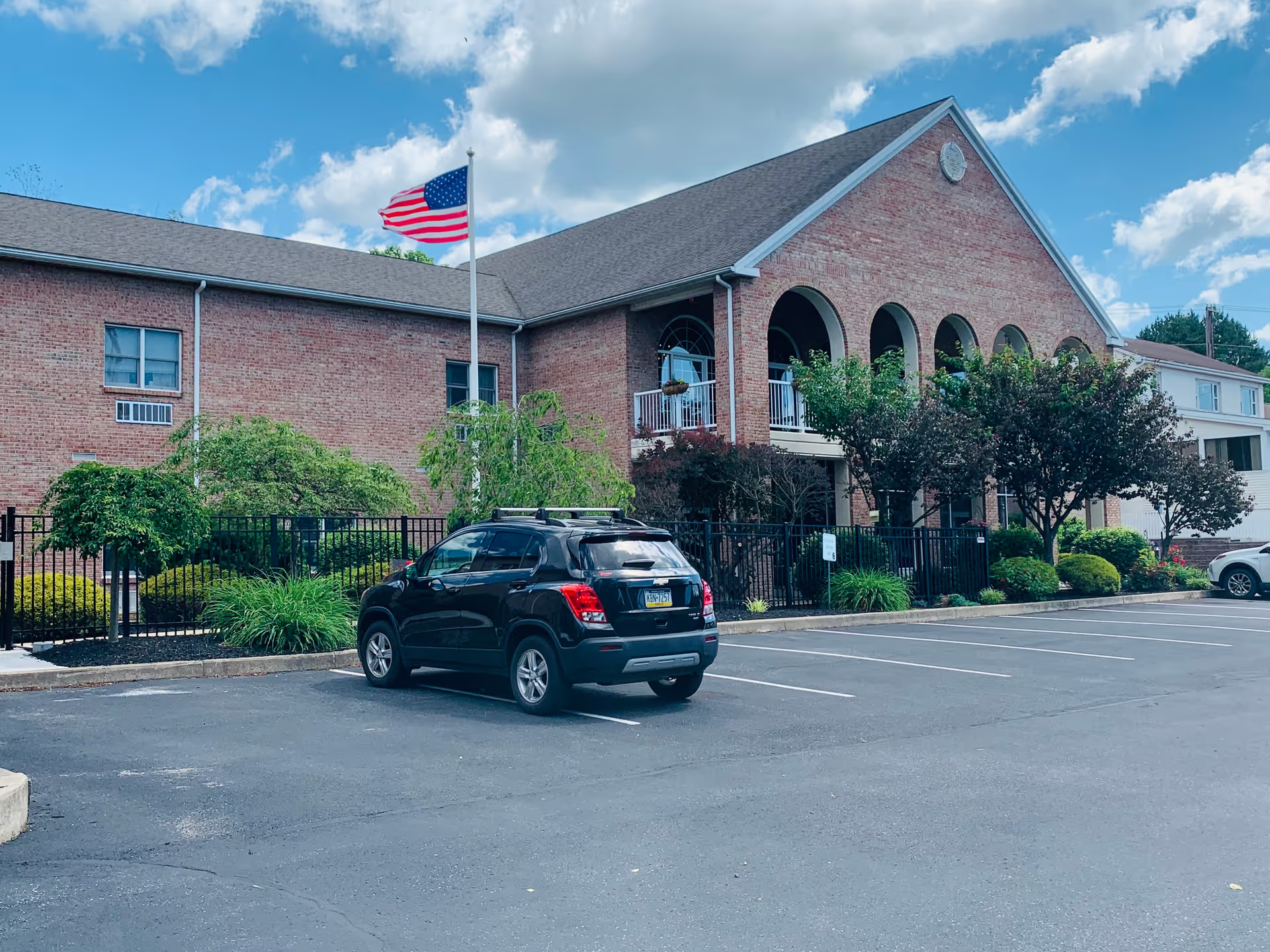
The reviews portray Bradford Hills Nursing and Rehabilitation Center as a facility with several clear strengths alongside operational inconsistencies. Many families and residents praised the clinical team—particularly nursing, social work, and therapy—for providing compassionate, goal-oriented skilled nursing and rehabilitation. Reviewers frequently cited attentive nurses, proactive social workers, and a therapy department that supported recovery and independence. The facility is described by many as home-like, with clean common spaces and resident rooms, helpful maintenance and housekeeping teams, and an active dietary department that will accommodate needs when engaged.
Recreation and memory-care programming are recurring strengths. The activities program is noted for a wide variety of offerings (music, animal visits, games and unit-based interactive items) that contribute to resident engagement and quality of life. Reviewers also noted community partnerships and ongoing improvement projects that suggest administrative interest in expanding services and enhancing resident programming.
At the same time, a number of reviews highlight operational gaps that families should assess during a tour. Staffing consistency and coverage emerged as a repeated concern: short-staffing, single employees juggling multiple duties, and intermittent LPN coverage were linked to delays in care and therapy scheduling. Several accounts indicate inconsistent assistance with activities of daily living (bathing, feeding, hydration) and continuity of rehabilitation appointments, which appears to affect short-term residents trying to meet therapy goals.
More serious clinical-process issues were described in isolated, but consequential, accounts. These point to variability in wound-care and infection-control practices and to occasions when clinical needs required outside medical evaluation. Such items suggest the value of asking leadership about wound-care protocols, infection-prevention monitoring, and escalation procedures during admission or a family visit. Meal quality and dining service were generally described positively by many, though some reviewers noted variability in food quality and timing.
Management and communication patterns are mixed. Numerous reviewers praised responsive administration and social-work support, while others described delays in management responsiveness, concerns about staff conduct or training, and occasional communication gaps with families. Additional practical concerns raised include physical-plant variability (some older areas needing maintenance), occasional security/privacy issues around personal belongings, and the need for clearer financial communication to families about costs and billing.
In summary, Bradford Hills presents a combination of notable strengths—compassionate caregivers, an active activities program, supportive therapy services, and a generally clean, welcoming environment—together with operational areas that merit close scrutiny by prospective families. When considering this facility, visitors should observe staffing patterns at different times of day, review current therapy scheduling and rehabilitation continuity, ask about wound-care and infection-control policies, request examples of family-communication practices, and clarify billing/financial policies. These targeted questions will help families weigh the facility’s strong programs against the variability described in some accounts.