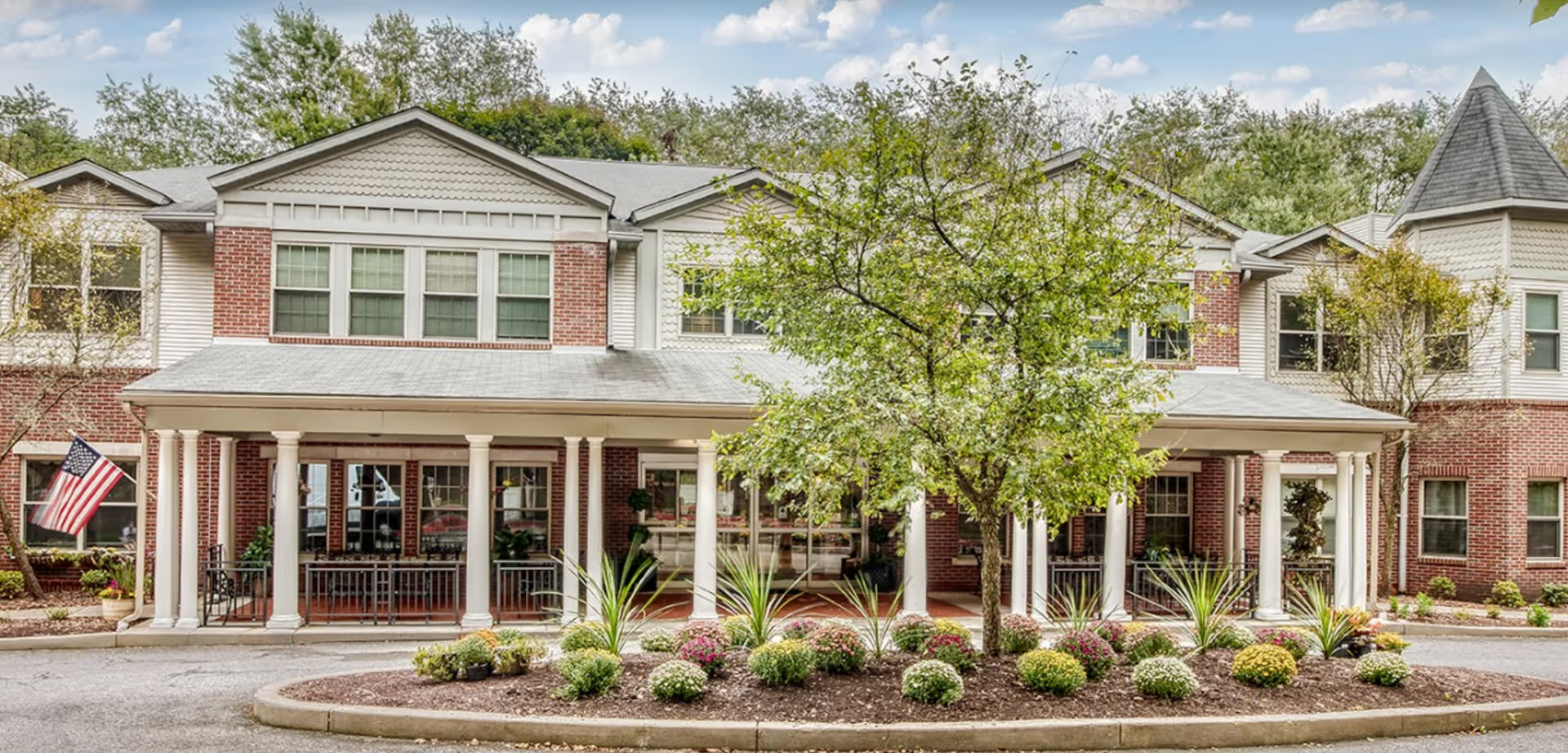
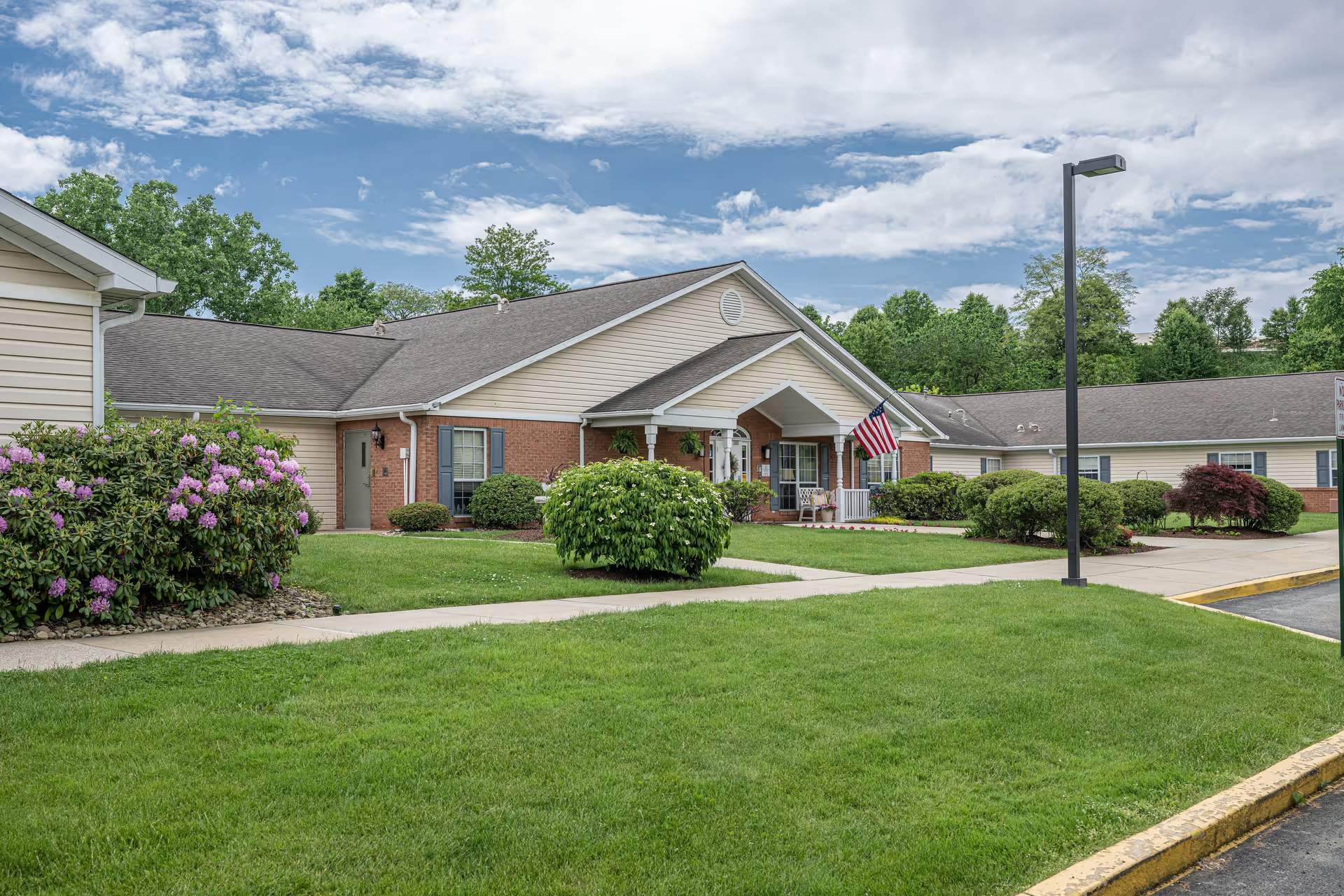
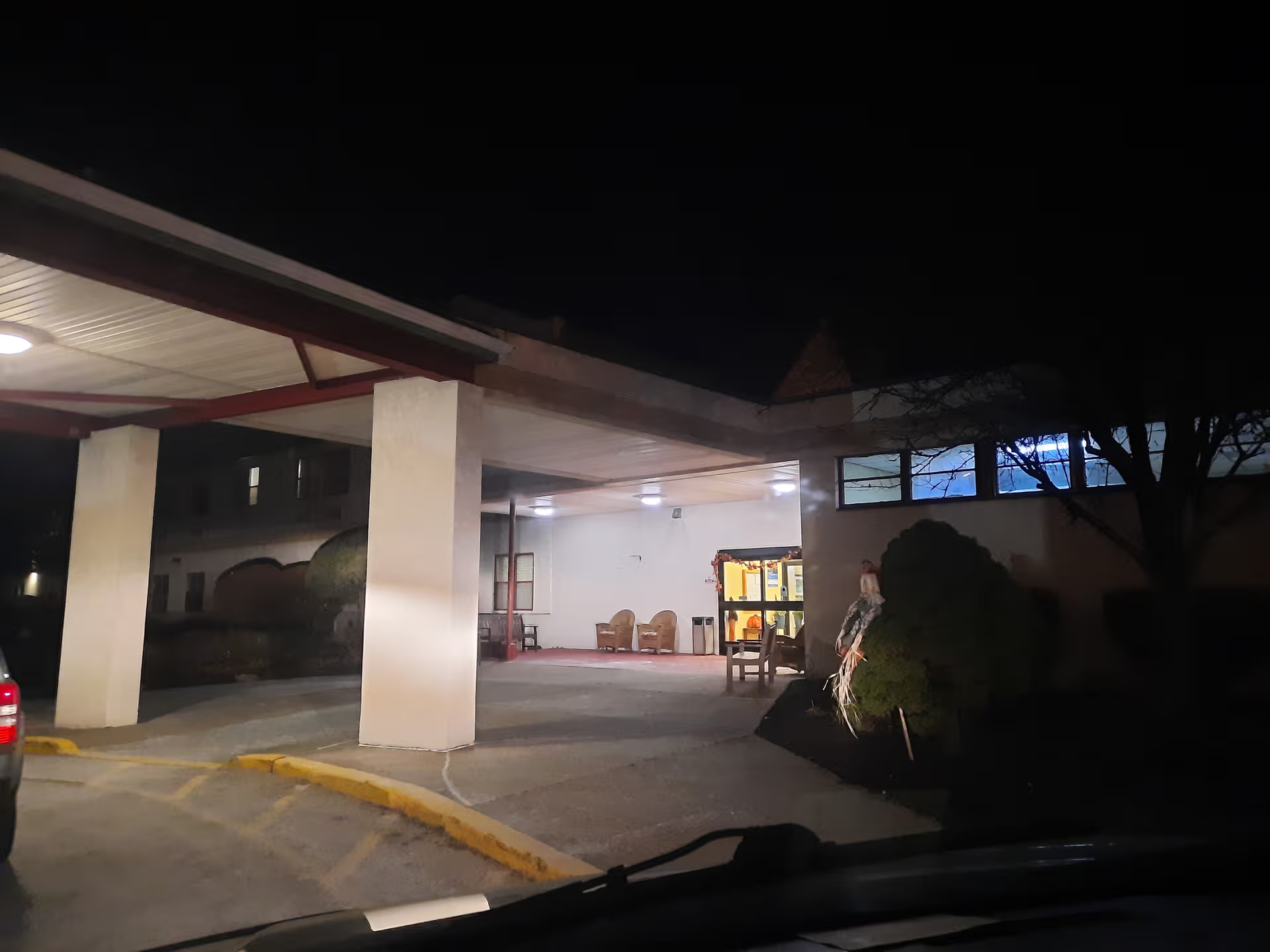
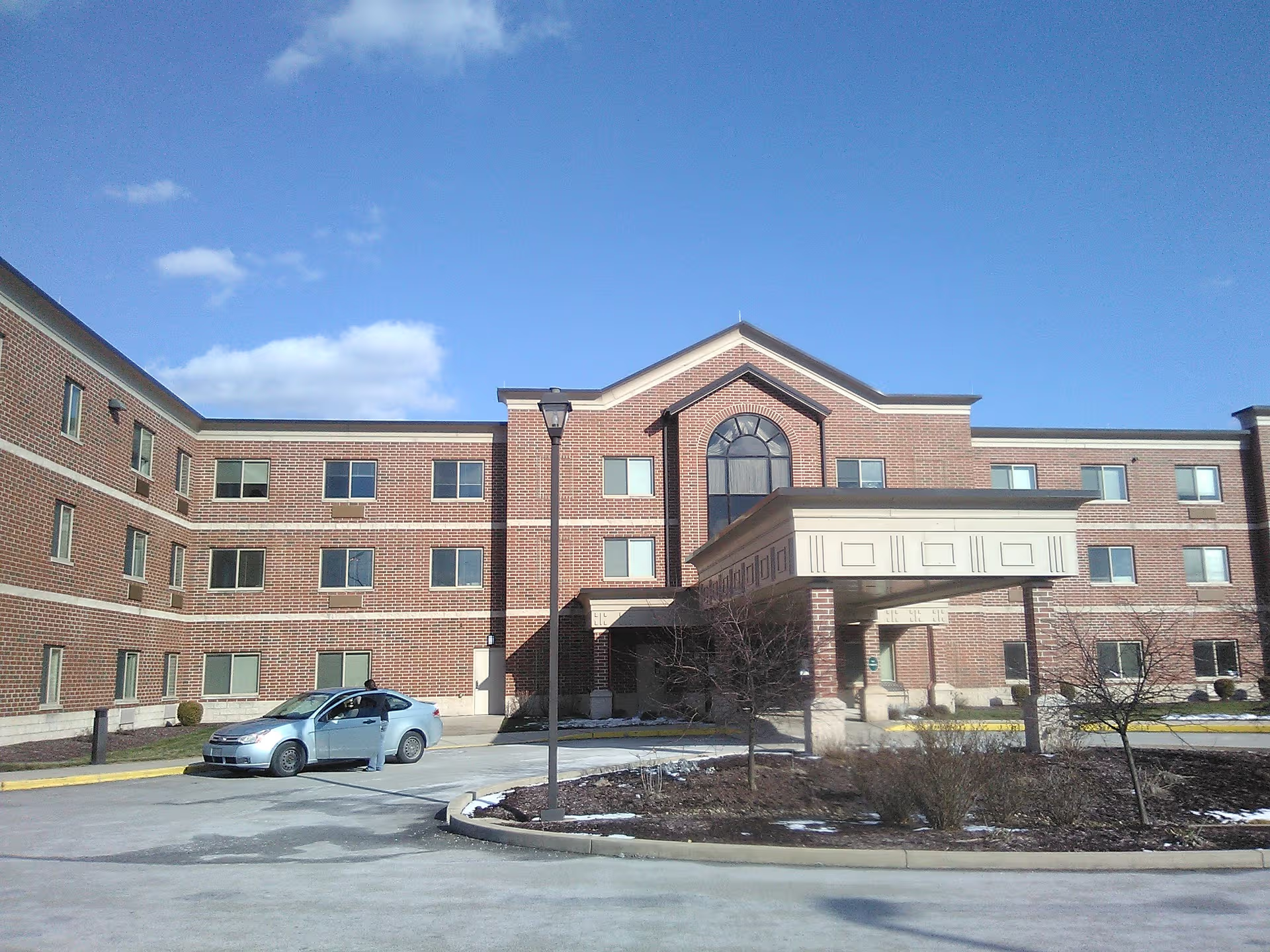
Reviewer feedback presents a mixed but actionable picture of Reward Senior Care of Turtle Creek. Positive commentary centers on committed front-line workers, a hands-on owner/manager, visible recent renovations, and an intimate, small-facility atmosphere. Several reviewers praised med technicians, kitchen staff, and maintenance responders; others highlighted compassionate touches such as holiday decorations, birthday recognition, veterans programming, and the ability to customize meals. Where changes were implemented — new executive leadership, remodeling, and refreshed programming — families described measurable improvements.
Care quality is described unevenly. There are consistent notes that med techs and some aides are professional and hardworking, but staffing shortages, frequent employee turnover, and limited licensed nursing coverage were recurring concerns. These operational gaps translate to delays in routine care tasks for some residents and inconsistent supervision for higher-acuity needs. Reviewers also described role ambiguity on the floor and variable communication between families and staff, which suggests the facility’s clinical staffing model and handoff procedures merit close review during any inquiry.
Dining and personal-care services show variability. Several accounts praise improved meals and the kitchen’s willingness to customize plates, while others describe inconsistent food quality, occasional spoiled food concerns, and menus that lack balanced fruit and vegetable options. Laundry and linen management emerged as a significant operational weakness: missing blankets, clothing mix-ups, and low satisfaction with the laundry department were frequently mentioned and point to a systemic process issue rather than isolated incidents. Housekeeping and bathroom cleanliness were also cited as areas needing sustained attention.
Activities and resident engagement appear to be in development rather than consistently robust. Some families noted bingo, seasonal events, and increased activities since management changes, but other reviewers said programming was minimal or on hold (often attributed to COVID restrictions or staffing). The small facility size supports informal resident-led interaction, but structured, regular programming is uneven.
Facility infrastructure and safety-related items were another theme. Several reviewers reported recurring utility problems (heating, hot water), elevator unreliability, and absence of backup power during outages; others mentioned missing safety lighting and unfinished remodeling projects. While maintenance staff received positive mentions for addressing issues when available, the frequency of those problems indicates underlying reliability and capital-maintenance concerns.
Management and governance observations are mixed. Some reviewers described a responsive, engaged owner and signs of positive transformation under new leadership. Others cited frequent administrative turnover and concerns about transparency and consistency in placement or transition decisions. Taken together, the pattern is one of a facility in transition: there are tangible improvements and strengths, but ongoing operational shortfalls — especially around staffing, laundry/housekeeping, clinical coverage, dining consistency, and infrastructure reliability — that materially affect resident experience.
For prospective residents and families: the facility offers clear strengths in personalized service, a small-community feel, and active maintenance-driven repairs, and it may be improving under newer management. However, due diligence is advised — confirm current staffing ratios and licensed-nursing coverage, inspect laundry and housekeeping processes, review recent inspection or deficiency records, ask about contingency plans for utilities and outages, and assess the activity schedule and dietary planning to ensure they meet the prospective resident’s needs.