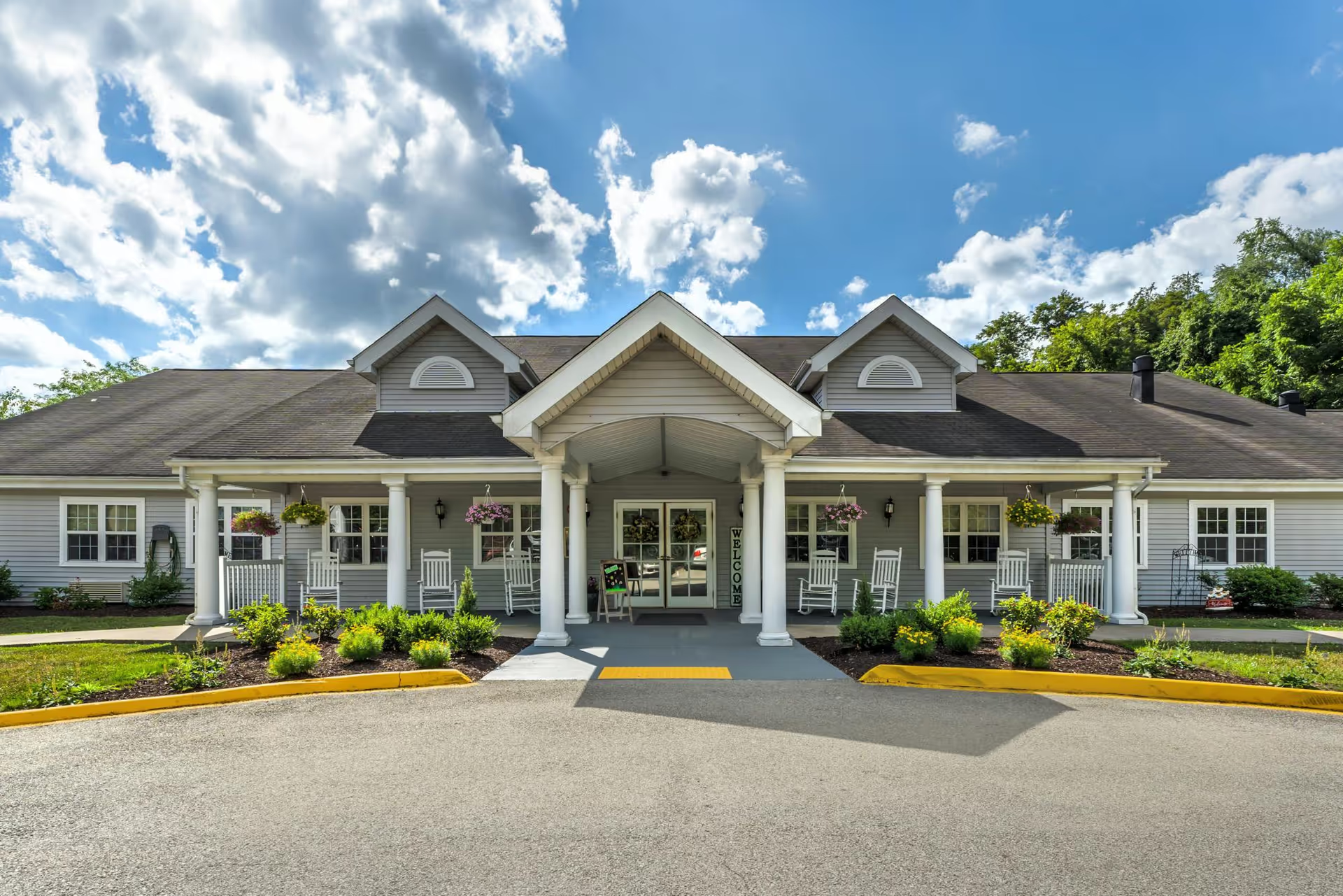
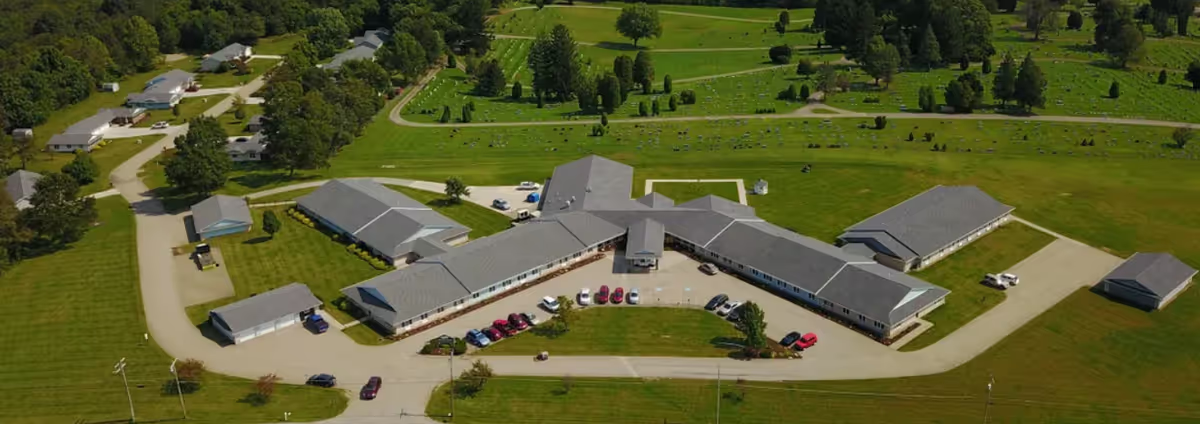
The reviews present a mixed but consistent picture: many families and former residents praise the quality of hands-on care, therapy outcomes, and the activities program, while others raise operational and environmental concerns. On the positive side, nursing staff and aides are frequently described as compassionate, attentive, and willing to develop personal relationships with residents. Therapy services (physical and occupational) receive strong praise for rehabilitation outcomes and a modern rehab gym that supported successful discharges home. The facility’s activity calendar — including organized games, outings, and interactive options like Wii bowling — and an active admissions/social-services presence contribute to family engagement. Dining is commonly described as good, with several comments noting enjoyable meals and positive mealtime experiences.
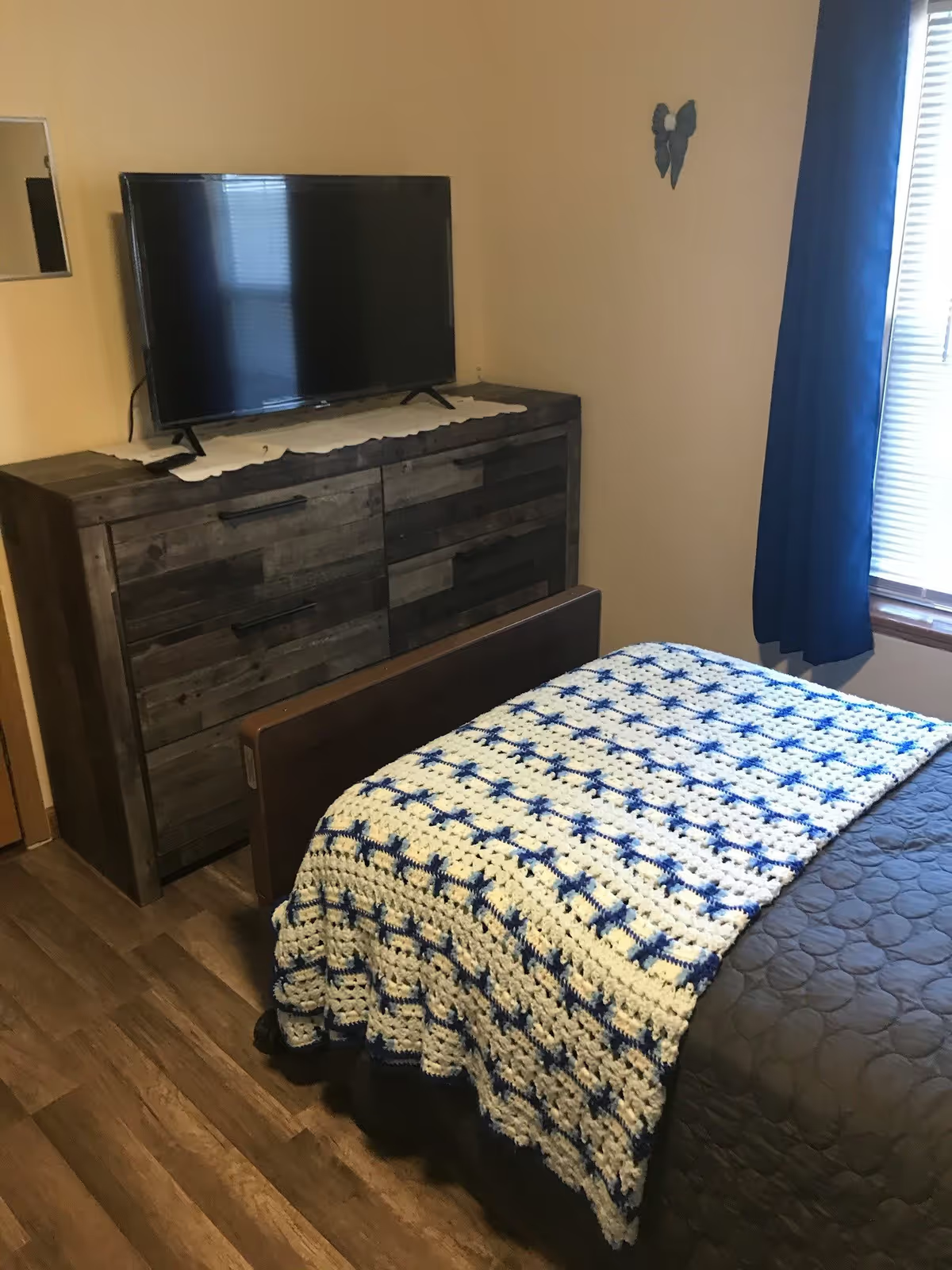
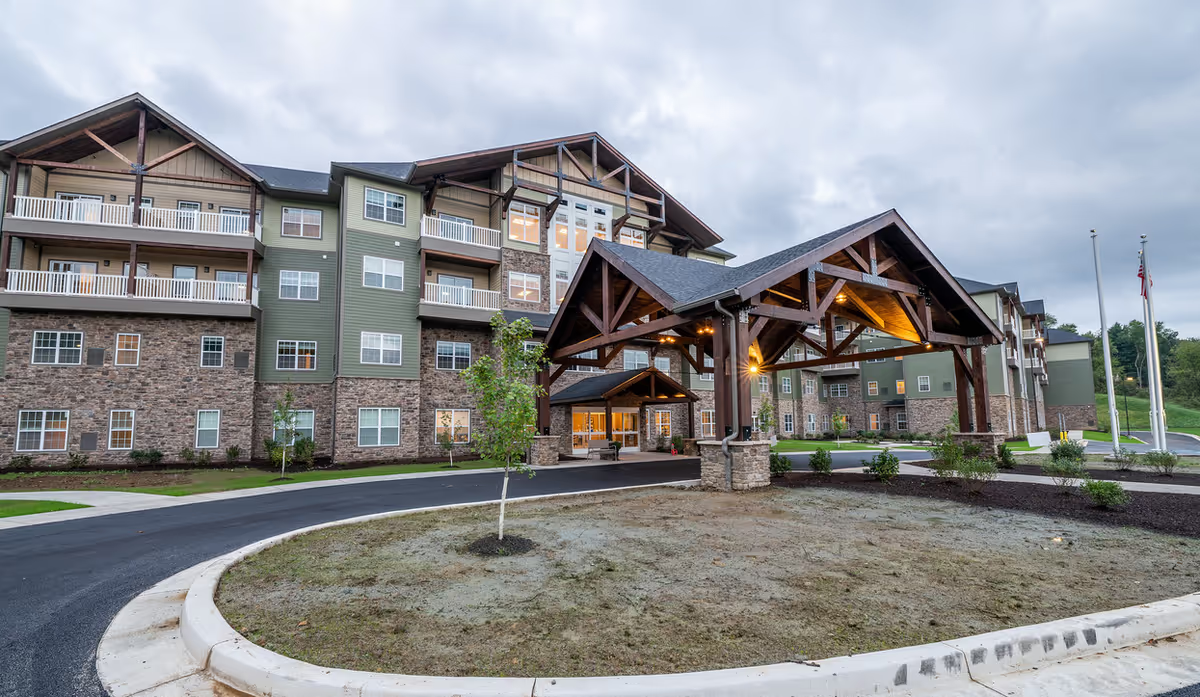
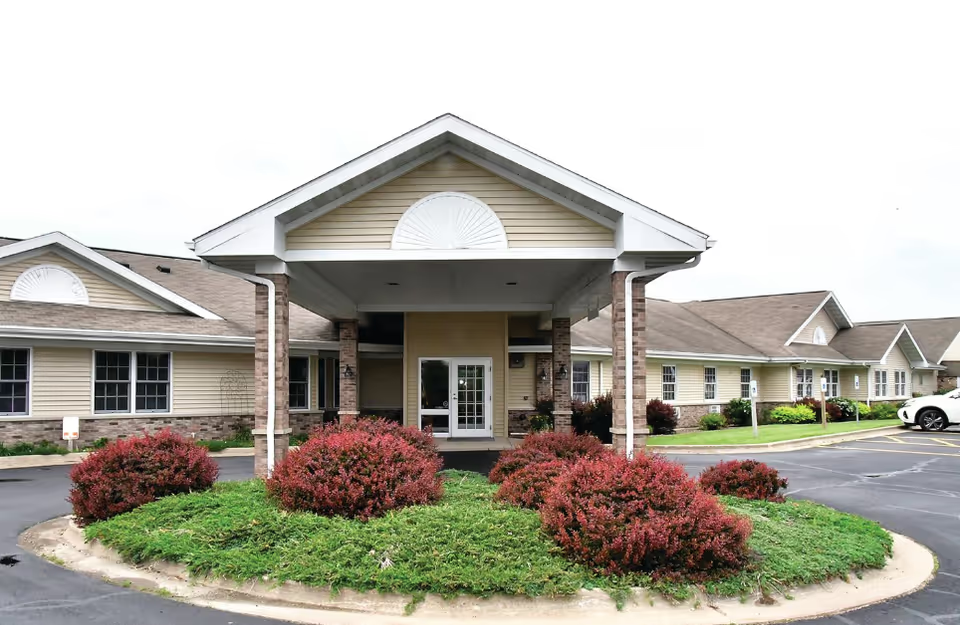
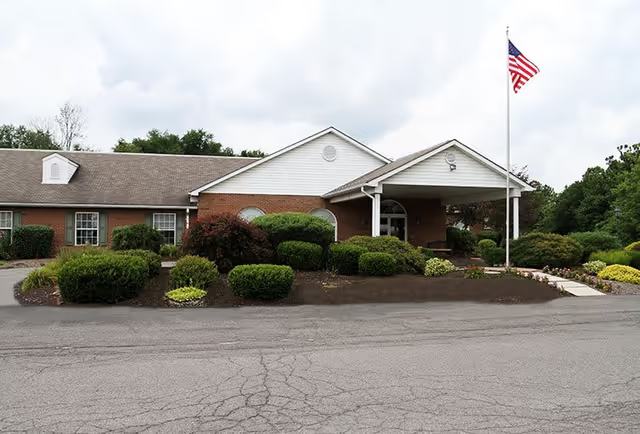
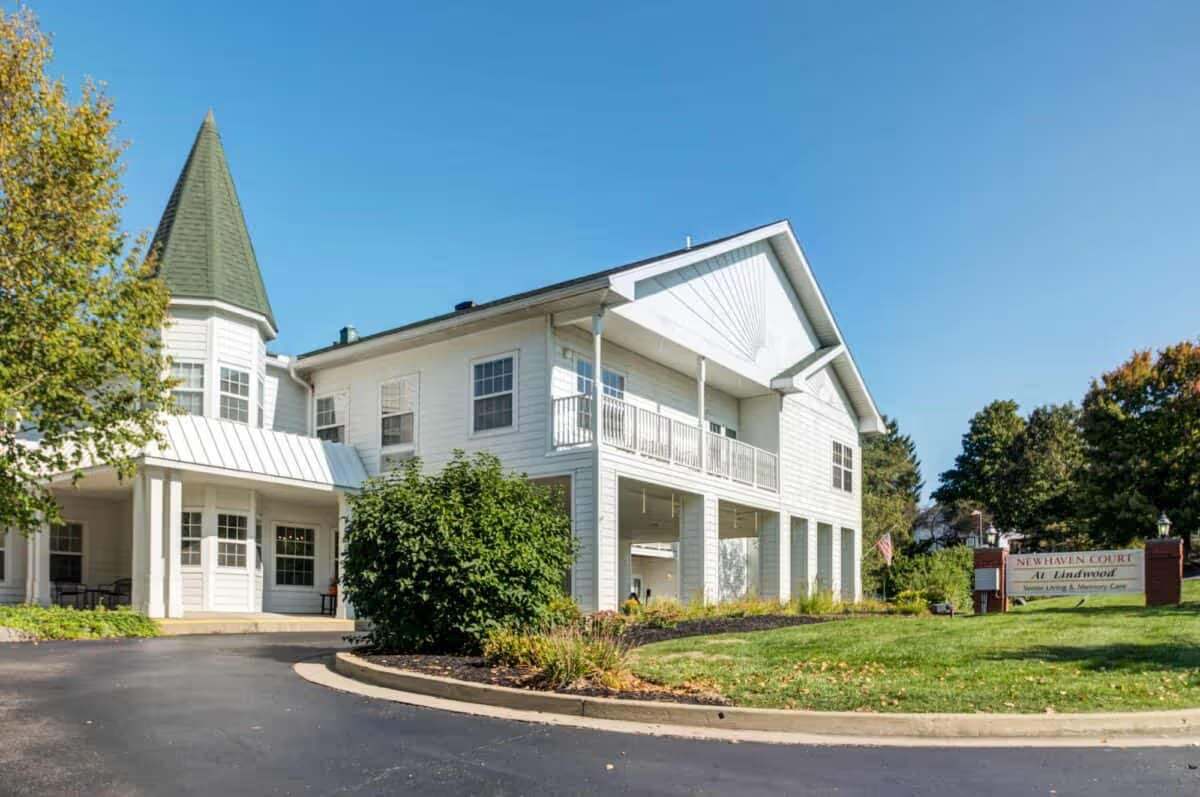
At the facility level, multiple reviews identify aging infrastructure and maintenance deficits: dated rooms, peeling finishes, broken trim, and areas that appear in need of renovation. These physical issues are linked by some families to limited or aging common areas; others explicitly described privacy constraints related to room and bathroom layouts. Cleanliness and sanitation practices are inconsistent across accounts — some visitors describe clean, well-maintained spaces, while others raise sanitation and odor concerns and note that certain housekeeping tasks appear unevenly performed.
Clinical operations and staffing practices show similar variability. Many reviewers praise knowledgeable nurses and aides and cite good medical coordination, but a subset of accounts points to delays in attending to residents, missed clinical checks, and uneven responsiveness. Those accounts suggest gaps in care continuity and in infection-control or early-warning practices in certain situations. Management responsiveness is also mixed: several families commend an accessible admissions director and an administrator who visits residents, while others describe inconsistent communication or inadequate follow-through. There are also serious financial concerns in some narratives, including allegations regarding owner financial practices; these are significant enough to warrant direct inquiry during a tour and review of facility financial policies.
Taken together, the pattern is one of a facility that can deliver strong rehabilitative and interpersonal care but whose performance appears uneven across units or time. Prospective residents and families should weigh the clear strengths in therapy, day-to-day caregiving relationships, and activities against the operational weaknesses: building maintenance, privacy and room design, variable housekeeping, and the need to confirm clinical monitoring and billing transparency. When evaluating the facility in person, families may find it useful to ask about recent renovations, cleaning schedules, staffing ratios and shift coverage, clinical monitoring protocols (including infection-prevention measures), and financial billing/authorization practices. Reviewing the most recent state inspection and complaint history would also help validate whether the operational concerns raised in reviews have been addressed.