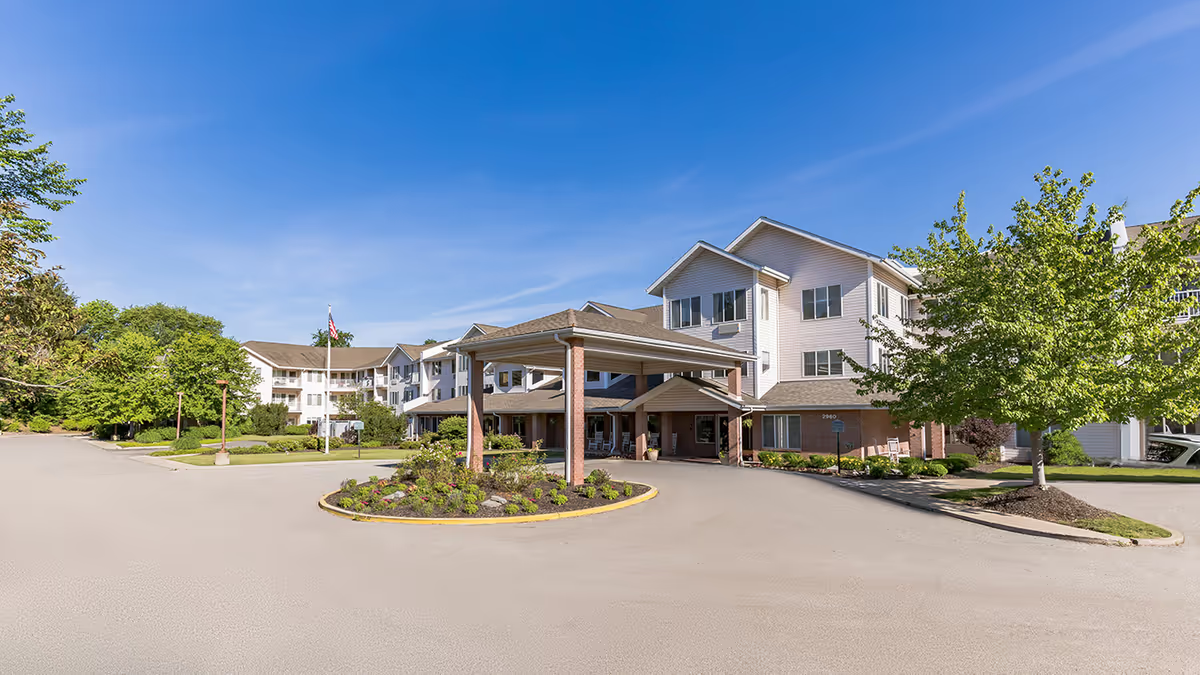
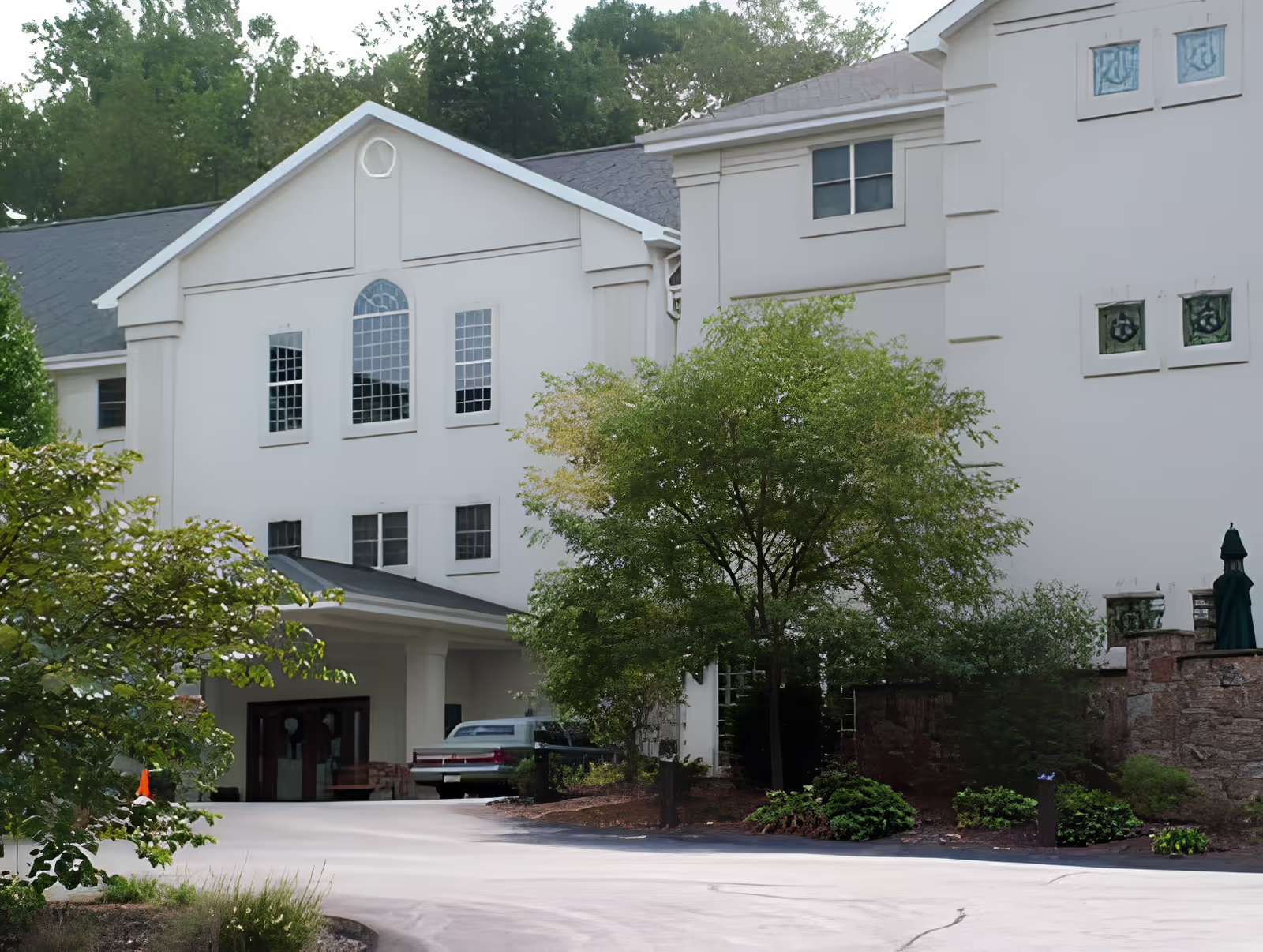
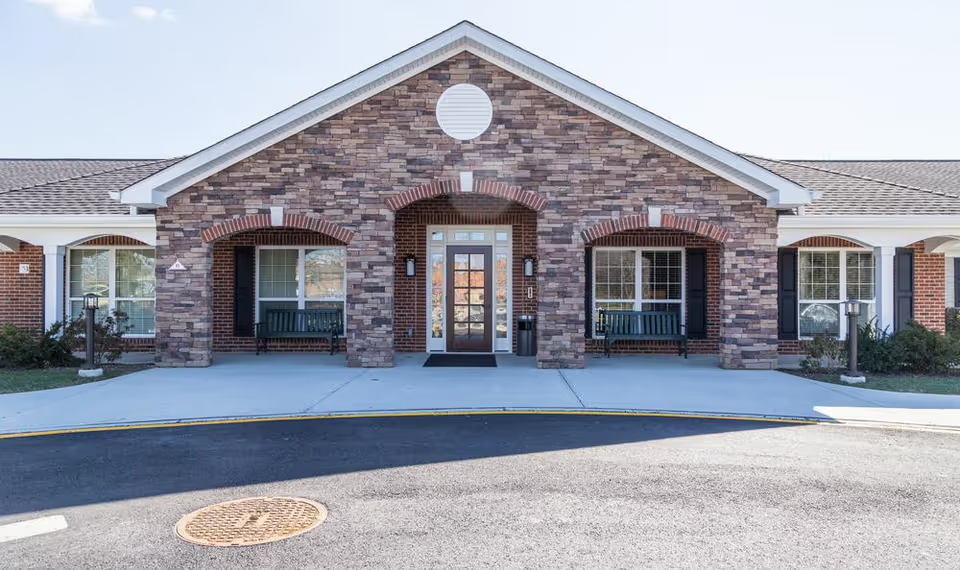
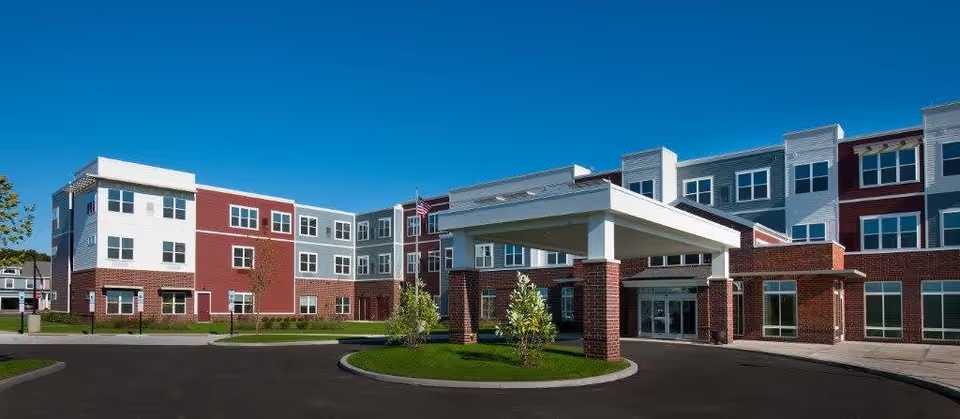
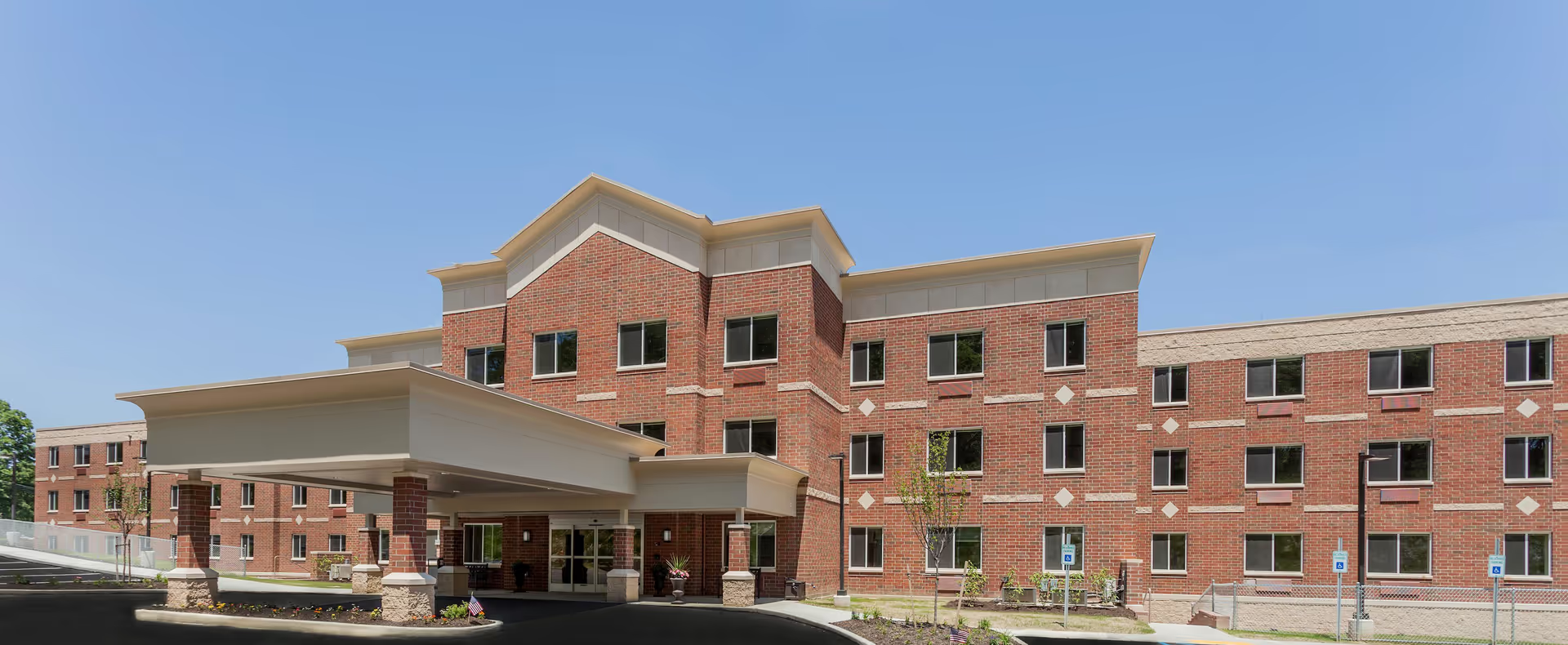
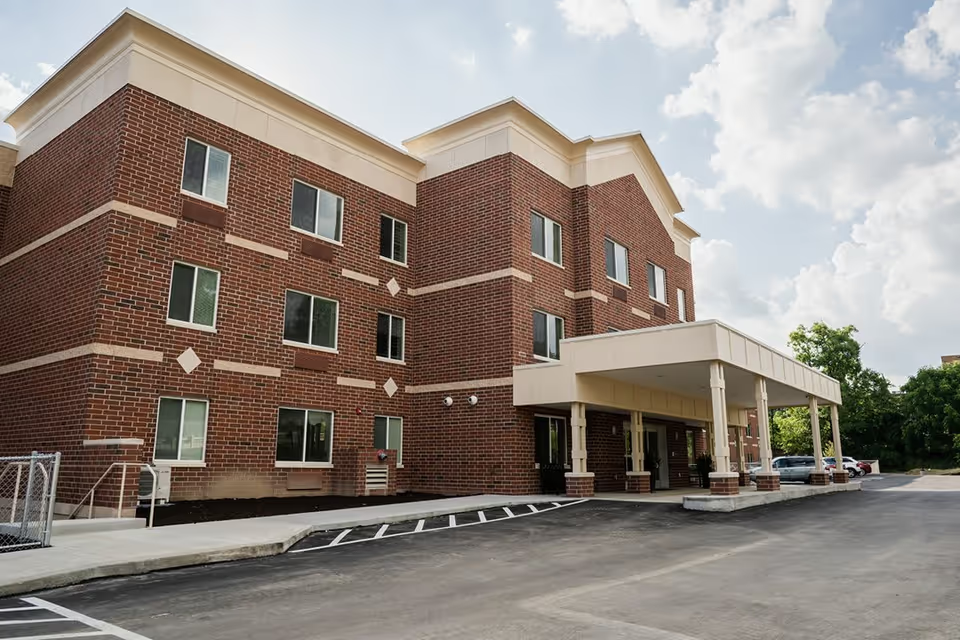
Overall impressions of Hemsley House of Upper St. Clair are mixed, with a substantial number of families and residents praising its physical environment, activities program, and many individual caregivers while others raise operational concerns that affect day-to-day care. The facility presents as a modern, resort-like community with attractive common areas, conservatory-style gardens, outdoor walking paths, a bright dining atmosphere, apartment-style living options and on-site amenities such as a salon, barber shop and transportation van. Memory care is described as a secured unit with separate dining and dedicated programming, and several accounts note meaningful, person-centered engagement for residents with cognitive impairment.
Staffing and direct care are the most significant themes. Numerous accounts highlight compassionate, knowledgeable aides and a committed core staff who know residents by name and run a lively activities schedule; daytime shifts in particular are often described as active and engaging. At the same time, reviewers consistently mention chronic understaffing (notably during evenings and nights), high caregiver turnover, and variability in training and competency. Those operational patterns are linked to inconsistent assistance with activities of daily living (feeding, toileting, bathing) and delayed responses to call buttons and alarms. There are also recurring concerns about clinical-incident follow-through and responsiveness to urgent equipment or oxygen alarms.
Dining and activities receive both positive and critical commentary. The dining venues, menu variety, and meal customization are frequently praised; the bistro feel, table settings and dessert offerings are noted positively. Conversely, some families and residents describe uneven meal quality, small portions, and beverage choices they find suboptimal. Activities are robust and well-staffed at times—music, games, outings, and therapy pets are repeatedly cited as strengths—yet others report reduced programming or offerings that feel less engaging, particularly when staffing levels dip or pandemic restrictions affected schedules.
Management, communication and cost transparency are additional areas of divergence. Many reviewers commend individual managers and admissions staff for being informative and helpful, and several families emphasize positive coordination around hospice and end-of-life care. However, concerns appear about administrative priorities, inconsistent follow-up from nursing or administration, difficulty accessing external physicians, unclear billing practices and add-on fees that make final monthly costs hard to predict. A subset of families described issues during admission related to care-level placement or expectation mismatches, which contributed to dissatisfaction for those cases.
Sanitation and safety issues are not the dominant narrative but are cited often enough to warrant attention: odor and cleanliness concerns in some communal areas or rooms, room maintenance needs, and intermittent housekeeping lapses are described alongside accounts of generally well-kept spaces. Taken together, the pattern suggests a facility with strong amenities, meaningful programming and many dedicated staff members, but also with operational challenges—primarily staffing stability, training consistency, communication, and cost transparency—that can materially affect the resident experience. Prospective residents and their families should weigh the facility’s amenity and activity strengths against those operational issues, ask targeted questions about staffing levels and turnover, clarify billing and care-level placement practices, and confirm how clinical incidents and call responses are handled during evenings and nights.