Overall impression: Reviews reflect a facility with clear strengths in direct resident care, social programming, and portions of the physical plant, alongside recurring operational and management concerns. Many families and visitors describe attentive frontline staff, active programming, and quality dining; however, there are also consistent notes about cleanliness, medication handling, memory-care logistics, and administrative responsiveness that merit careful inquiry by prospective residents.
Care and staff: Care quality is a prominent positive theme. Multiple accounts highlight a 24/7 nursing presence, attentive aides, and staff who are described as compassionate and easy to work with. Counseling and care-continuity elements (for example, weekly counselor updates and handoffs to nursing) are mentioned favorably. At the same time, a number of narratives raise concerns about medication administration processes and about the tone or responsiveness of upper-level management. Prospective families should verify medication-safety protocols, staff-to-resident ratios, and communication practices during a tour.
Dining and activities: Dining is frequently cited as a strong point — including occasions described as restaurant-quality meals — and special-event food service (for example, holiday meals) receives positive mention. The activities program is consistently noted as active and varied, with music, games, crafts, and scheduled bus outings; reviewers also single out an engaged activities coordinator. The presence of condition-specific support groups and ongoing education (for cerebral palsy, diabetes, MS, Parkinson’s disease) adds a clinical and social support dimension beyond general recreation.
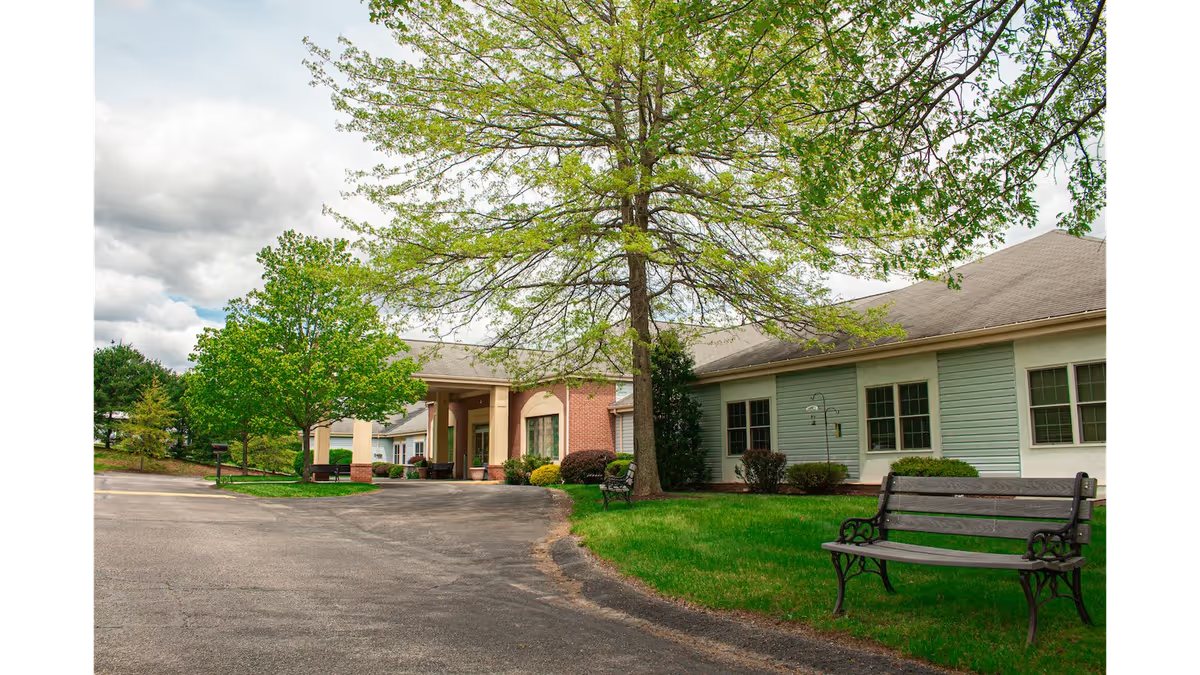
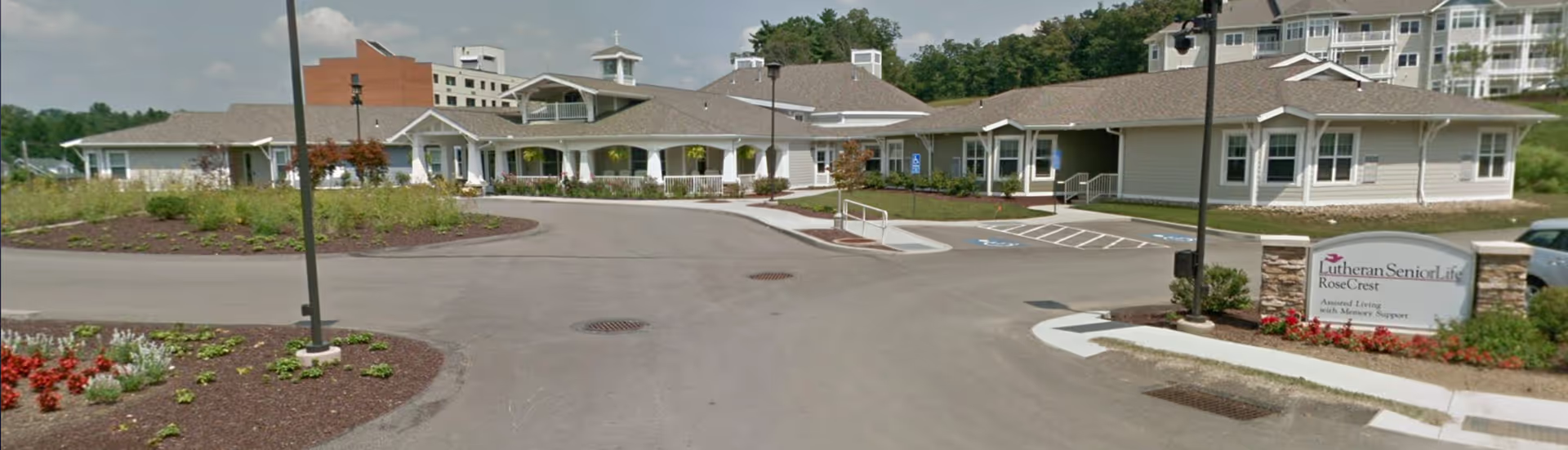
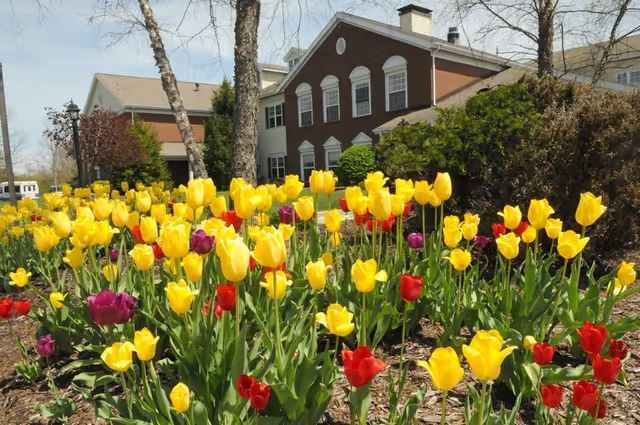
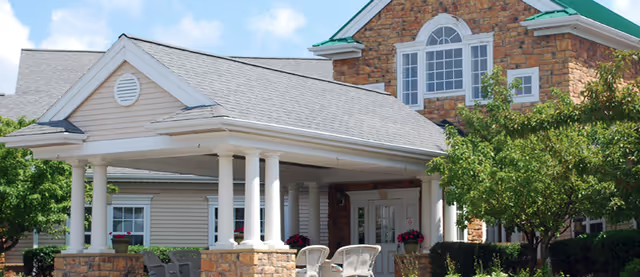
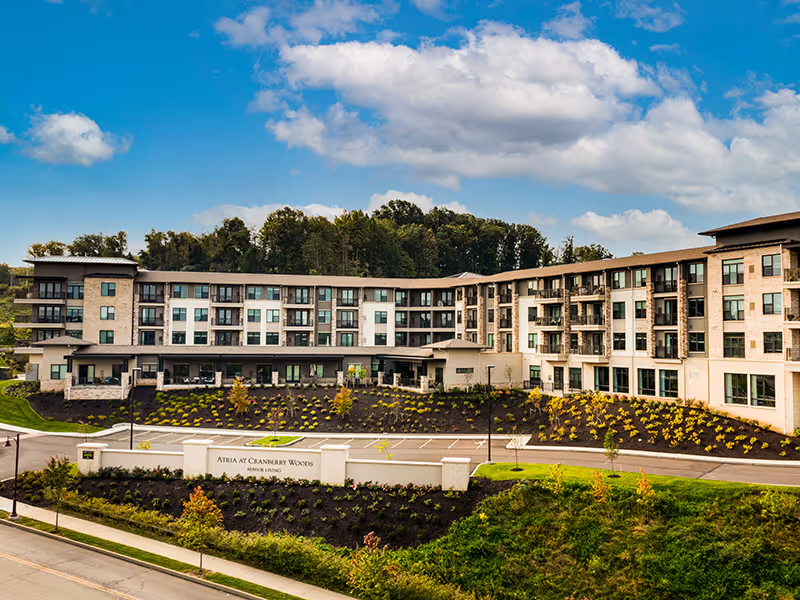
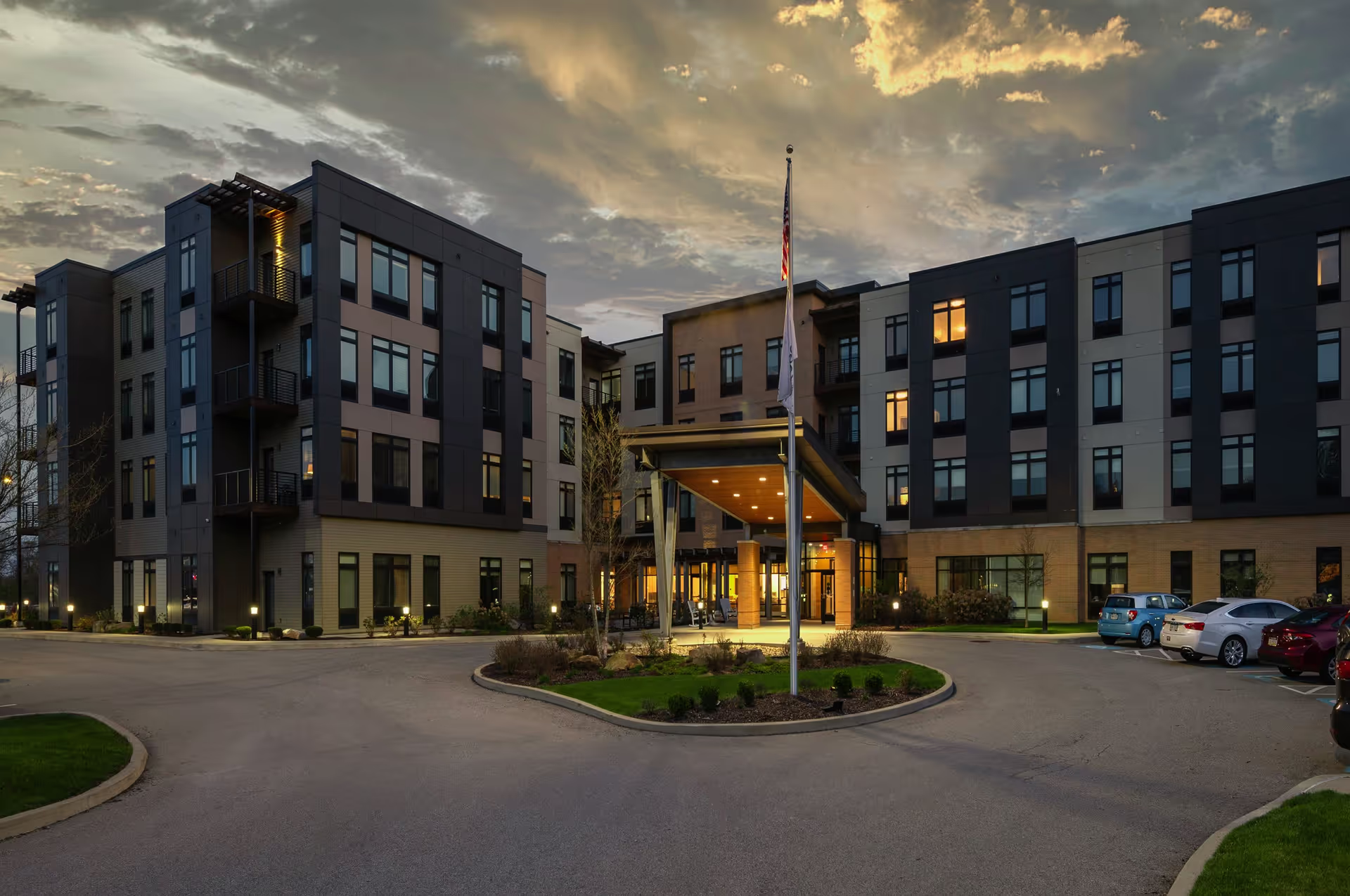
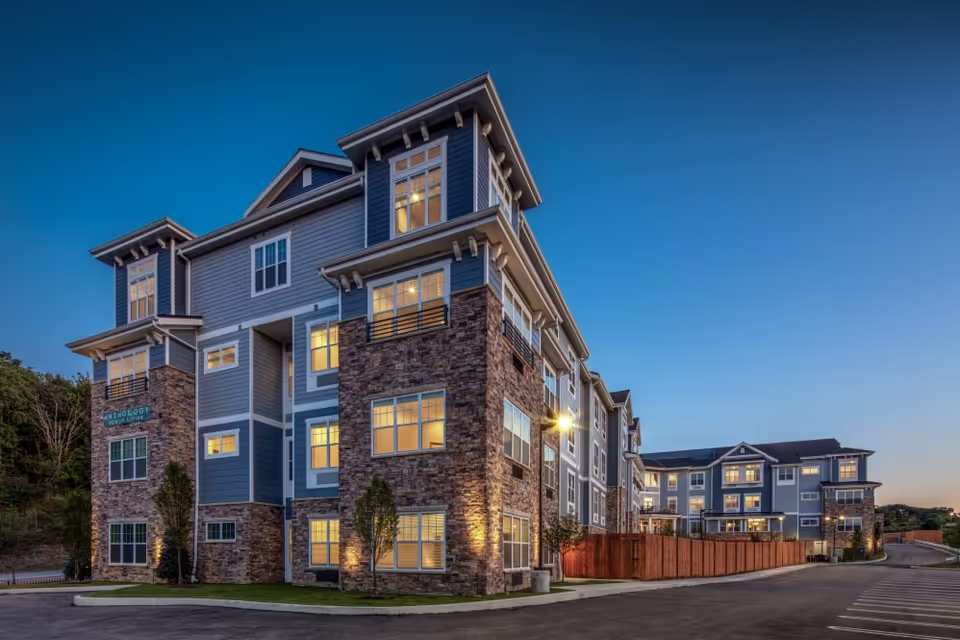
Facilities and environment: Several areas of the campus have been recently renovated and are described as clean, comfortable, and cheerful, with well-kept grounds and a quiet, convenient location. Room options include private and double accommodations that reviewers find spacious and furnished. Conversely, other comments indicate aging infrastructure in parts of the building, temperature-control and elevator/construction disruptions, and maintenance issues such as deteriorated walls. Sanitation and odor concerns in some common areas were raised; reviewers describe these as inconsistent across the facility, suggesting variable housekeeping or environmental controls depending on unit or timing.
Management and notable patterns: A pattern emerges of strong frontline caregiving paired with inconsistent administrative oversight. Praise for day-to-day staff and quick admissions contrasts with observations of leadership and administrative responsiveness gaps, and at least one review described concerns about management demeanor. Memory-care operations are a particular area to examine: reviewers mention mixing residents with significant memory impairment with other populations and note logistical or safety questions in that wing. Ongoing renovations create both improvement opportunities and short-term disruption; ask about timelines and interim safety measures.
Practical guidance: Visitors should tour both renovated and older areas, observe mealtimes and activities, and ask specific questions about medication administration protocols, memory-care cohorting and supervision, housekeeping schedules, and how construction is being managed. Overall, the facility presents notable strengths in caregiving, programming, and parts of the physical environment, but the recurring operational concerns warrant direct verification during a visit and discussion with leadership before making a placement decision.