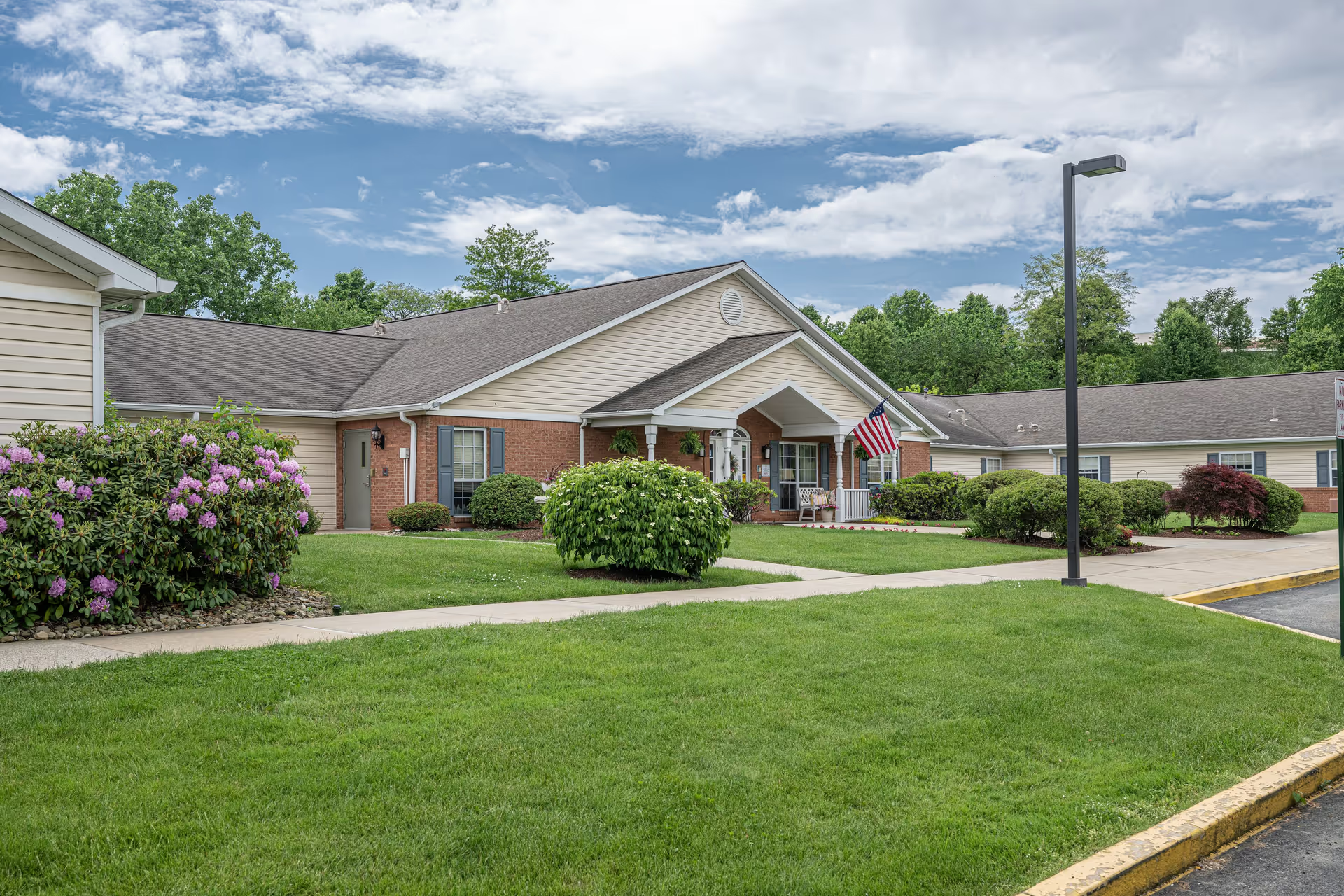
Seneca Place elicits a mixed but consistent pattern across reviews: several strengths are repeatedly cited alongside a set of recurring operational weaknesses. Positive themes include attentive direct-care staff, strong physical and occupational therapy programs, and a generally clean, well-maintained living environment with attractive amenities. The facility offers apartment-style units, on-site services such as a salon and gift shop, and a wide range of activities that many residents find engaging. Dining is frequently praised for home-style meals, and some families note effective care coordination for transport and discharge when that process works smoothly.
Care quality is uneven. Many reviewers praise individual nurses, therapists, and aides for compassionate, hands-on care and successful rehab outcomes (for example, post-surgical mobility gains). At the same time, there are repeated operational concerns that affect clinical reliability: staffing shortages and slow responses to calls; medication-administration lapses and omissions; and inconsistent physician involvement. A small number of serious clinical events and hospital transfers are described, which creates a pattern of concern about clinical consistency and medication safety that prospective families should evaluate closely.
Communication and day-to-day responsiveness are prominent themes. Several families describe clear, helpful communication and proactive staff; others describe delays in callbacks, missed family meetings, and difficulty obtaining timely updates. Personal-item handling and inventory controls are also noted as problematic in multiple accounts (lost dentures, hearing aids, and delayed retrieval of belongings). Transfer and fall-prevention practices are another area of concern, with examples implying gaps in supervision, bed/transfer safety, and timely assistance for toileting or mobility that may increase fall risk.
Dining and activities are generally a strength: many residents report enjoyable meals and frequent programming that supports social engagement. However, limitations are reported in meal-service continuity and waitstaff coverage at peak times, and some families encountered menu or diet-restriction mismatches. Therapy availability can be strong on weekdays but appears less consistent on weekends or when insurance limits services, which affects continuity of rehabilitation for some residents.
Facilities and campus amenities receive largely positive comments about cleanliness, bright common areas, and pleasant grounds. That said, odor concerns and sanitation issues are mentioned for certain units or floors, and some reviewers raise pest-control and hygiene-related worries. There are also practical safety observations such as small bed sizes and limited bed-rail options that merit on-site review.
Management and administration present a mixed picture. Some families compliment attentive management and staff longevity; others describe high turnover, diminished direction following organizational changes, disorganized discharge procedures, and occasional billing or financial conduct concerns. These administrative inconsistencies appear to contribute to uneven resident experiences and make local oversight or an initial trial stay advisable.
Bottom line: Seneca Place offers clear strengths in rehabilitation services, activities, amenities, and many dedicated direct-care staff. However, recurring operational issues — notably staffing variability, medication and clinical-consistency gaps, communication breakdowns, and administrative disorganization — create uneven experiences. Prospective residents and families should arrange an in-person tour, review medication- and transfer-safety protocols, ask about current staffing ratios and weekend therapy availability, and clarify property-security and discharge procedures before placement.