The reviews present a divergent picture: many families and visitors praise the facility’s caregivers and rehabilitation team, while others raise operational and safety concerns. Strengths most frequently cited include attentive, compassionate staff at the bedside, a capable and effective PT/rehab department, and pleasant common spaces such as a secure enclosed courtyard. Several accounts describe staff who go beyond routine duties to support residents and families, clear explanations of care, and a generally welcoming front‑desk presence. Night‑and‑day nursing coverage and a home‑like atmosphere in parts of the building are additional positives that families cited when residents made demonstrable recovery progress.
Care quality and safety are areas of mixed feedback. Positive outcomes from rehabilitation and examples of responsive bedside care coexist with serious concerns about monitoring and fall prevention. Some families described situations that they interpreted as delayed responses to resident needs, inconsistent monitoring practices (for example, limited use of electronic monitors or inconsistent bedside checks), and perceived lapses in incontinence-related care. A resident death noted by reviewers prompted concern about safety and follow-up; these accounts underscore the need for transparent clinical-incident communication and review. Staffing levels and workload pressures were repeatedly mentioned as a factor that may contribute to inconsistent responsiveness.
Dining and activities elicit varied impressions. The rehabilitation and therapy experience is consistently praised for producing measurable gains. Social programming — including bingo, seasonal events, and occasional special events — is appreciated, though some reviewers described limited daily activity options in certain units or long stretches of downtime for residents. Meal service quality and consistency are inconsistent in the feedback: some families compliment staff who add small comforts around mealtime, while others raise concerns about food temperature and menu execution.
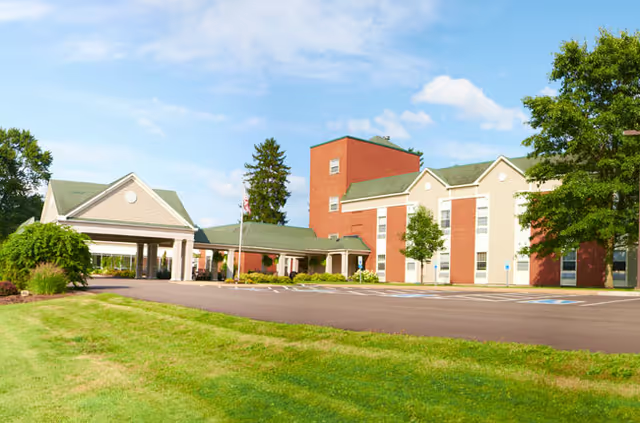
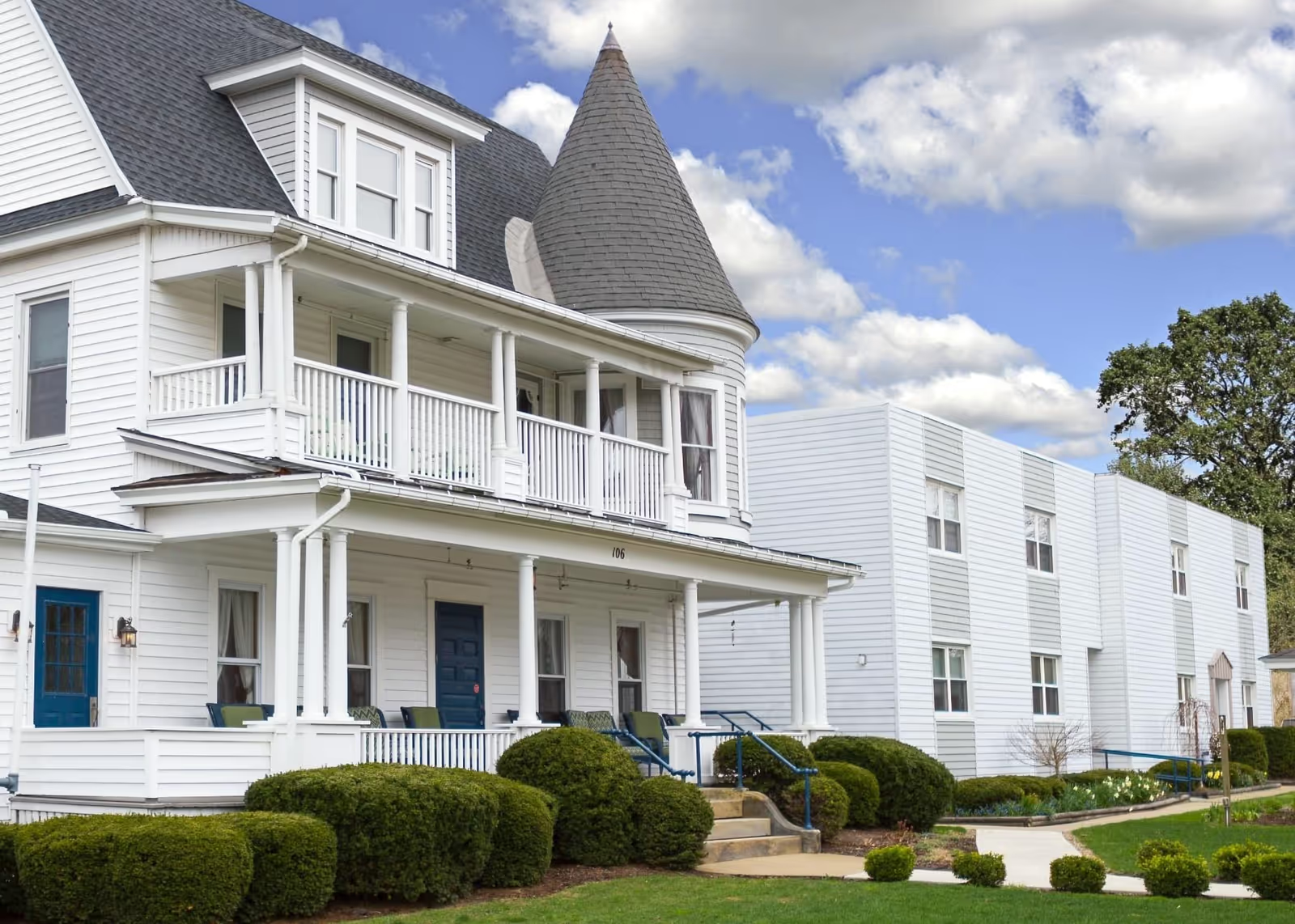
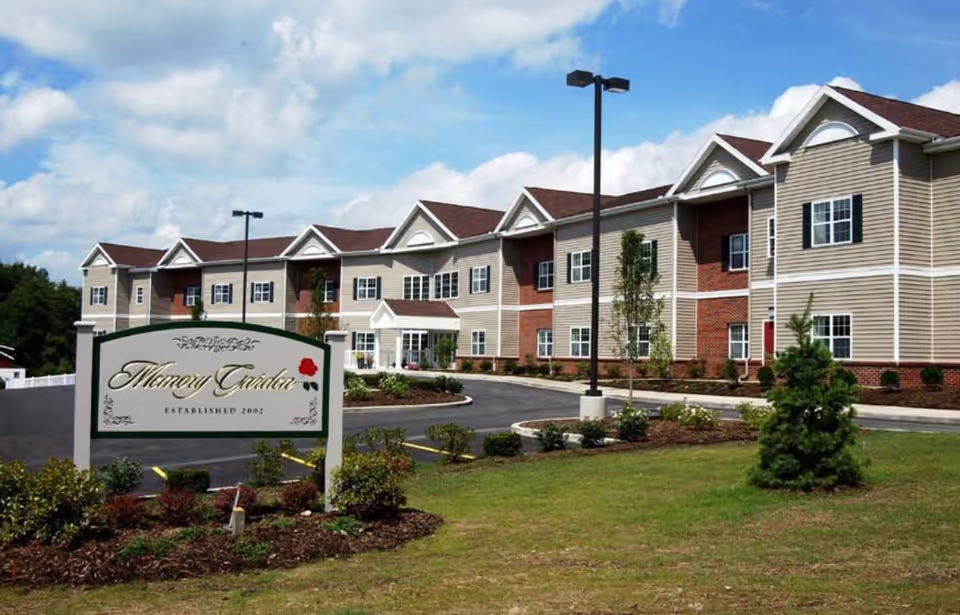
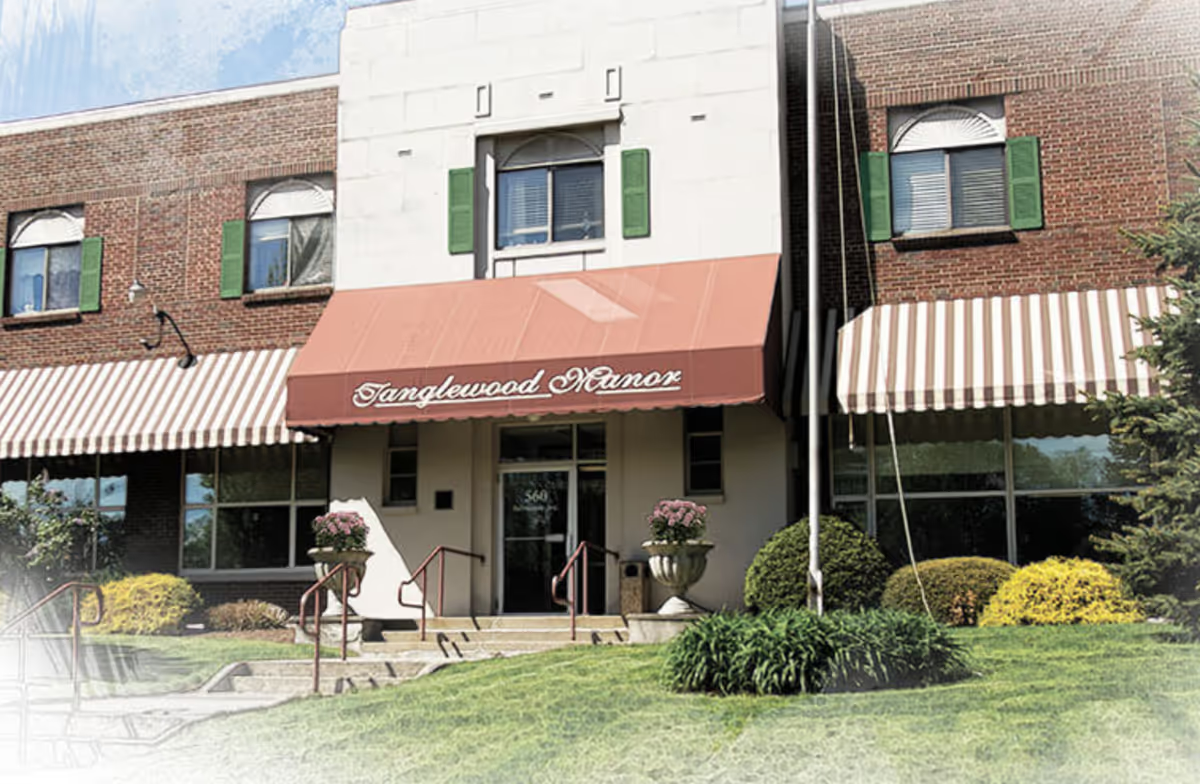
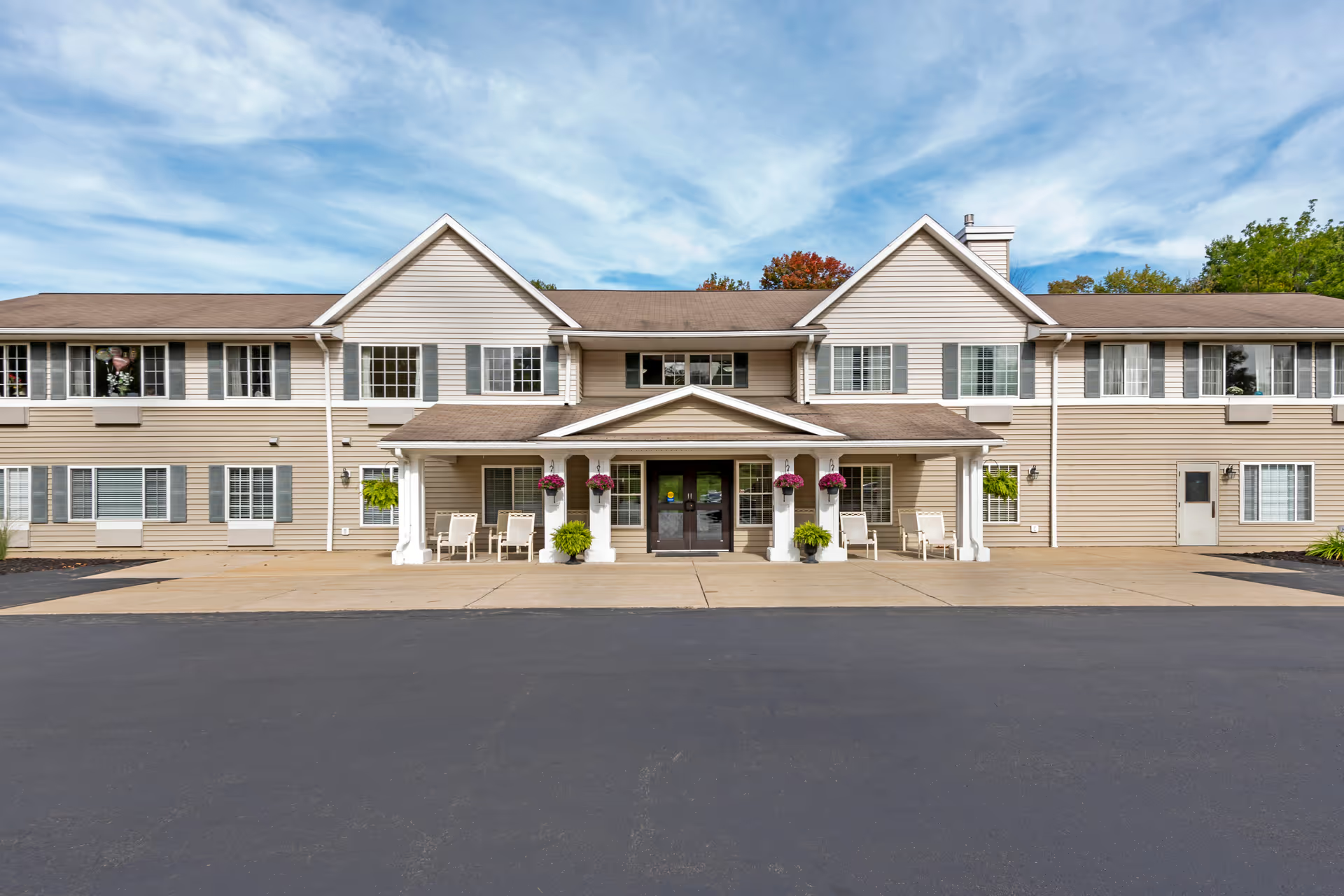
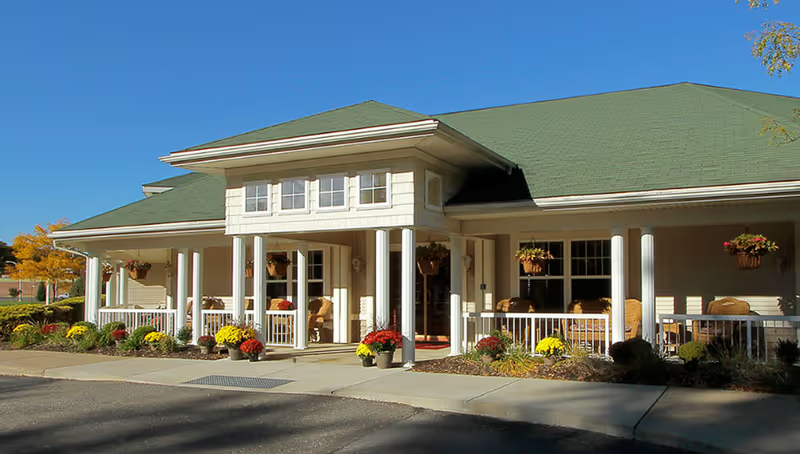
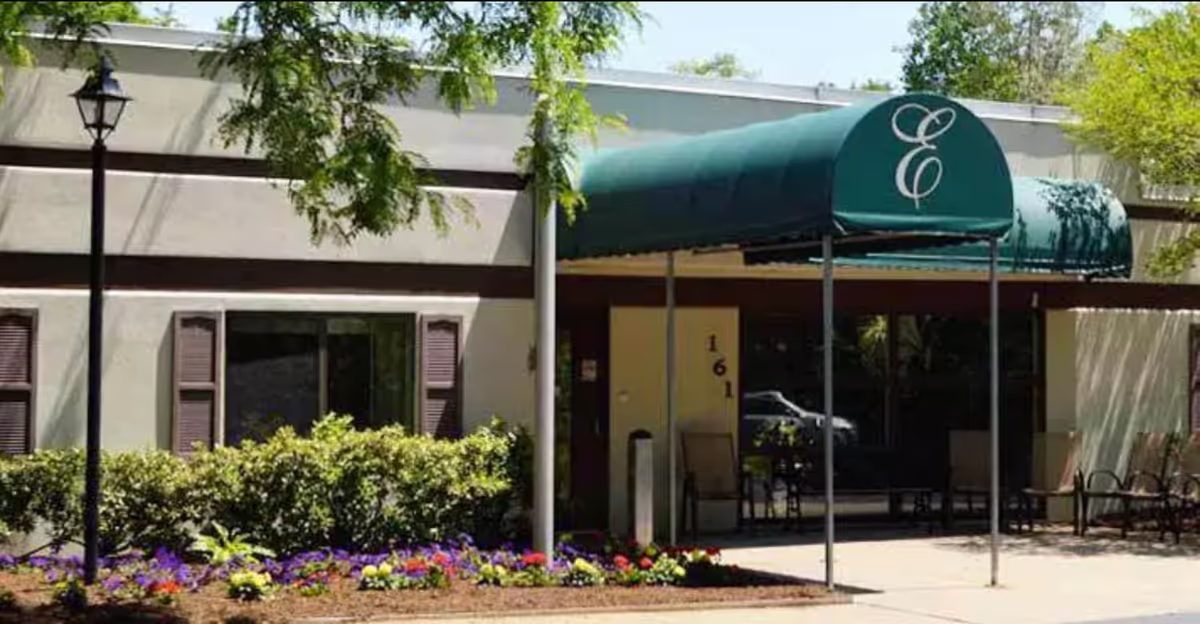
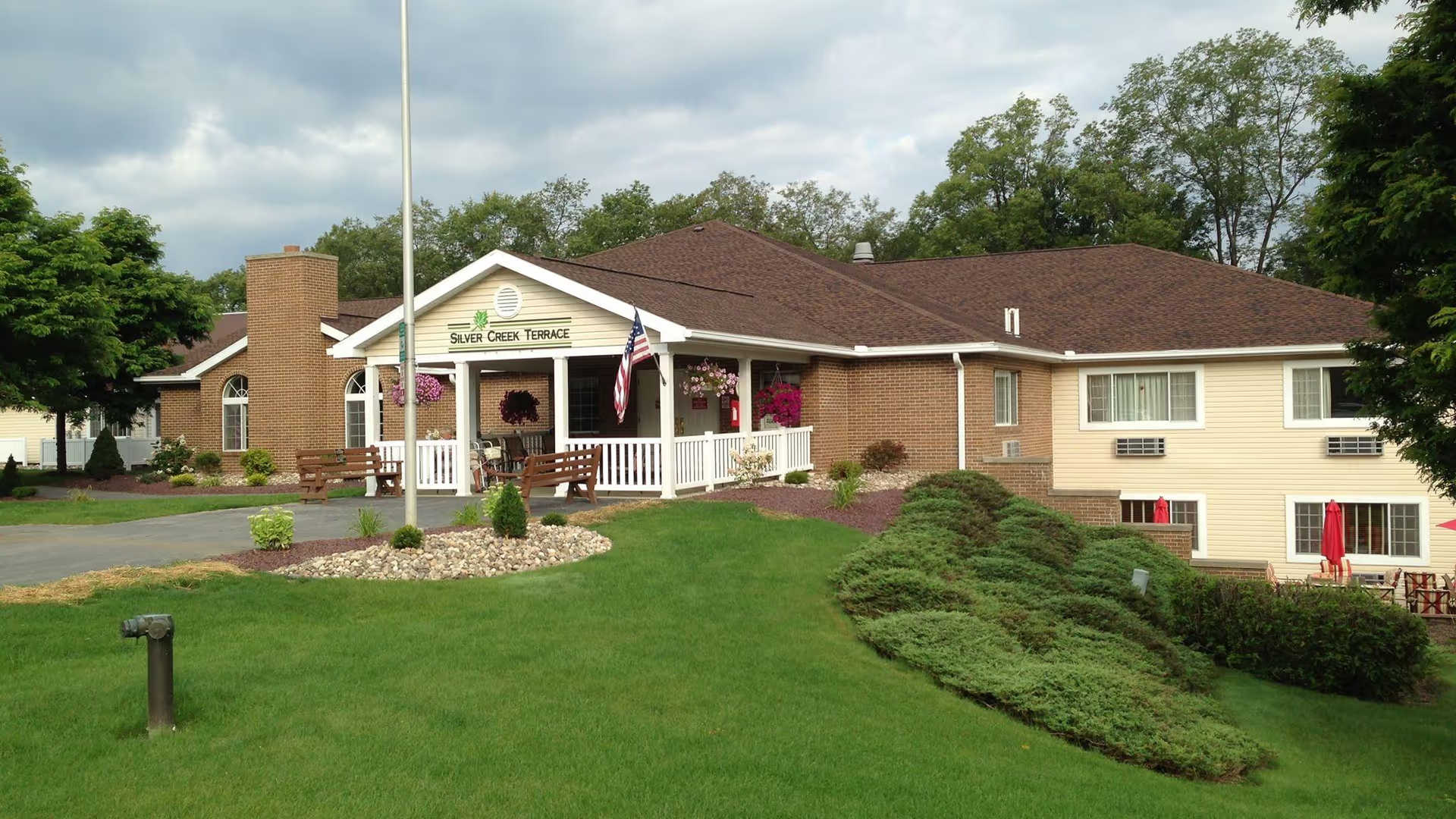
Facility condition and operations reveal both positive and negative patterns. Many reviewers find common areas, reception, and outdoor spaces clean and pleasant; others call out sanitation and odor-control issues, stained furnishings, and localized maintenance needs such as peeling walls or damaged fixtures. Wayfinding and the facility layout were described as complex in places. Administrative themes include both responsiveness and breakdowns: several families praised improved communication and management changes that appeared to address earlier problems, while others described billing errors, discharge-planning failures, and unresponsiveness from administrative staff. References to financial uncertainty and past notice of closure indicate that leadership stability and long-term operational planning are relevant considerations.
Taken together, the pattern is of a facility with clear caregiving and rehabilitation strengths that is nevertheless inconsistent in operational areas that affect resident dignity and safety. Prospective residents and families would be well advised to verify current staffing ratios, fall-prevention and monitoring protocols, incontinence-care procedures, and discharge/billing processes during an in-person visit. Asking for recent inspection reports, current management plans for maintenance and sanitation, and examples of activity schedules can help clarify whether the positive aspects highlighted by many families are reliably sustained across the facility.