Reviews for The Grove at Washington are highly polarized: several accounts praise strong rehabilitation outcomes, compassionate caregivers and good programming, while other accounts describe significant operational and clinical concerns. This creates a mixed overall picture in which quality appears to vary by unit, shift, or individual care team.
Care quality and safety show both strengths and gaps. A number of families described effective PT/OT programs that helped residents improve and return home, and some reviewers highlighted attentive end-of-life support. At the same time, reviewers described inconsistent clinical monitoring, missed or delayed medication administration (including PRN refusals and timing issues), wound- and skin-care concerns, repeated falls and transfers to hospital, and instances where allergy- and infection-control practices were questioned. There are also accounts that raise concerns following a resident's death; these underscore the importance of verifying the facility's clinical oversight and escalation protocols.
Staffing and communication are frequent themes. Positive comments emphasize compassionate, personable staff who celebrate resident progress and provide emotional support. Conversely, many reviewers pointed to chronic understaffing, high caseloads for direct-care staff, slow responses to call requests, and variable communication from nursing and administrative teams. Some families reported difficulties obtaining timely updates, while others noted responsive discharge planning and attentive follow-up—indicating uneven performance across staff and shifts.
Dining and therapies are similarly mixed. The facility offers a posted menu, snacks, and healthy options that some residents and families appreciated. However, reviewers also described inconsistent meal service, missed or poorly timed meals, and variability in food quality. Rehabilitation therapy (PT/OT) repeatedly appears as a strong programmatic element, with several positive reports about skilled therapists and measurable progress.
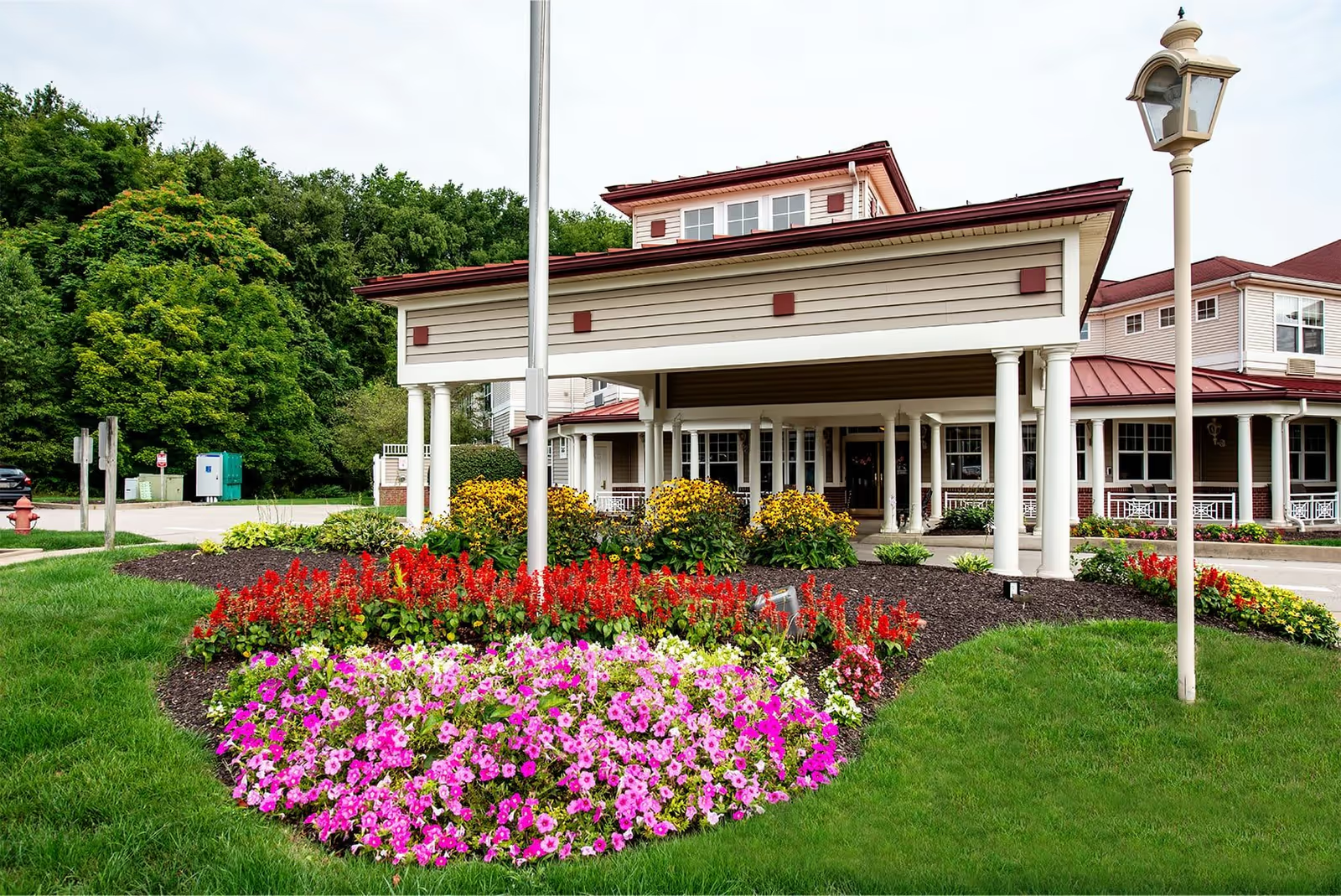
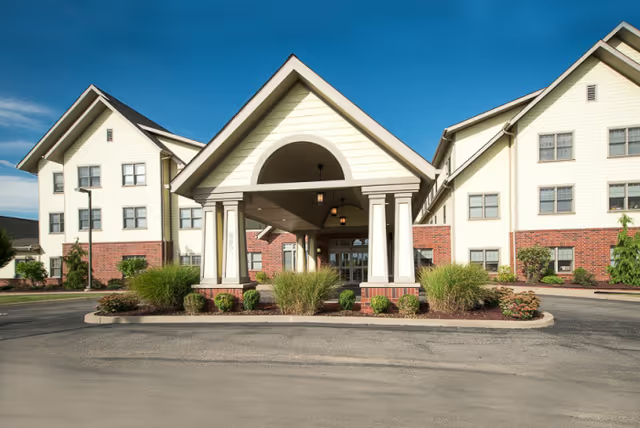
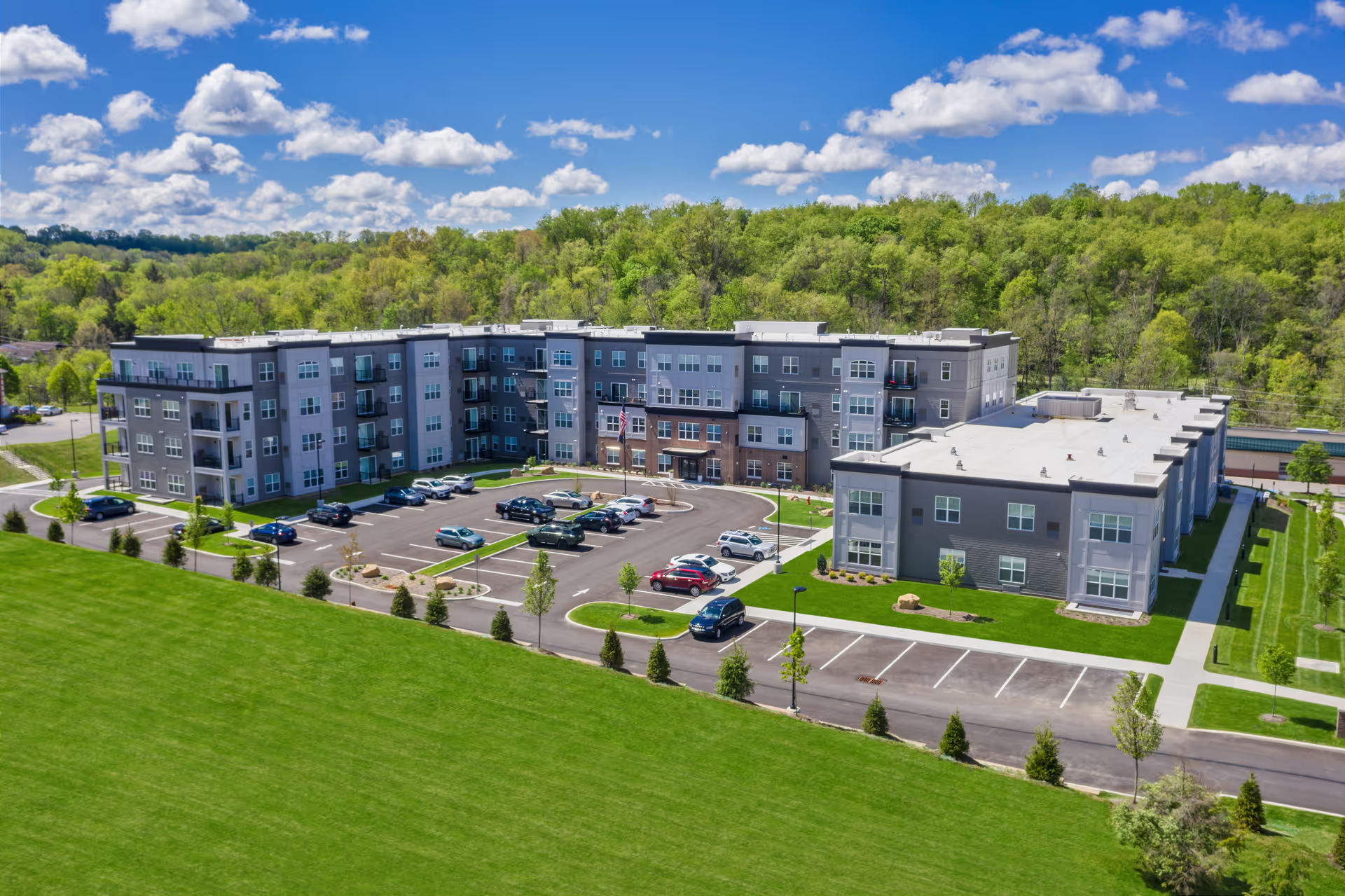
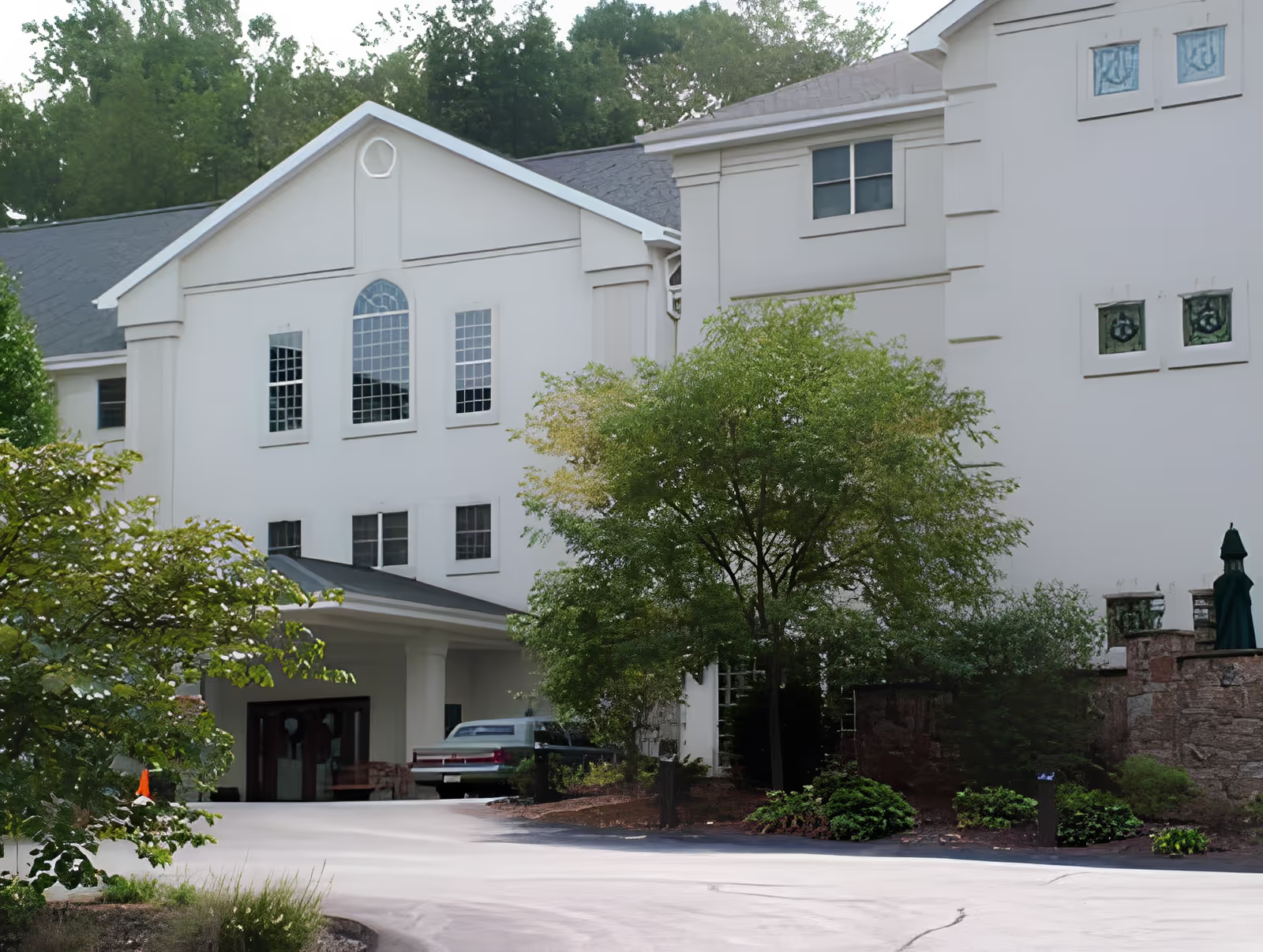
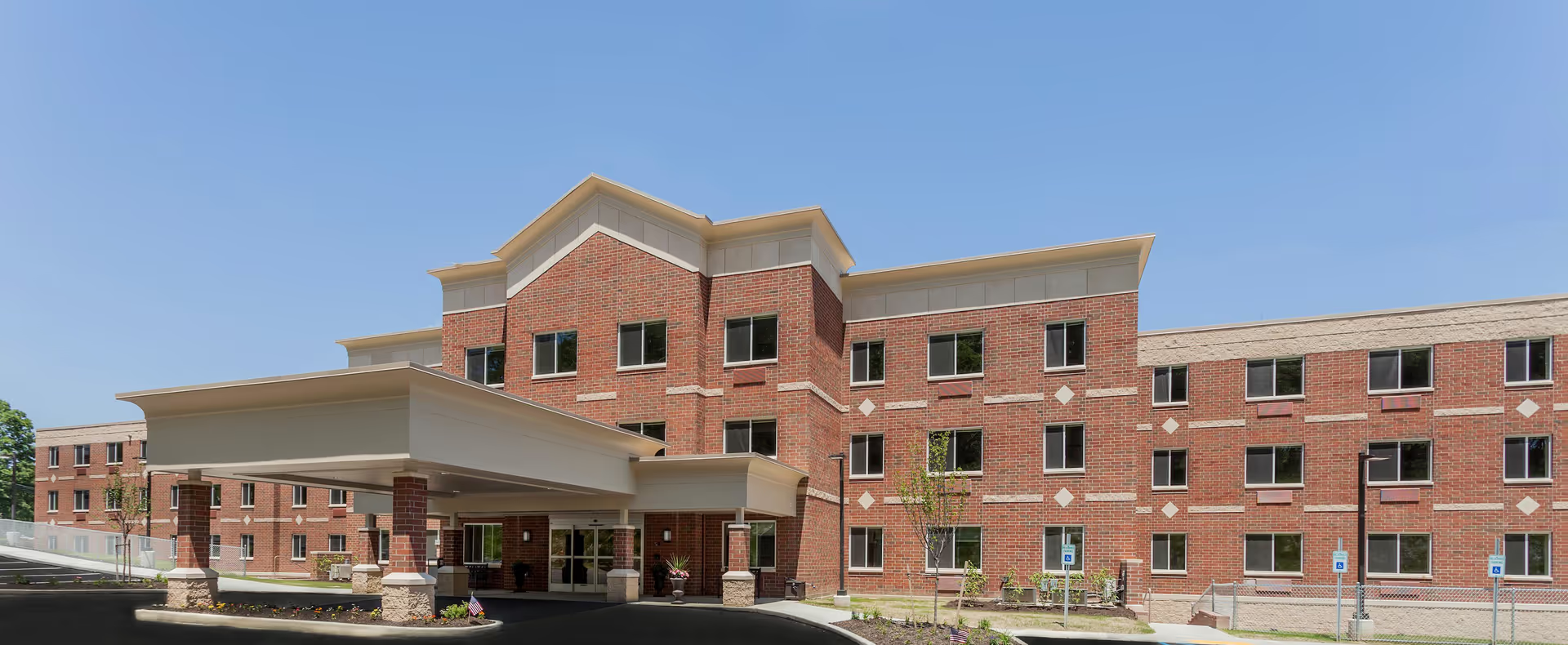
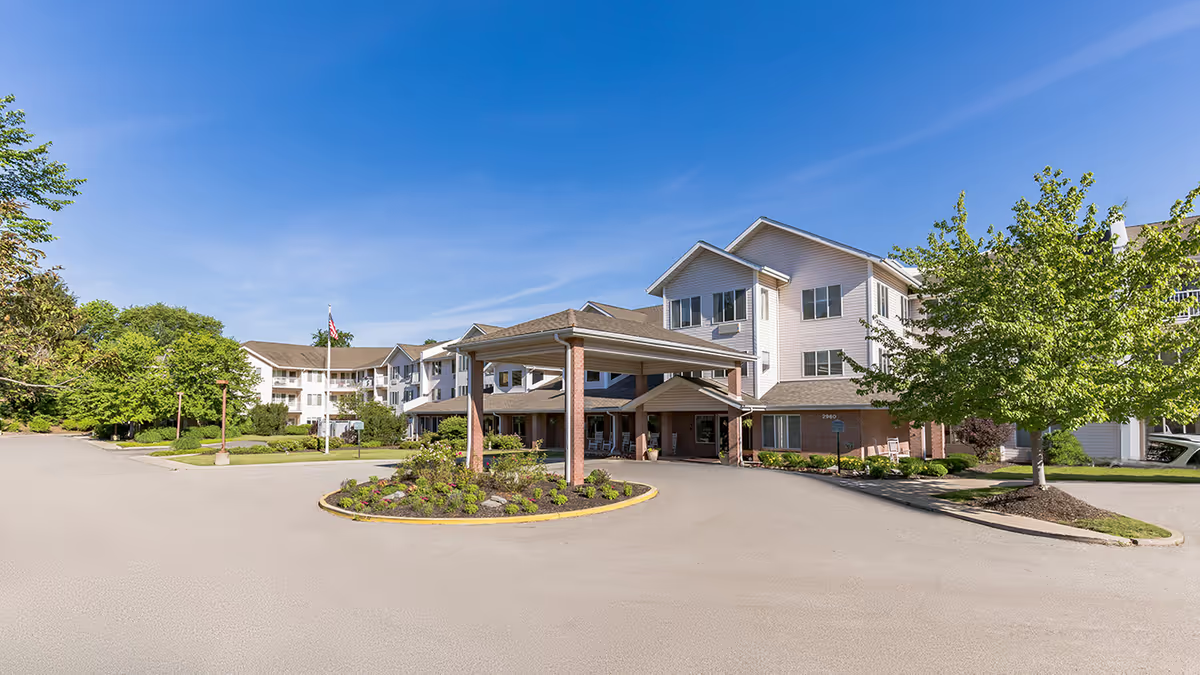
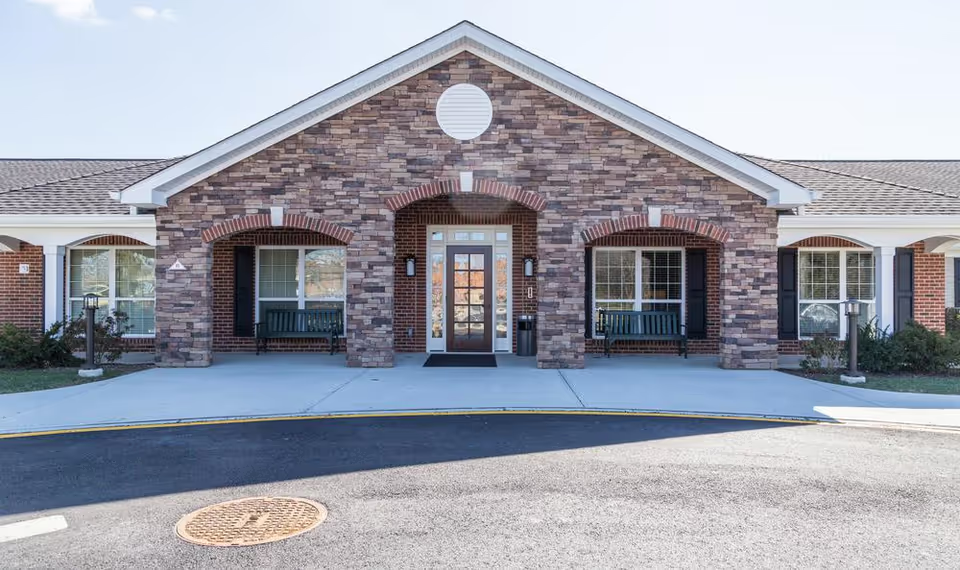
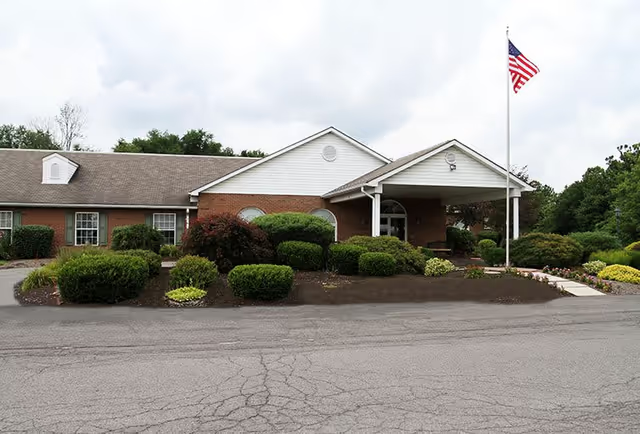
Facilities and environmental maintenance show contradictions. The building is described as older but accessible, with outdoor activities and communal events that some families valued. At the same time, there are sanitation concerns, odor concerns in some common areas, and pest-control issues reported by reviewers. Cleanliness and upkeep therefore appear to be inconsistent by area and shift.
Management and operational practices merit careful inquiry. Reports include examples of delayed reimbursement or billing problems, mishandling of personal items, and questions about documentation and readiness for inspections. There are also accounts of restrictive visitation practices during infection-control periods. Some families praised administrators who were helpful and supportive, but the overall pattern suggests variability in administrative responsiveness and operational controls.
Taken together, the reviews indicate that The Grove at Washington can deliver strong rehabilitation therapy and compassionate care in some instances, but also exhibits recurring operational weaknesses—particularly around staffing, medication management, communication, environmental maintenance, and documentation. Prospective residents and families should conduct an in-person tour, ask specific questions about staffing ratios, medication and allergy protocols, fall-prevention measures, infection- and pest-control programs, personal-item procedures, and visitation policies, and request recent inspection reports and references to assess consistency across shifts and units.