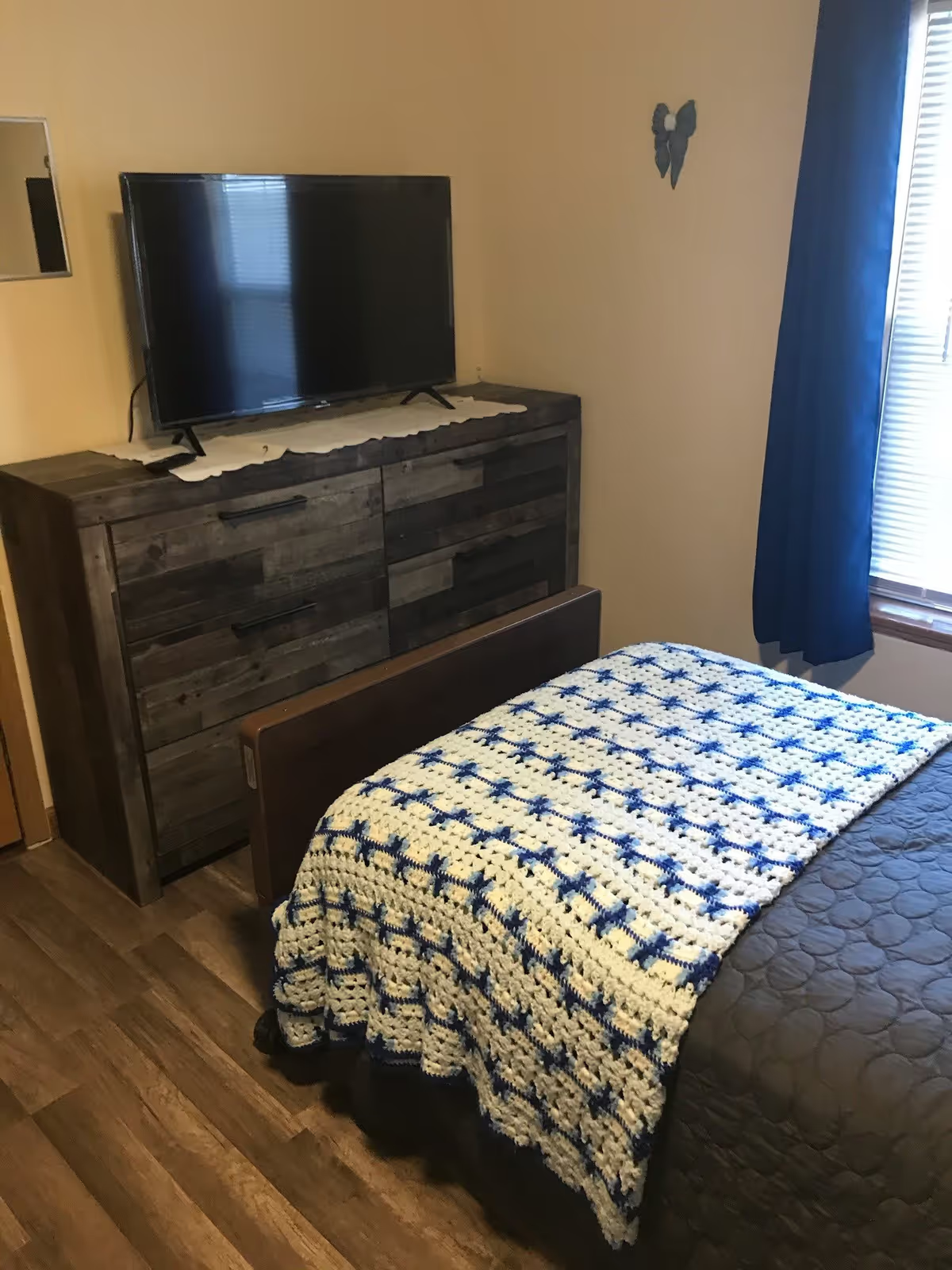
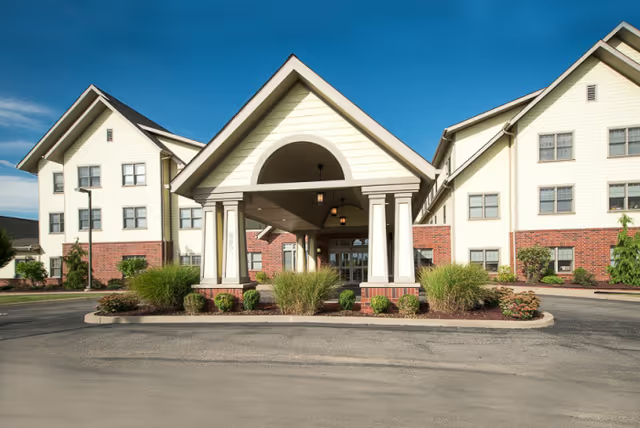
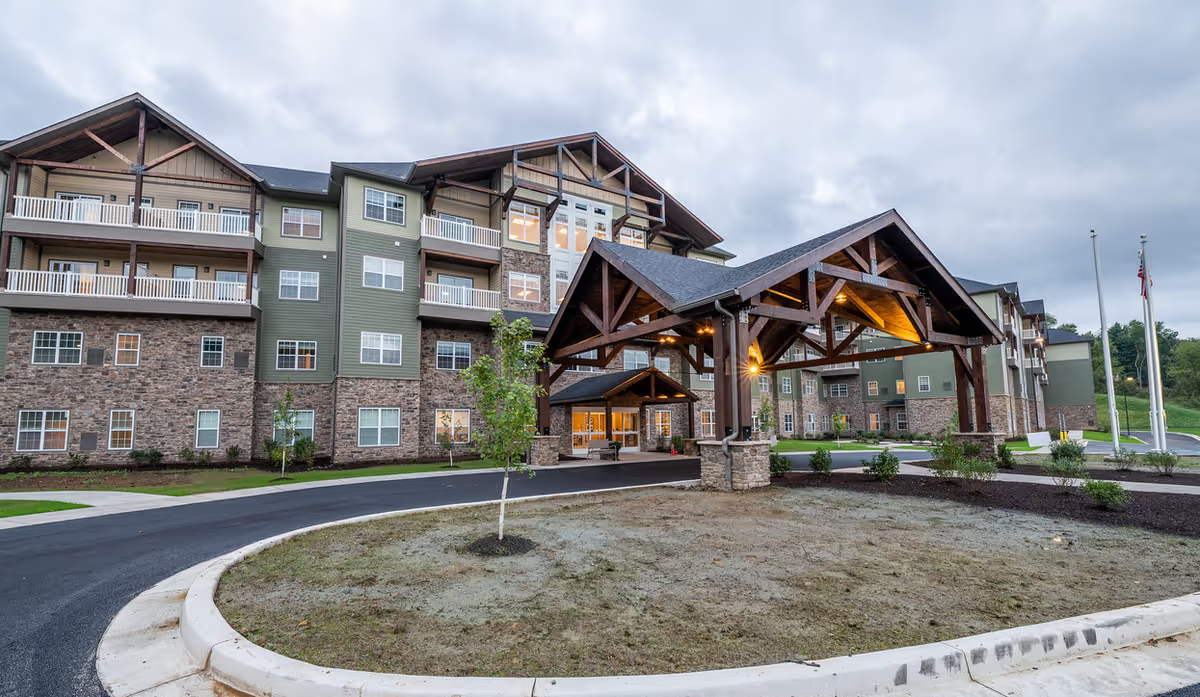
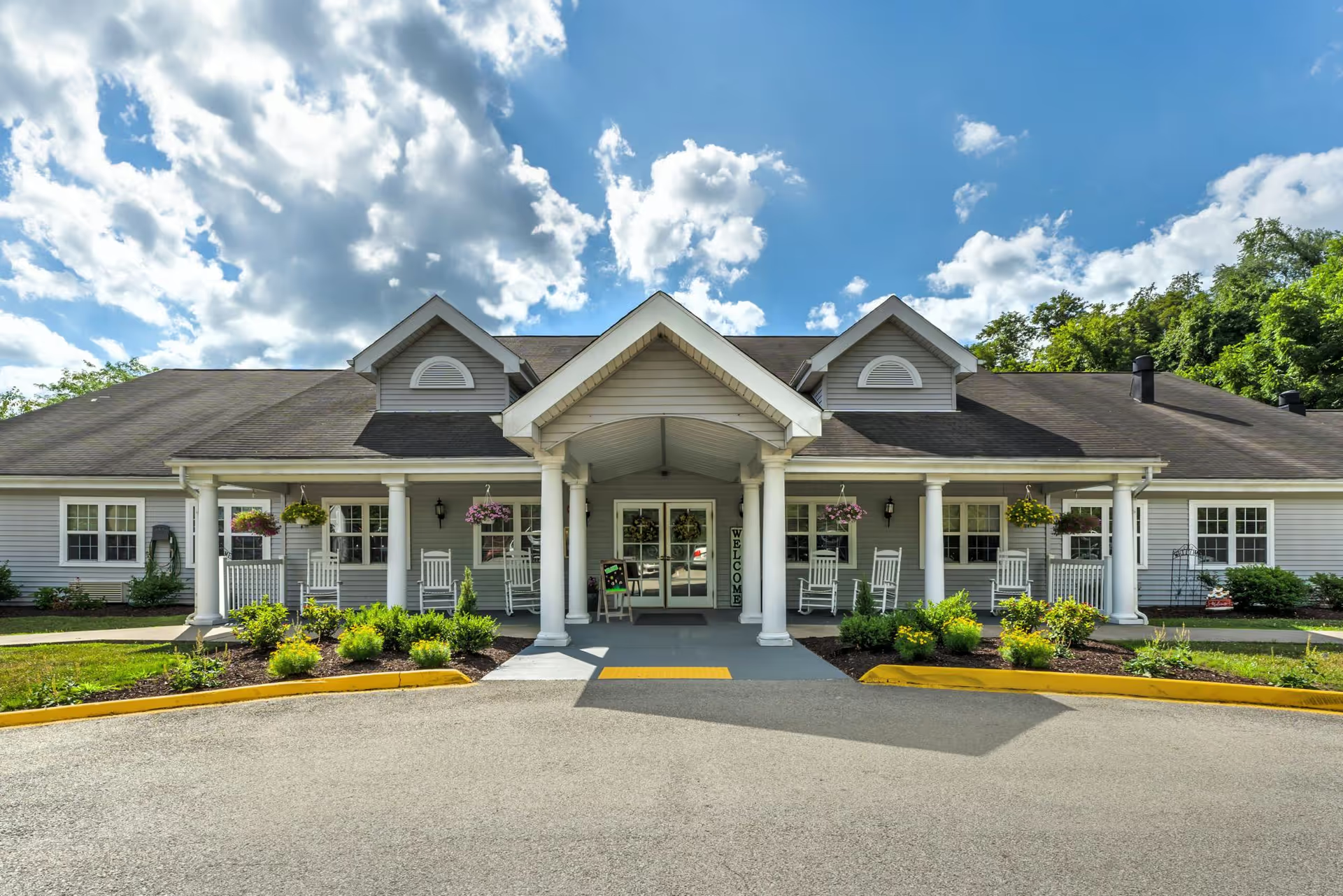
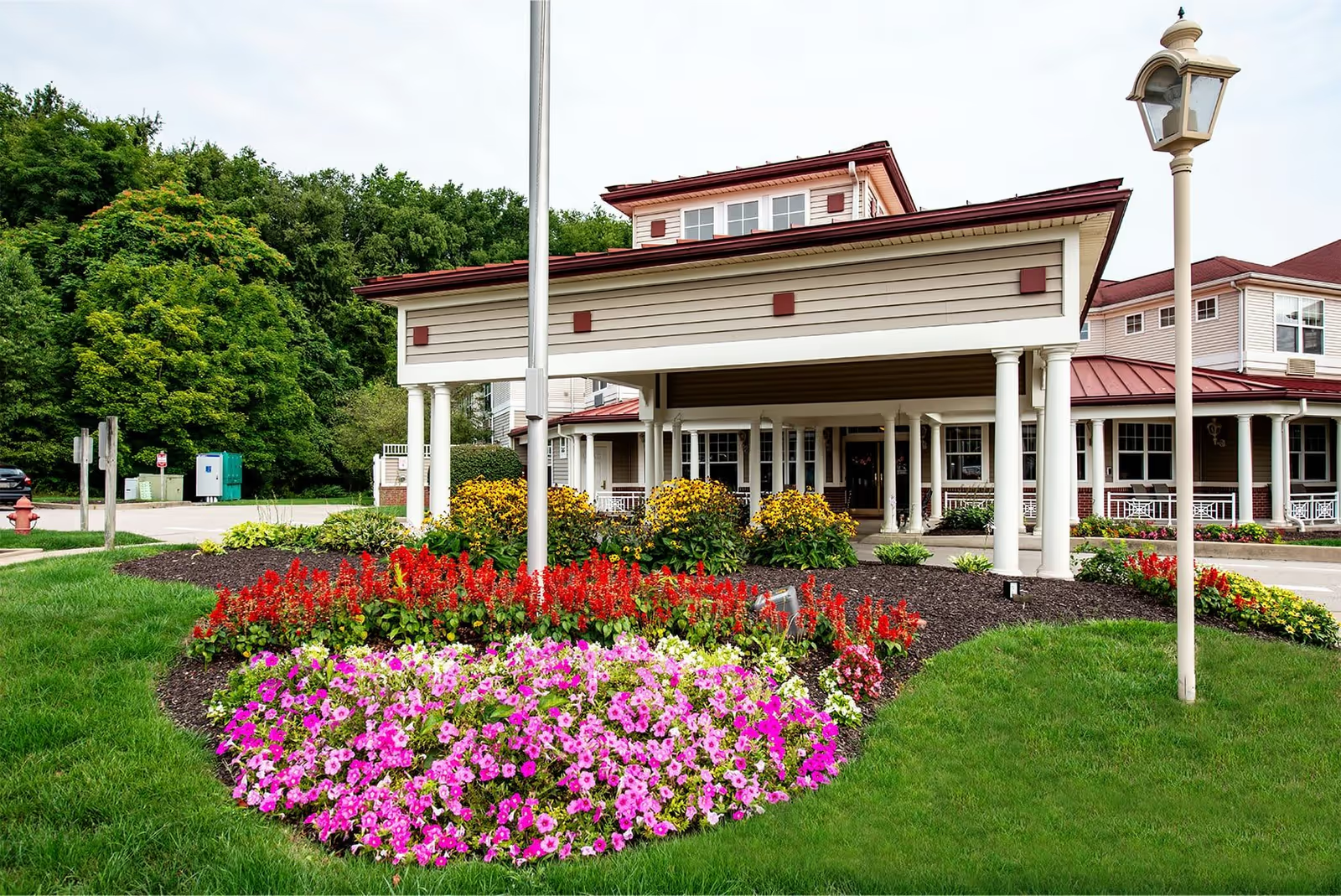
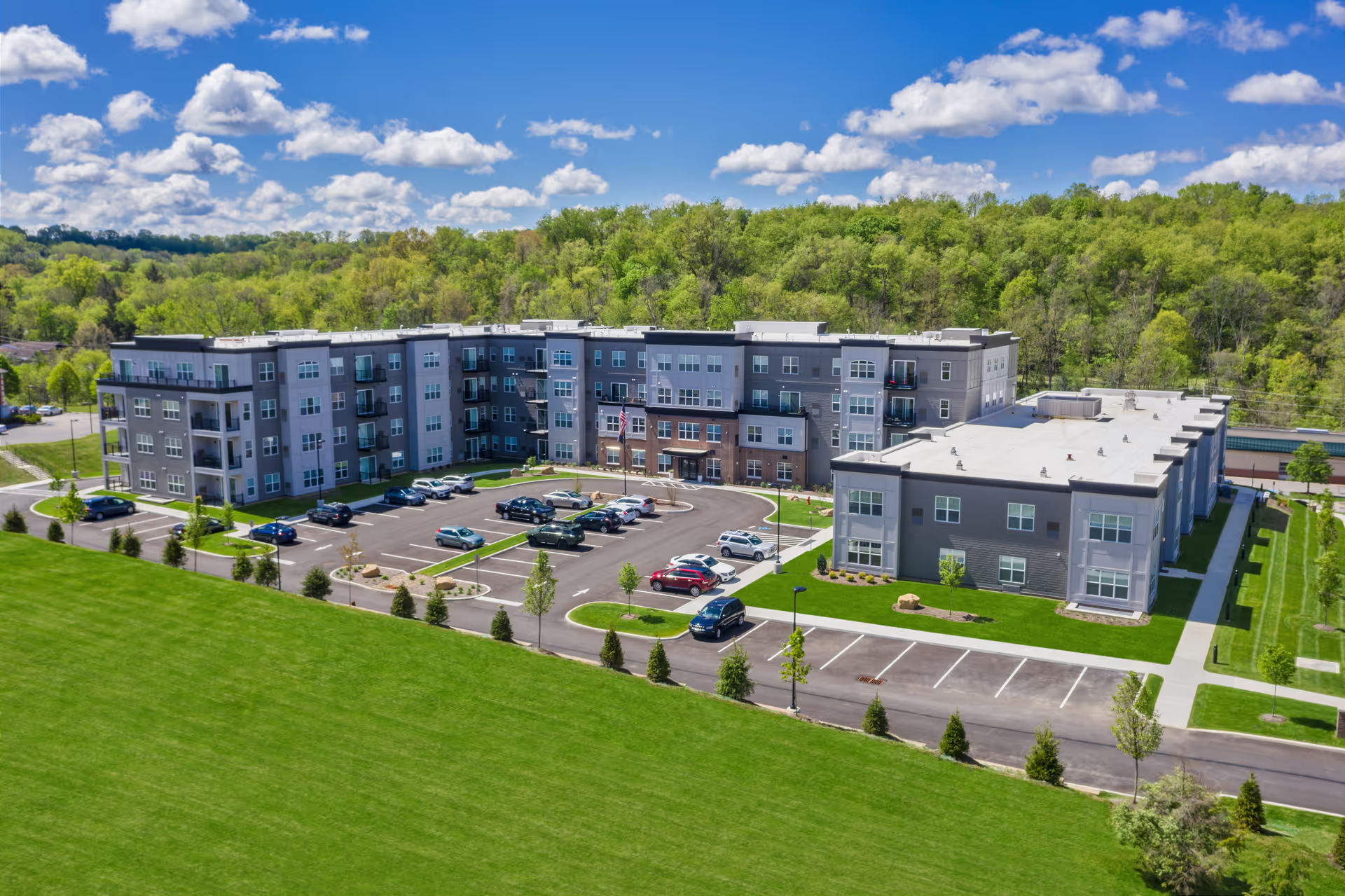
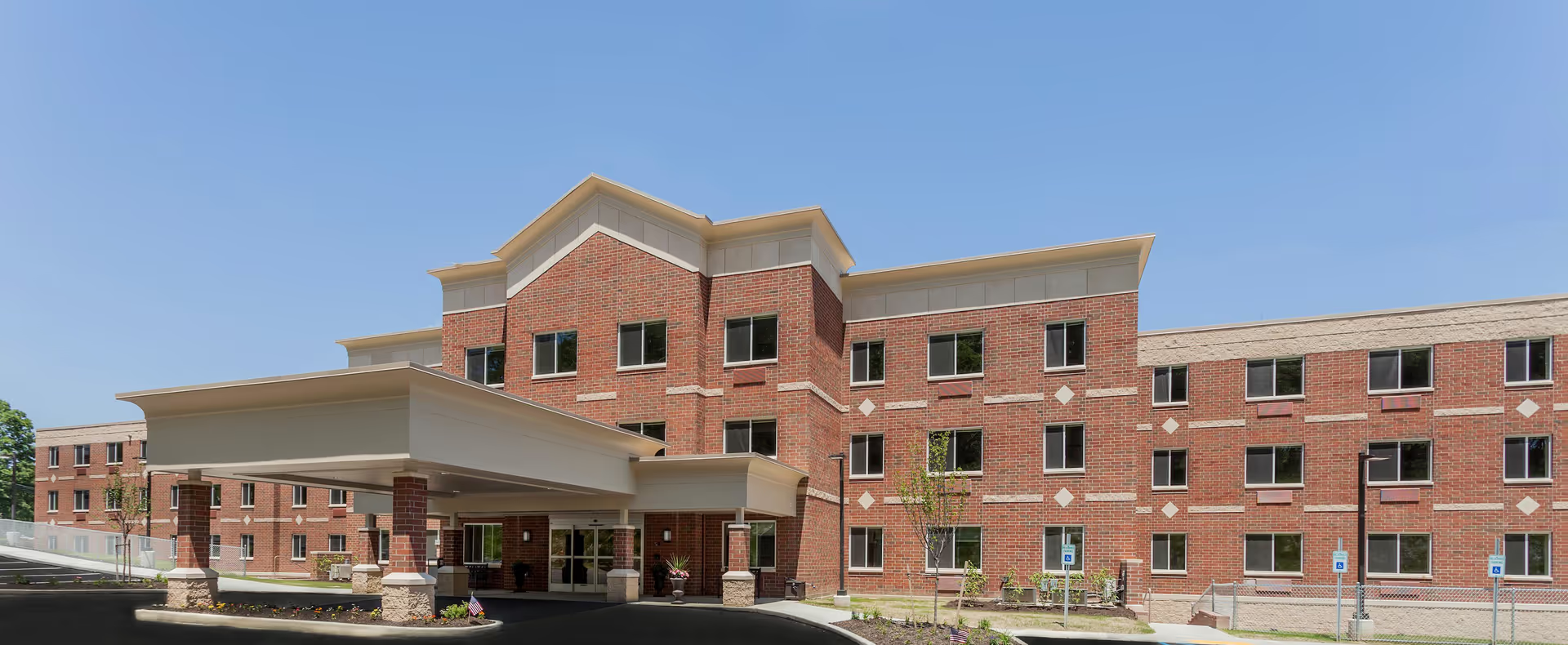
The reviews for Waynesburg Nursing and Rehabilitation present a mixed but actionable picture. Many families and visitors emphasize the strengths of the direct care team: nurses, CNAs, therapists and reception staff are frequently described as kind, attentive and relationship‑oriented. Reviewers commonly note a clean, well‑kept facility with a welcoming front desk, an active activities calendar (music sing‑alongs, Bible study and religious services), and a secure memory‑care unit. Several accounts highlight effective rehabilitation when therapy staff are engaged, and some families praise accessible administration and a hands‑on administrator who resolves issues.
At the same time, there are recurring operational concerns that prospective residents and families should assess. Reviewers describe inconsistent continuity of clinical services — notably missed or irregular physical/occupational therapy sessions — and isolated medication/IV administration errors. These items point to variability in clinical processes and a need for stronger medication-safety and therapy‑scheduling controls. Relatedly, some accounts cite delays in staff responsiveness to resident needs and variability in transfer and fall‑prevention practices, which suggest gaps in day‑to‑day care reliability.
Management and communication emerge as another polarizing area. While some families report responsive leadership and quick problem resolution, others raise concerns about unresponsiveness, harsh supervisory behavior, property‑handling and discharge coordination problems. A small number of reviews allege serious misconduct or dishonesty; these are significant and merit direct questions about incident reporting, investigation procedures and regulatory history when evaluating the facility. Ownership and procedural changes (for example, new visitor check‑in systems) have produced friction for some visitors — the facility’s technology and process changes may be convenient for some and confusing for others, particularly older visitors.
Dining and environmental observations are generally positive but variable. Several reviewers praise appetizing meals and a neat dining environment, while others describe declining or inconsistent food quality and occasional sanitation or localized odor concerns in parts of the building. Activities and spiritual programming are consistently noted as a strength and contribute to resident engagement and family reassurance.
Overall, the dominant pattern is one of strong, compassionate direct‑care staff and a well‑maintained physical environment tempered by operational inconsistencies in clinical processes, medication handling, communication and management stability. Prospective families should prioritize direct questions about therapy scheduling reliability, medication‑safety protocols, incident escalation and property safeguards, and observe a care shift to assess responsiveness and cleanliness before making placement decisions.