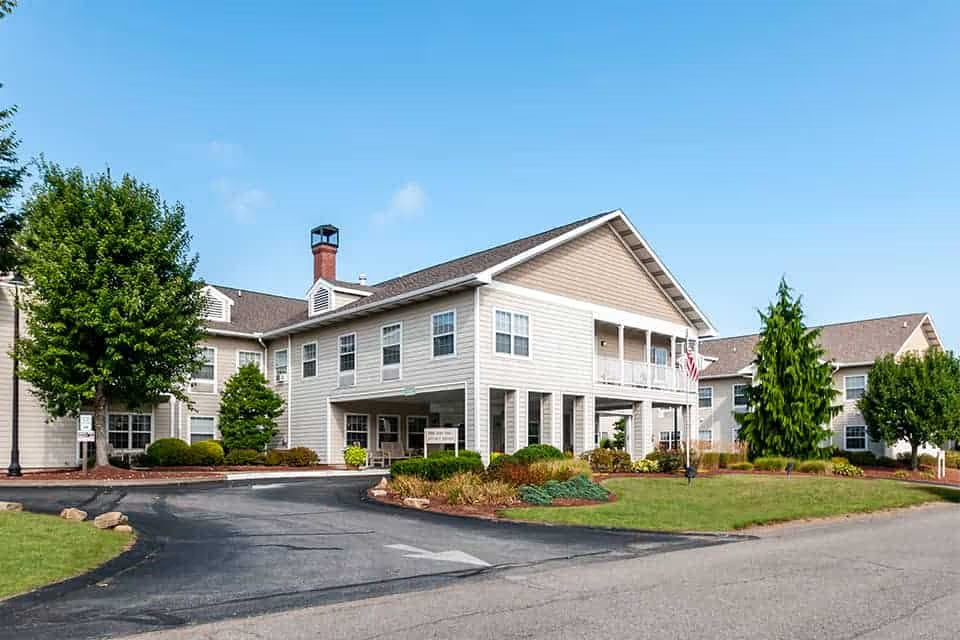
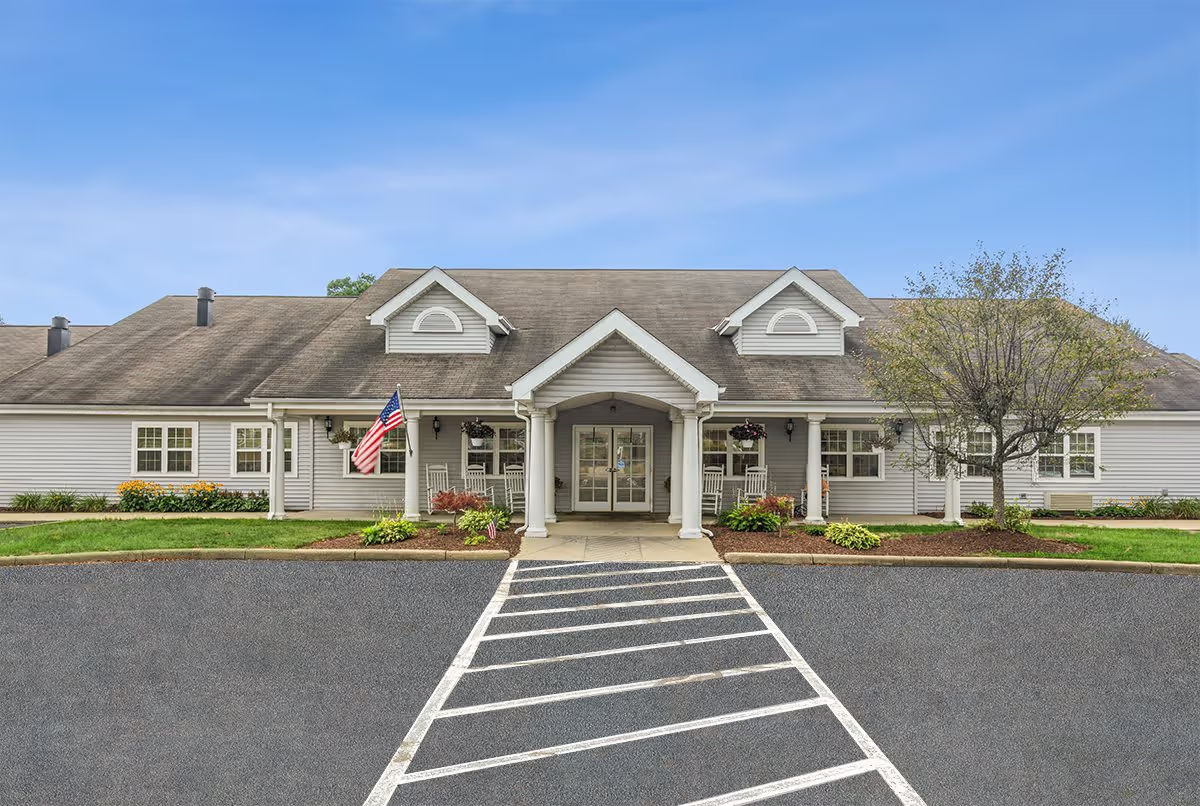
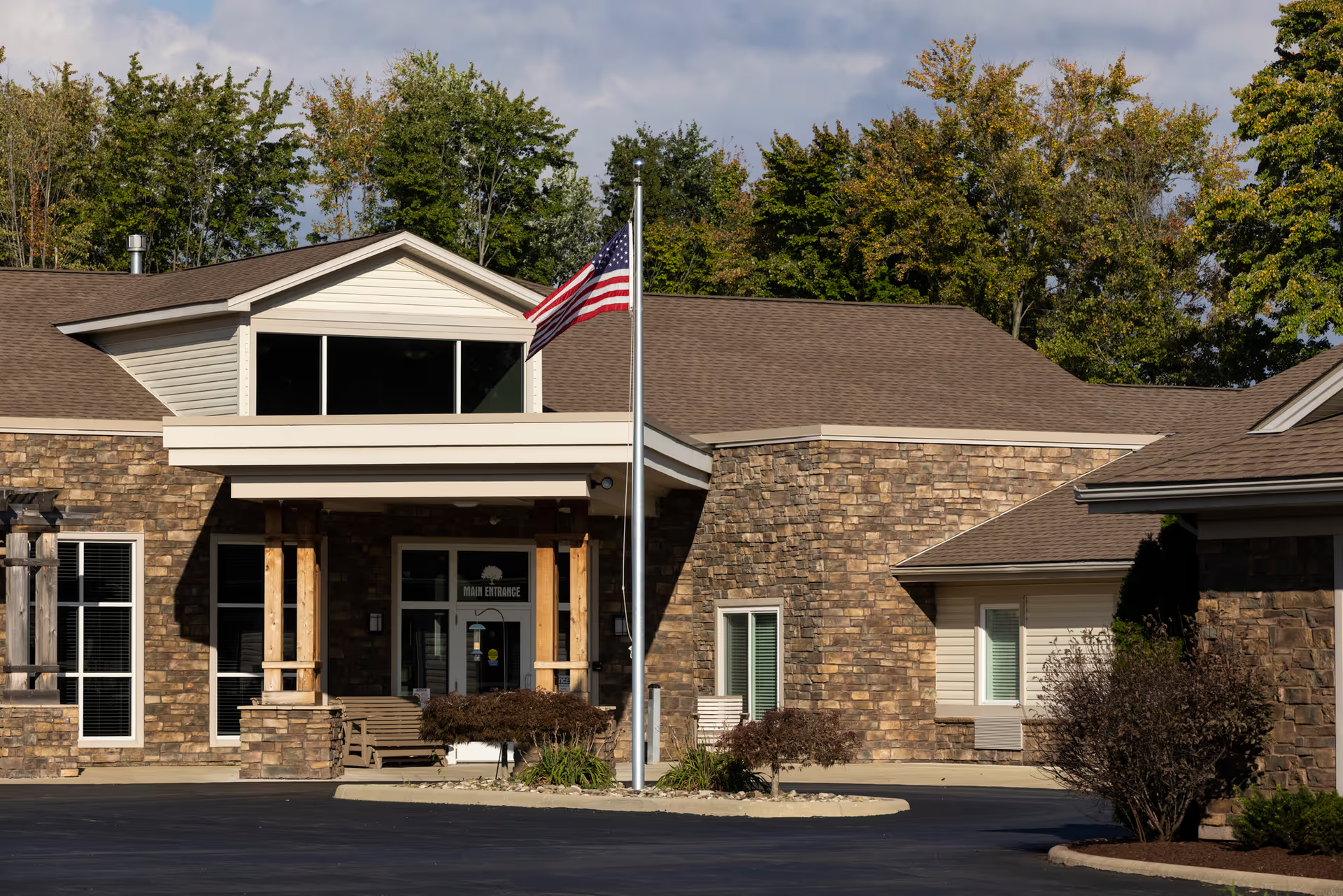
Quality Life Services - Grove City presents a mixed but informative picture for prospective residents and families. Many reviewers praise the facility for compassionate, attentive caregiving, accessible rehabilitation services, and a family-oriented culture. The physical environment is frequently described as clean and well-maintained, with private apartments that include kitchens and bathrooms, on-site laundry, and an on-site physician. Activity programming — including exercise, crafts, bingo, reminiscence groups, and community outings — is highlighted as a strength when available, and physical-therapy staff receive positive mention for rehabilitation successes.
Care and staffing are recurring themes with notable contrasts. Numerous comments describe nursing and CNA staff as going above and beyond, communicating promptly with families, and treating residents like family. These same areas are also the source of significant variability: reviewers described inconsistent responsiveness to call bells and care requests, occasional lapses in scheduled personal care, and concerns about medication or chronic-condition management. Several reviewers raised concerns about after-hours and weekend clinical responsiveness; these statements point to potential gaps in emergency coverage and escalation protocols rather than isolated scheduling problems.
Dining and housekeeping impressions are similarly mixed. Some families praised specific meals and the value of meal service, while others described inconsistent meal quality and an underwhelming breakfast offering. Housekeeping and laundry are generally present as services, but execution appears inconsistent across shifts — examples included missed linen changes and rooms that did not meet every family’s expectations. Sanitation and infection-control practices were specifically questioned in multiple accounts; these ranged from odor concerns in shared areas to more serious infection-related apprehensions. Prospective families should request current infection-control policies and recent inspection summaries.
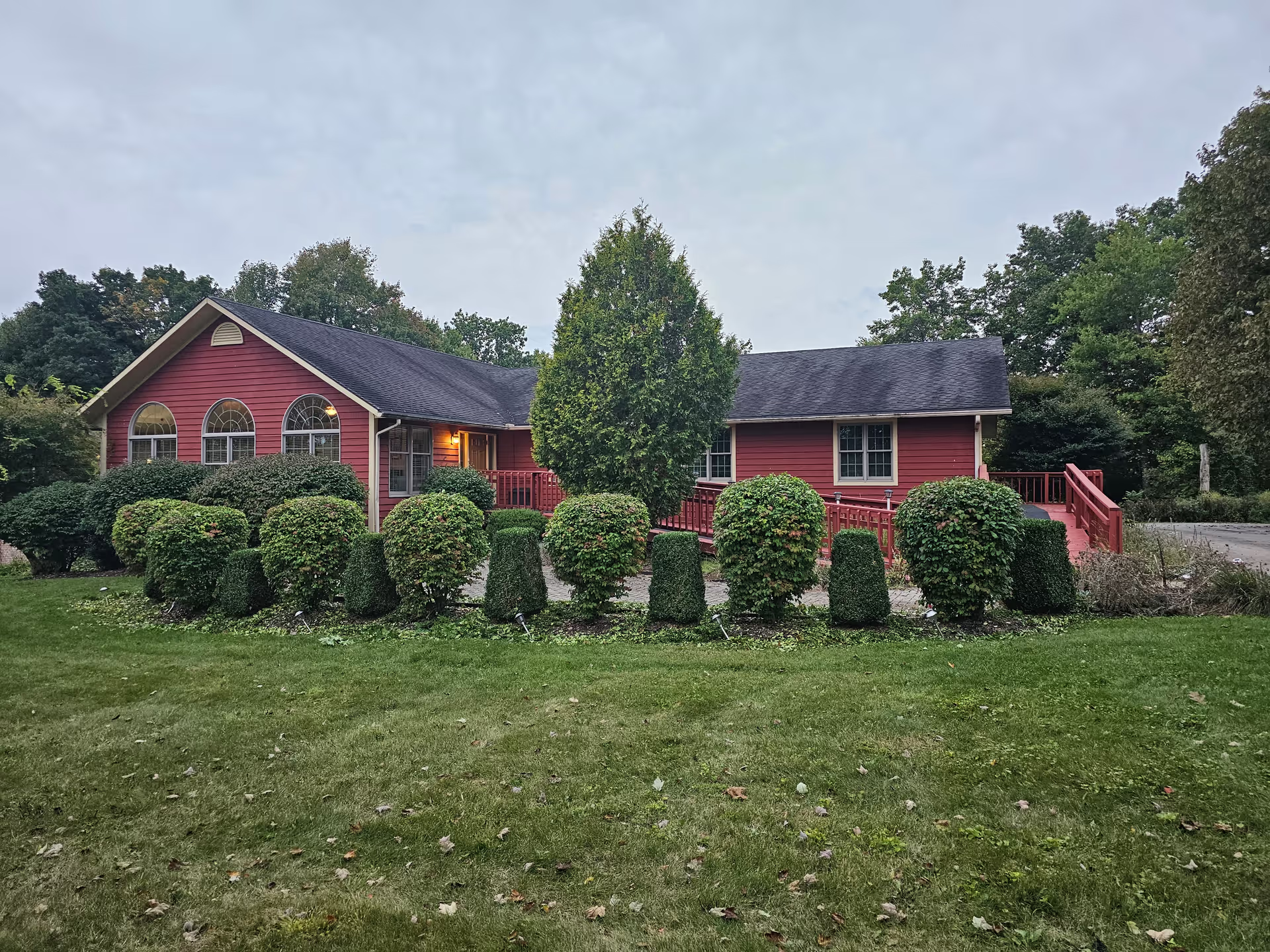
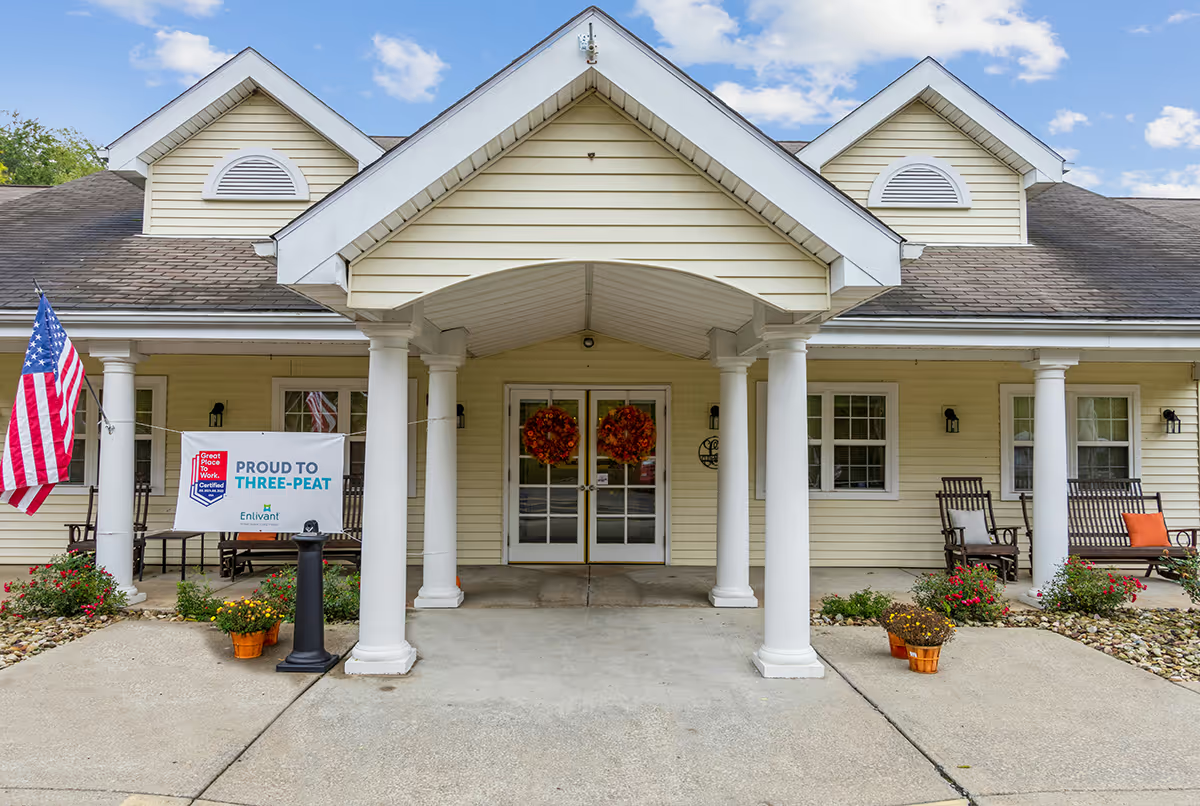
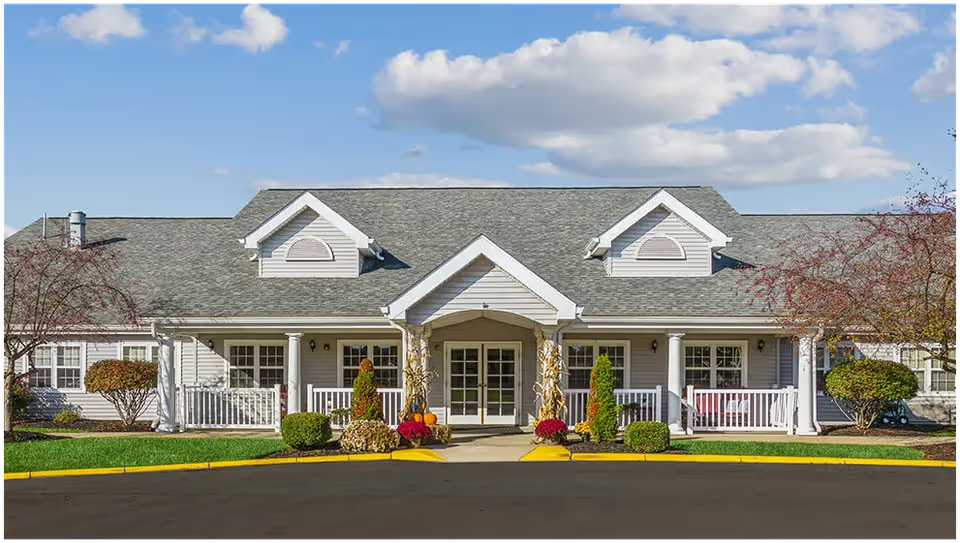
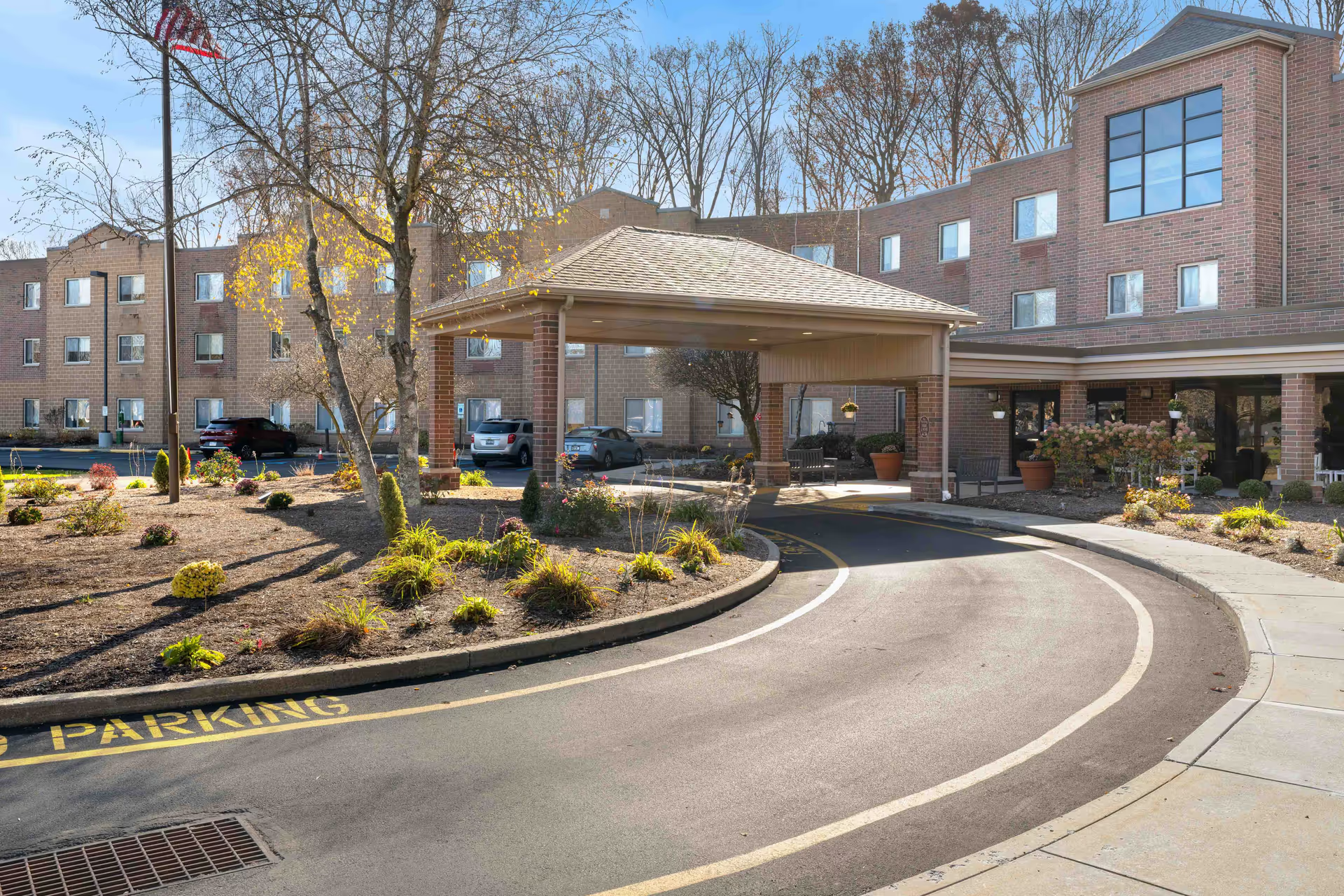
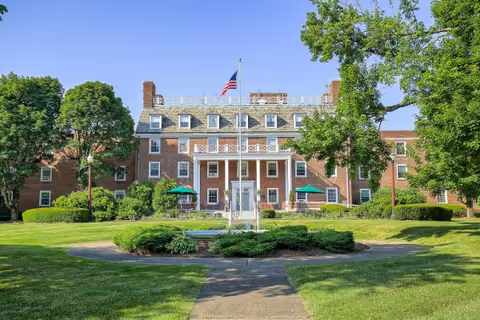
Facilities and programming offer both advantages and limits. The building is characterized as an older but pleasant facility with useful amenities such as an exercise room and therapy space. Community outings and special resident programs are a clear positive where actively supported. However, activity availability has at times been restricted by infection-control measures and lockdowns, which affected social programming and visitation flexibility. A small number of reviewers also noted reception/front-desk coverage and front-line administrative availability as inconsistent.
Safety, security, and management oversight are areas that warrant careful inquiry. Comments ranged from praise for attentive staff to serious concerns about security of personal property and isolated safety incidents; allegations of theft and other safety-related events were raised and, in at least a few instances, prompted families to file complaints. Combined with reports of inconsistent documentation and communication around clinical incidents, these patterns suggest the importance of confirming the facility’s incident-reporting procedures, staff training on safety and property safeguards, and access to supervision or administrative escalation.
In summary, the facility shows clear strengths in resident-centered culture, on-site clinical resources, rehabilitation services, and private accommodations. At the same time, reviewers consistently point to variability in operational reliability: responsiveness to care requests, infection-control consistency, meal and housekeeping quality, after-hours medical coverage, and security safeguards. Families considering this facility should arrange a tour, review recent state inspection reports, ask for metrics on call-bell response times and staffing ratios, review infection-control and emergency-response protocols, and request references from current families to assess consistency in the areas most important to their loved one.