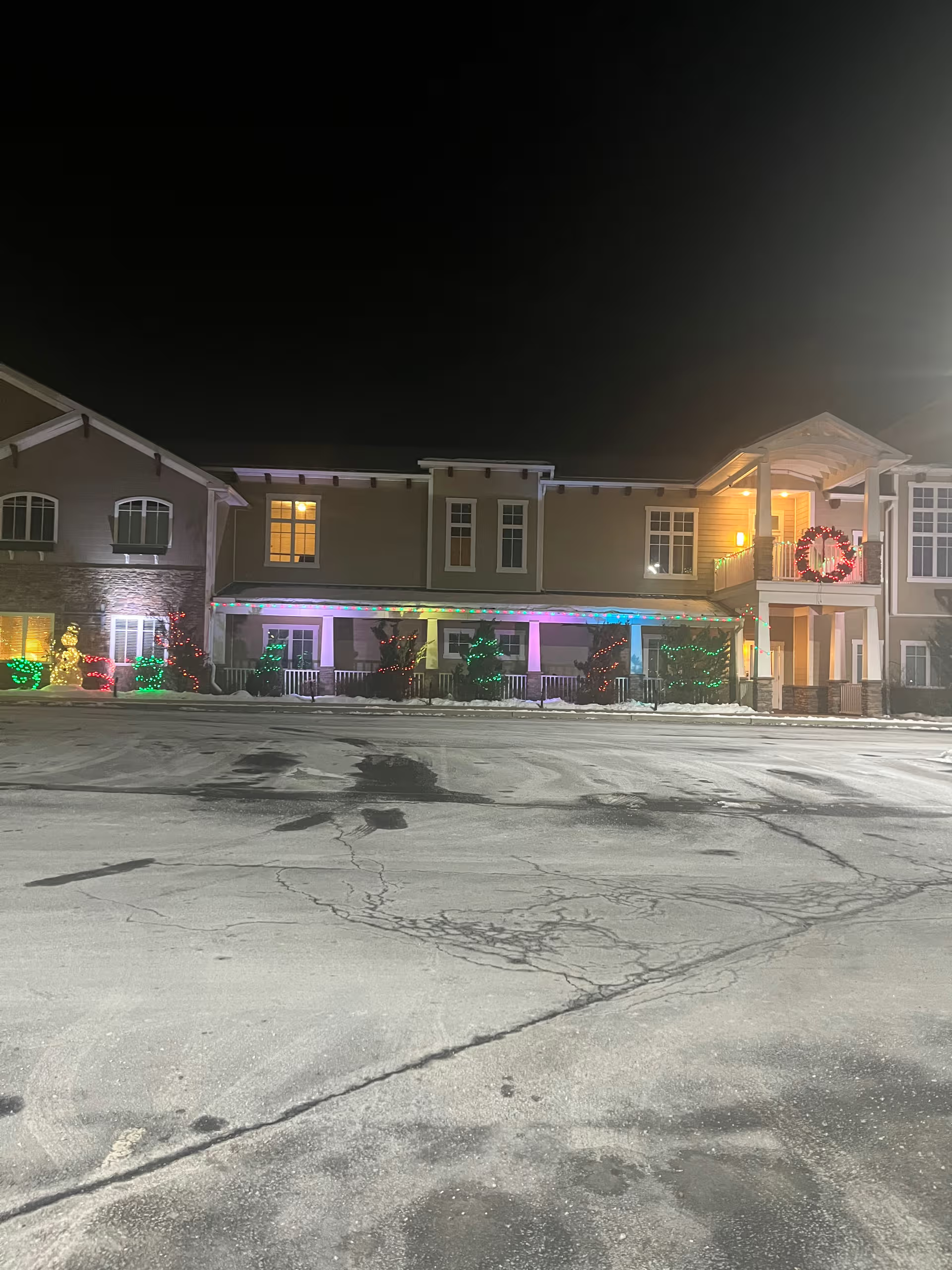
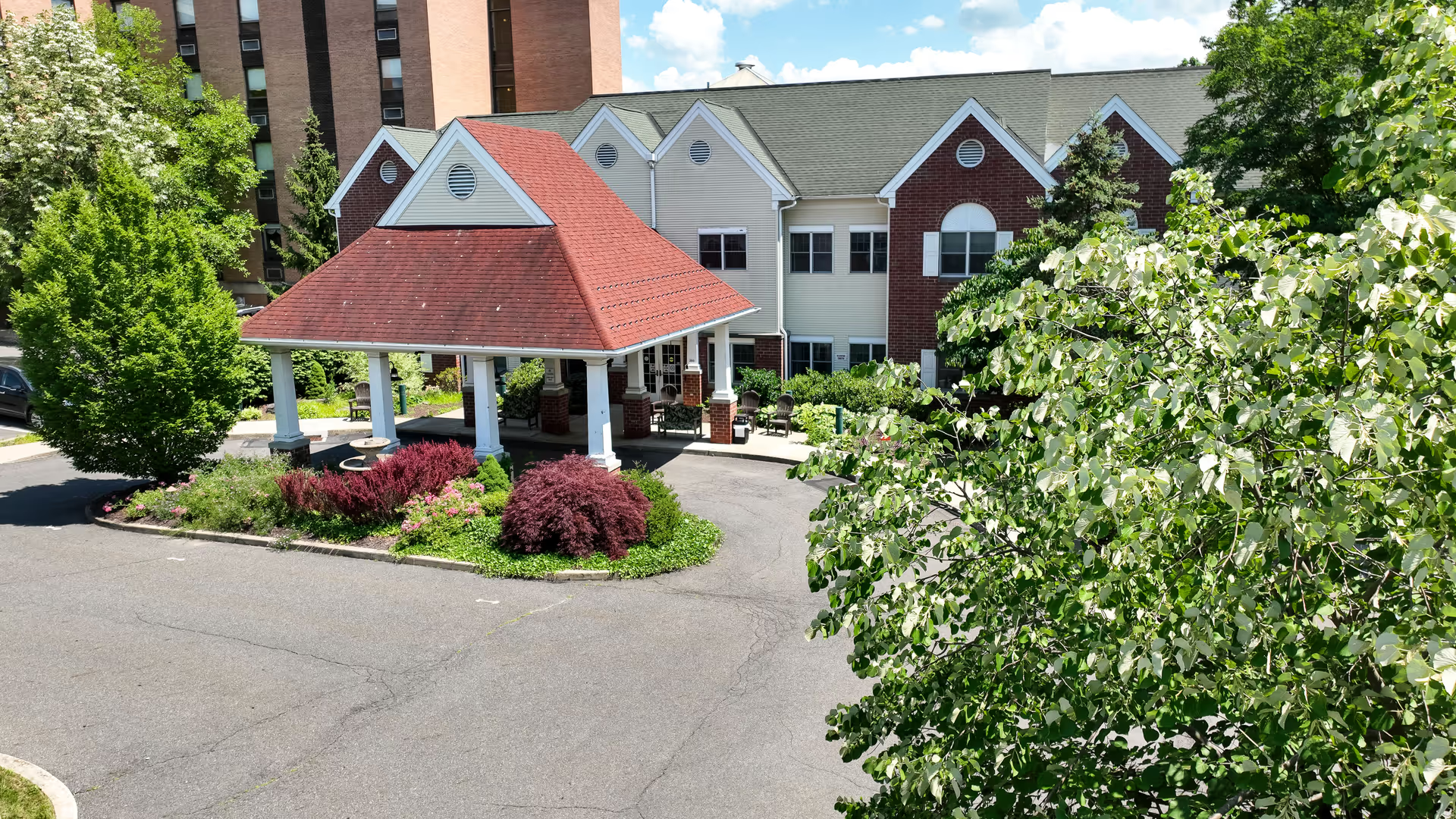
The reviews present a mixed but recurring pattern of strengths in direct care and therapy alongside operational and communication weaknesses. Positive comments consistently highlight caring, professional frontline staff and a strong therapy program: respiratory therapy, physical therapy, occupational therapy, and speech therapy are frequently praised, with the respiratory therapist singled out in several accounts. Many families described attentive nursing, respectful caregiving interactions, and a collaborative team culture that supports rehabilitation and daily living. Admissions and administrative staff are often characterized as supportive and easy to work with, and housekeeping and dining services receive numerous favorable remarks. Residents and families also reported meaningful activities, a welcoming atmosphere, and pet-friendly interactions.
Counterbalancing those positives are repeated concerns about facility operations and safety. Several reviewers noted inconsistent staffing levels that manifest as slow call-bell response times and a perception of overworked nursing staff. Night staffing and security coverage were specifically called out as insufficient in some accounts. Relatedly, reviewers described gaps in fall-prevention protocols (including absence of bed-alarm systems) and other safety practices that likely contributed to adverse events. There are also mentions of clinical issues such as inconsistent medication or treatment decisions, uneven clinician communication—particularly involving physician assistants—and episodic clinical incidents including pressure-injury and infection concerns.
Facility condition and supply-management emerged as another theme. While housekeeping receives praise in many comments, others described areas that appear run-down, along with occasional shortages of basic supplies. These notes suggest uneven maintenance and inventory-control practices across the building or over time. Rehabilitation services are a clear strength for many residents, but a subset of reviewers felt the rehab program was inadequate or inconsistently delivered for certain needs.
Management and communication issues are a recurrent pattern. Families described difficulty reaching staff by phone, voicemail-transfer problems, and slow or unhelpful administrative responsiveness. Some reviewers raised concerns about billing and insurance handling (including policies that affect placement duration and lack of a VA contract), which contributed to dissatisfaction with cost transparency. Finally, a few comments raised worries about training and infection-control practices (for example, glove use), indicating opportunities for targeted staff education and quality-improvement work.
For prospective residents and families, the facility appears to offer strong therapeutic services and a compassionate frontline staff that many families found reassuring. At the same time, it would be prudent to verify current staffing levels (including night coverage), fall-prevention measures, specific clinical oversight for the resident’s needs, supply availability, and billing/insurance policies during a tour and pre-admission discussion. Asking for recent quality indicators, staffing ratios, and examples of how the facility addresses clinical incidents and family communication will help clarify whether the operational concerns reflected in some reviews have been addressed.