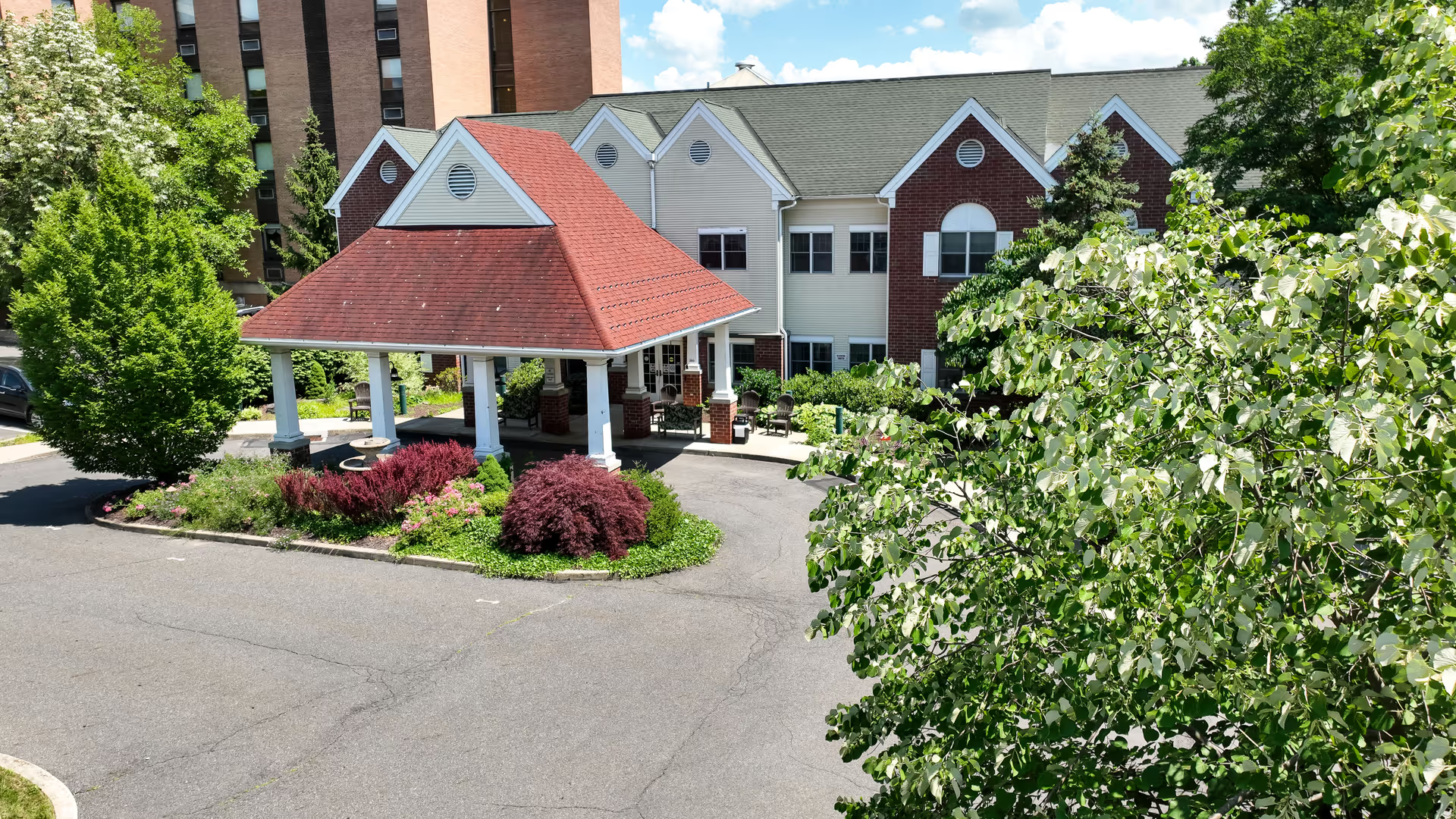
The reviews present a highly mixed picture of Riverstreet Manor: many families and residents praise individual staff members, therapy services, and the facility environment, while others describe significant operational problems that affect care continuity and safety. Positive comments repeatedly identify compassionate direct-care staff, strong physical and occupational therapy, a welcoming admissions experience, active activities programming, and attractive outdoor spaces. Several reviewers specifically cited therapists, nurse aides, and certain nurse leaders who provided attentive, respectful support and contributed to positive rehabilitation outcomes.
At the same time, a consistent pattern of operational weaknesses emerges. Staffing levels and shift-to-shift consistency are recurrent concerns; reviewers describe delayed responses to call bells, long waits for assistance with toileting and transfers, and periods when on-call medical escalation was not initiated promptly. These responsiveness gaps are often linked to medication-administration issues, missed or late medications, and concerns about wound-care follow-up and clinical coordination with hospitals or physicians. Several families raised serious worries about clinical management during transitions of care and end-of-life coordination.
Dining and dietary practices are also uneven. While some meals were described as nutritious and well-presented, others were characterized as below average or incorrectly served (including failure to observe NPO status or special diet/allergy needs). Reviewers noted inconsistent meal service timing and occasional lapses in allergy- and safety-related practices. Housekeeping and sanitation assessments vary: many praised clean, organized areas and well-kept grounds, yet there are repeated sanitation and pest-control concerns and occasional odor issues reported in parts of the facility.
Staff conduct and communication present a split picture. Numerous reviews commend specific employees for professionalism, warmth, and clinical skill; conversely, other reviews describe aides or nurses who were perceived as curt, unresponsive, or unprofessional. This variability often aligns with particular shifts or use of contract weekend staff. Management and family communication produced mixed impressions as well: admissions and certain administrators were praised, but several families reported grievances that they felt were not addressed, instances of poor privacy/HIPAA practice, and at least a few allegations concerning missing belongings and unauthorized financial actions that warrant careful attention.
Activities, therapy, and some aspects of the physical plant are strengths: therapy sessions, social programming, and outdoor spaces were repeatedly noted as beneficial to resident well-being. Overall, the dominant pattern is one of uneven implementation — pockets of high-quality, person-centered care exist alongside operational failures that can materially affect resident safety and family confidence. Prospective residents and families should consider asking targeted questions about staffing ratios and consistency, call‑bell response metrics, wound-care and medication oversight, dietary/allergy protocols, pest-control and sanitation routines, and the facility’s procedures for belongings, financial transactions, and family communication before admission.