The review set is mixed, with a clear split between positive, person‑centered experiences and serious operational concerns. Many families highlight compassionate nursing and aide care, timely responses to call buttons in numerous instances, proactive communication from specific members of the care team, and effective coordination of appointments and outside care. Maintenance responsiveness and the availability of snacks and complimentary coffee were noted as practical conveniences. Several accounts also describe effective daily therapy and rehabilitation services that supported recovery.
Conversely, a recurring theme is inconsistency. Staffing levels and staff mix appear variable across shifts; several comments describe reliance on agency or temporary personnel and associated variability in familiarity with residents and procedures. That variability links to reports of slower responses at times, concerns about clinical monitoring (for example, vital‑sign checks and medication oversight), and gaps in continuity after clinical events. A small number of reviews raise concerns following a resident's death and other adverse events; those accounts highlight the importance of clear clinical‑incident response and family communication systems.
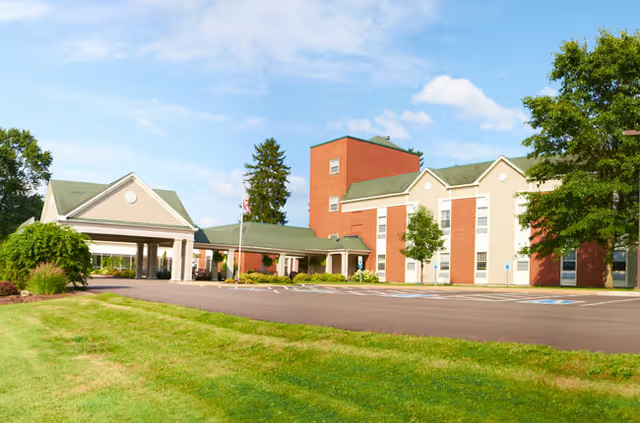
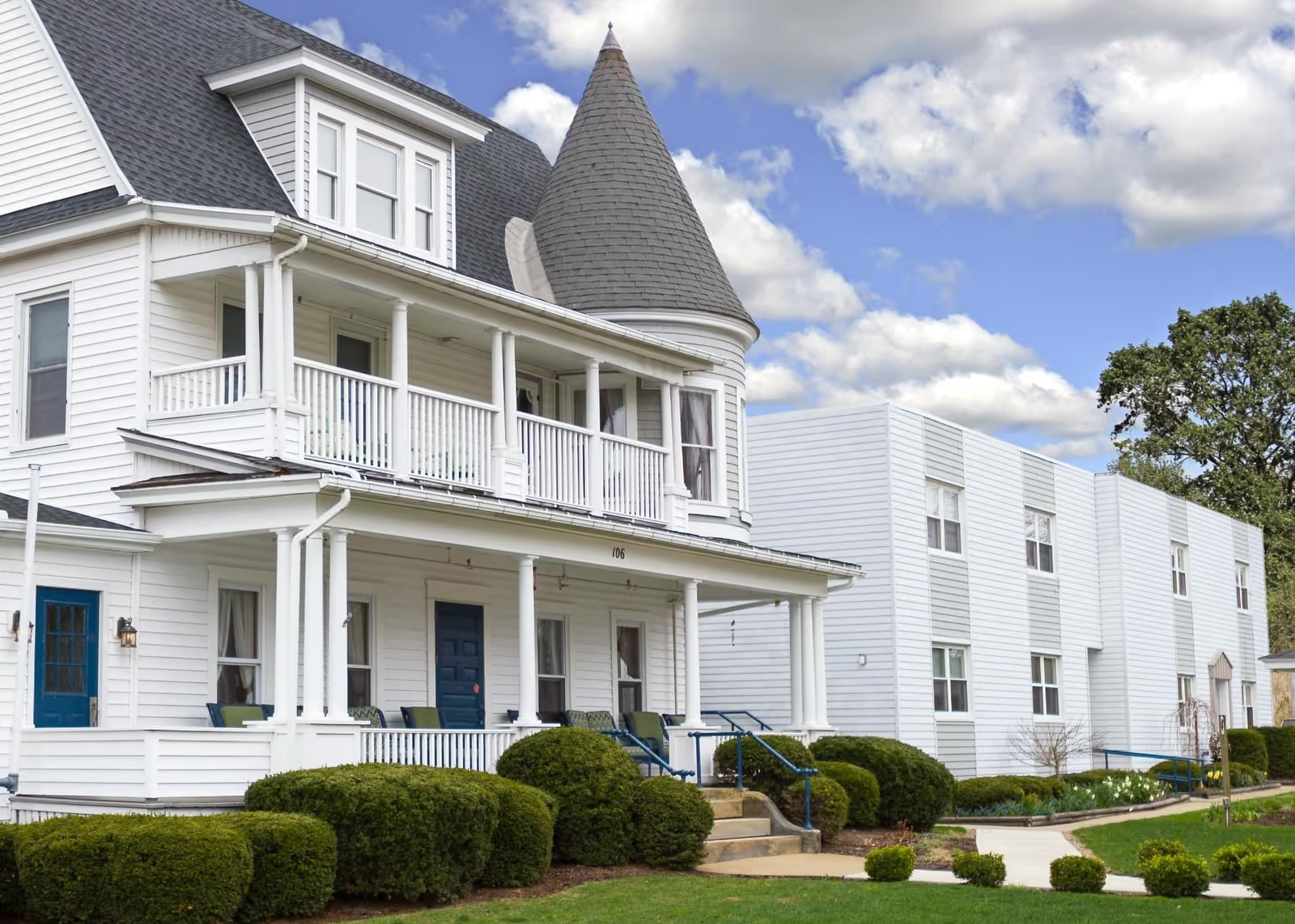
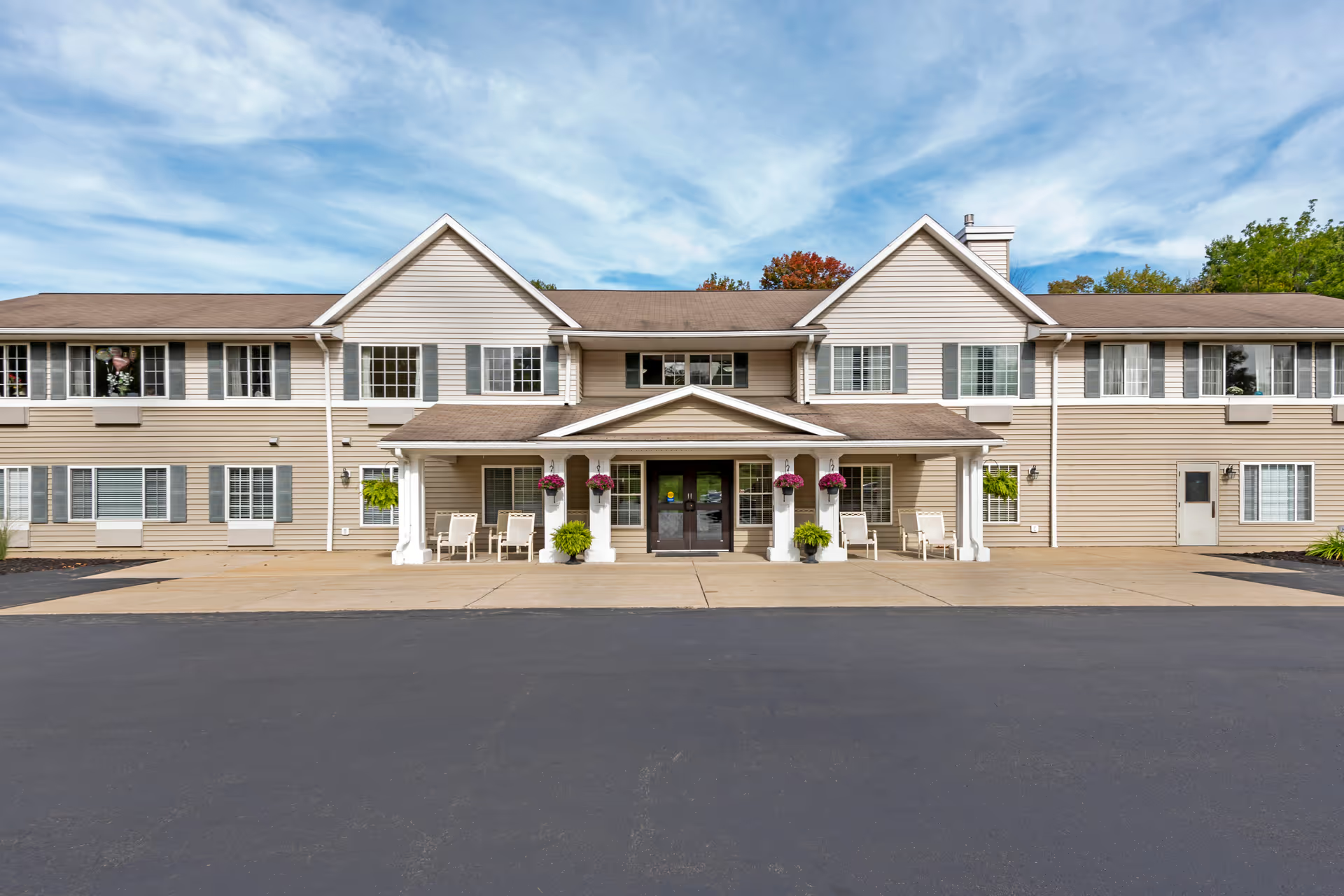
Facility condition and environmental issues are similarly mixed. Some families commented that resident rooms were tidy and the facility seemed well maintained, while others described sanitation and odor concerns in communal spaces and areas where cleaning practice appeared inconsistent. Furnishings and decor were described as worn or scratched in some areas, which contributes to a less welcoming atmosphere for some visitors. Maintenance staff were, however, praised when repairs were completed promptly.
Programming and front‑line conduct also vary. Several reviewers appreciated daily activities and the sense that staff became like an extended family. Others reported limited activity offerings and raised concerns about front‑desk/reception interactions and staff conduct or gossip that affected family experience. These differences suggest that the day‑to‑day culture can differ by unit or shift.
What stands out is the polarization of experiences: there are accounts of high‑quality, attentive care and positive rehabilitation outcomes, and there are accounts describing operational gaps that materially affected families' confidence. Prospective residents and families should plan an in‑person visit, asking specific questions about current staffing ratios by shift, frequency of agency staff use, clinical monitoring protocols (vitals and medication administration), infection‑control and cleaning practices, activity schedules, and the facility's approach to communicating with families after clinical incidents. Meeting the nurse manager, touring both resident rooms and common areas, and requesting recent state inspection or staffing records will help form a clearer picture of whether this facility's strengths match your priorities.