Franklin Court presents a mixed but actionable profile for prospective residents and families. Strengths include a robust social program, clear dining flexibility, and a generally well-maintained, attractive interior. The community offers structured engagement (a full activity program and a buddy system), on-site amenities such as a library and chapel, and some larger room options with in-room kitchenettes. Several reviewers praised staff who are friendly and supportive, and noted that some residents acclimate well and enjoy dining in the communal dining room. Financial accessibility is also a feature, with pricing described as affordable and potential Medicaid eligibility pathways mentioned.
Care quality shows both positives and concerns. The facility advertises 60 minutes of personal-care time included, and many families described staff who assist with transitions and provide attentive, compassionate help. At the same time, there are operational indicators of limited direct-care coverage at certain times (examples given included minimal CNA coverage on some shifts). This suggests variability in day-to-day staffing levels that could affect response times and individualized care, so asking about current staffing ratios and typical shift coverage is prudent.
Dining and food services are a notable area of mixed feedback. The dining room environment and menu selections were praised by several visitors, and in-room tray service is available for residents who prefer it. However, there are recurring comments about inconsistent meal quality and choices that some found underwhelming. Prospective families should sample meals during a tour and inquire about menu planning, special-diet accommodations, and how culinary feedback is incorporated.
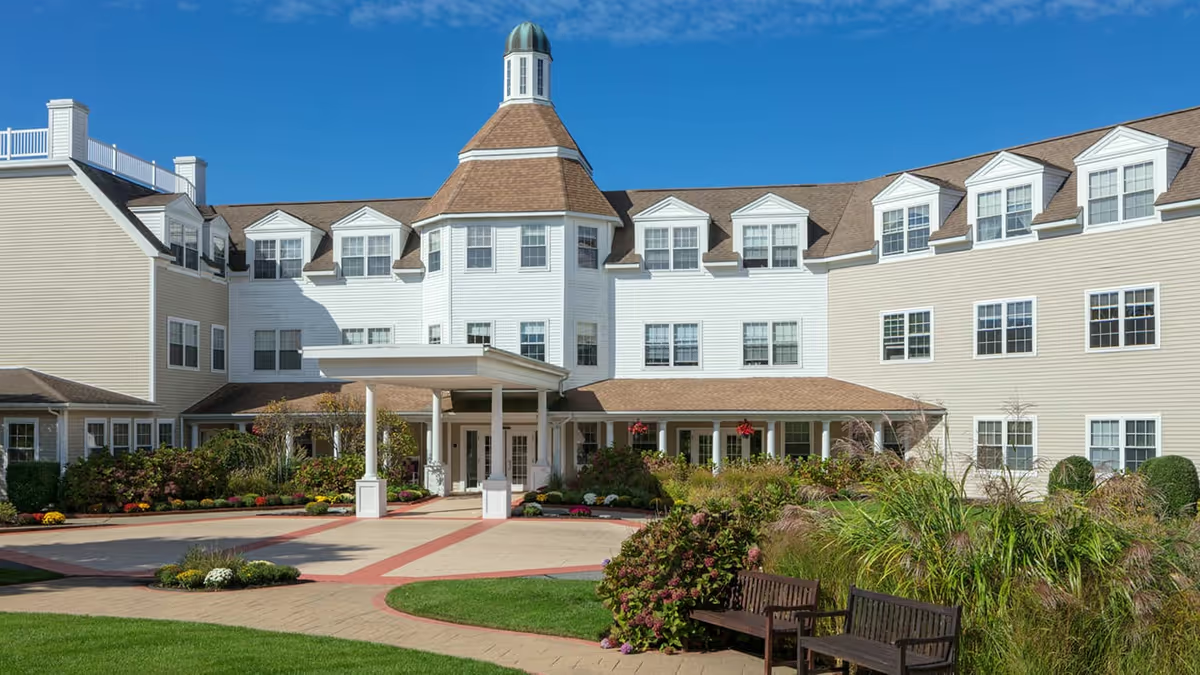
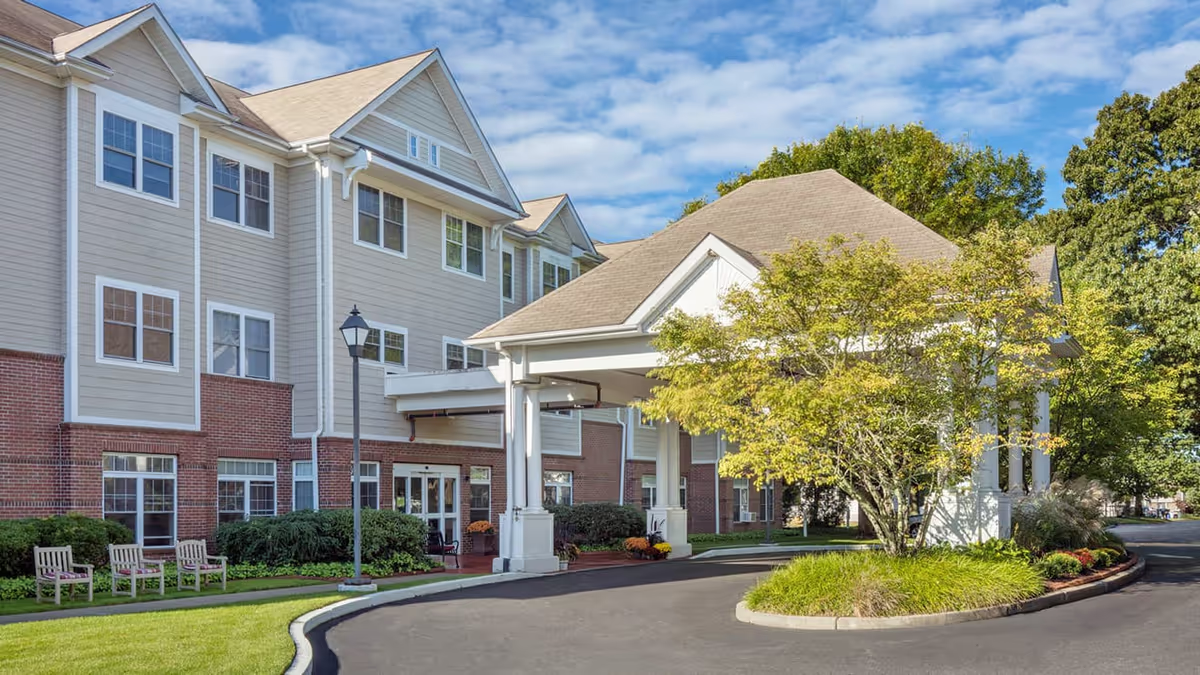
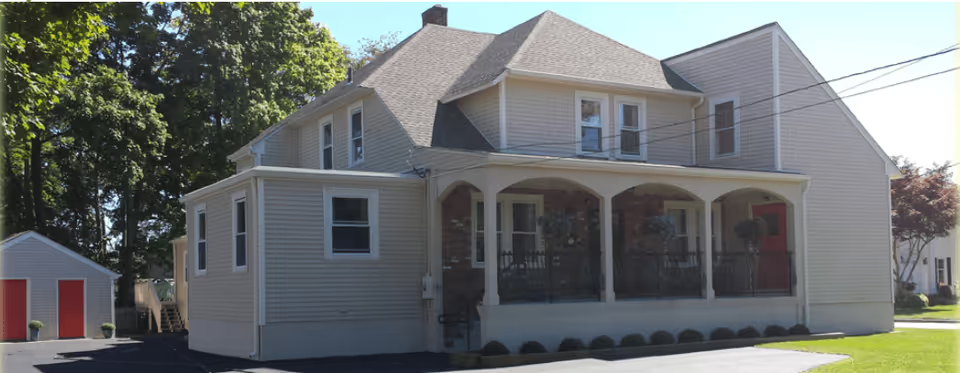
Facilities and aesthetic considerations are also split. Reviewers consistently describe an attractive, well-kept interior and grounds, but note that the exterior curb appeal is lacking and can appear industrial. Unit sizes vary, with some studios characterized as very small; others reported very large rooms with separated sleeping areas. Confirming specific floor plans and seeing the exact unit being offered will help set realistic expectations.
Management and workplace culture emerged as an area to review closely. There are comments indicating perceived decline over time and concerns about clinical leadership and staff-treatment practices. These range from requests for more compassionate clinical direction to observations about employee morale. Additionally, communication around occupancy and Medicaid eligibility was described as unclear by some families. When evaluating the community, ask about current clinical leadership, staff turnover rates, employee training, and the process for confirming Medicaid acceptance and bed availability.
Overall, Franklin Court may suit residents who value an active social program, an attractive interior environment, and flexible dining options at an affordable price point. Key due-diligence steps before a decision are: tour the exact unit offered, observe meal service at mealtime, request current staffing ratios and turnover data, speak with the nurse or medical director about clinical oversight, and get written clarification on Medicaid eligibility and move-in support. These targeted questions will help determine whether the community’s strengths align with an individual resident’s needs and expectations.