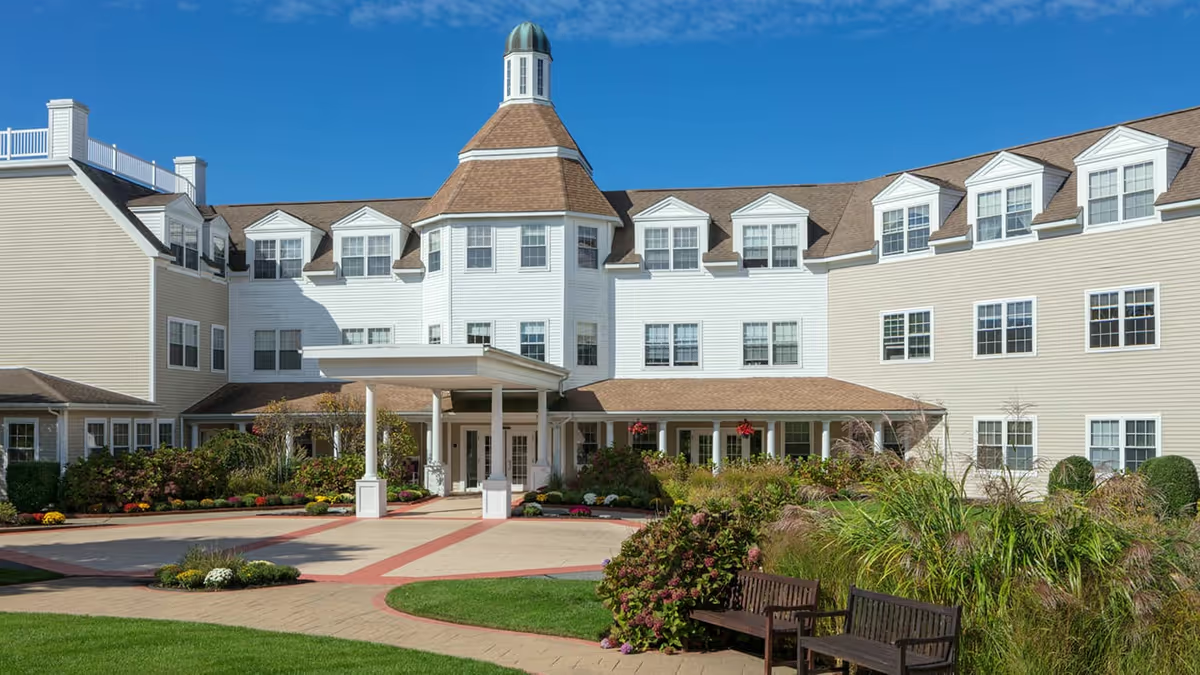
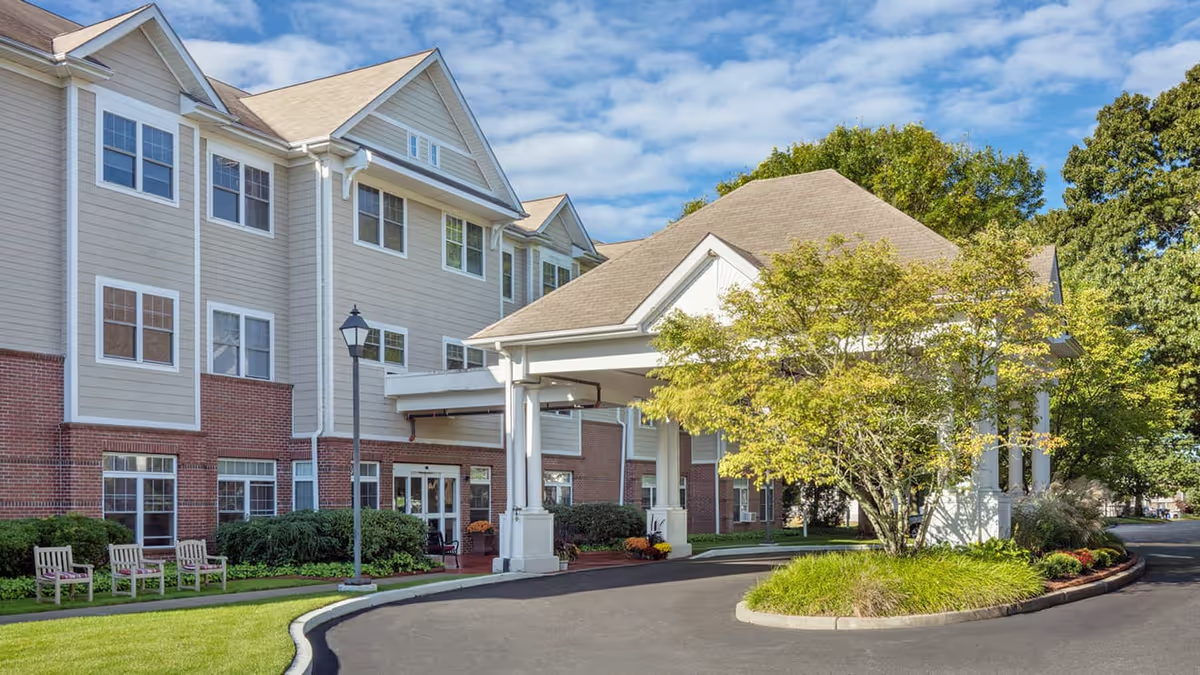
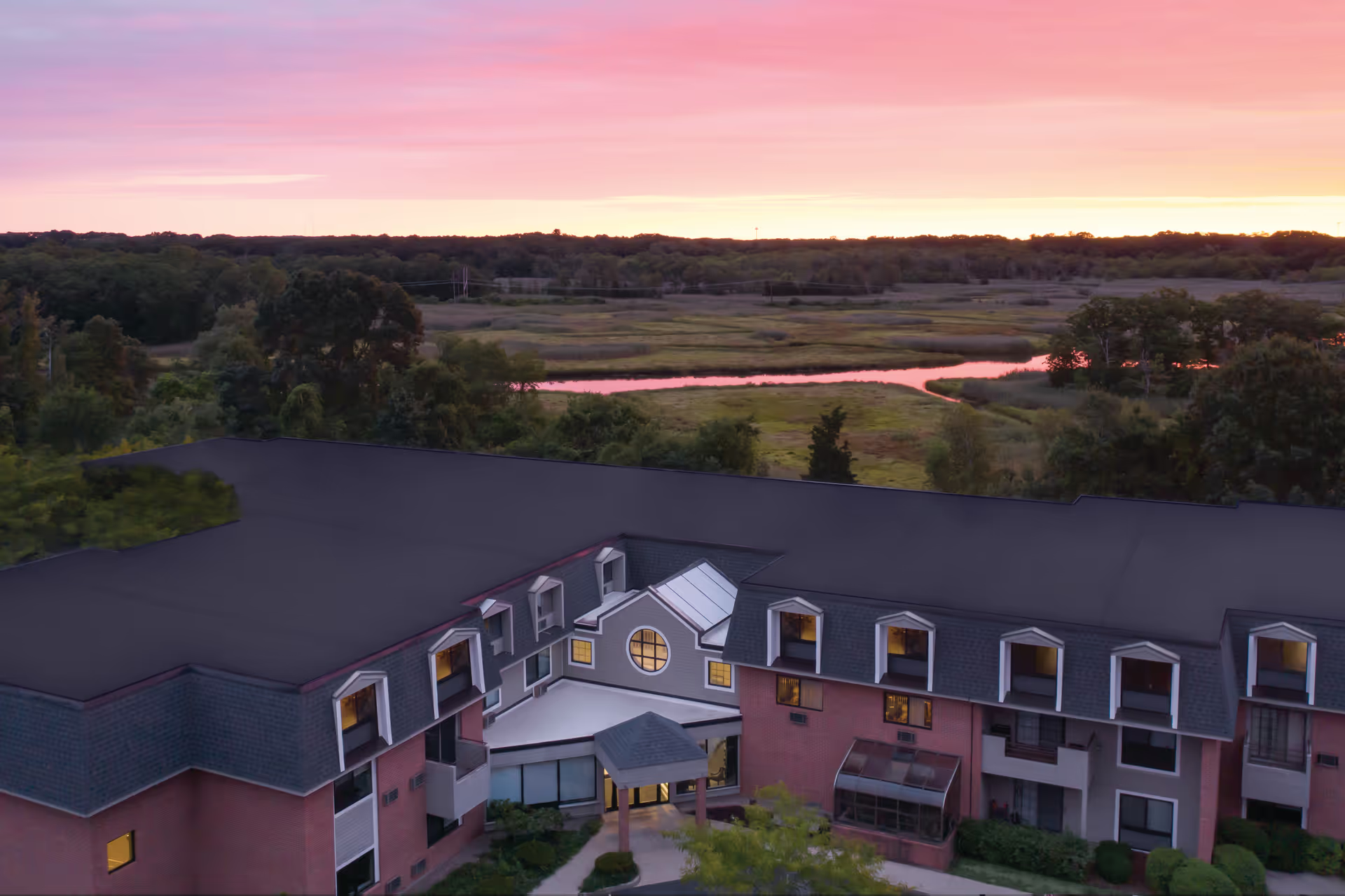
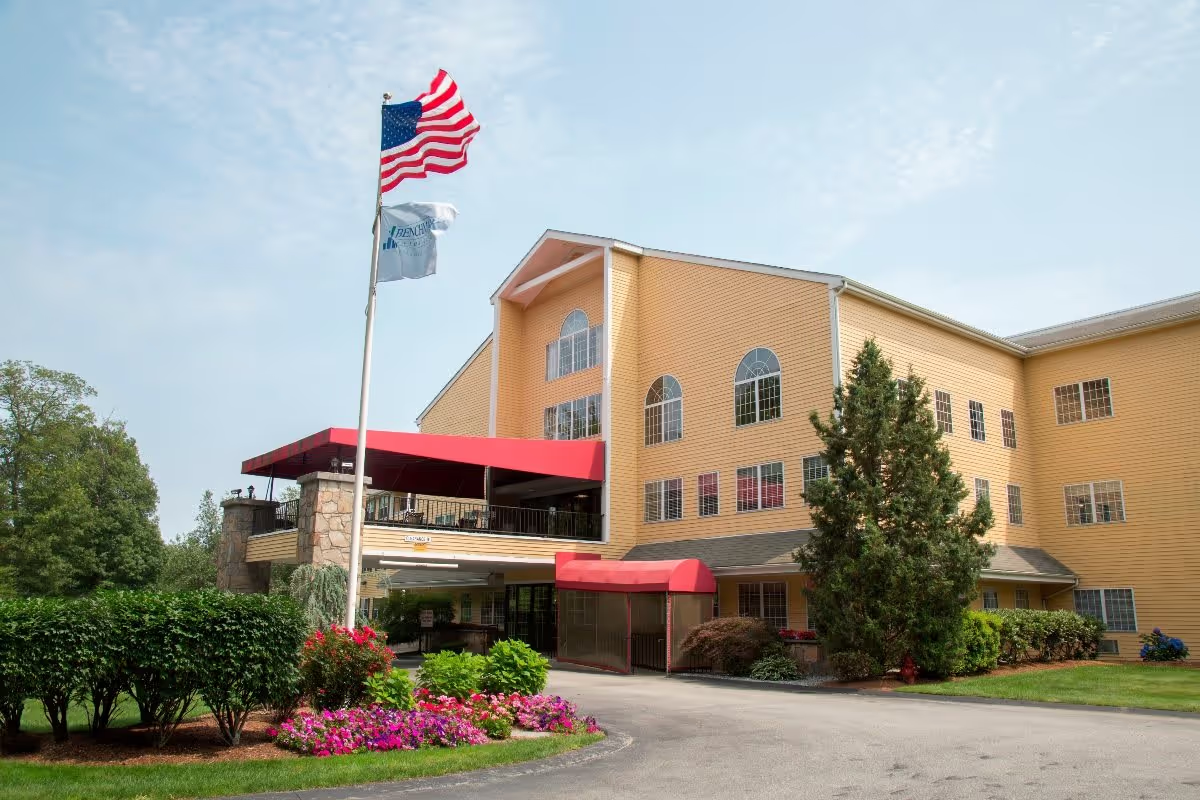
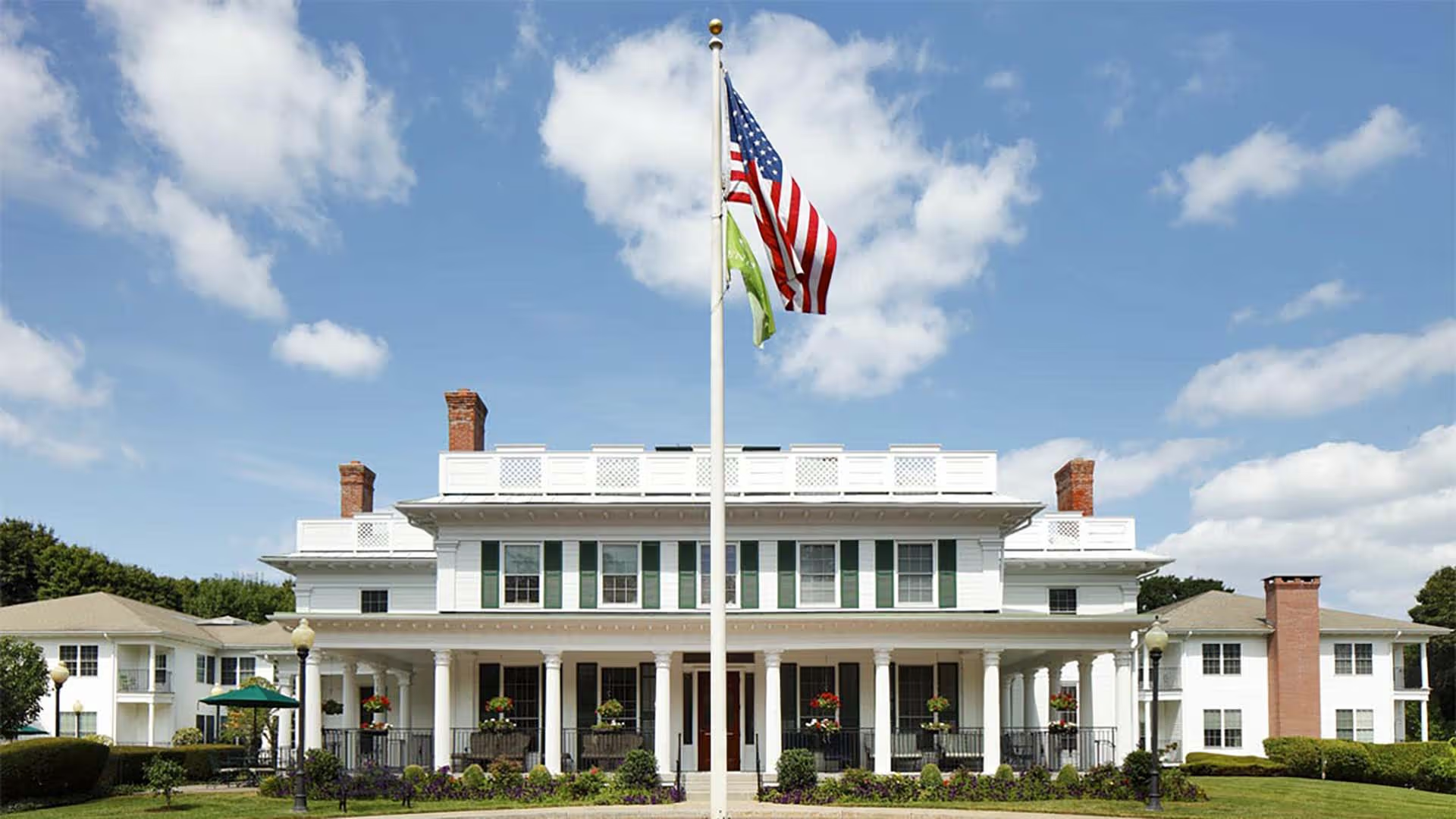
Rhode Island Veterans Home Community Living Center is consistently described as a modern, well-kept facility with a strong veteran focus. Reviewers emphasize the building’s new, state-of-the-art appearance, and many describe the interior as clean, spacious, and well maintained. Outdoor spaces are highlighted as pleasant and usable for walking and biking, and the overall atmosphere is frequently characterized as home-like and supportive of veterans.
Care quality and staffing impressions skew positive. Staff are commonly described as caring, attentive, and friendly, and families report clear lines of communication with caregivers. Regular scheduled forums—monthly resident meetings and monthly family meetings—are noted as institutional practices that facilitate feedback and involvement. Overall satisfaction statements and direct recommendations for the facility appear across the summaries, indicating that many families view it as a good placement for veterans.
Facility design and daily operations reveal mixed feedback. While the physical plant is new and attractive, reviewers indicate functional trade-offs: the layout can require substantial walking, which may create accessibility challenges for residents with limited mobility. A few comments characterize the design as not fully optimized for everyday convenience, suggesting gaps between architectural intent and operational usability. There is little specific commentary on dining quality in the summaries provided; reviewers focused more on cleanliness, staff interactions, and communal spaces than on meal service details.
Management impressions are mixed. Several reviewers note an administration that listens and accommodates, but there are parallel statements expressing concerns about managerial professionalism and consistency. Relatedly, summaries indicate that families sometimes need to advocate proactively to obtain particular services or accommodations. Prospective residents and families should weigh the facility’s strong physical environment and generally positive staffing against these operational considerations, and consider confirming accessibility features and communication practices during a visit.