The reviews of Evergreen House Health Center describe a facility with clear operational strengths alongside recurring operational weaknesses. Clinically and therapeutically, Evergreen is frequently praised for its robust rehabilitation services, attentive physical and occupational therapy staff, and targeted programming for Parkinson’s disease (including boxing and PD support groups). Many families and residents describe meaningful functional improvement during stays and note effective outpatient rehab options and a well‑organized therapy department. End‑of‑life and hospice support are also noted as areas where staff communication and sensitivity are strong.
Staffing perceptions are mixed. Numerous reviewers commend individual caregivers, CNAs, therapists, activities staff, maintenance, and kitchen personnel as caring, professional, and attentive; those interactions are consistently cited as a core strength of the resident experience. At the same time, multiple reviews indicate variability in staff responsiveness and professionalism across shifts and units. Common operational issues include slow response to call buttons, delays in assistance, and uneven bedside communication (including introductions and updates). These points suggest that performance may depend heavily on shift staffing and specific team members.
Medication management and clinical coordination emerge as important concerns. Several accounts describe medication delays, coordination gaps with prescribers and pharmacy approvals, and errors in medication administration. Relatedly, families described delays or confusion around diagnostic follow‑up, antibiotic initiation, and limited on‑site physician coverage (with some weekend reliance on virtual evaluation). These patterns indicate potential process weaknesses in clinical handoffs, pharmacy workflows, and weekend medical coverage.
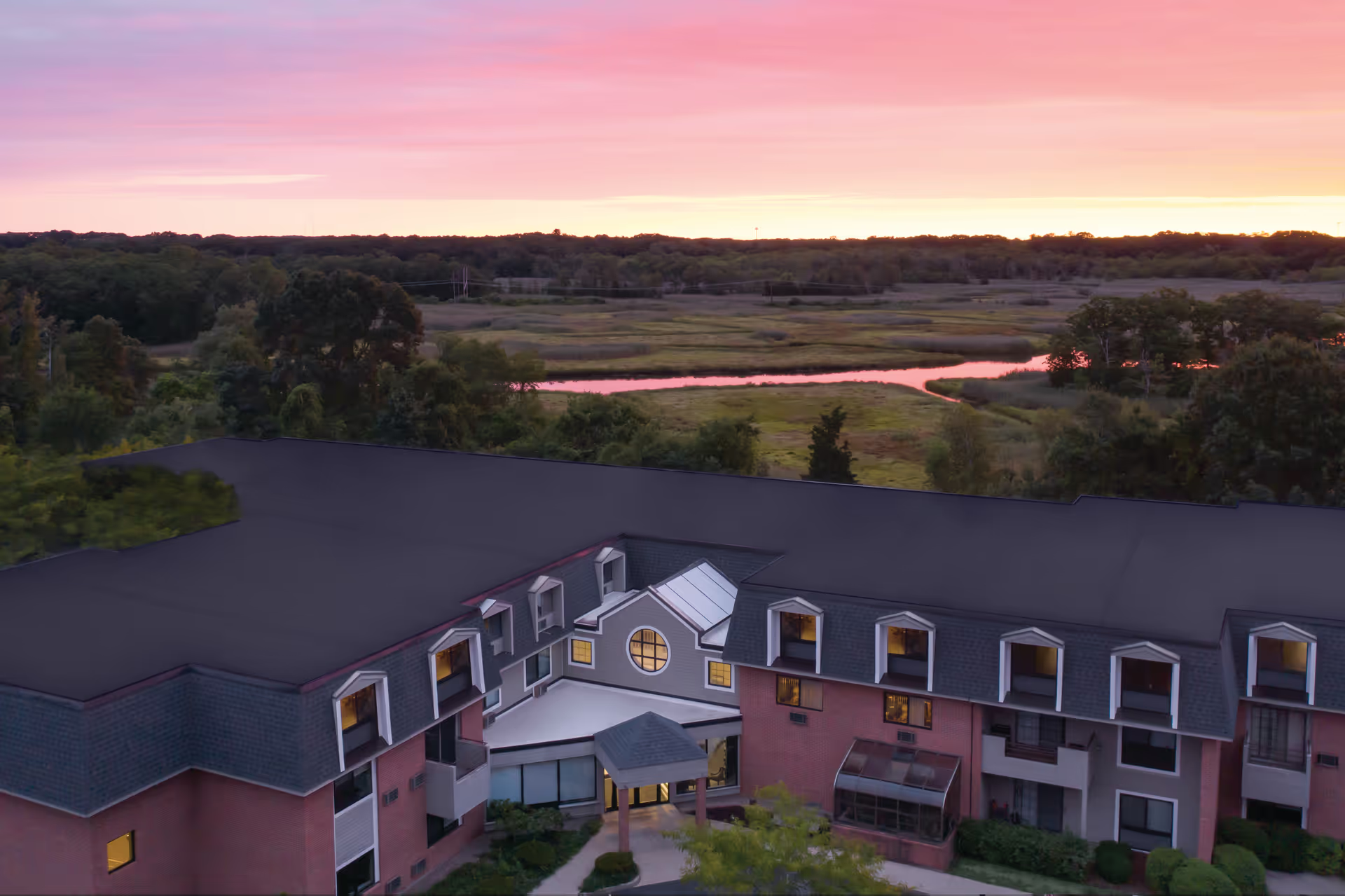
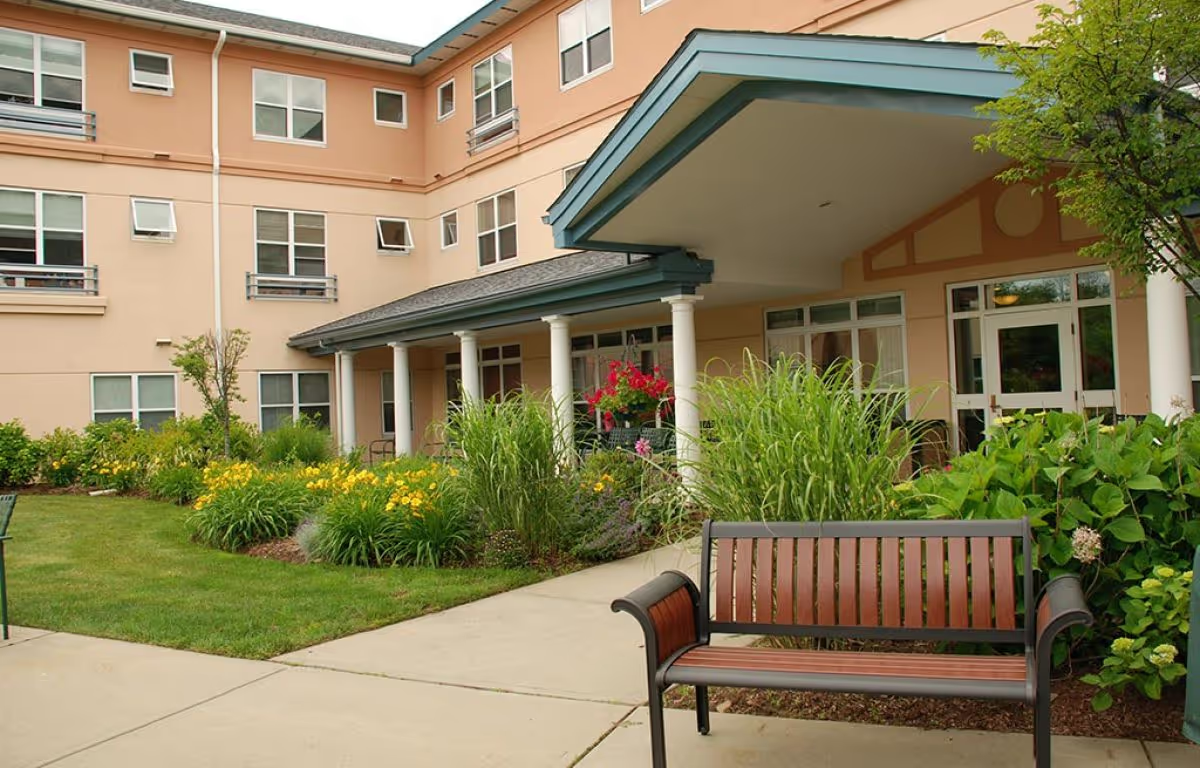
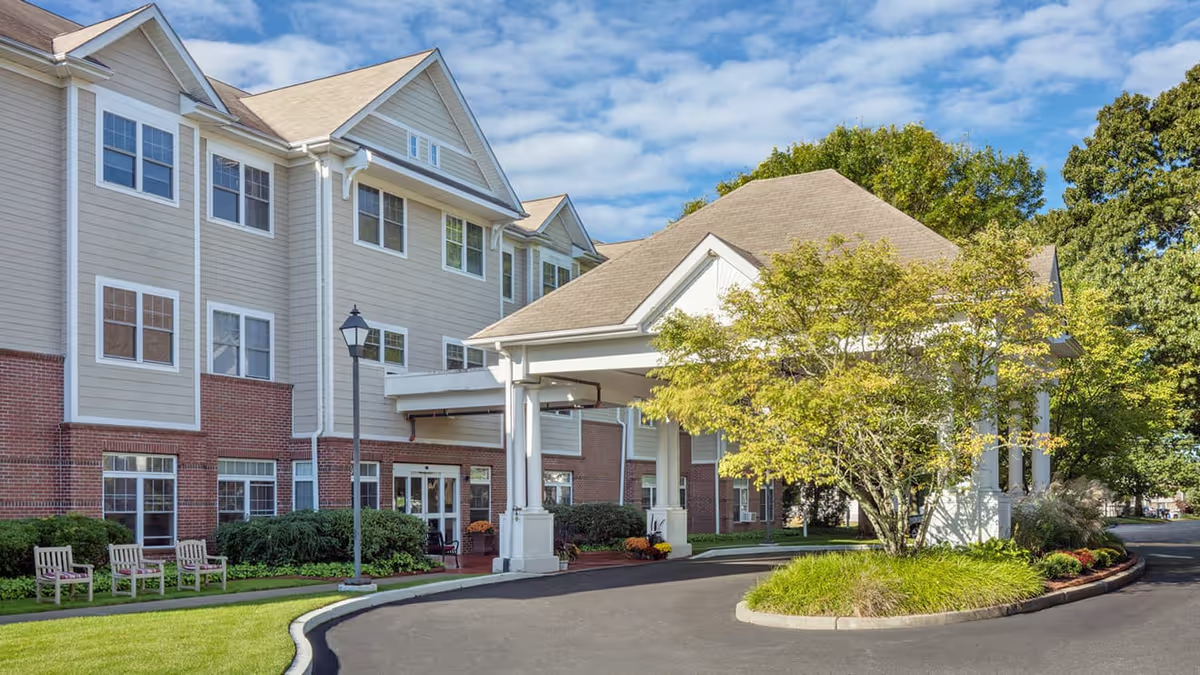
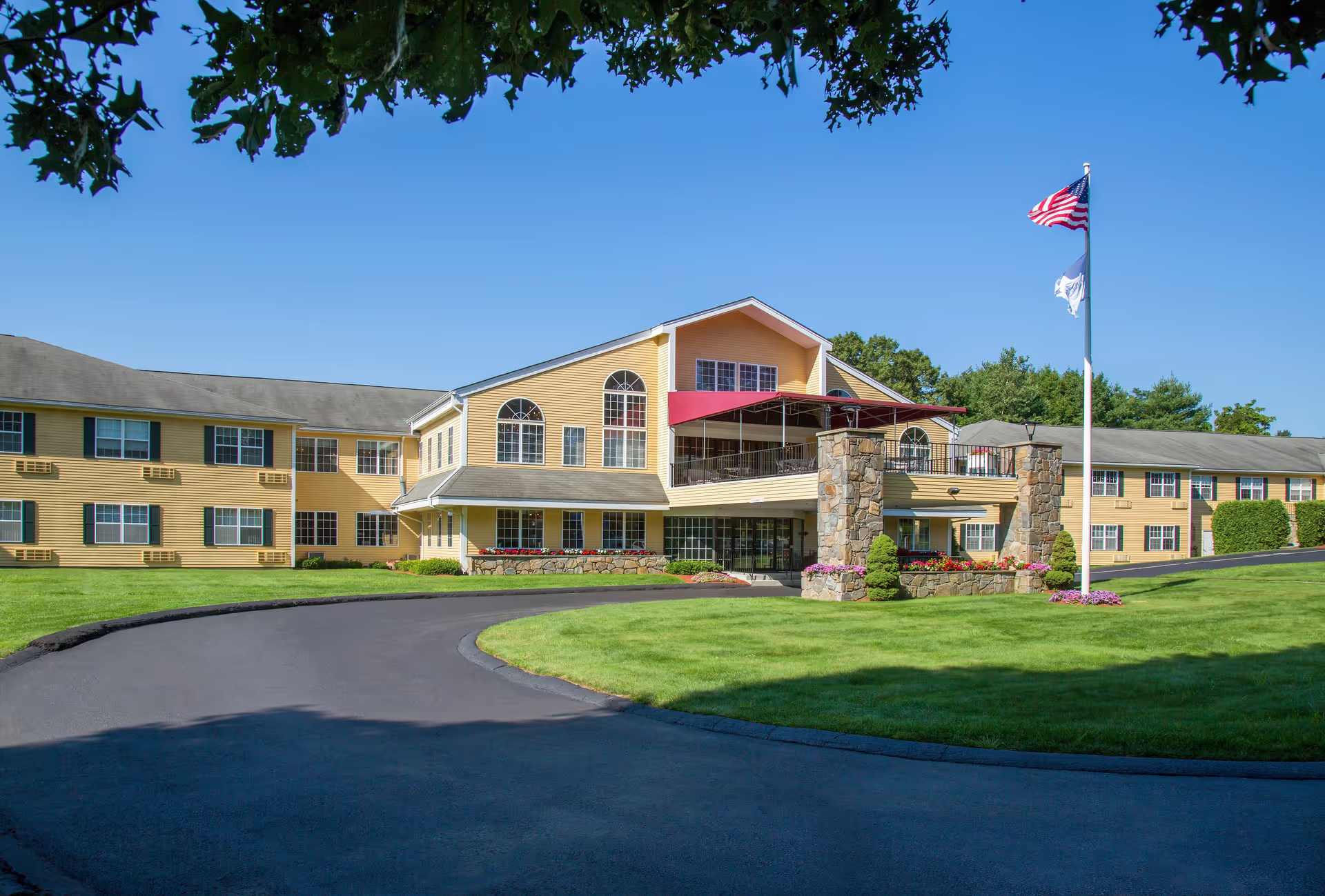
Dining and daily routines show variability. Many reviewers praise the dining room atmosphere, occasional high‑quality meals, and accommodating kitchen staff; others cite slow meal service, cold food, and inconsistent meal packaging for residents with special needs. Activities programming and communal events are frequently highlighted as energetic and varied, helping social engagement and quality of life. Facilities are generally described as clean and well maintained, with bright rooms and attractive grounds, though some reviewers raised sanitation and odor concerns in specific areas and noted that some building features (bathrooms, showers, room cooling) are dated or limited in capacity.
Administrative concerns include inconsistent discharge documentation, unclear billing items, and some families encountering surprise charges or contested bills. There are also a small number of serious allegations related to reporting and financial practices; these kinds of claims warrant direct inquiry with facility leadership and review of regulatory records. Prospective families should also note patterns of variability across units and shifts — several reviewers describe markedly different experiences depending on timing and staff.
Practical considerations for prospective residents and families: observe staffing levels and responsiveness during a visit, ask about medication‑administration protocols and pharmacy/physician coverage (including weekend practices), request a copy of a standard discharge packet in advance, clarify billing and insurance processes, and inspect unit cleanliness and bathroom availability. Also ask for details on infection‑control transparency and any recent survey or inspection findings. Overall, Evergreen offers strong rehabilitative services and many compassionate individual staff members, but operational inconsistencies — particularly around staffing, medication processes, dining reliability, and administrative transparency — are recurring themes to evaluate before placement.