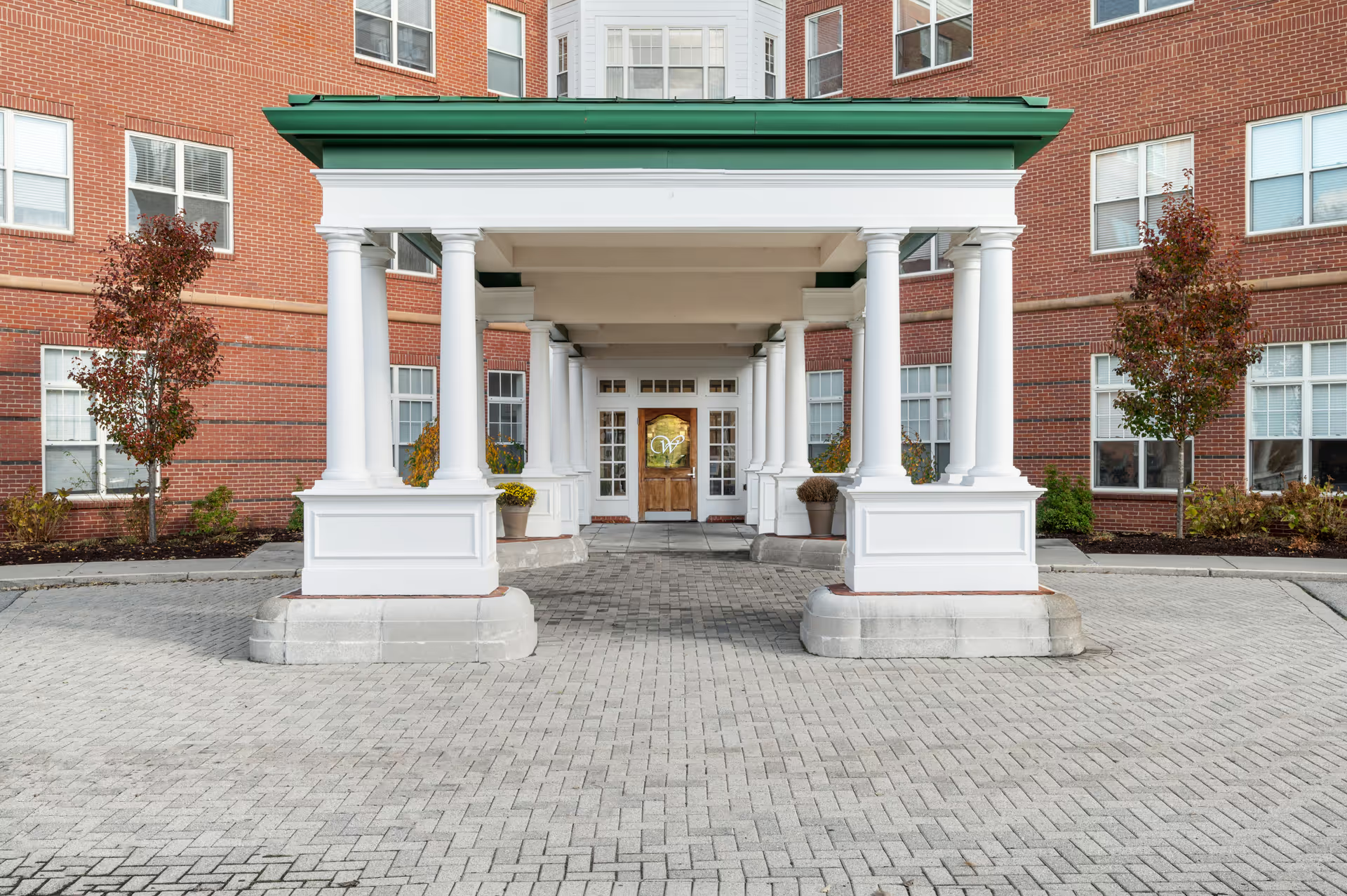
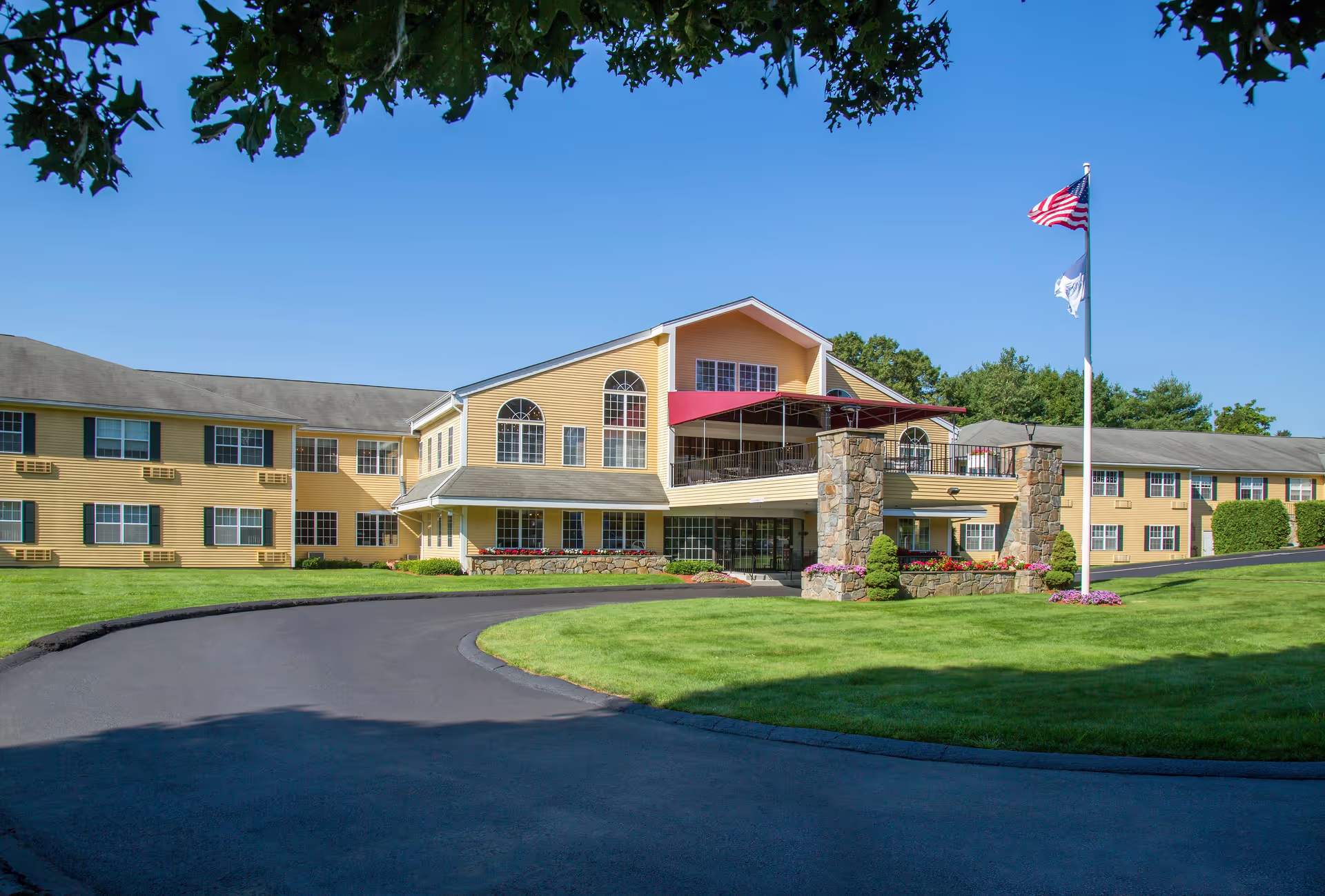
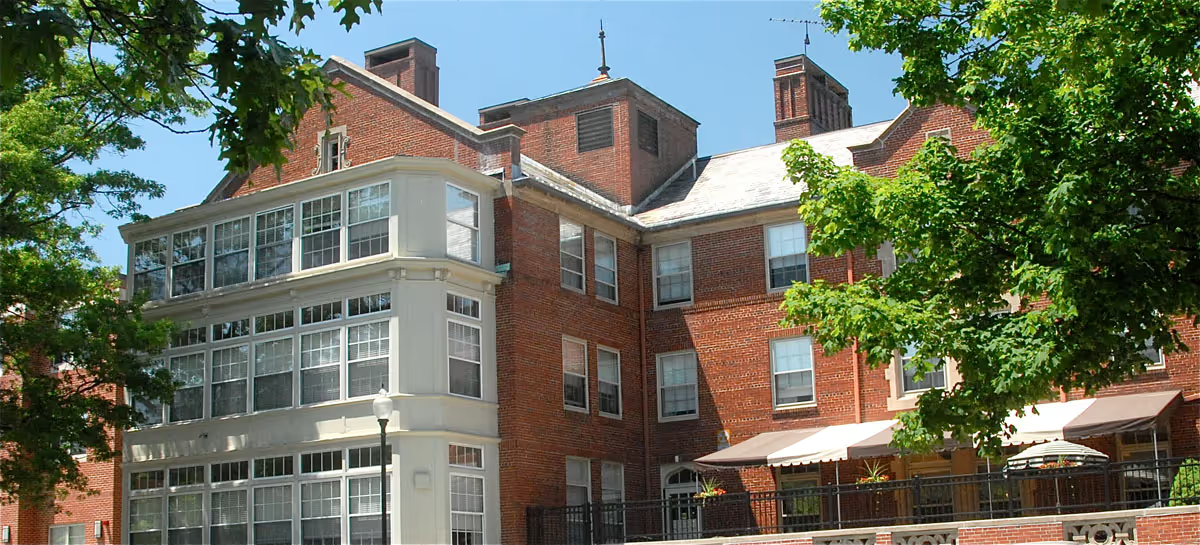
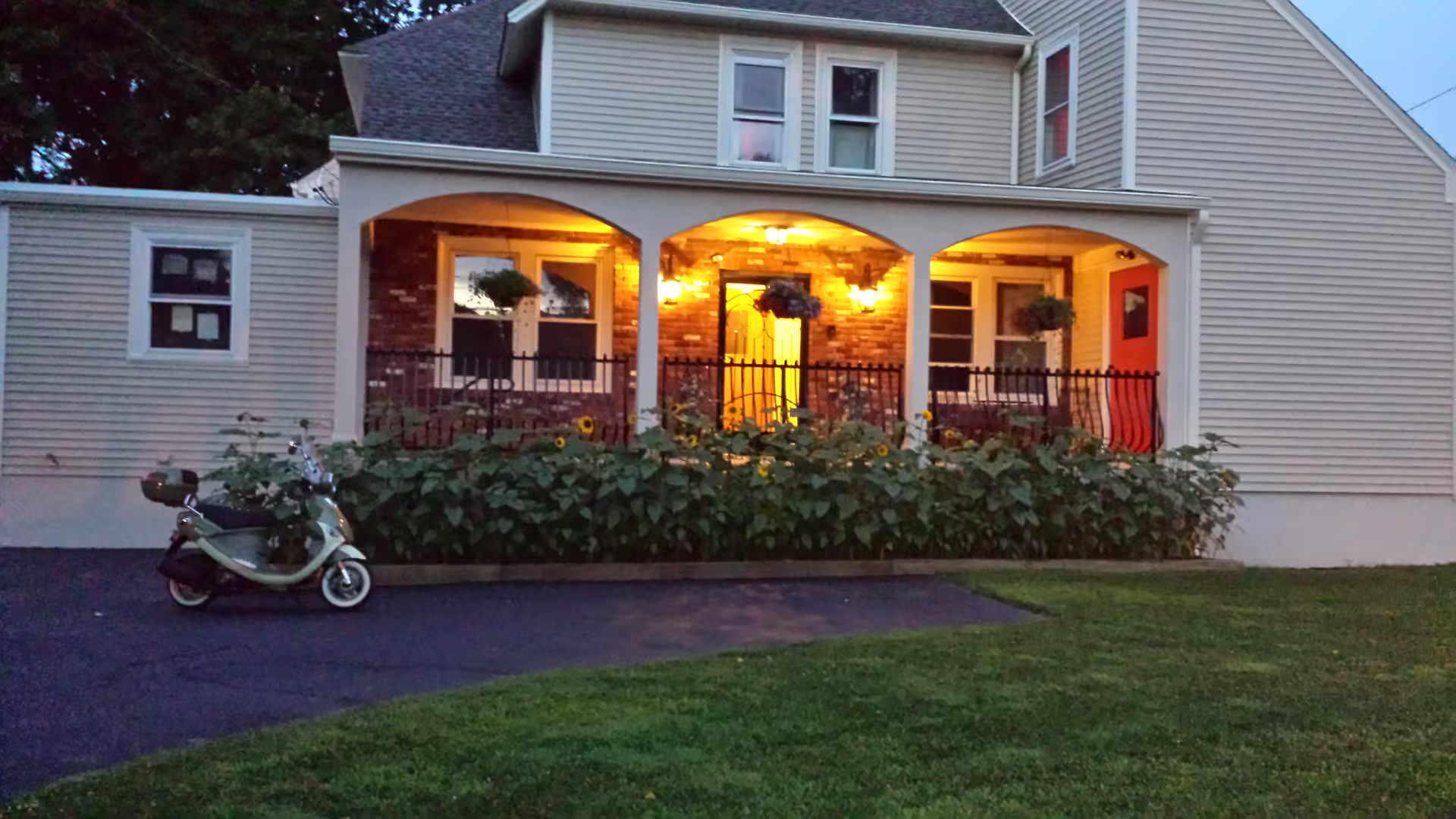
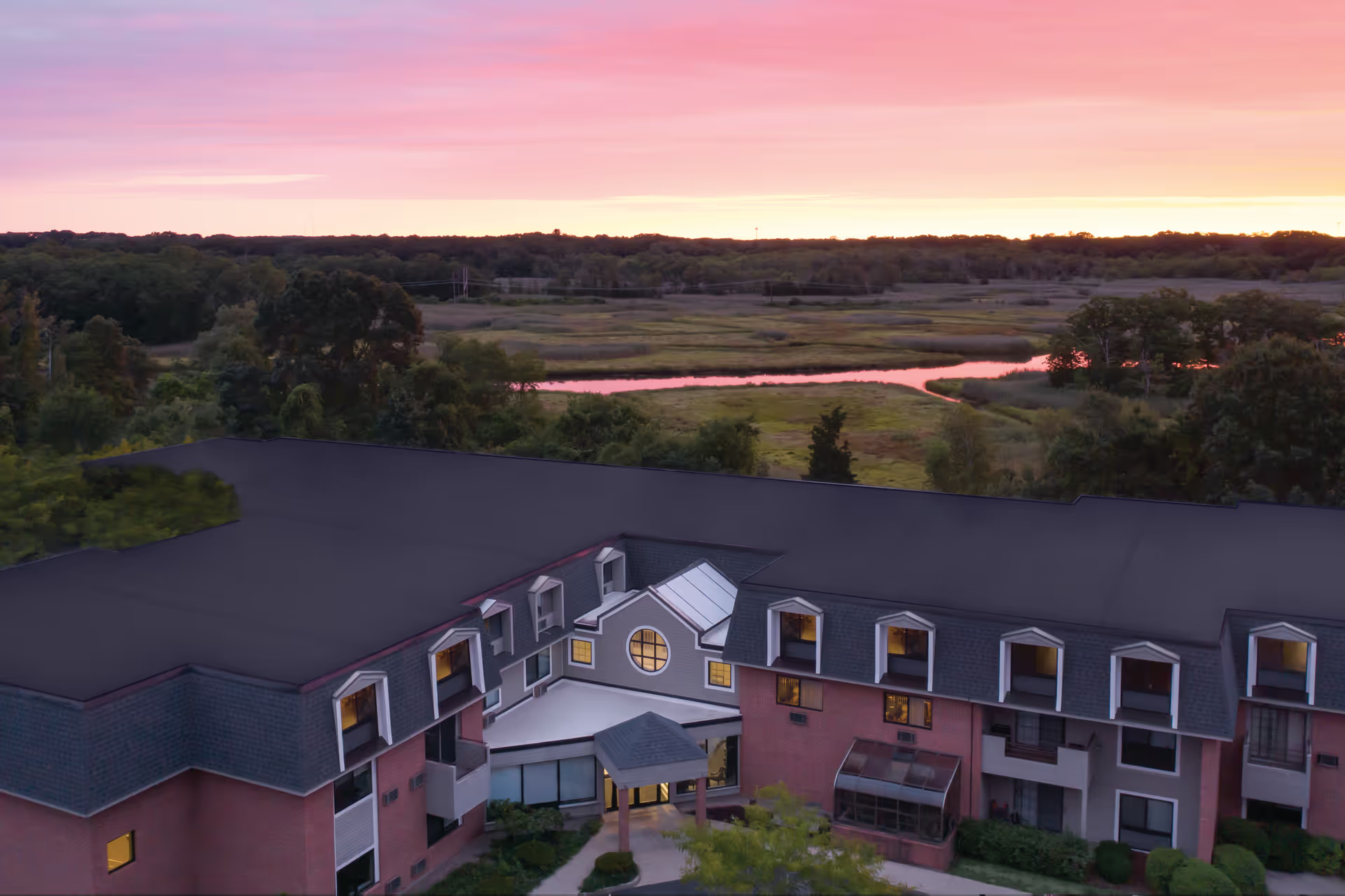
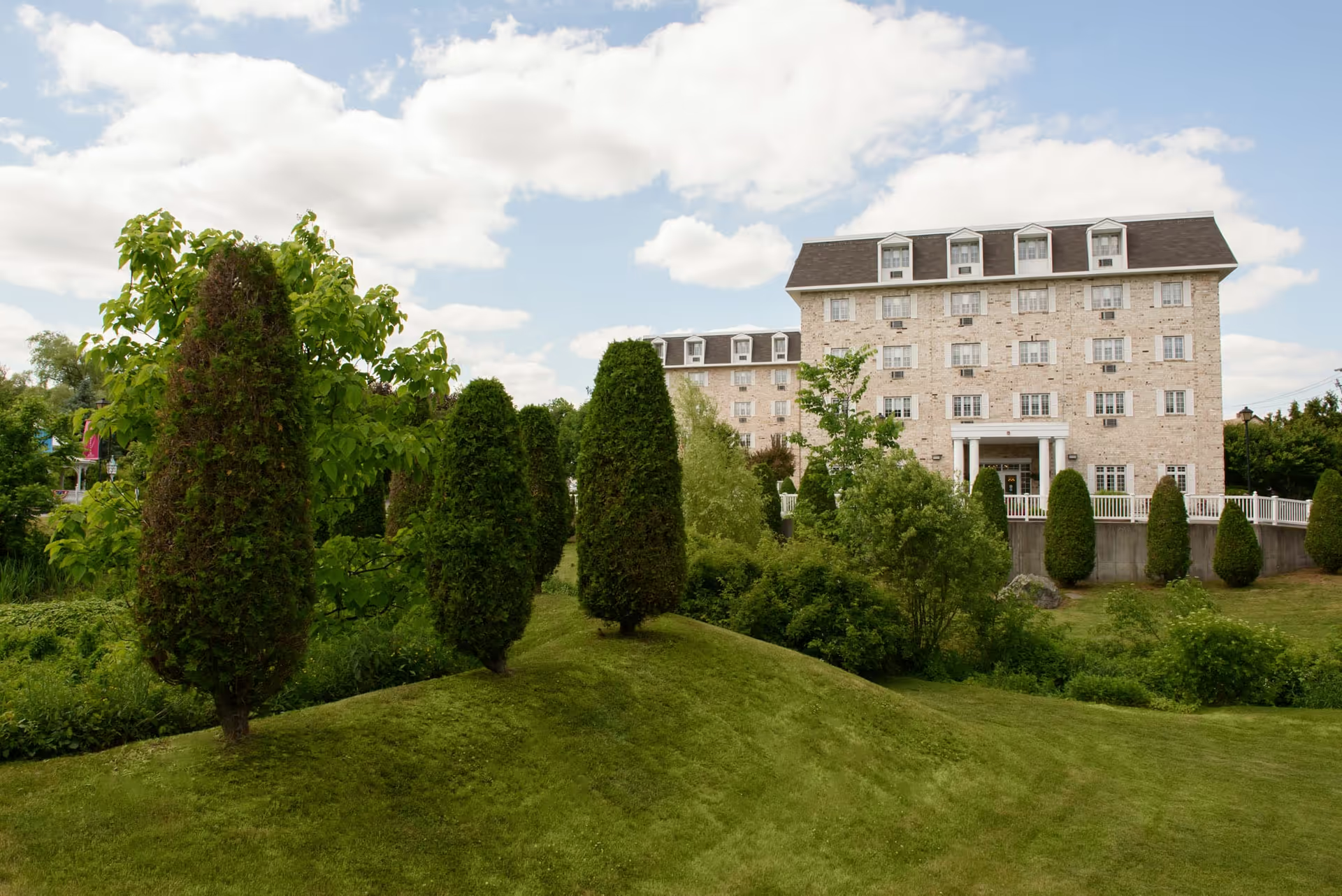
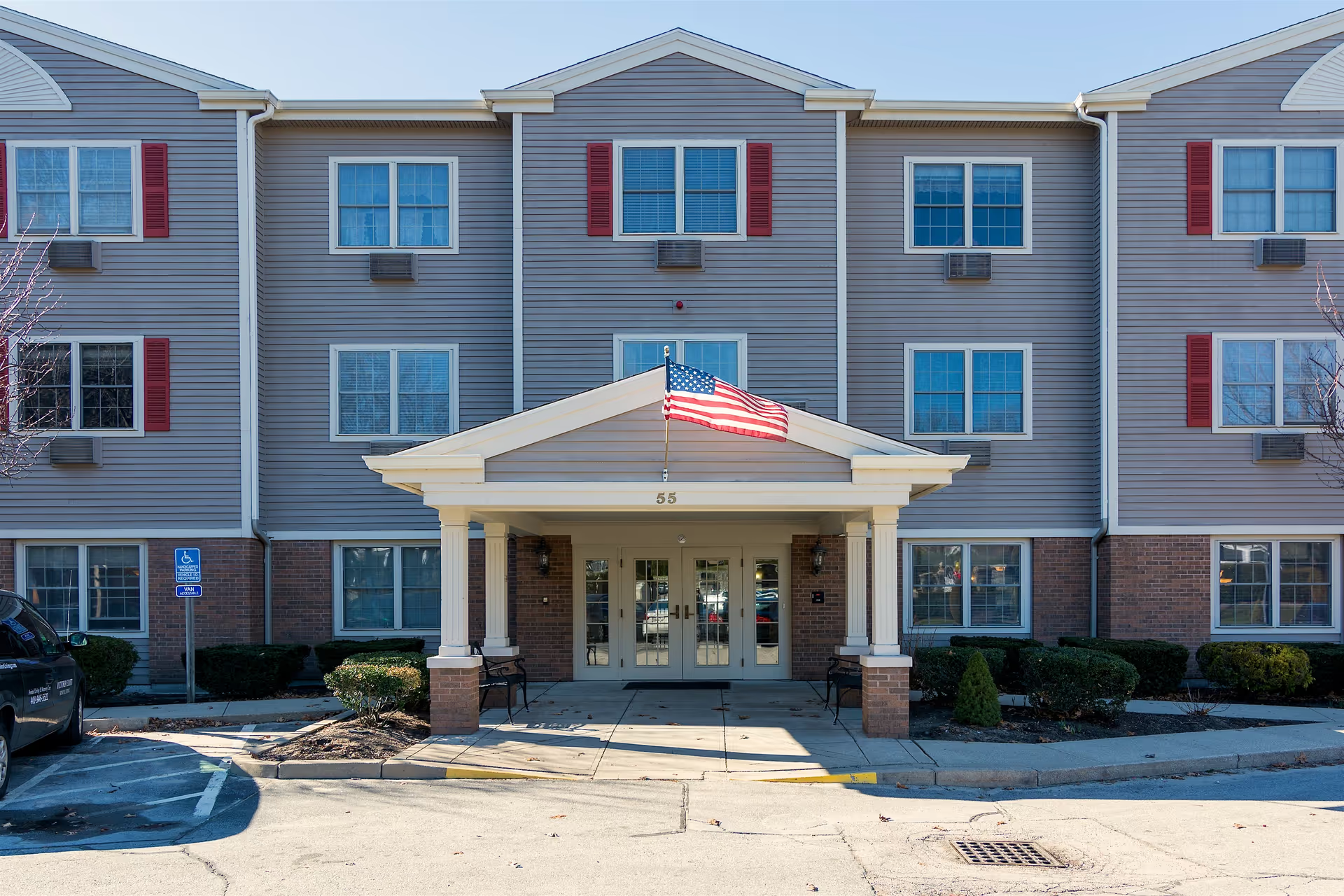
Overall impression Wingate Residences on the East Side presents as an attractive, program-rich assisted living community with a strong emphasis on social engagement, fitness, and hospitality-style dining. Many reviewers describe the facility as bright and well-kept, with pleasant river views, thoughtful landscaping, and a resort-like dining environment. The activity calendar and fitness amenities (including an indoor pool, whirlpool, and instructor-led classes) are repeatedly cited as core strengths that support resident socialization and rehabilitation.
Care and staff Care quality is frequently praised for its compassion and attentiveness: nursing, dining, front-desk, and floor staff are commonly described as respectful, patient, and engaged with residents. Long-tenured staff and visible leadership presence are reported to contribute to a welcoming atmosphere. At the same time, reviewers describe operational weaknesses in clinical communication and coordination—most notably around end-of-life decision making and hospice coordination. A serious end-of-life incident prompted corporate-level review and commitments to staff training; reviewers express ongoing concern about how the facility communicates clinical decisions to families and how feeding/aspiration-risk choices are handled in critical situations.
Dining The dining program is a clear selling point for many families: creative menus, dietary accommodations, and attentive dining-room service are highlighted, as is the perceived quality of the dining environment. However, food quality and menu consistency are not uniform across reports—several reviewers described declines in specific offerings or variable entrée quality. Families should expect generally strong dining but may want to verify current menu cycles and special-diet availability during a tour.
Activities and amenities Programming is broad and active, ranging from book clubs and guest speakers to concerts, brain-challenge events, and both in-person and online offerings. Fitness resources and aquatic programming are a particular positive; staff-led exercise and individualized gym plans are available. The presence of a memory-care unit and on-site rehabilitation supports adds clinical flexibility, though the memory-care program is an area of mixed feedback (see below).
Facilities and maintenance Physical facilities are frequently described as modern and well-maintained, with bright apartments and attractive common spaces. That said, an ongoing renovation program has produced intermittent disruption and an aesthetic some families find less homelike—several comments reference half-finished painting and a “corporate” feel in renovated areas. Maintenance staff are generally characterized as responsive, but there are repeated notes about delayed follow-through on promised repairs (carpet replacement, persistent minor repairs) and occasional functional issues with fixtures or furniture that affect daily comfort.
Management, operations, and billing Executive leadership and front-desk staff receive positive mentions for engagement and helpfulness; many families report a smooth admissions process. Simultaneously, there are consistent operational concerns: staffing instability (especially in secured/memory-care areas), billing opacity including a separate care fee and periodic rate increases, and limitations in the wellness team's scope for licensed medical interventions. These operational traits can affect families’ perceptions of value and clinical adequacy for residents with escalating medical needs.
Notable risk areas and recommendations Two recurring patterns merit attention for prospective residents or families: first, secured memory-care staffing and supervision have been questioned; reviewers describe staffing turnover and episodes of insufficient oversight that translated into sanitation and hygiene concerns and unmet care needs in the secure unit. Second, end-of-life and hospice coordination has been an acute source of family concern in some cases, prompting corrective action by corporate leadership. Prospective families should tour the secured unit, ask for current staffing ratios and turnover statistics, review the facility’s hospice and end-of-life protocols, and clarify billing practices (including any care fees and how hourly nursing is handled if needs escalate).
Bottom line Wingate East Side is a well-appointed community with strong social programming, notable dining and fitness amenities, and many compassionate staff members who create a welcoming environment. It may be an excellent fit for residents seeking an active, hospitality-oriented assisted living setting. Families considering placement should balance these strengths against operational concerns—particularly memory-care staffing, clinical communication around end-of-life care, renovation timelines, and billing transparency—and verify current practices during an in-person tour and follow-up conversations with leadership.