Reviews of Hattie Ide Chaffee Home show a polarized overall picture: many families praise the caregiving team and rehabilitation services, while others describe operational and clinical inconsistencies that affected their experience. Strengths most consistently highlighted include compassionate, personable nursing and CNA staff, strong physical- and occupational-therapy programs that produced successful short-term rehab outcomes, and memorable end-of-life support. The facility’s newer wing and several communal areas receive positive remarks for cleanliness and presentation, and the dining room and certain meal services are described as inviting and family-friendly.
At the same time, a number of reviews describe marked variability in day-to-day operations. Staff professionalism and conduct appear uneven across shifts and units; while some families recount patient, respectful interactions and above-and-beyond overnight care, others cite rude or combative behavior and poor tone from certain employees. Relatedly, families reported inconsistent personal-care practices and delays in attending to incontinence and hygiene needs. These accounts point to uneven consistency in basic care delivery rather than a uniform pattern of behavior.
Clinical and safety concerns also emerge in a subset of accounts. Reviewers raised issues that include decisions about catheterization, medication management, infection-related outcomes, and post-admission complications. Framed as operational themes, these indicate potential gaps in clinical oversight and infection-control practices that warrant direct inquiry during a tour or care-planning conversation. Several reports also noted sanitation and incontinence-care concerns in particular units, reinforcing the importance of checking current conditions in person.
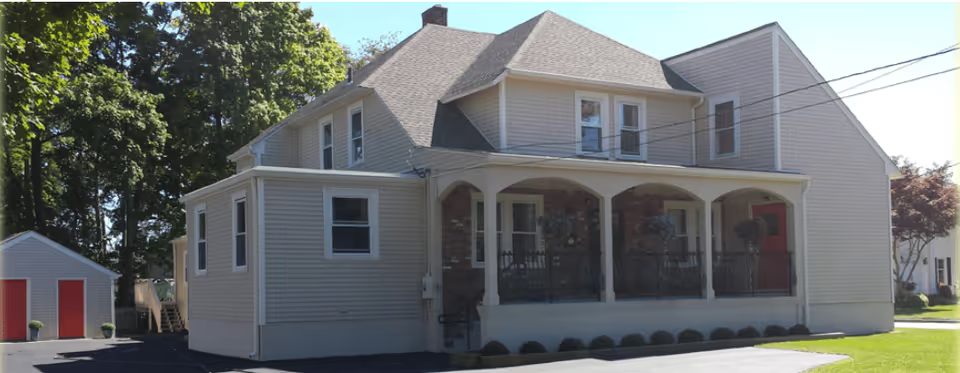
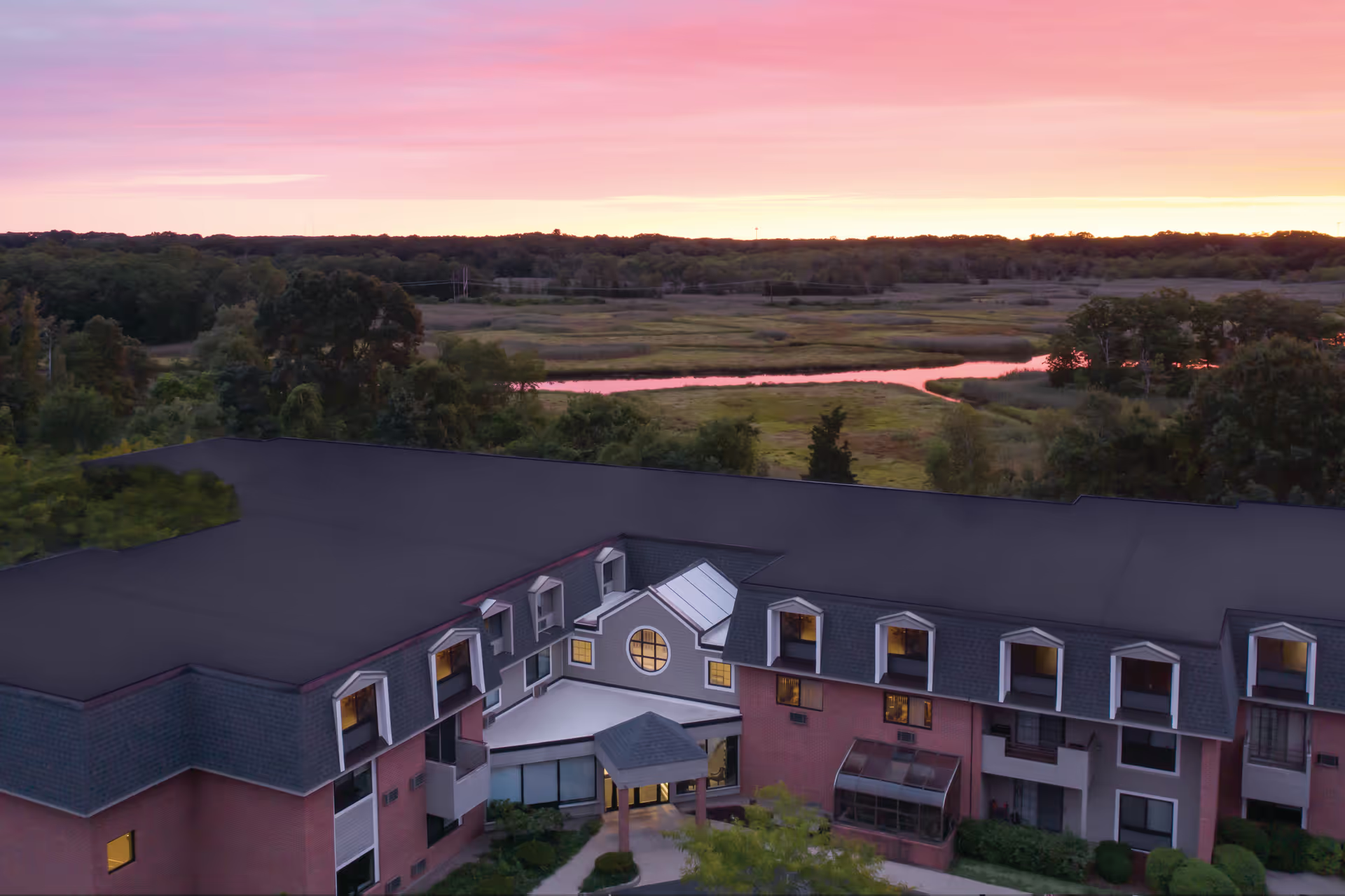
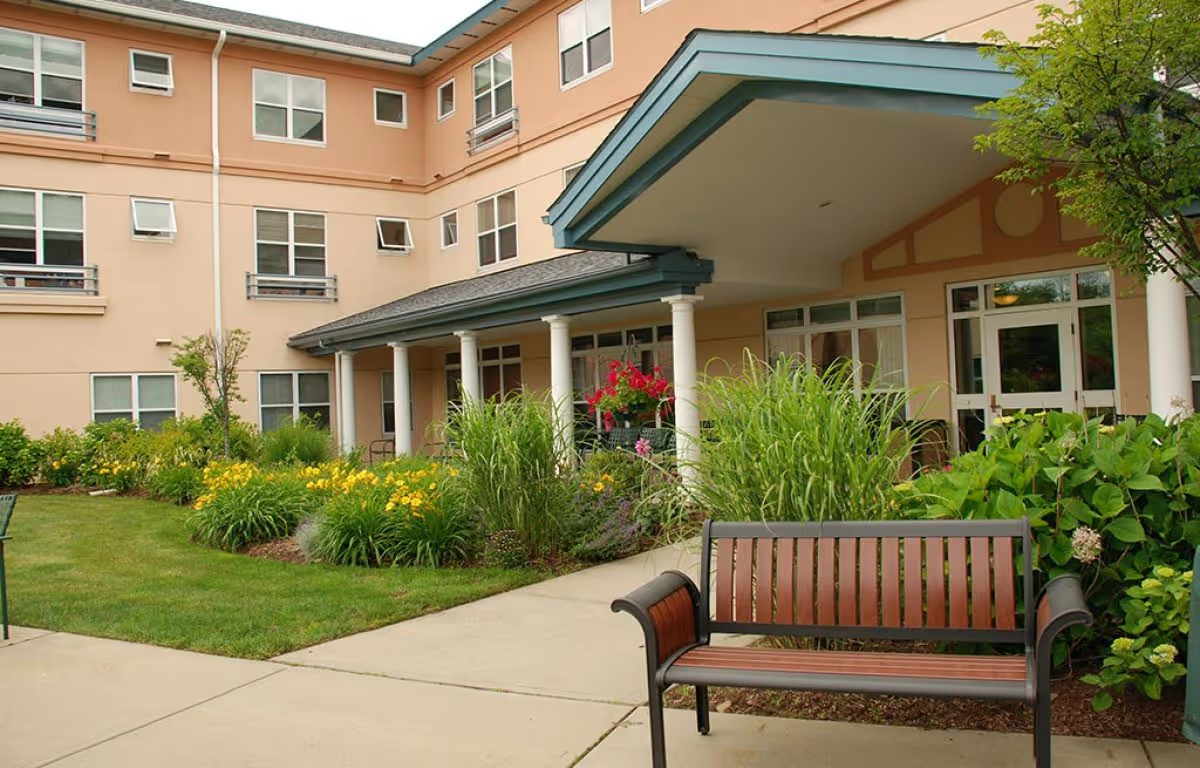
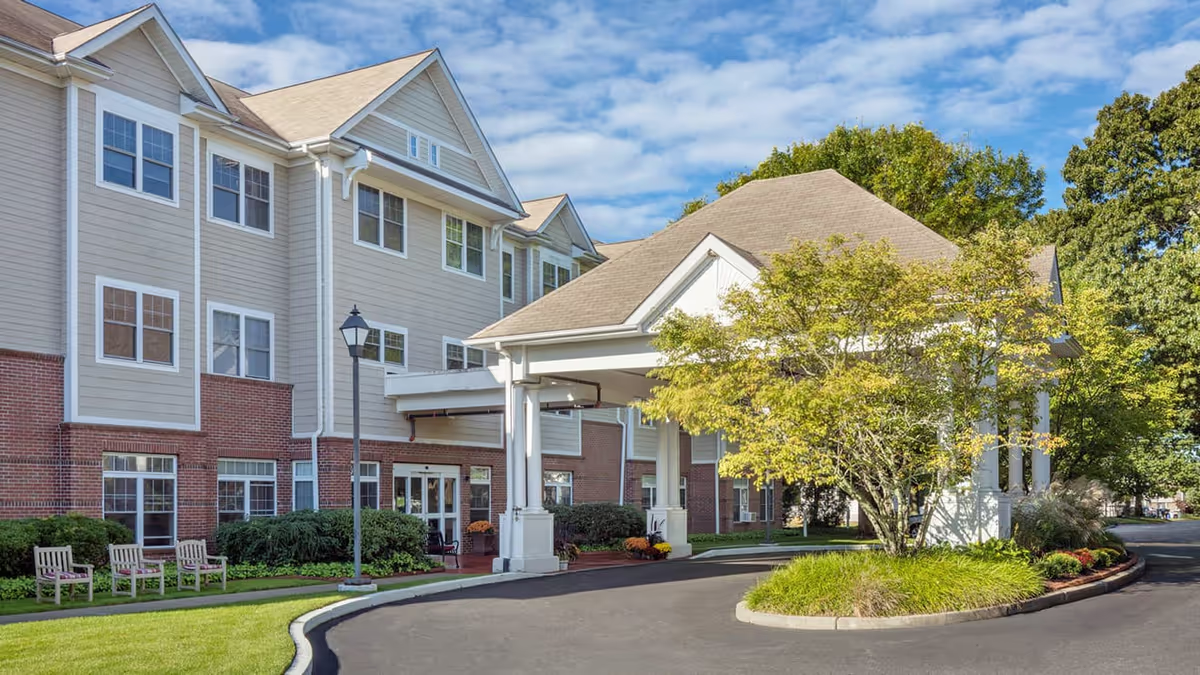
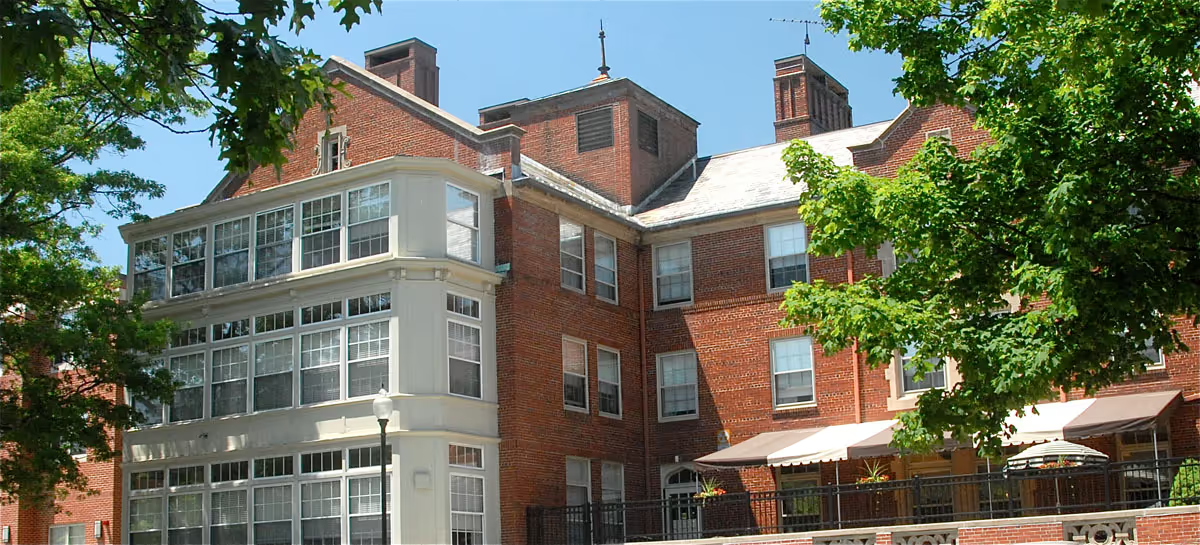
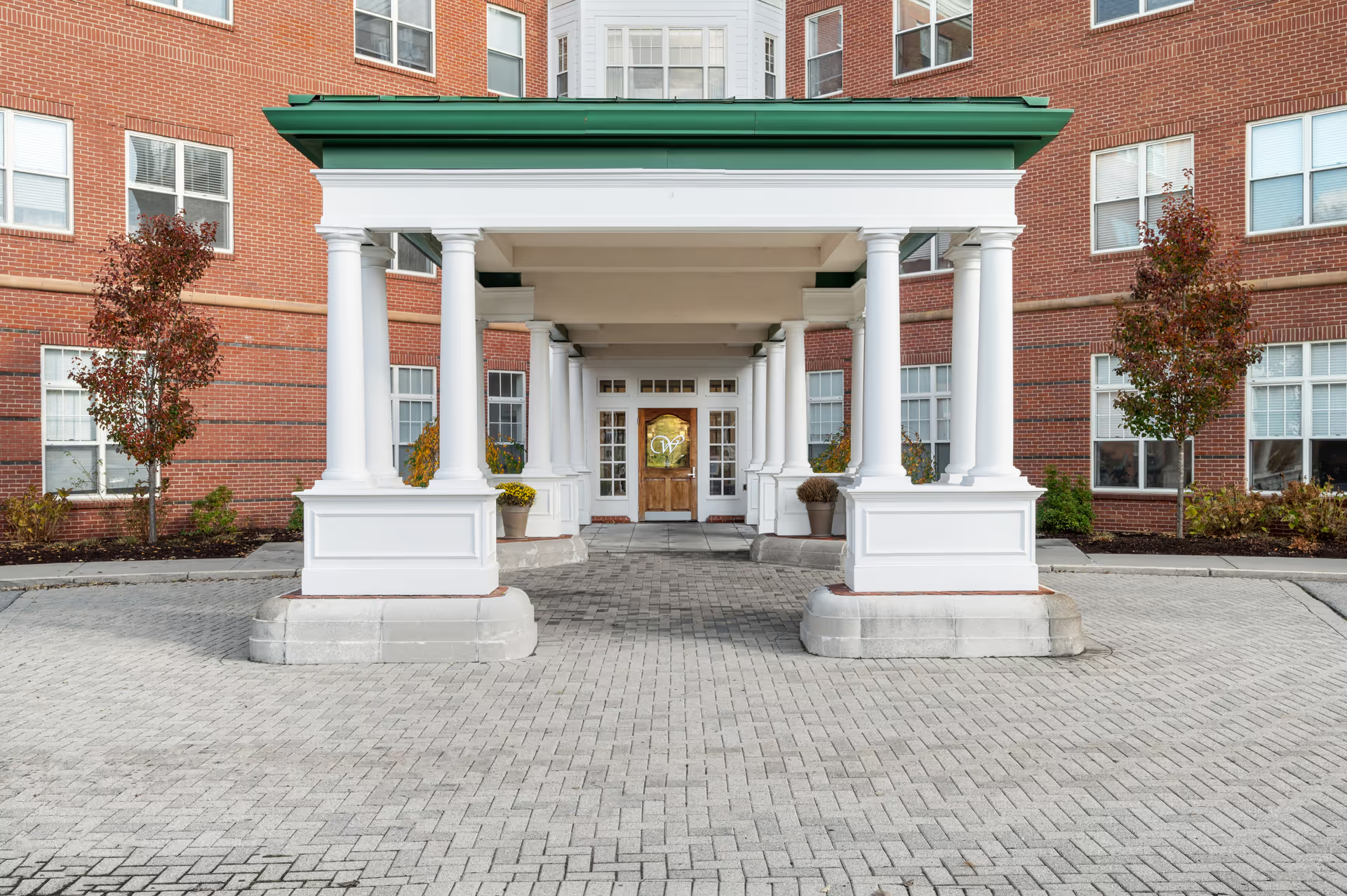
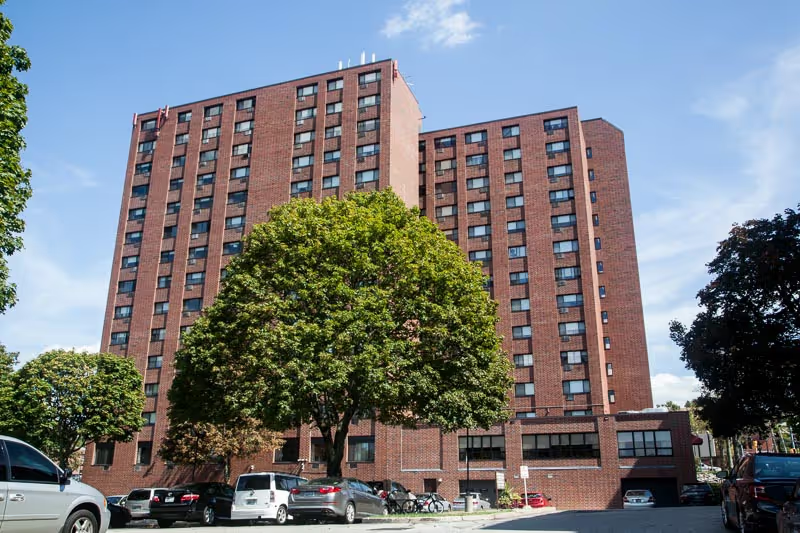
Families additionally describe shortcomings in communication and administration. Common themes include delays or failures in notifying family members about changes in condition, limitations on resident telephone or visitor access, and perceived unresponsiveness from management or human-resources staff. Facility condition is described as mixed: the newly built wing and some public areas are well maintained, while older wings and some rooms are characterized as dated, small, or in need of repair. This variance affects expectations about accommodations and comfort.
Dining and activities are generally viewed positively overall, with specific praise for holiday meals and structured programming such as movies and exercise groups; however, meal quality and participation support appear to fluctuate by shift. Rehabilitation services, particularly PT/OT, are frequently singled out as a strong point and a reason families recommended the facility for short-term care.
For prospective residents and families: the facility demonstrates clear strengths in compassionate bedside care, rehabilitation, and appealing new spaces, but reviews suggest variability in consistent execution across staff, clinical oversight, and older parts of the building. When evaluating this facility, consider touring both new and older wings, asking about current staffing ratios and clinical oversight protocols (including catheter and medication policies), reviewing infection-control practices, clarifying family-notification processes and phone/visitor access, and observing mealtime and activity staffing during different shifts.