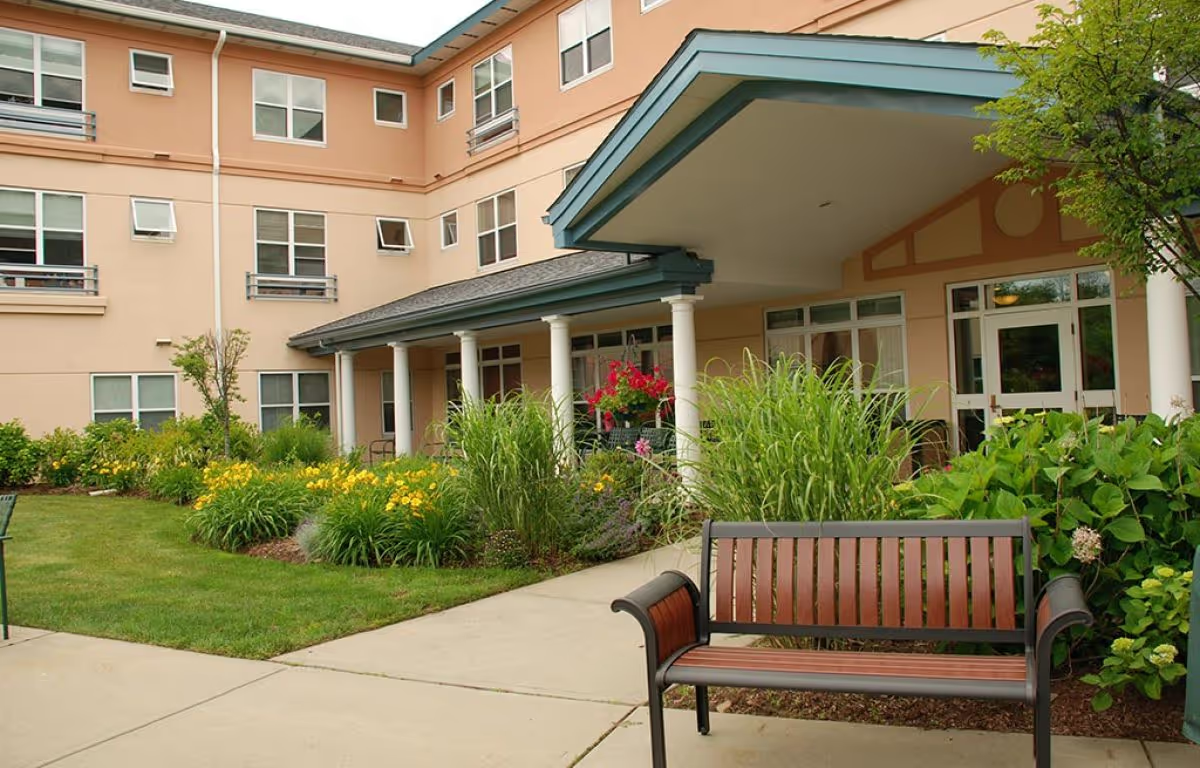
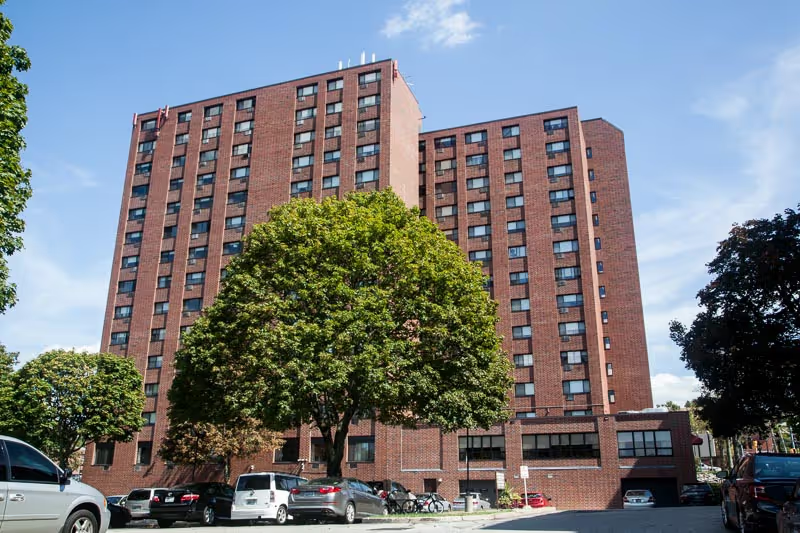
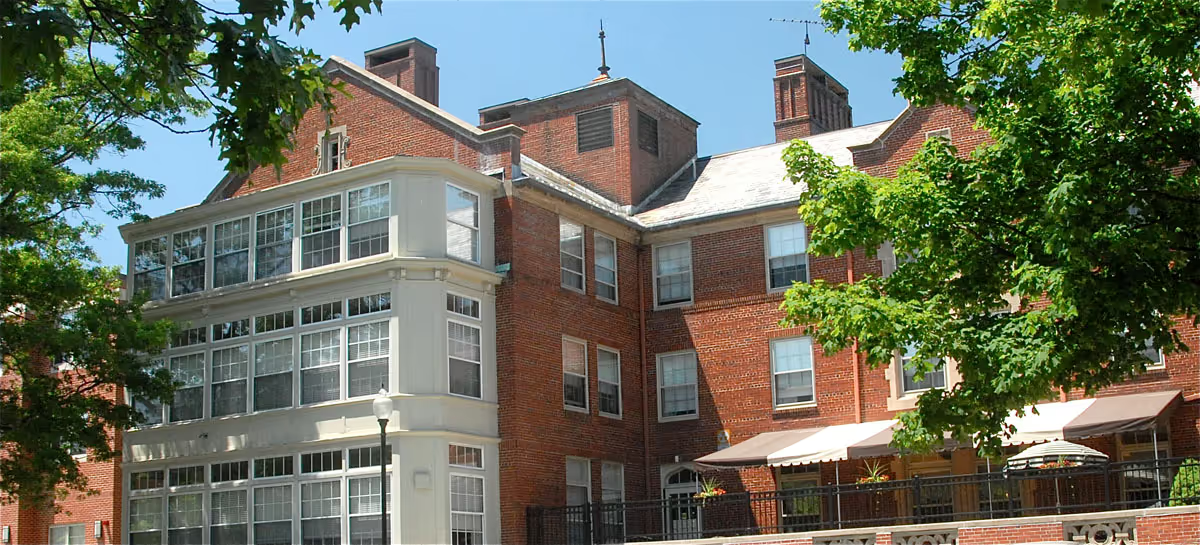
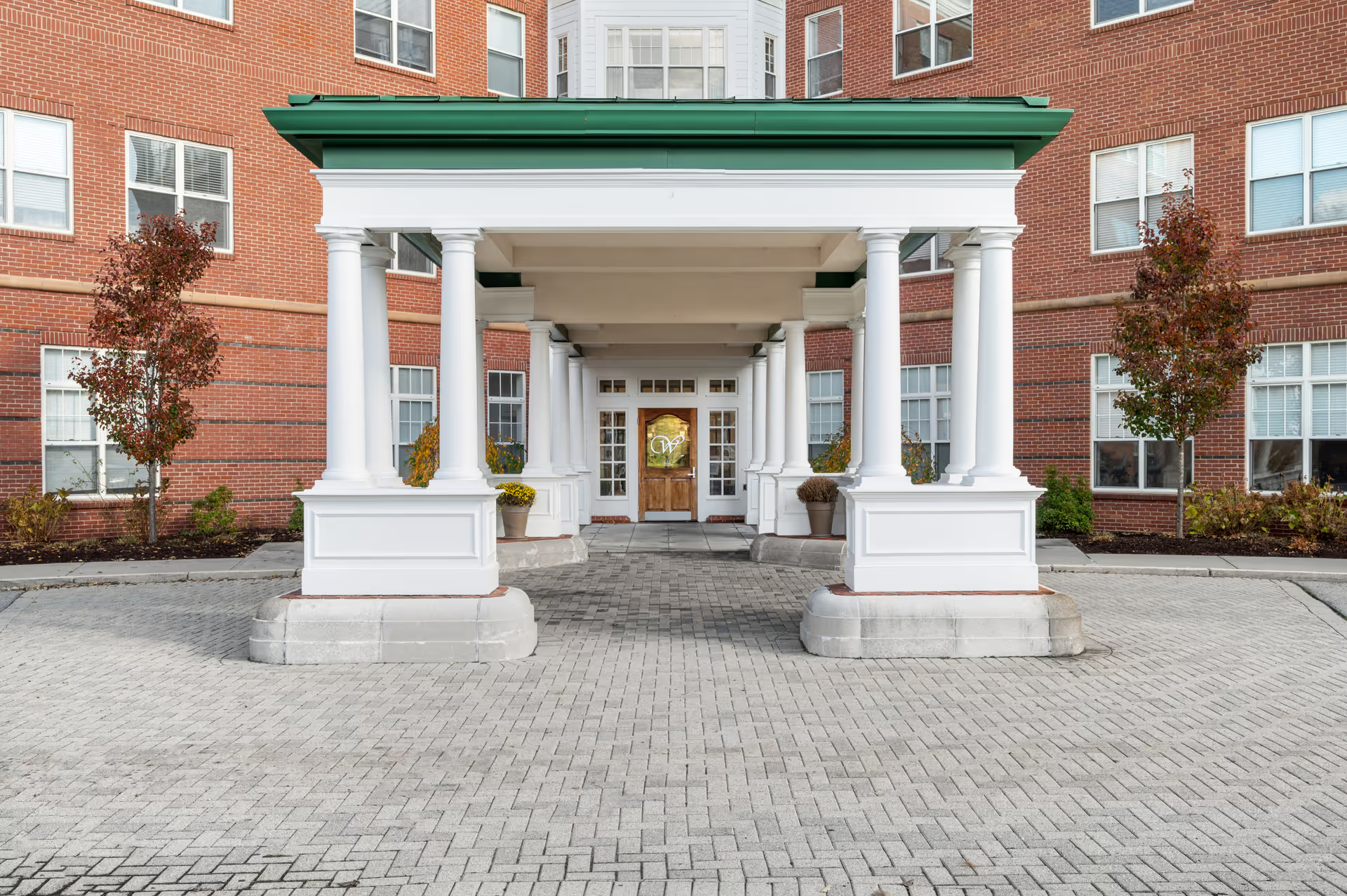
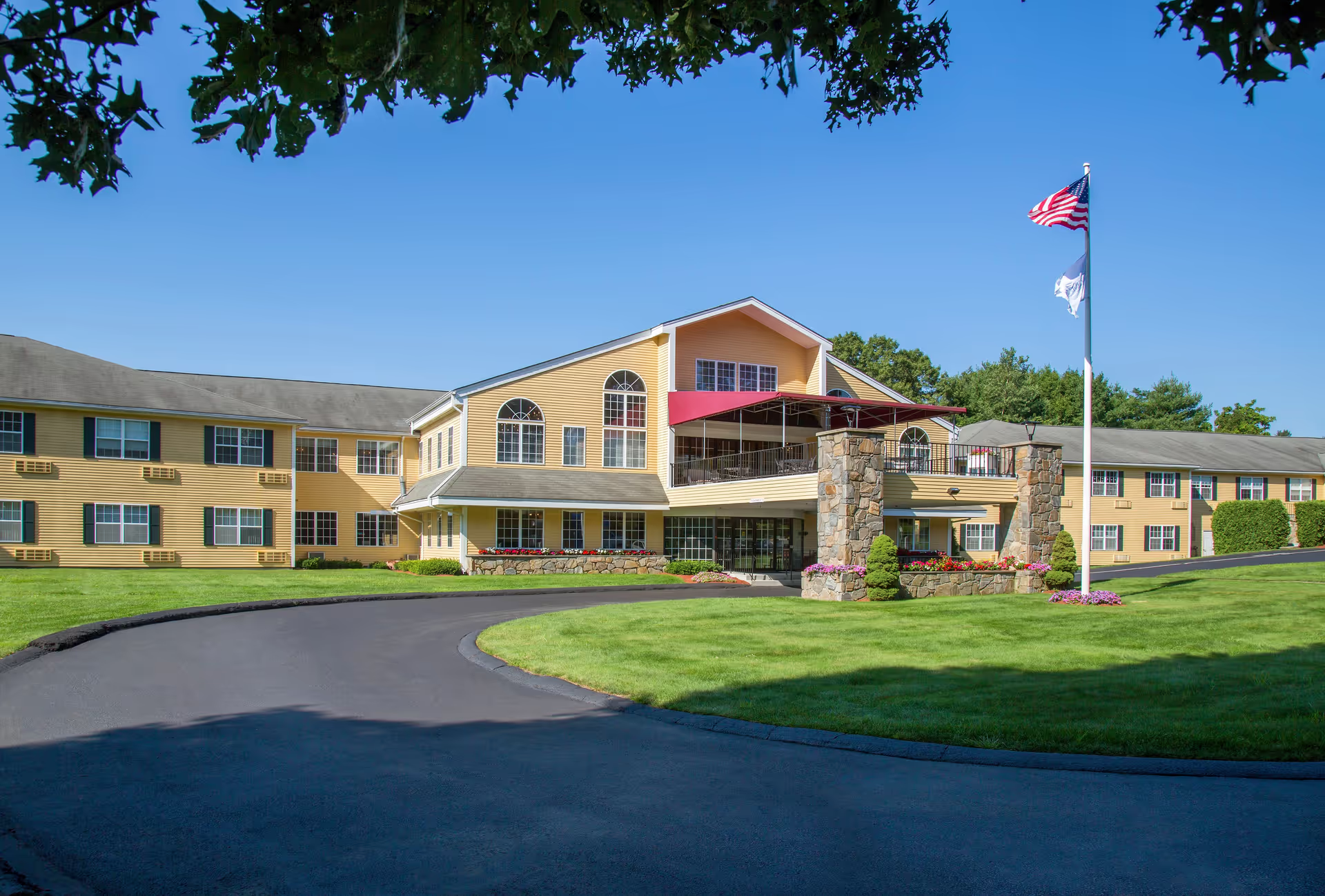
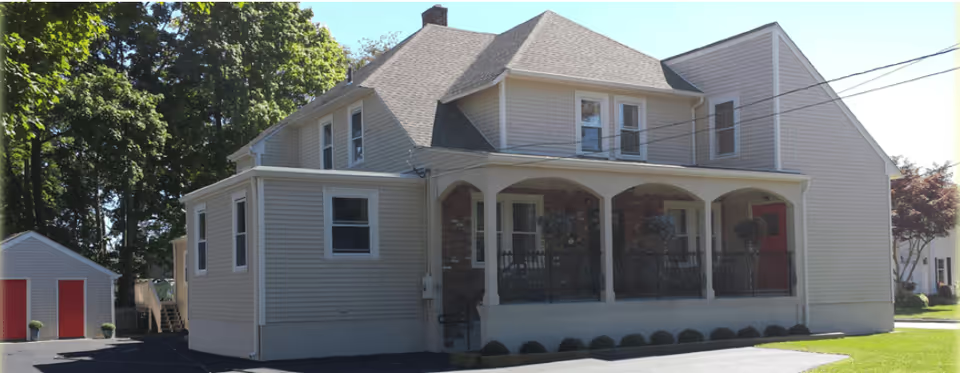
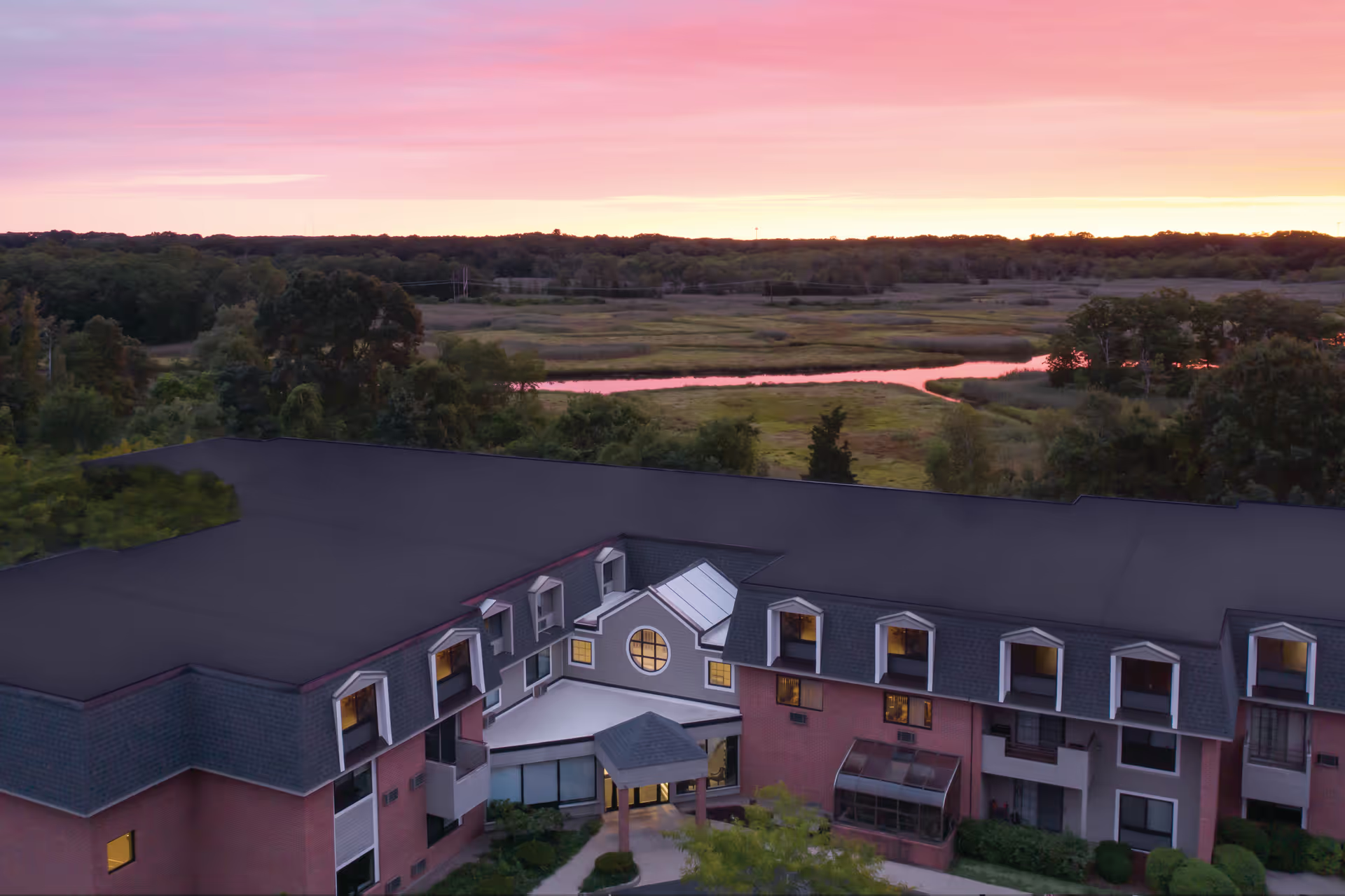
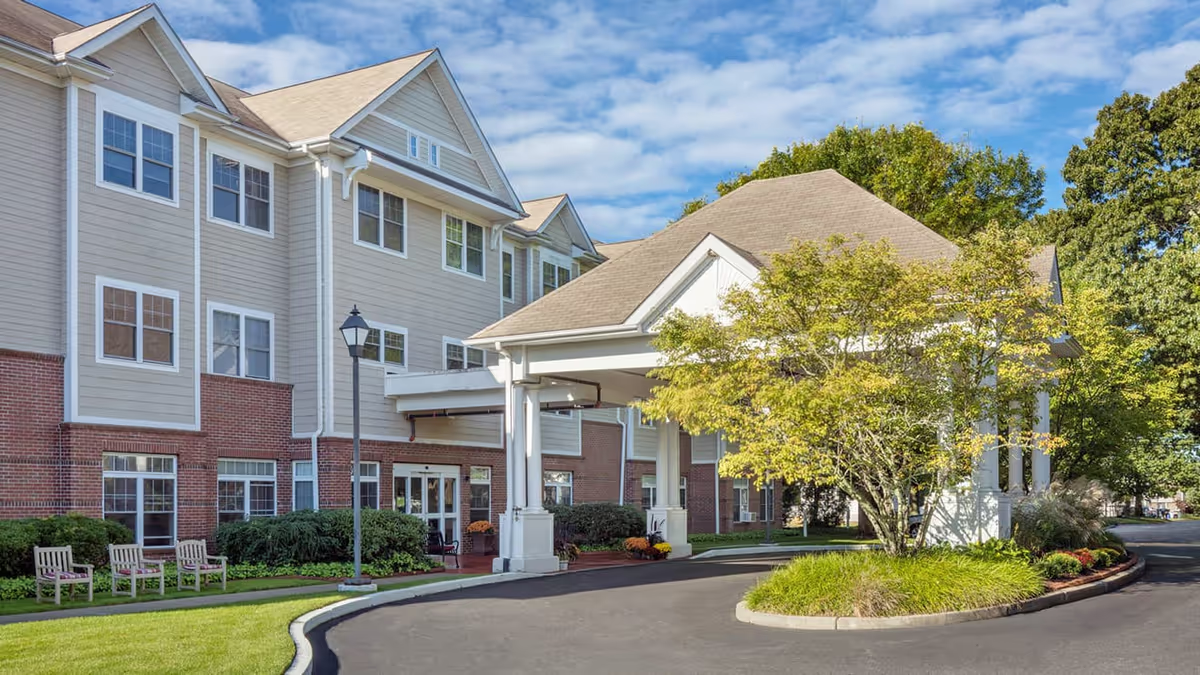
Tockwotton on the Waterfront elicits strongly mixed impressions. Many families and short-term patients praise the physical plant, rehabilitation resources, and activity programming: the building and grounds are consistently described as clean and attractive, private rooms and communal spaces convey a hotel‑like atmosphere, and the waterfront setting and outdoor seating areas are valued for quality of life. The facility receives frequent positive comments for its short-term rehab capability — PT/OT availability, therapy schedules that include weekend coverage, and a robust rehab menu are recurrent strengths cited by visitors and discharged patients.
Direct-care staff receive divided but substantive praise: numerous accounts highlight attentive, compassionate CNAs and nurses, prompt housekeeping, timely maintenance, and staff participation in activities. The activities department, live music, and social programming are often described as lively and important to residents’ well-being. At the same time, an array of operational concerns appears across reviews. Chronic understaffing, low caregiver-to-resident ratios, and frequent staff turnover are described as recurring patterns that affect basic assistance, timeliness of responses to call bells, and supervision. Several families reported delays in attending to resident needs and uneven overnight clinical coverage; these point to facility-level workforce and scheduling challenges rather than isolated incidents.
Clinical and safety-related process weaknesses are a common theme. Reviewers raised issues around medication-access controls and medication-management processes, fall-prevention and transfer-safety practices, and documentation integrity. There are also reported gaps in property-security and resident-privacy procedures, including missing items and information-release concerns. Family communication and care-coordination practices are described as inconsistent: some families experienced proactive, helpful admissions and follow-up, while others encountered unreturned calls, limited after-hours contact, and unclear communication around transfers — including hospice transitions and related billing questions.
Dining and meal service receive mixed assessments. Many reviewers praise healthy and appealing menu options, flexible dining schedules, and restaurant-style dining; others describe variability in meal quality, execution gaps when staffing is constrained, and occasions when meals were untouched or service was disrupted. Similarly, perceptions of management vary widely: positive experiences describe professional, informative leadership and strong resident focus, while negative accounts point to perceived lack of responsiveness from administration, low employee morale, and leadership turnover that families believe has affected care consistency.
Notable patterns for prospective residents and families: the facility consistently scores highly for environment, amenities, rehabilitation services, and social programming, making it an attractive option for short-term rehab or residents seeking an active community in a scenic setting. However, persistent operational concerns — particularly around staffing levels, timely response to resident needs, medication and documentation controls, and variable communication — warrant targeted questions during tours and decision-making. Families should ask about current staffing ratios and schedule coverage (including nights and weekends), call-bell response systems, medication-safety protocols, fall-prevention practices, unit-level differences in staffing/quality, recent leadership changes, and hospice/transfer billing procedures. These specific inquiries will help clarify whether the facility’s strengths align with a prospective resident’s care needs and safety expectations.