Reviewers describe a facility with clear strengths in its direct-care culture and activity programming alongside recurring operational weaknesses that families should weigh. The staff—nurses, CNAs, therapists, receptionists and ambassadors—are the most frequently praised element: many families used words such as compassionate, attentive and family‑like to describe daily interactions. Therapy services, particularly physical therapy, are cited as effective at restoring function. The activities/recreation program is consistently described as creative and abundant, with themed events, entertainers, gardens and frequent social opportunities that contribute to a lively environment. Several reviewers also noted comfortable, updated resident rooms, restaurant‑style dining presentation in some contexts, and language support for Portuguese‑speaking families.
At the same time, a pattern of clinical and operational concerns appears across reviews. Understaffing on clinical units is the primary operational theme: accounts of only two RNs or limited CNAs on a floor underpin broader concerns about delayed assistance, slow response to call buttons, and inconsistent support for transfers. These staffing constraints are tied to reports of inconsistent medication administration and monitoring, and to gaps in transfer‑safety practices and fall prevention. For residents with cognitive impairment, reviewers note placement or programming mismatches — residents placed on regular floors instead of dementia‑specific units and limited dementia‑focused approaches — which families identified as a contributor to confusion and distress. A small number of families raised serious concerns following hospital transfers and end‑of‑life events, and there are mentions of regulatory attention and allegations related to clinical practice and medication handling.
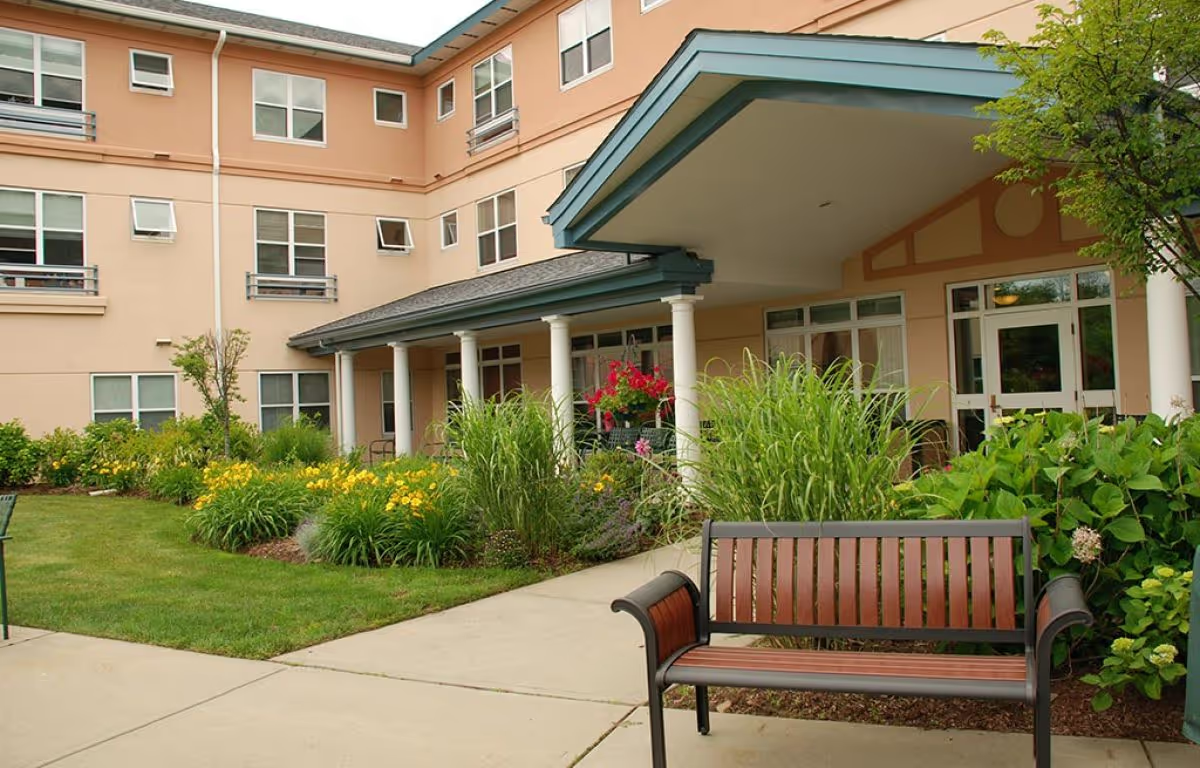
Dining and housekeeping feedback is mixed. Many families praise restaurant‑style meals, fresh fruit and attentive kitchen staff; others describe intermittent declines in meal temperature, bland or frozen meals, and inconsistent service. Cleanliness and maintenance receive similar mixed comments: common areas and some rooms are described as well maintained, while other reports mention sanitation concerns and odor-control inconsistencies. Outdoor spaces and gardens are widely viewed as positive amenities.
Management and communication show variability. Several reviewers compliment prompt contact from staff and highlight individual front‑line employees who go above and beyond; others describe limited responsiveness to formal complaints and an absence of corporate follow‑up when issues are escalated. Cost is a practical consideration noted by families. Overall, prospective residents and families should weigh the facility’s strong interpersonal culture, therapy outcomes and robust activities program against operational risks tied to staffing levels, medication and safety processes, dementia‑care alignment, and inconsistent housekeeping and meal‑service standards. Visiting in person, reviewing staffing ratios for the intended unit, and asking about dementia programming and incident‑response protocols would be prudent steps before decision making.