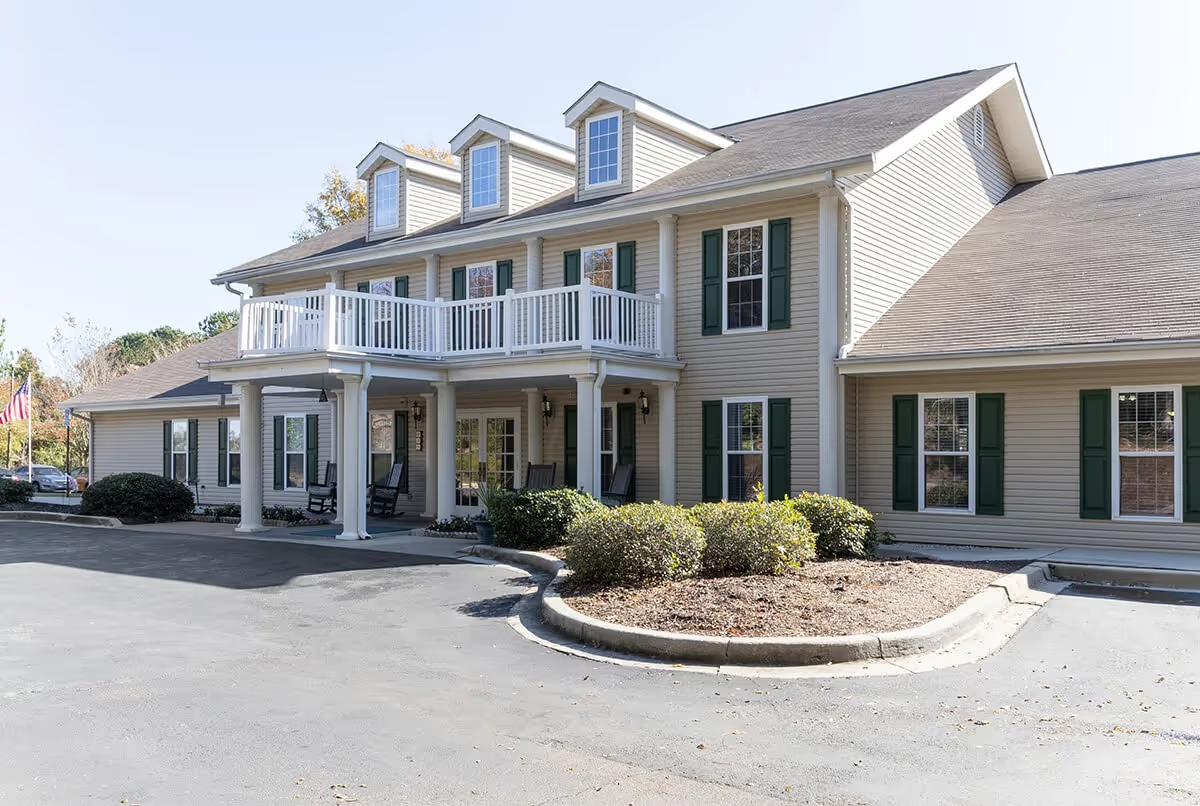
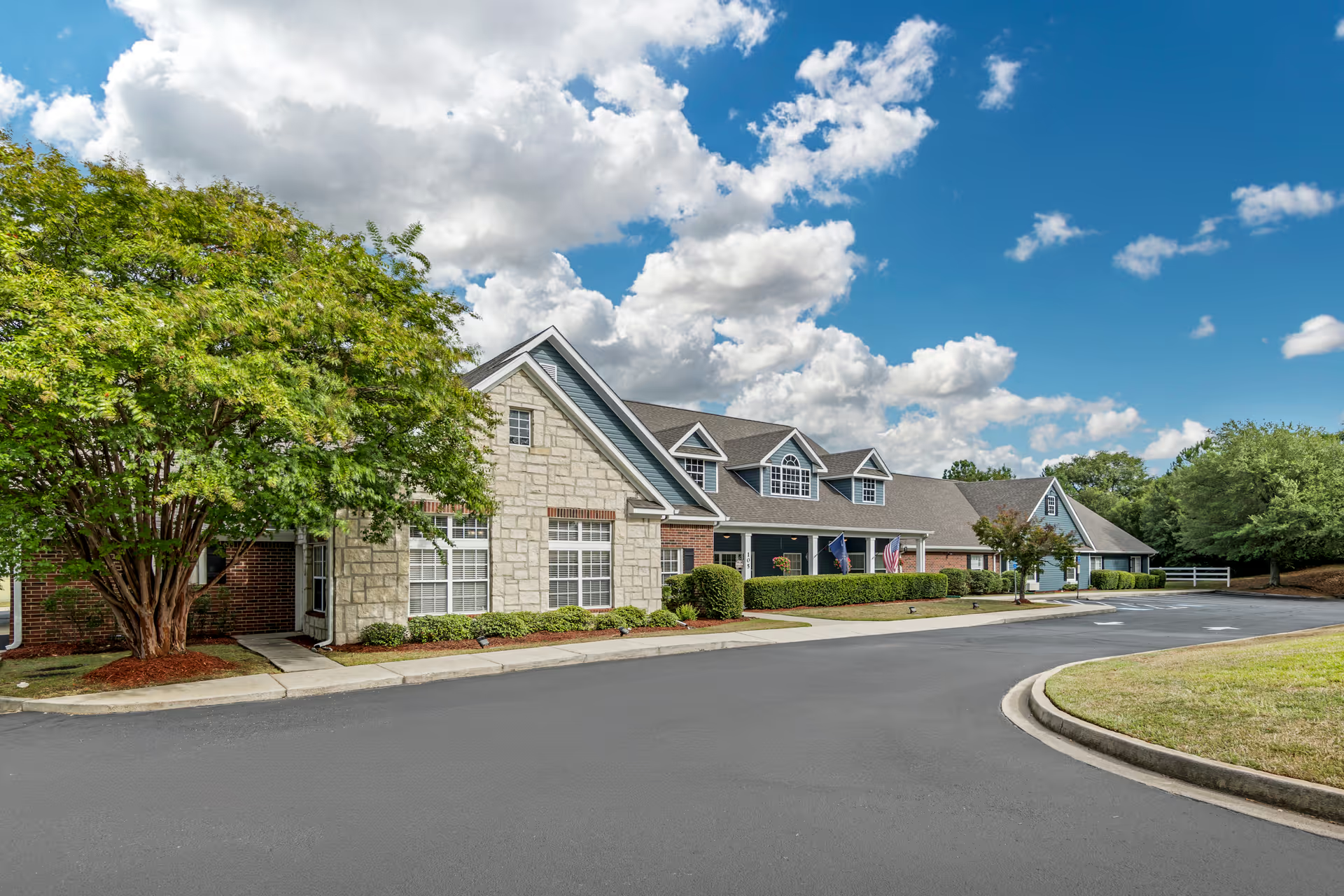
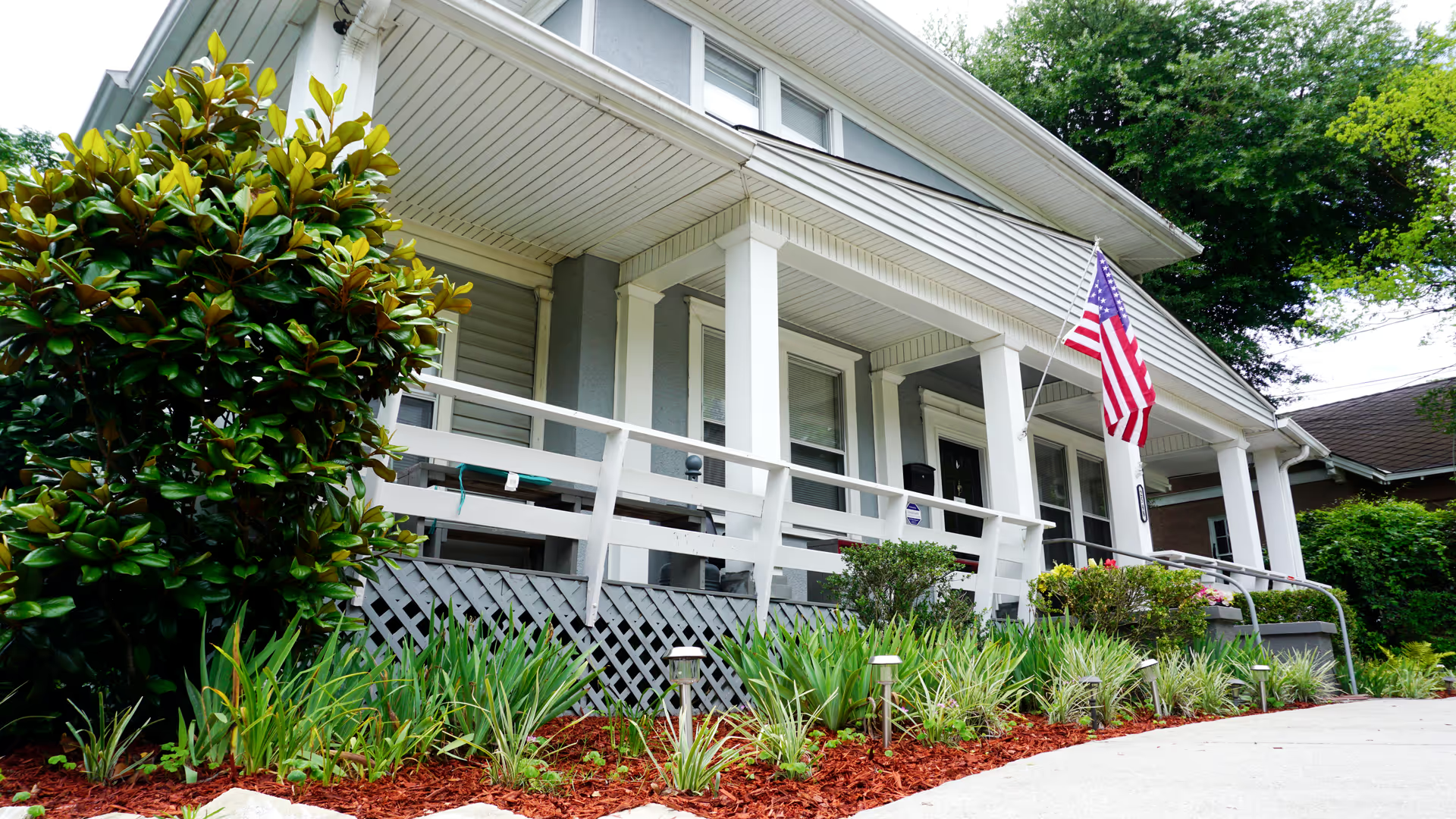
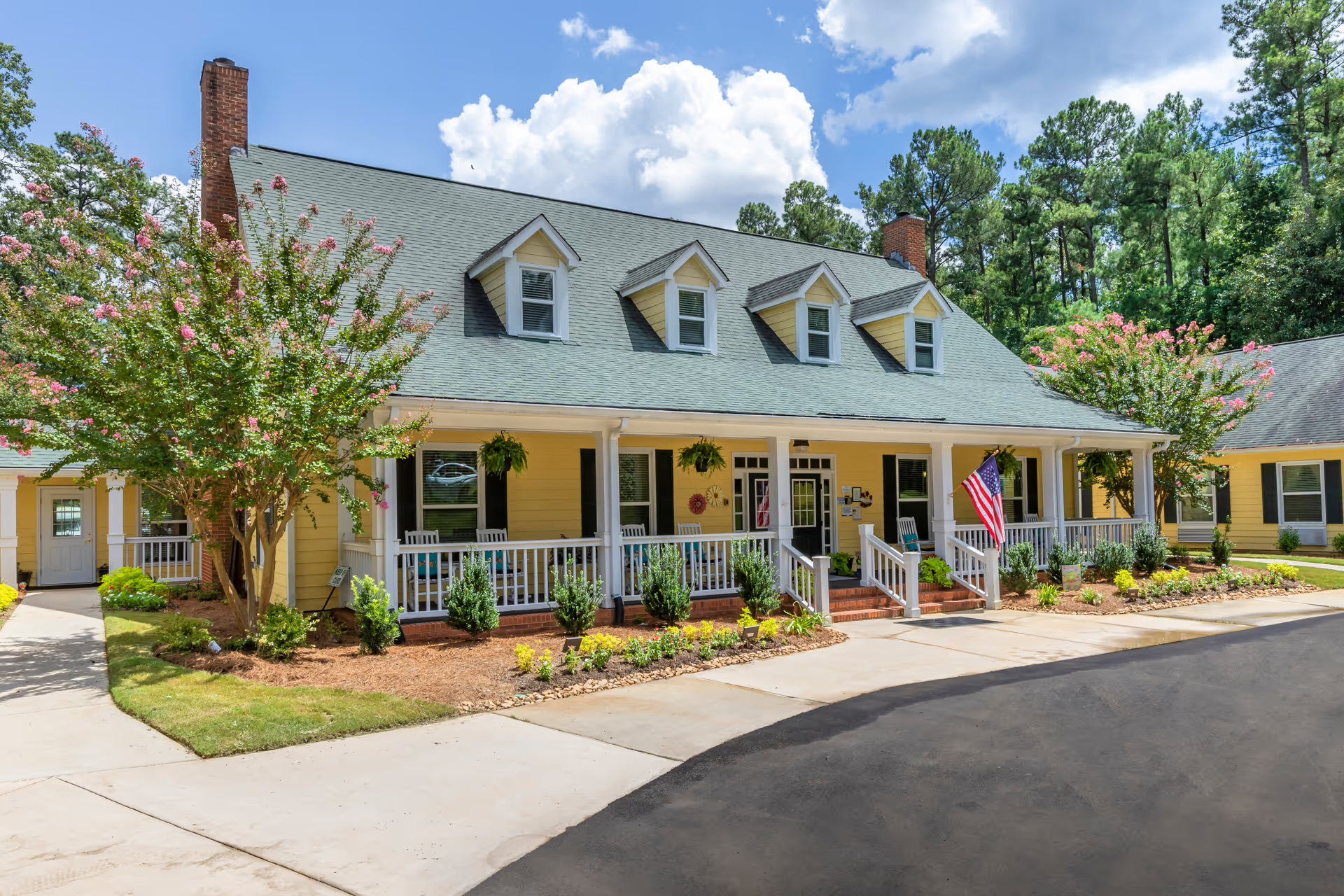
Aiken Memory Care elicits strongly mixed impressions. Many families and visitors describe a warm, home‑like environment with caregivers who are compassionate, dignified, and attentive to memory‑care needs. Reviewers consistently praise the facility’s memory‑care focus, individualized daily attention, and social opportunities: life‑enrichment programming, music and piano sessions, and frequent group activities are cited as drivers of resident engagement and improved quality of life. Several comments highlight standout employees and hands‑on support during move‑in, and the dining program generally receives positive remarks for variety and special events.
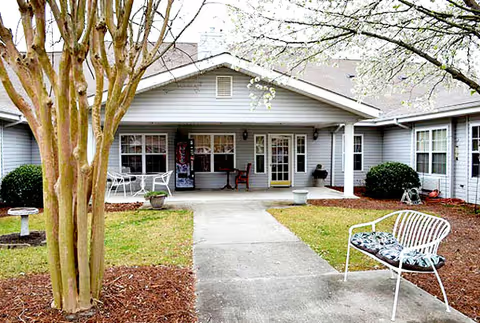
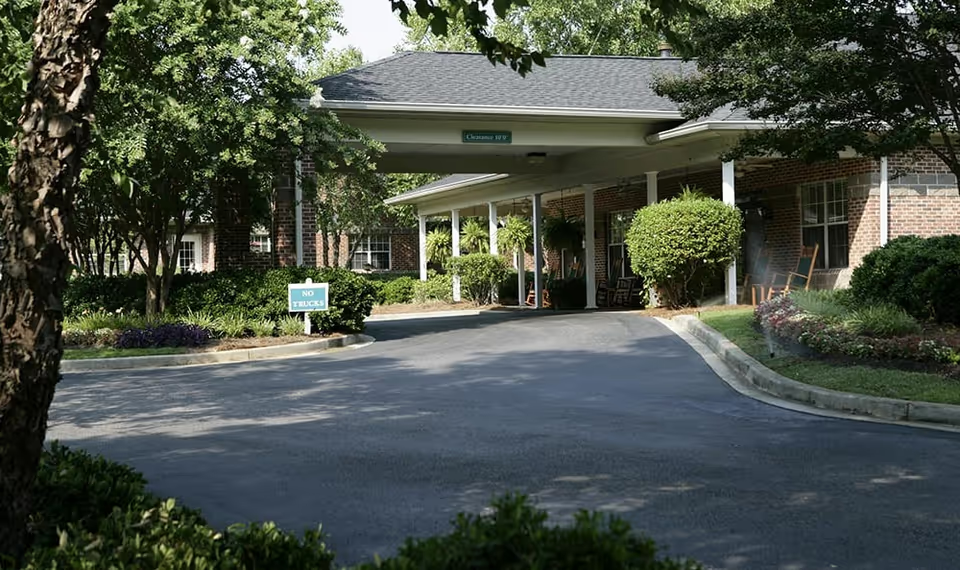
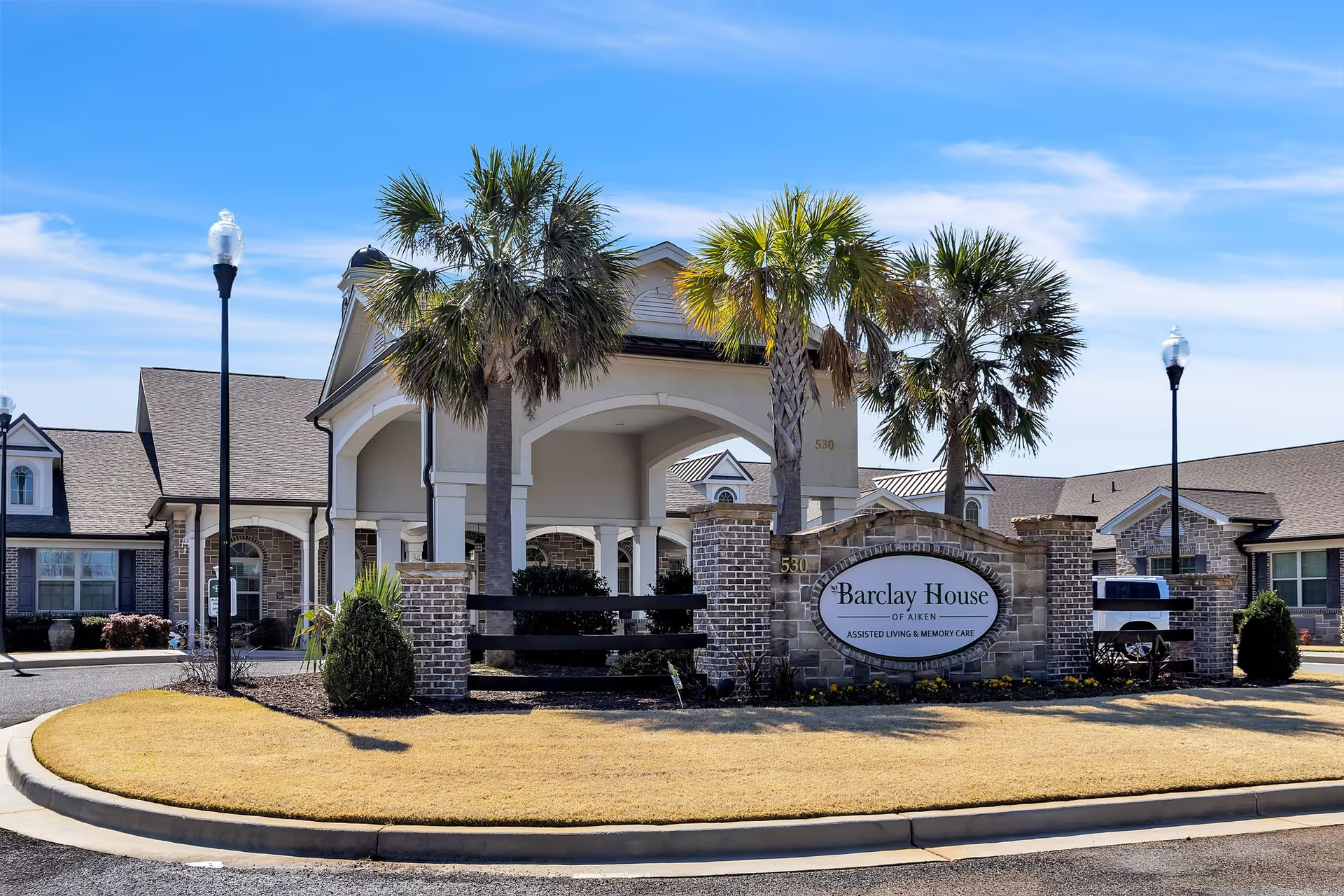
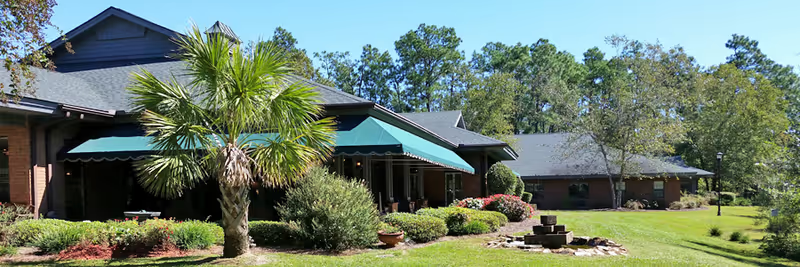
Physically, the building and common areas are frequently characterized as modern, clean, and well maintained; reviewers mention an immaculate kitchen, bright hallways, and thoughtfully designed memory‑care spaces. Families also note effective maintenance support in some instances, with staff assisting beyond routine tasks during move‑in and furnishing assembly. The facility’s atmosphere is often described as welcoming, with residents forming new friendships and staff providing respectful, personalized interactions.
At the same time, a notable subset of accounts describes operational weaknesses that affect care consistency. Several families reported significant staff turnover and subsequent variability in staff quality and engagement. That instability is associated with inconsistent responsiveness to clinical issues and delays in escalating medical concerns to outside providers. Related themes include communication gaps with management, difficulty reaching leadership at times, and unclear explanations to families about incidents or care decisions.
There are also recurring facility‑level concerns about housekeeping and pest control in certain resident rooms, along with examples of delayed maintenance (for example, unresolved bed repairs) and inconsistent amenity availability (salon services, activity frequency). While common areas are often praised, these room‑specific sanitation and pest‑control issues represent an operational weakness when they occur. Finally, families described variability in how room access and resident supervision are handled and in how promptly maintenance items and complaints are tracked and resolved.
Overall, Aiken Memory Care shows clear strengths in specialized memory programming, interpersonal caregiving, and dining/activity offerings, combined with a modern facility and several staff who receive strong praise. Prospective residents and families should weigh these strengths against reported variability in staffing stability, operational follow‑through on maintenance and housekeeping, and occasional communication or clinical‑response gaps. A careful tour that asks about current staffing levels, turnover history, clinical‑escalation protocols, maintenance logs, pest‑control practices, and the regularity of life‑enrichment programming will help assess whether the facility’s current operating status aligns with a family’s expectations.