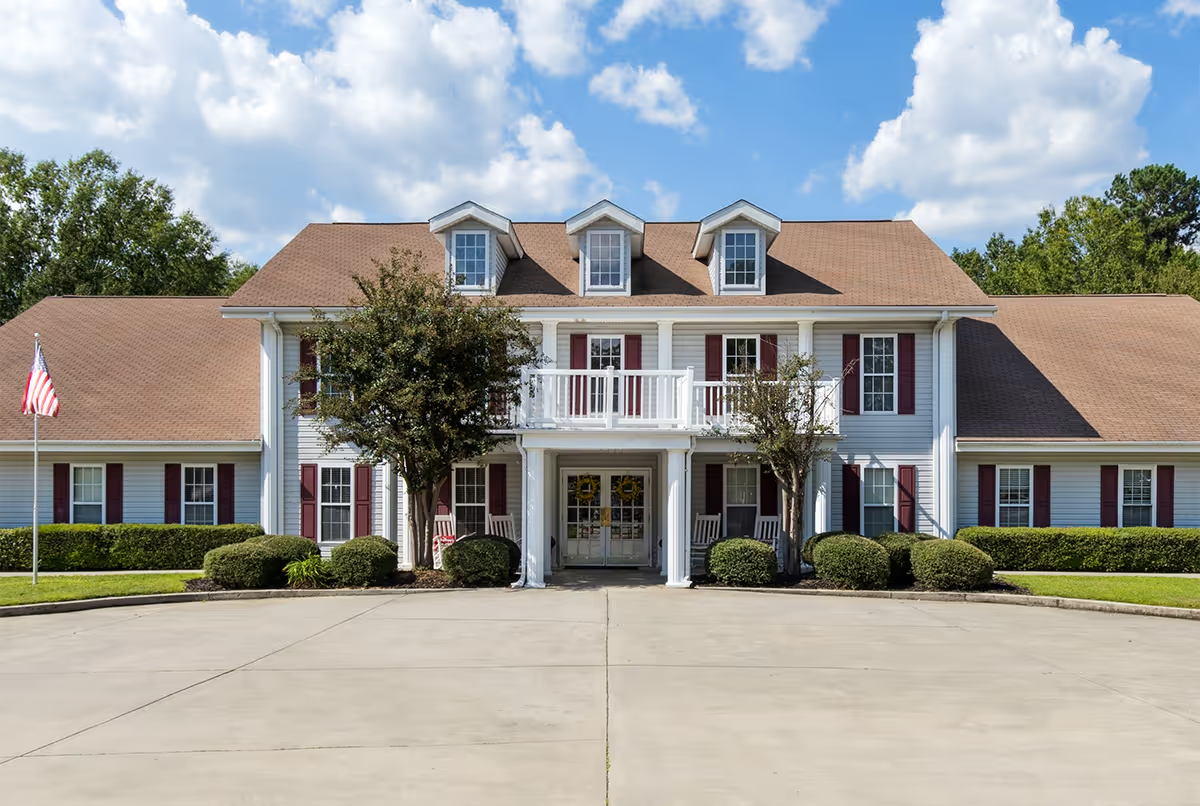
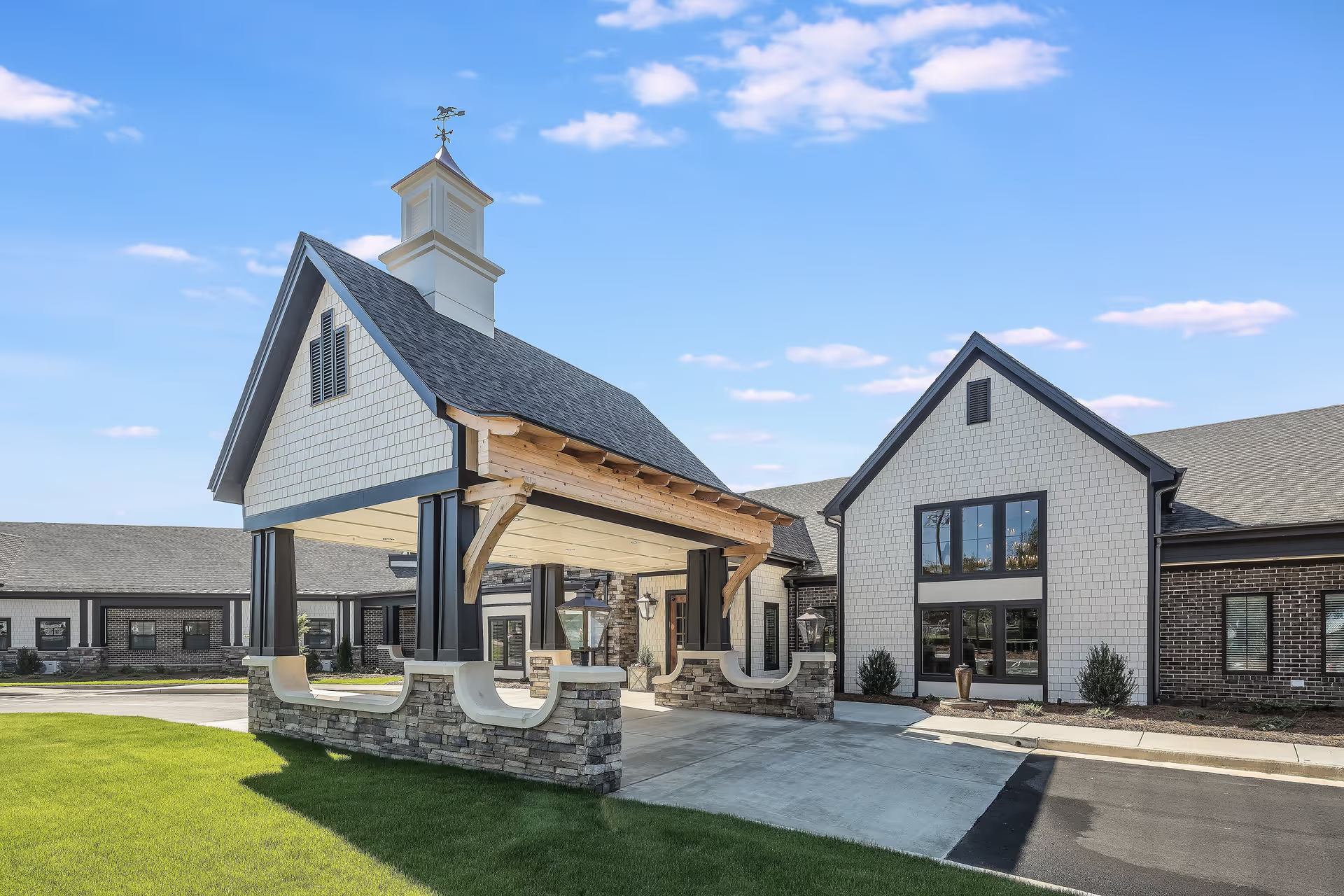
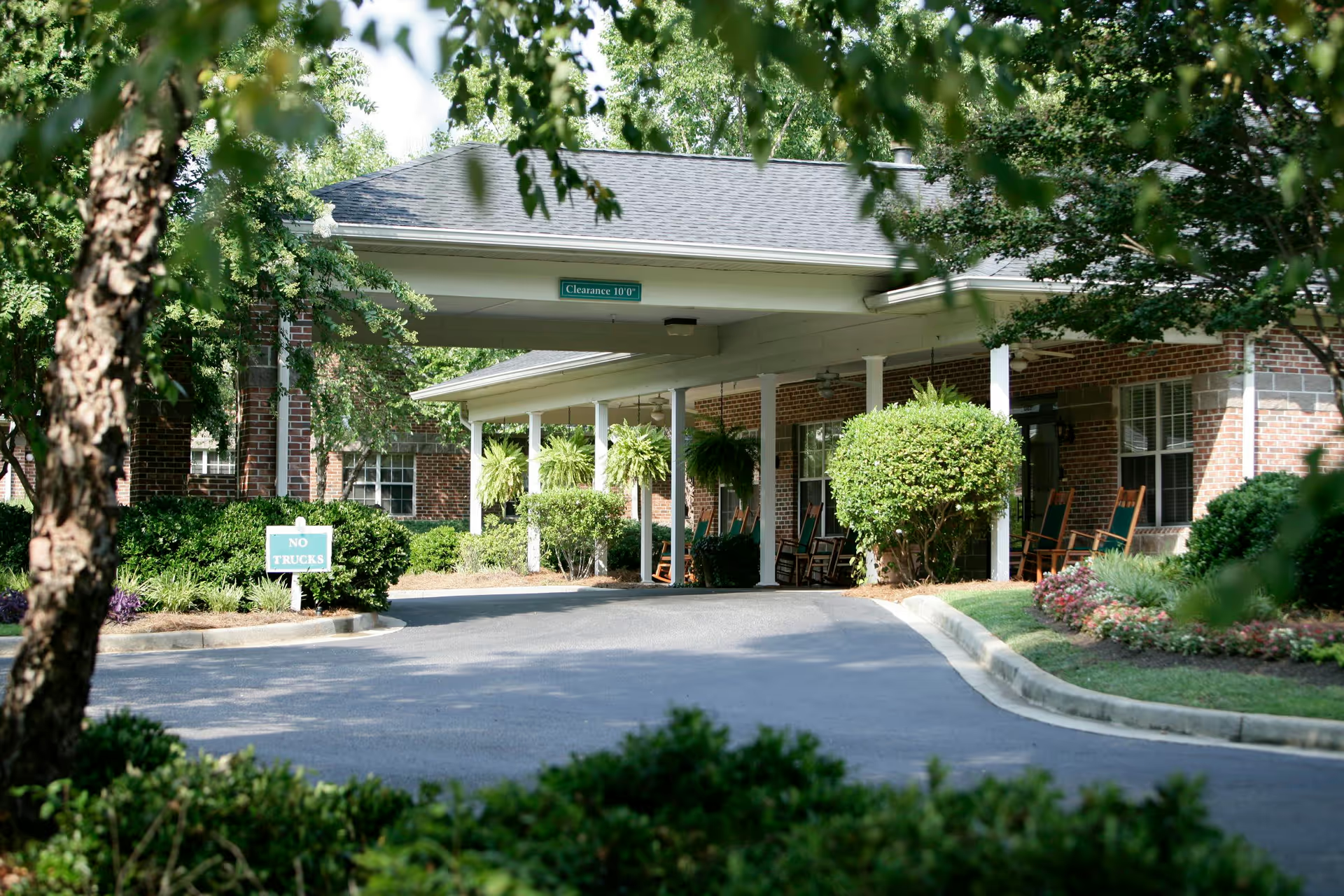
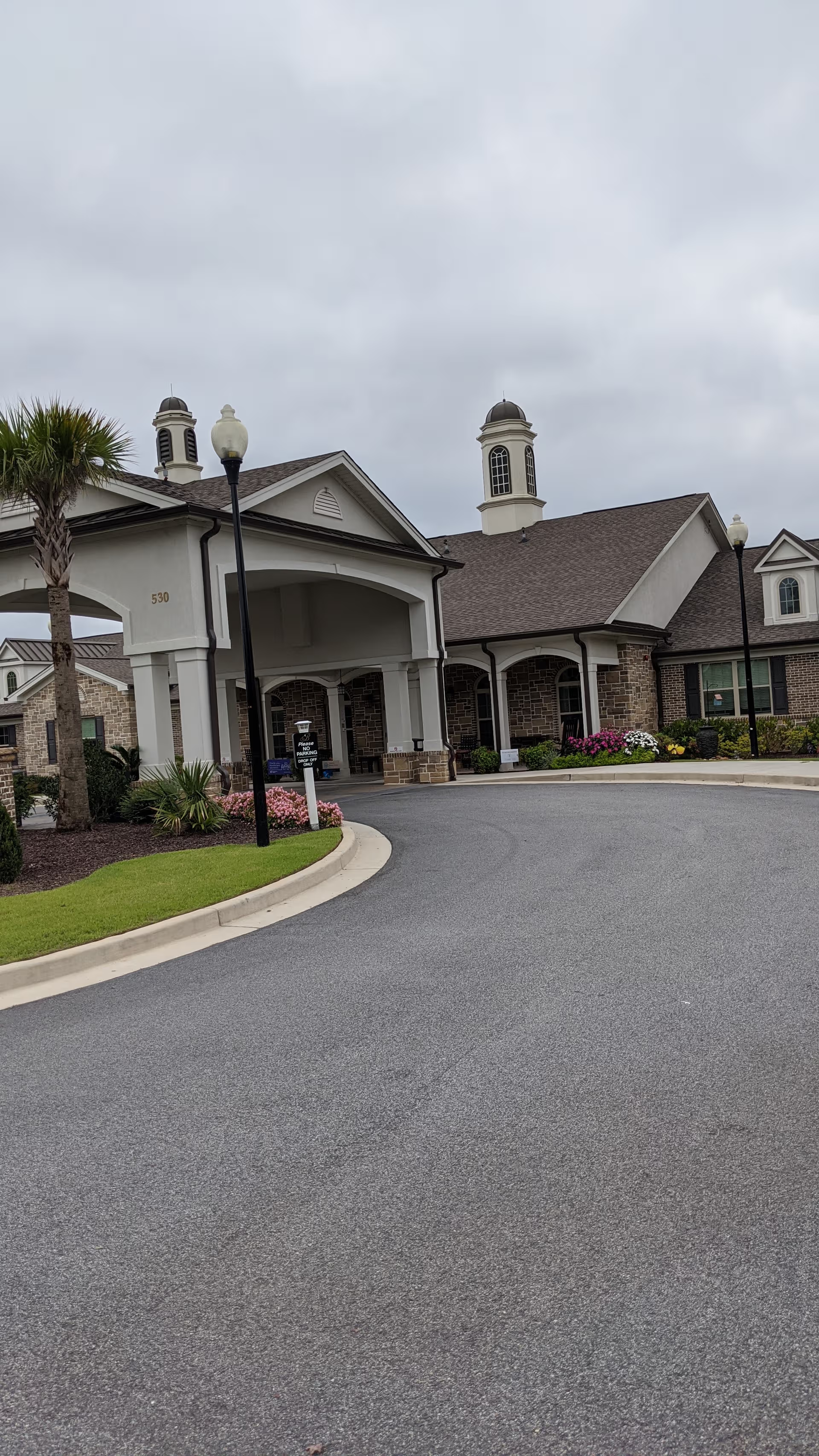
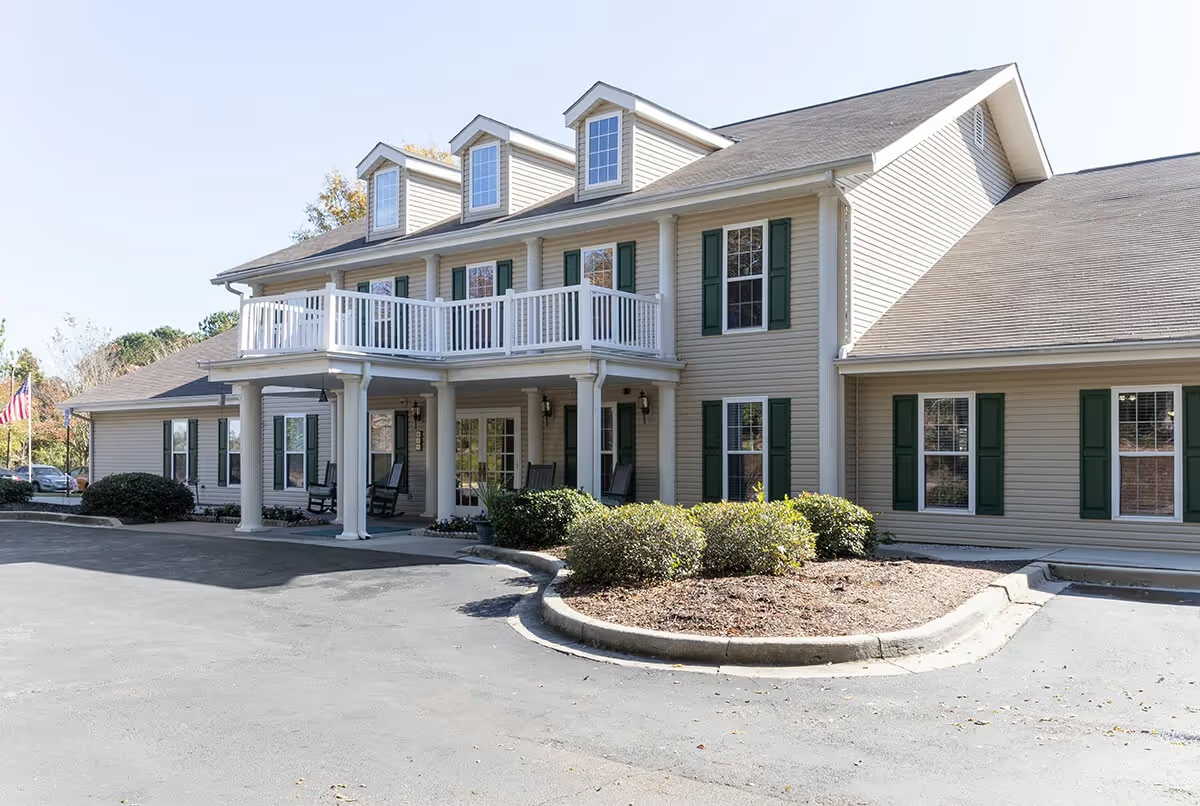
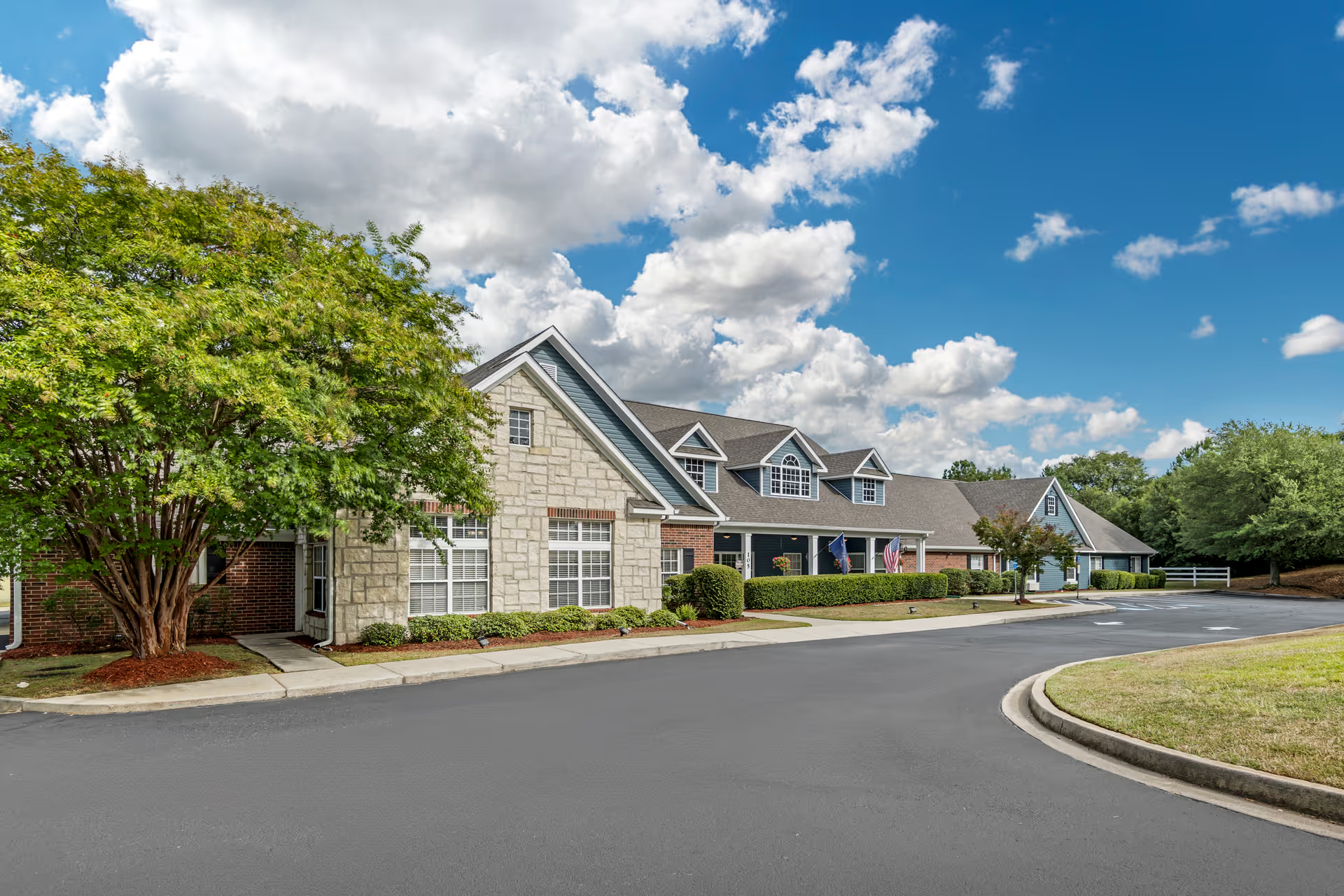
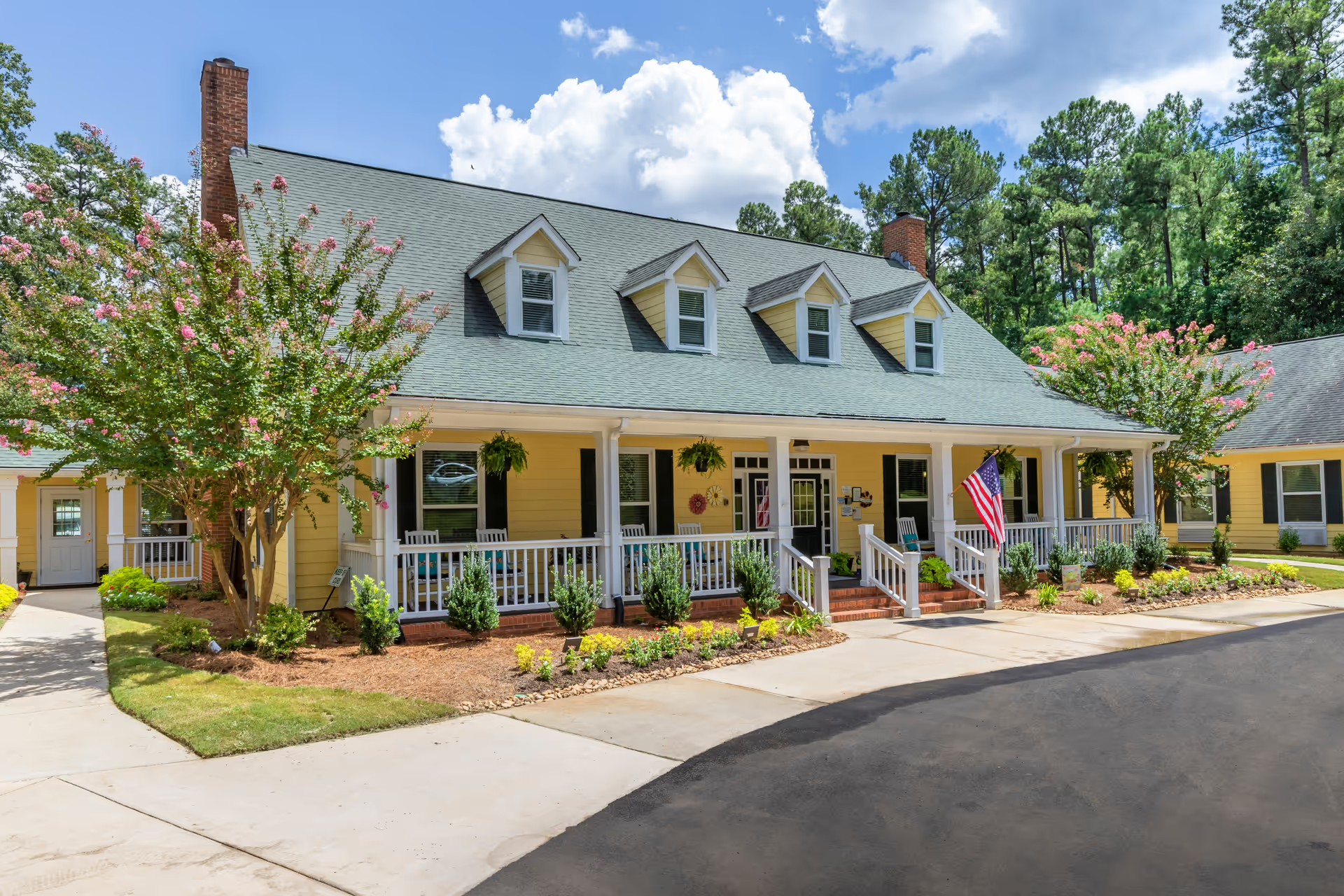
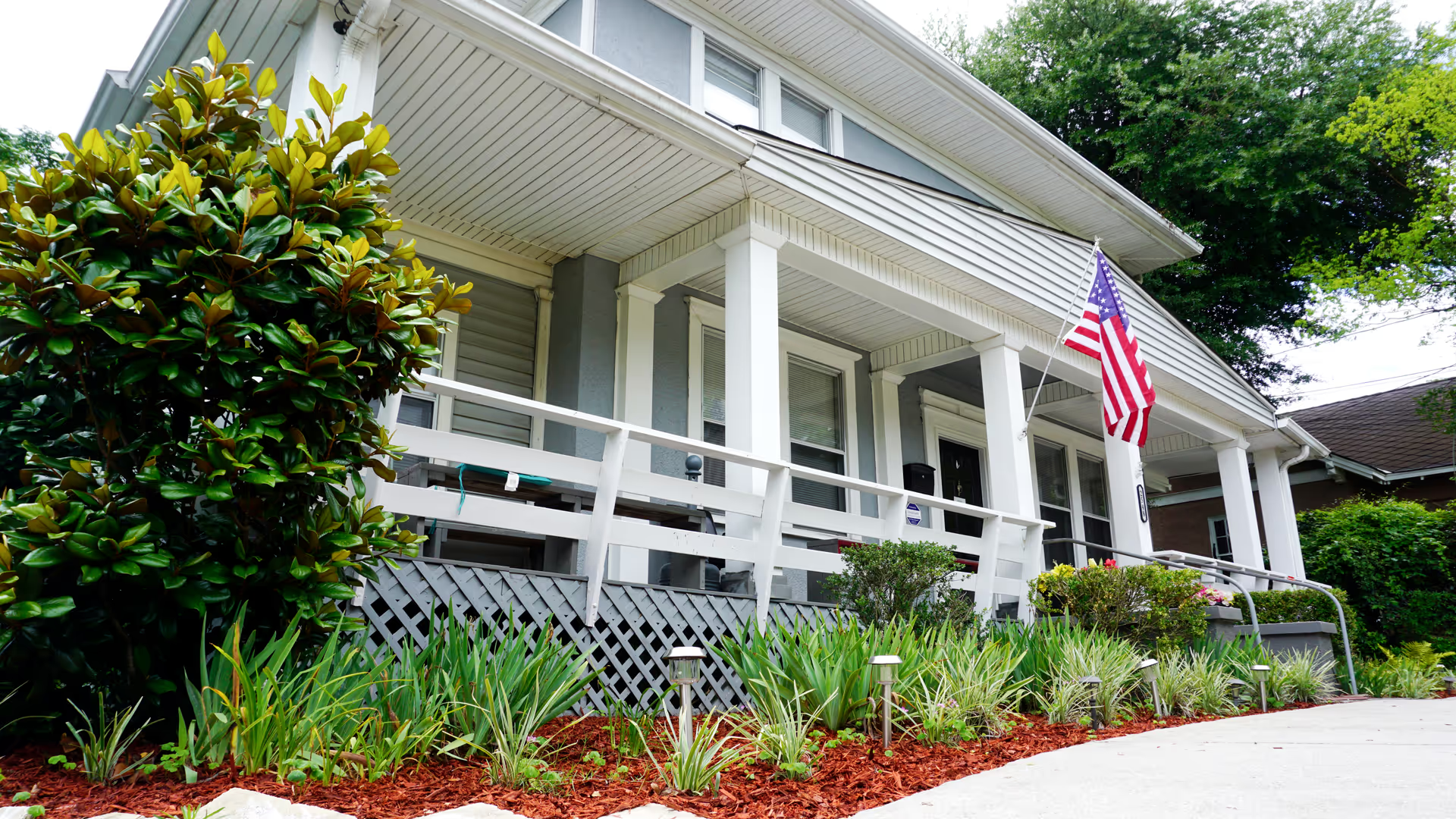
Overall impression: Shadow Oaks Assisted Living is described by many families as a well-kept, attractive campus with a strong emphasis on a "family" culture. Reviewers frequently note compassionate caregivers, a rehabilitation focus, and active efforts to keep families informed. The community’s grounds, dining spaces, and certain units (including memory care) receive consistent praise for appearance and comfort.
Care and staff: Care quality is a recurring strength in the reviews. Families describe staff who are attentive, patient, and oriented toward preserving dignity; reviewers specifically cite rehabilitation successes, appetite and mobility improvements, and effective memory-care support. Communication with families—via phone, scheduled video/voice chats during pandemic restrictions, regular photo and status updates, and responsive follow-up—is emphasized as a valuable practice. At the same time, several comments point to variability in staff conduct and responsiveness and to concerns about front-office interactions; prospective families should inquire about staffing ratios, supervision, and escalation procedures during a tour.
Dining: Dining and food service receive largely positive comments. Reviewers mention appetizing menu options, attentive kitchen staff, special meals for holidays, and room-delivery service. Multiple accounts highlight attentive chefs and described the dining environment as pleasant. These strengths contribute to perceptions of good day-to-day quality of life.
Activities and programming: The activity program is a notable positive. The schedule commonly includes group games, baking classes, yoga and exercise offerings, bingo, church services, and off‑campus trips for meals and outings. Wellness coordination and individualized rehab programming are also called out as meaningful contributors to resident engagement and recovery.
Facilities and amenities: The facility is frequently described as attractive and well maintained—wooded setting, pond, covered porches, sun rooms, and tasteful common areas. Memory-care and rehabilitation spaces are singled out as particularly well organized. However, some practical facility limitations are also noted: private-bedroom sizes can be small, respite rooms are described as compact, and certain shared-living options may feel more institutional than private-suite alternatives.
Management and operational patterns: Reviewers describe a mix of long-standing strengths and some operational variability. Several comments indicate improvements under new ownership and highlight proactive programming and upkeep. Conversely, there are persistent concerns about administrative consistency—especially front-office responsiveness—and about infection-control practices and communication during COVID-19; these appear uneven across experiences. More serious individual claims have also been raised regarding theft and medication-handling vulnerabilities; these are discrete but important allegations that prospective families should investigate directly with management and through regulatory records.
Recommendations for prospective families: Shadow Oaks offers many attributes families seek—compassionate caregiving, active programming, secure access, and attractive grounds—but the facility also displays variability in administrative and clinical operations. Families touring the community should ask for current staffing ratios, turnover rates, infection-control protocols, incident-reporting and resolution procedures, financial controls related to resident medications and valuables, and exact unit/room dimensions for any available apartments. Verifying recent inspection records and speaking with current residents or family members can help clarify how consistent the positive practices are across the community.