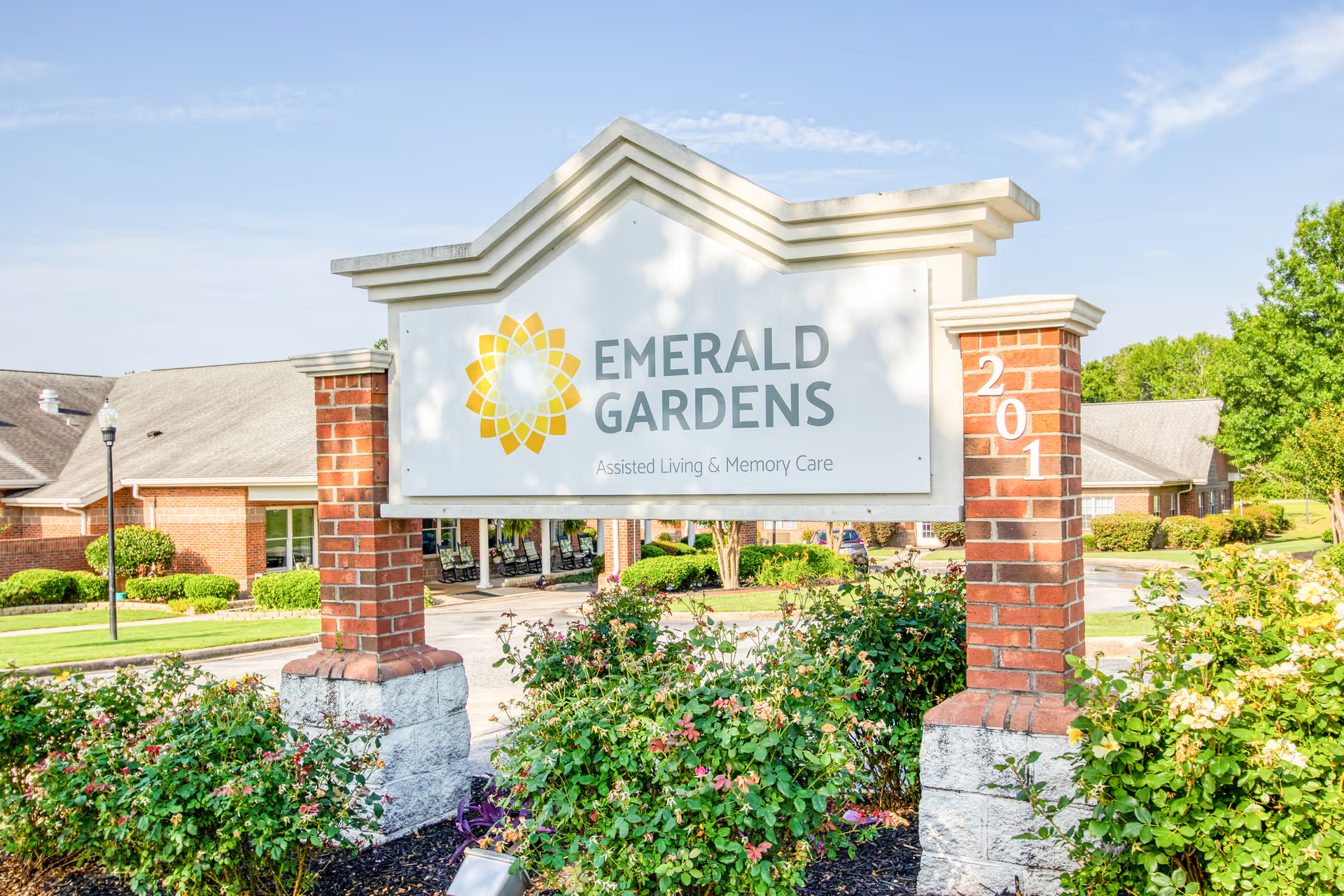
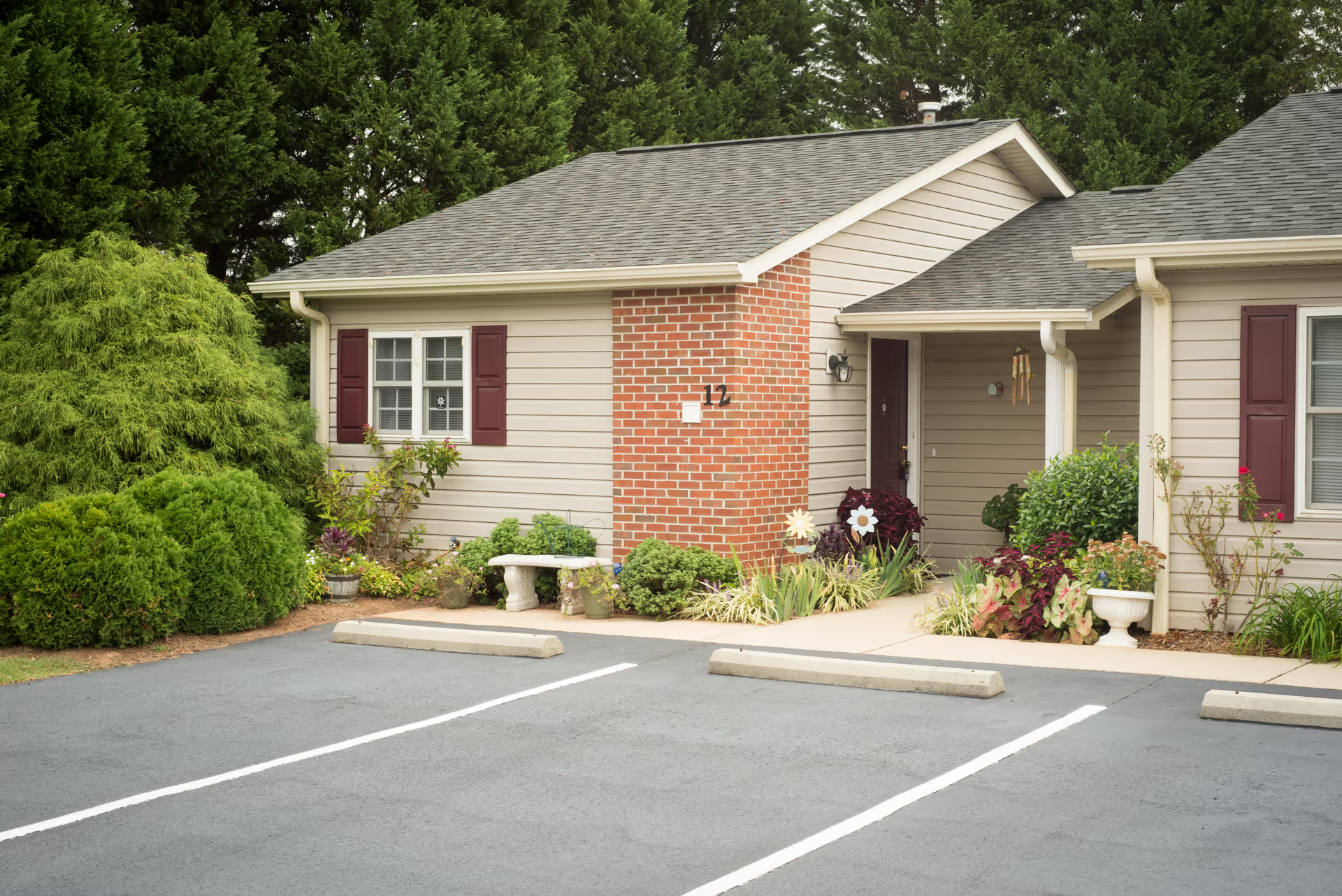
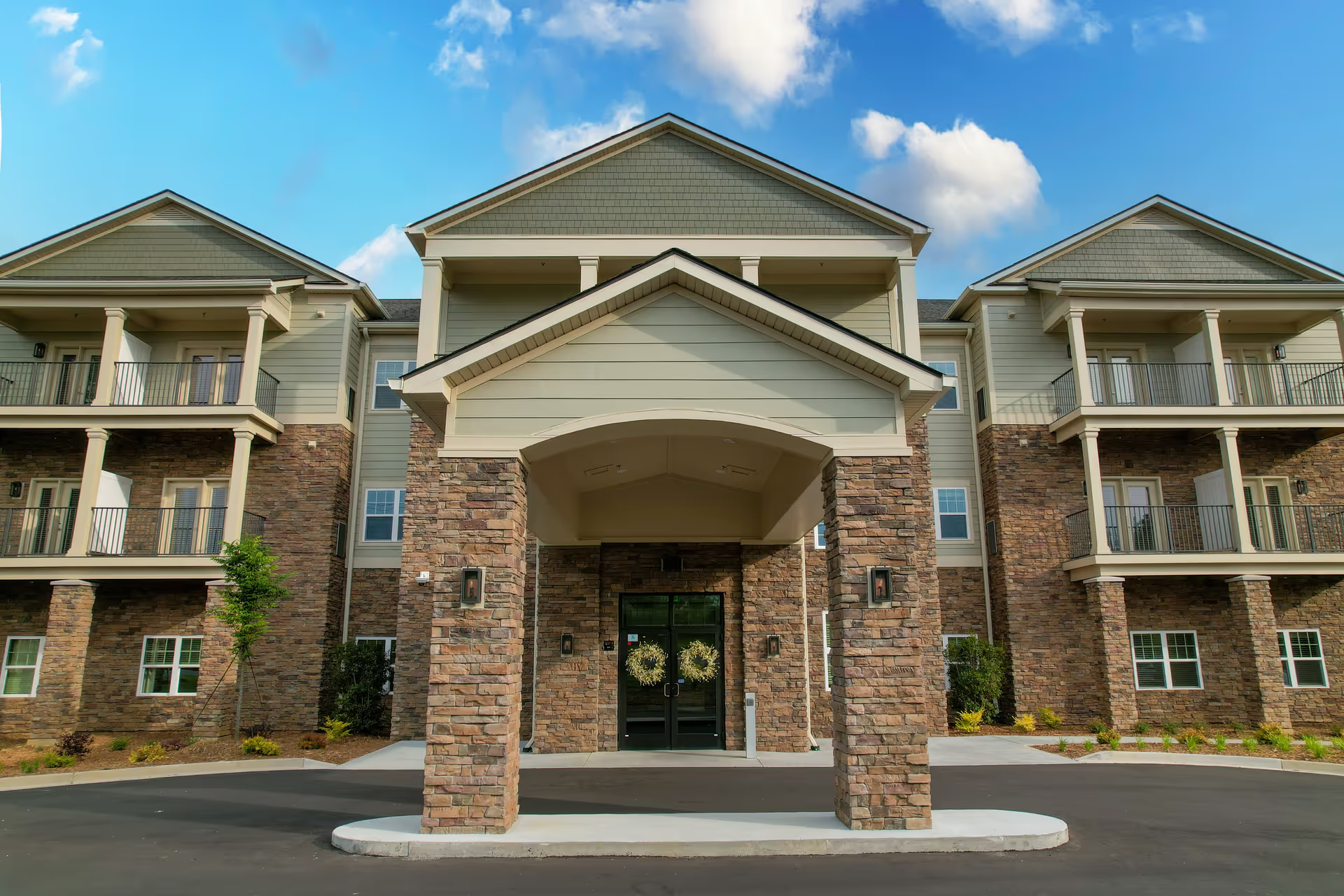
The reviews show a mixed picture of care and operations. Many accounts highlight a strong therapy department, courteous caregivers, and a clean, bright physical environment with useful amenities such as outdoor and picnic areas. Activity programming (for example, bingo and karaoke) and dining flexibility (dining-room service plus meals delivered to rooms) are frequently described as positive elements that keep residents engaged. Several families described regular, proactive communication and described hospice staff positively in end-of-life situations.
Care quality and staff conduct appear variable. While multiple accounts praise compassionate nurses, CNAs, and effective therapy staff, other accounts raise concerns about unprofessional conduct, slow responsiveness, and what reviewers characterized as inconsistent care. Staffing levels are cited as a contributor to delayed assistance, medication timing issues, and gaps in routine attention. There are specific mentions of delayed medication administration and broader concerns about medication-management processes that prospective families may wish to review with leadership.
Dining and nutrition receive mixed feedback. Many reviewers praise well-balanced meals and the option to eat in the dining room or receive trays in rooms. At the same time, a subset of accounts describes rushed or limited meal service and concerns about dietary oversight — including diabetes management — that suggest variability in nutritional monitoring and individualized meal planning.
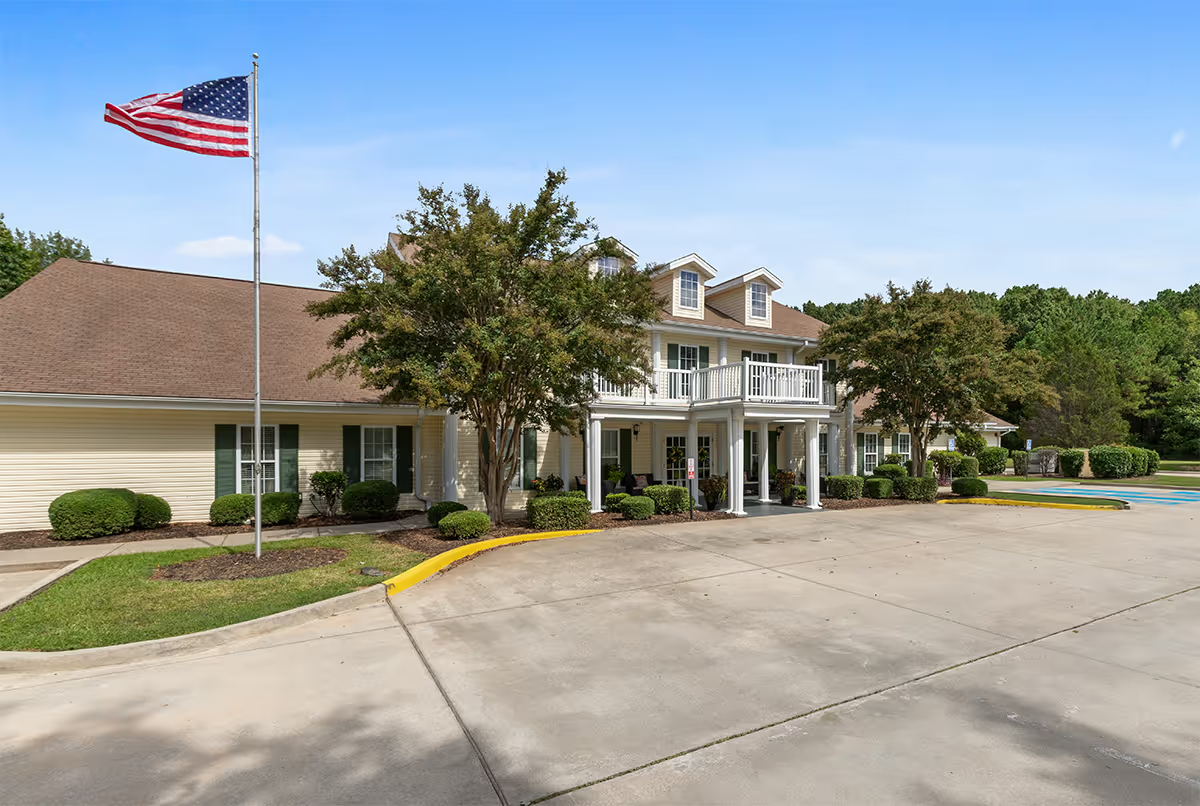
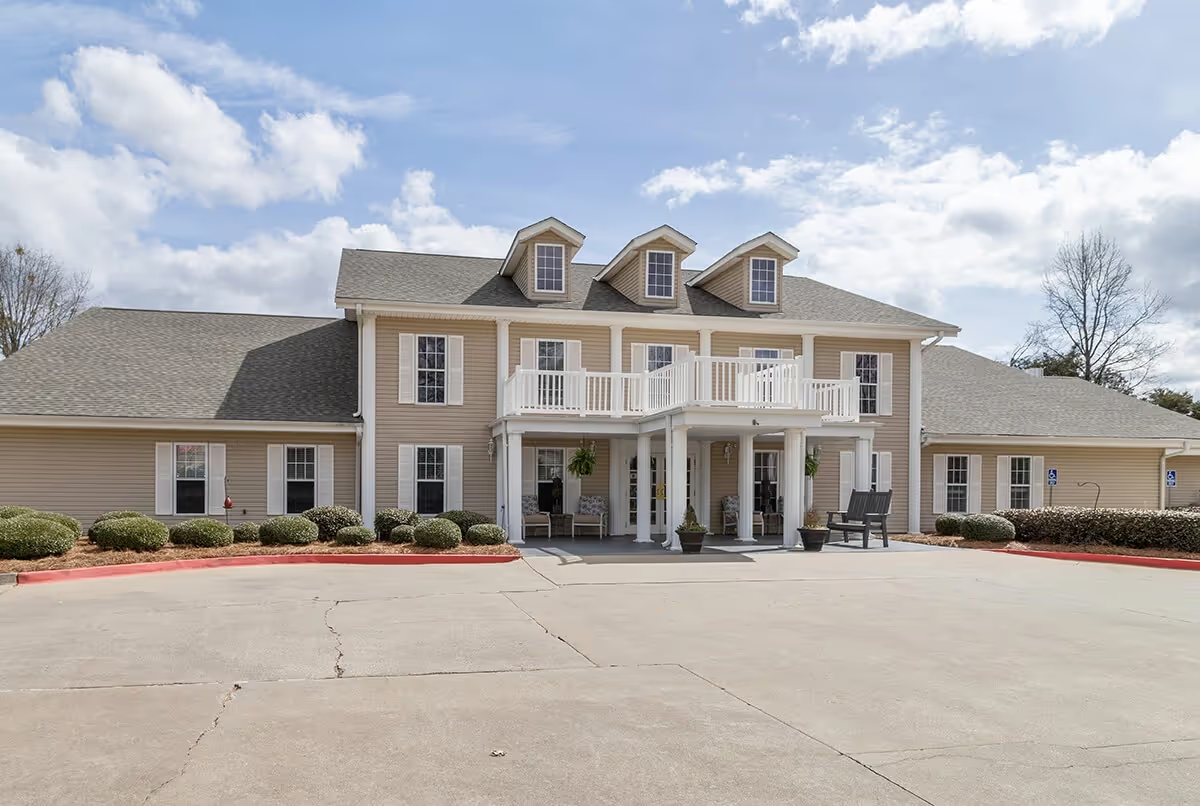
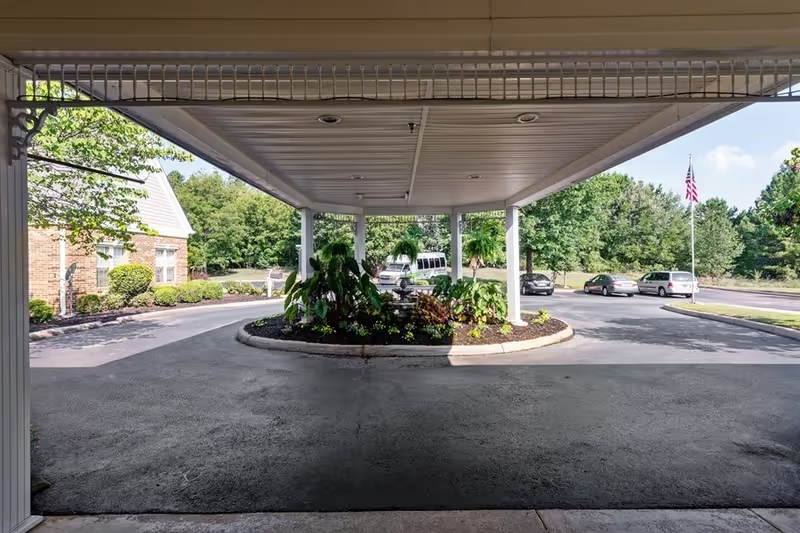
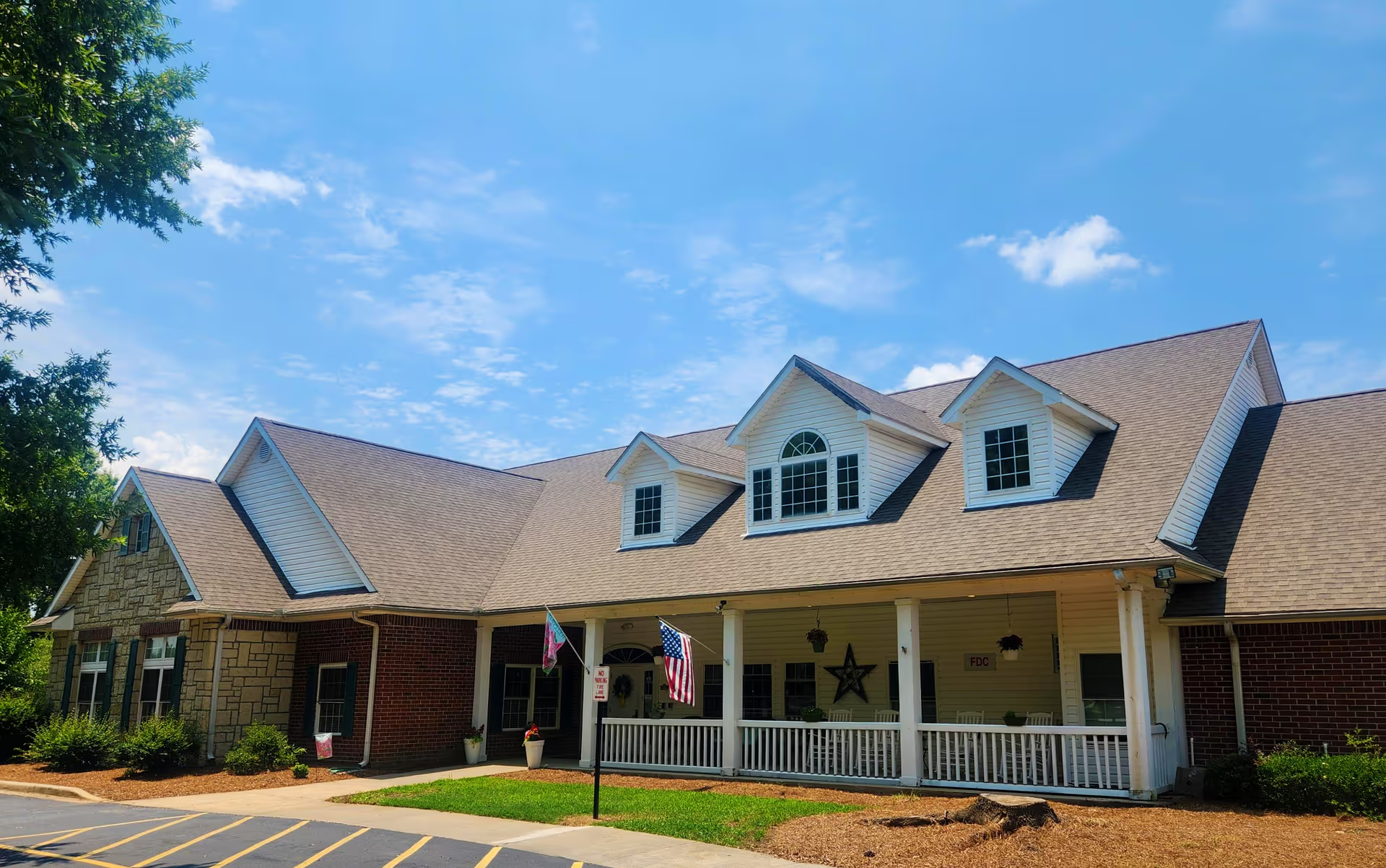
Facility and amenities are often seen as strengths: clean common areas, bright rooms, and active social spaces. However, there are complaints indicating sanitation and pest-control concerns in some areas, and some families described issues with handling of residents’ personal belongings. These items point to operational gaps in housekeeping and property-management practices rather than universal facility failure.
Administrative and operational patterns surfaced as recurring themes. Some families described clear, frequent communication and smooth coordination; others experienced poor communication with administration, billing or insurance coordination problems, early discharges with delayed transfer logistics (beds/wheelchairs), and what they characterized as mishandling of possessions. A small subset of accounts raises serious concerns, including allegations of theft and billing irregularities and difficulties around transfers and discharge planning; these are significant operational issues that warrant direct inquiry during any evaluation of the facility.
Overall, the facility elicits polarized experiences: strong therapy services, caring staff, and good amenities for many residents, contrasted with variability in staffing consistency, medication and dietary management, property handling, and administrative communication for others. Prospective residents and families should verify staffing ratios, medication-administration protocols, dietary/diabetes oversight, pest-control measures, property-handling policies, and billing/insurance procedures during a tour or intake discussion to determine how the facility’s current practices align with individual care needs.