Reviews of Compass Post Acute Rehabilitation present a highly polarized picture: many families describe excellent, outcome-oriented short-term rehabilitation and consistently compassionate individual caregivers, while other accounts describe significant operational shortcomings that affected safety, dignity, and recovery. The facility receives repeated praise for its therapy teams, with several reviewers crediting physical and occupational therapy staff for meaningful functional gains and successful discharges. Nursing staff and individual aides are frequently singled out by name for attentive, kind care; admissions and social-work staff are also noted as helpful and proactive in coordinating coverage and transitions.
At the same time, a number of substantive patterns of concern recur across reviews. Staffing and coverage appear inconsistent — reviewers describe slow or missed responses to call signals, long waits for assistance, and periods when nursing stations felt unmanned. These gaps are linked to clinical issues including delayed medication administration, inconsistent application of physician orders (for example oxygen or respiratory equipment), and delays in therapy initiation or follow-up. Several accounts raise concerns about skin integrity, infection issues, and urinary- and incontinence-care delays; together these point to gaps in routine clinical monitoring and escalation processes.
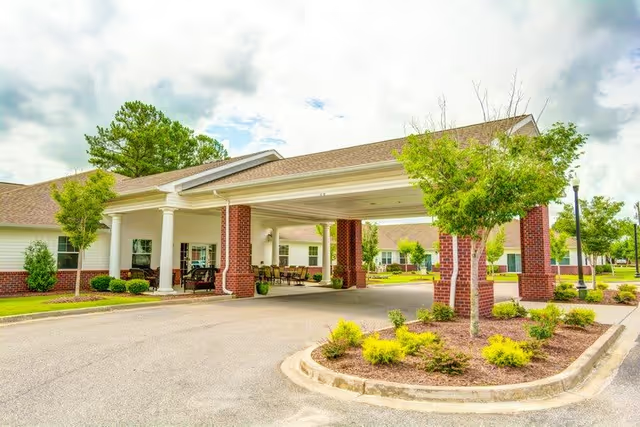
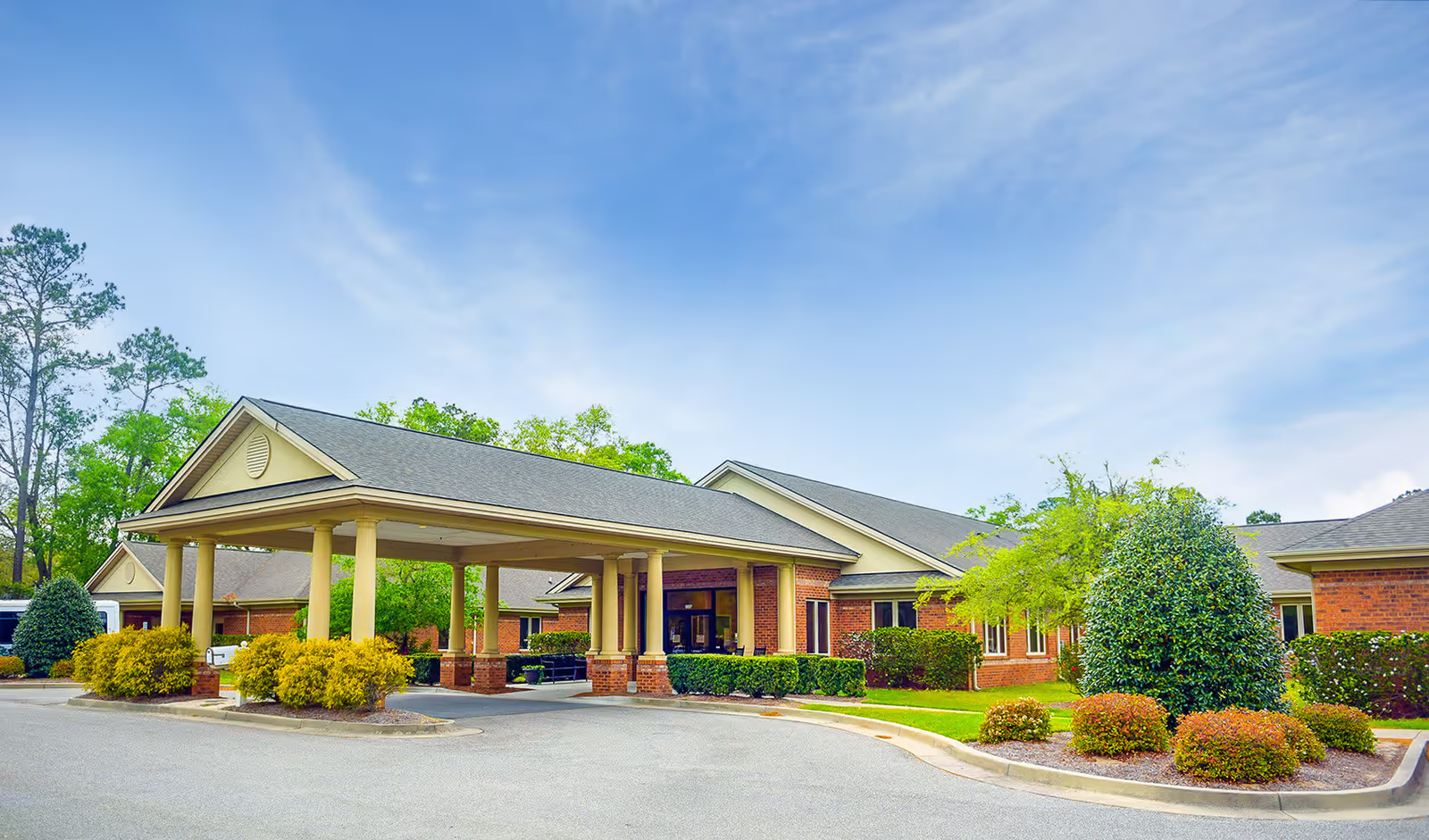
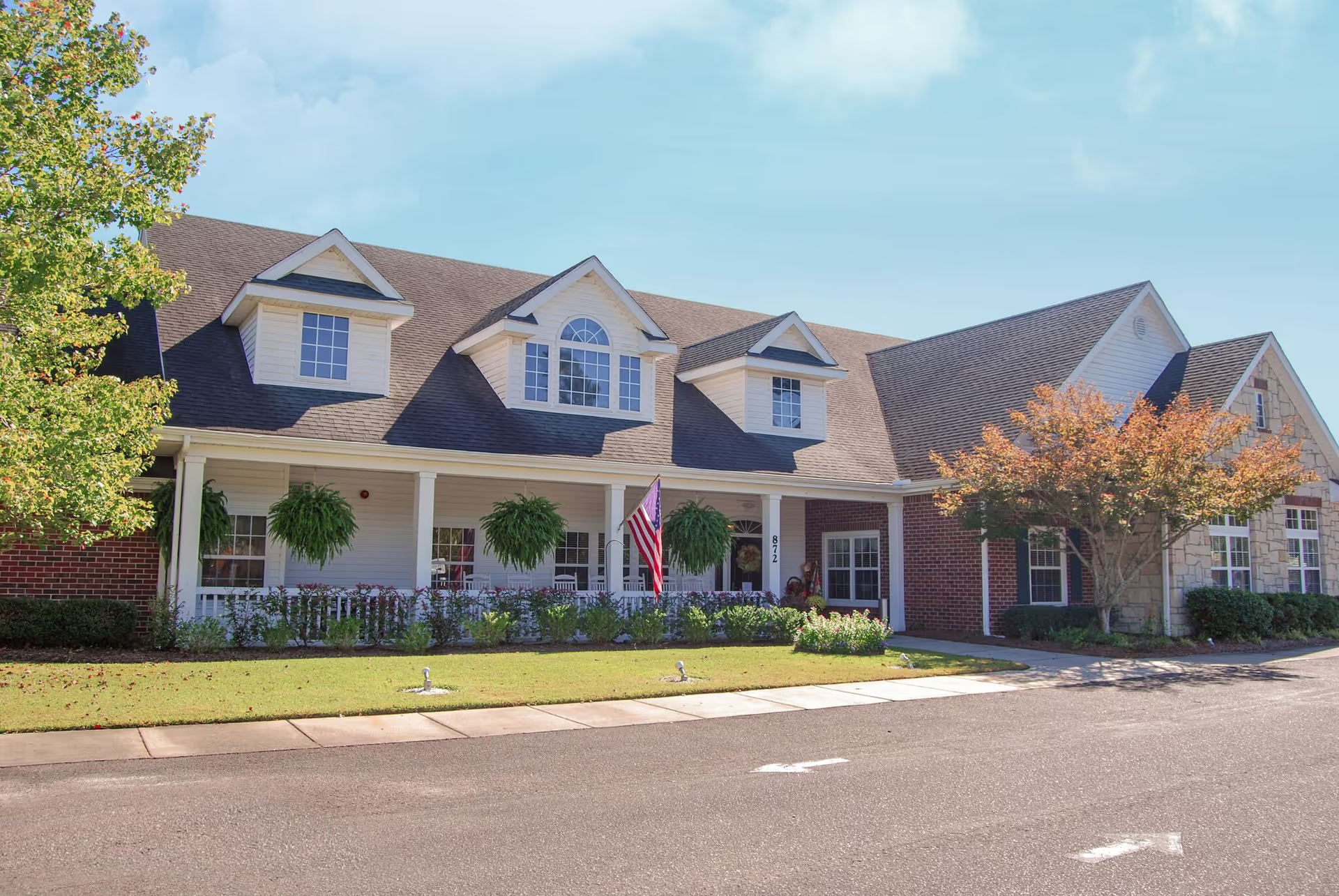
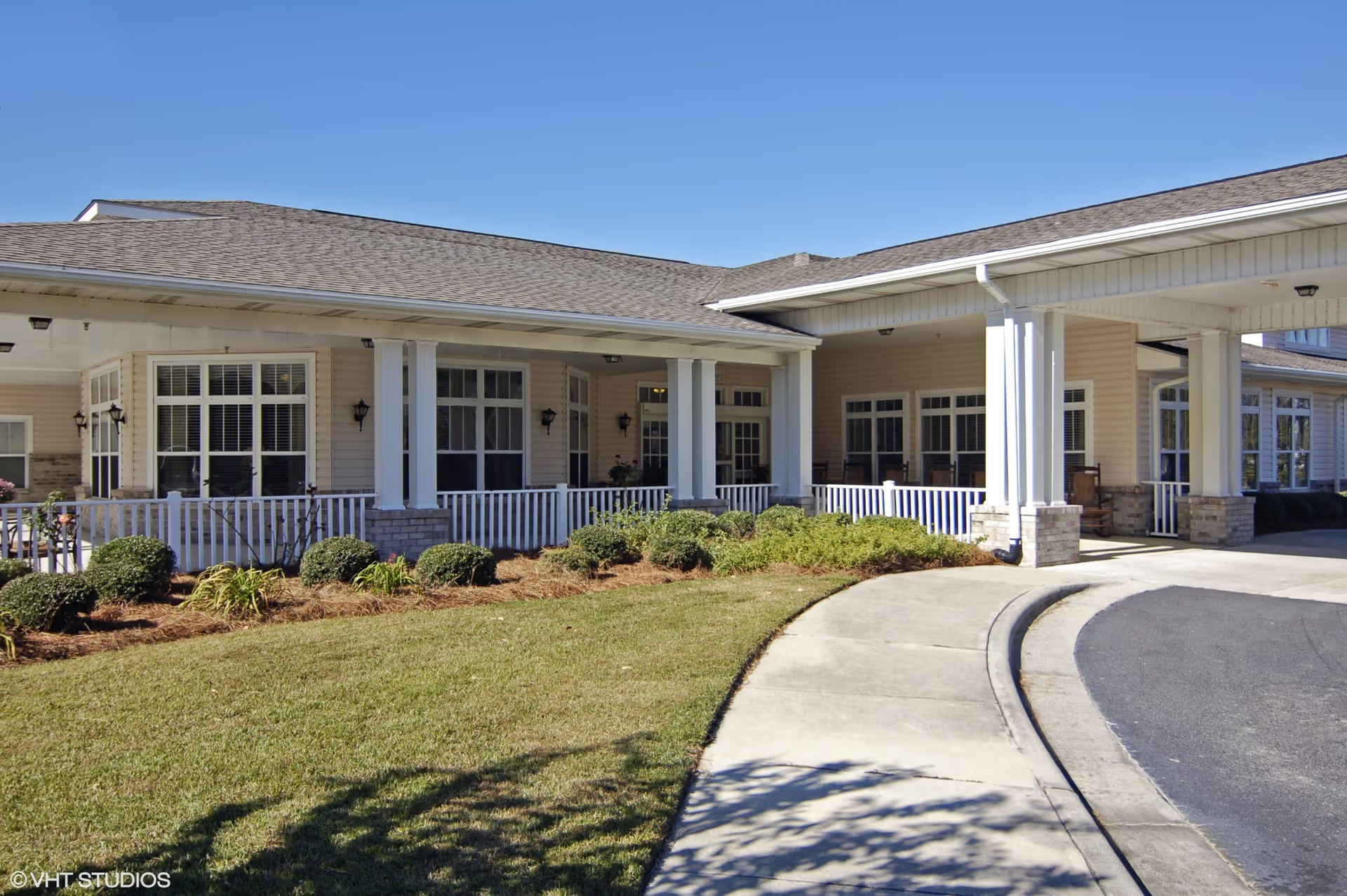
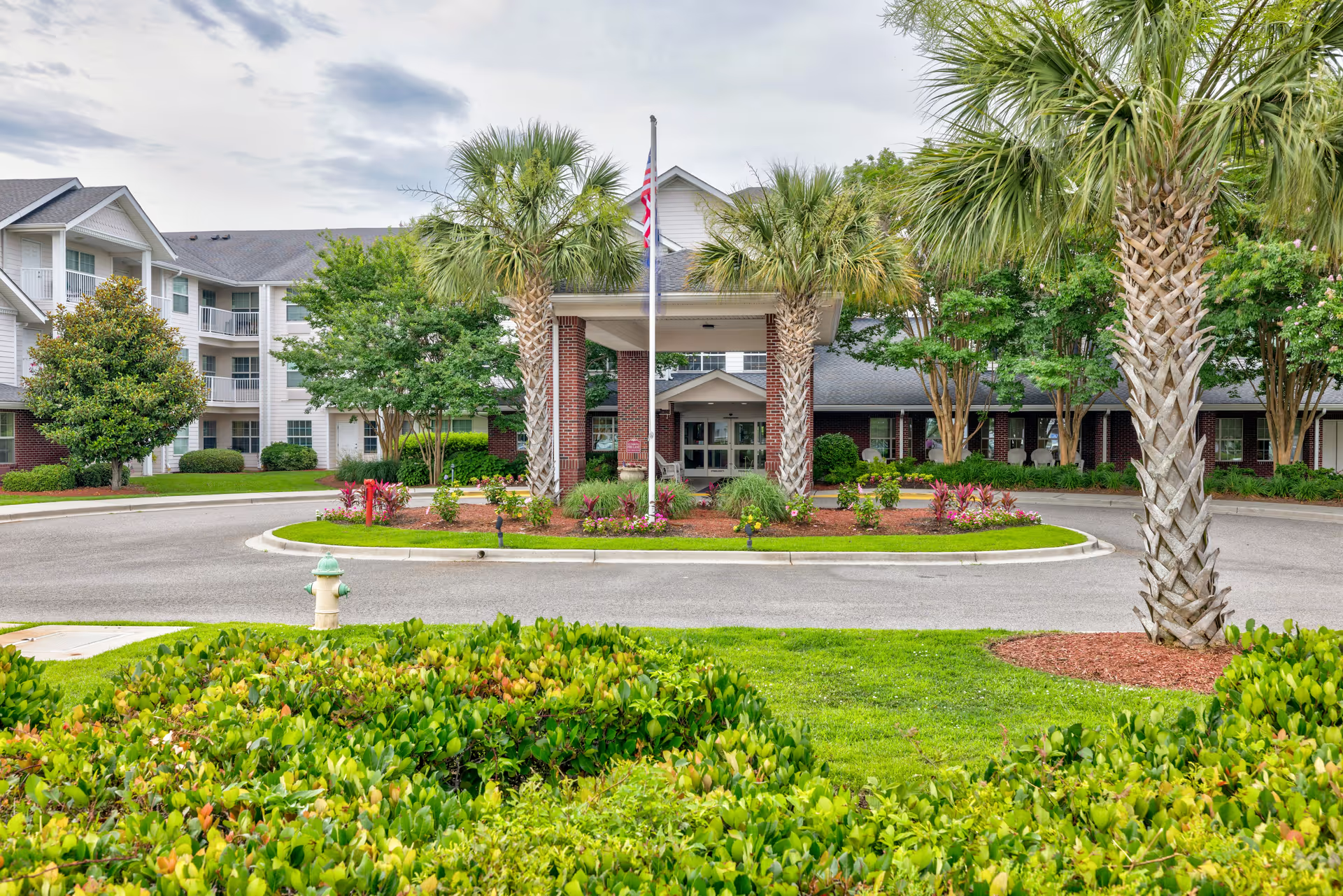
Facility and housekeeping observations are mixed. Many reviewers praise recent renovations, attractive common areas, and a well-scored kitchen with varied meal options; several describe a clean, odor-free environment and pleasant dining. Conversely, other families report uneven housekeeping, maintenance delays, damaged furnishings or fixtures, and odor or sanitation concerns in parts of the building. Laundry handling and personal-belonging management are another frequent operational friction point: missing or misidentified clothing and occasional delivery gaps are noted.
Management and communication receive similarly mixed assessments. Some reviewers find administrators responsive, open to feedback, and willing to address issues; others describe poor communication, lack of follow-through, and inconsistent enforcement of policies. Visitation restrictions during infection-control periods were a flashpoint: some families accepted temporary limits while others found the policies inflexible. Security and property-control concerns — including worries about missing items — also appear in multiple accounts.
Dining and activities are generally strengths. The kitchen is repeatedly described as offering varied choices, and several reviewers highlight robust activity programming (sunroom access, music, games) that supports recovery and resident engagement. Where dining is criticized it tends to be for isolated quality or meal-delivery lapses rather than systemic lack of options.
In sum, Compass Post Acute Rehabilitation shows clear strengths in therapy, many individual caregivers, and parts of its facility and dining programs. Simultaneously, persistent operational weaknesses — notably inconsistent staffing, response delays, medication- and monitoring-related gaps, uneven housekeeping/maintenance, and lapses in family communication — create variability in resident experience and safety. Prospective residents and families would be well served to tour the specific unit and rooms they would use, ask about current staffing ratios and coverage by shift, review recent state inspection or kitchen reports, and clarify protocols for medication administration, clinical monitoring, laundry tracking, and visitation flexibility before admission.