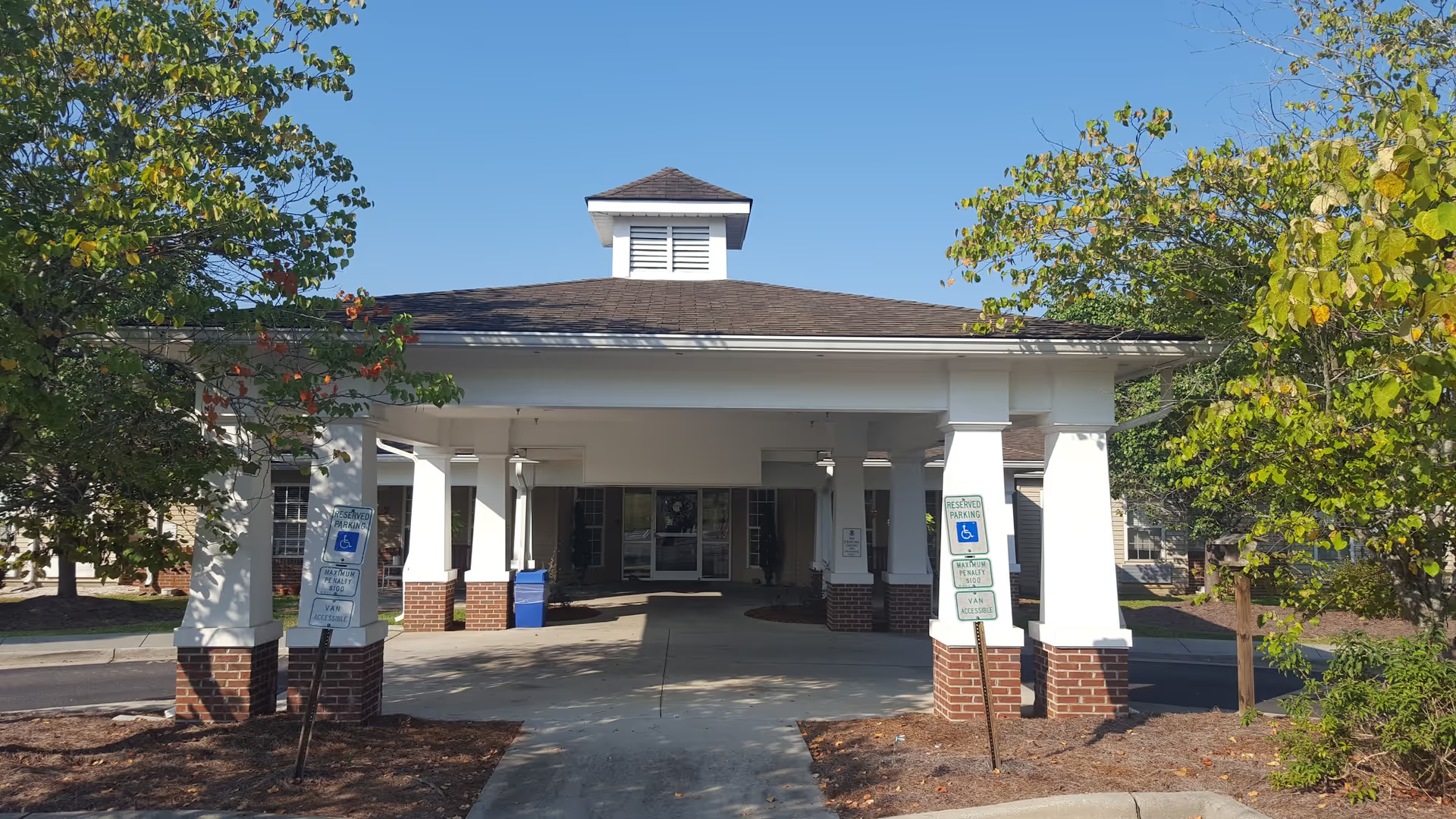
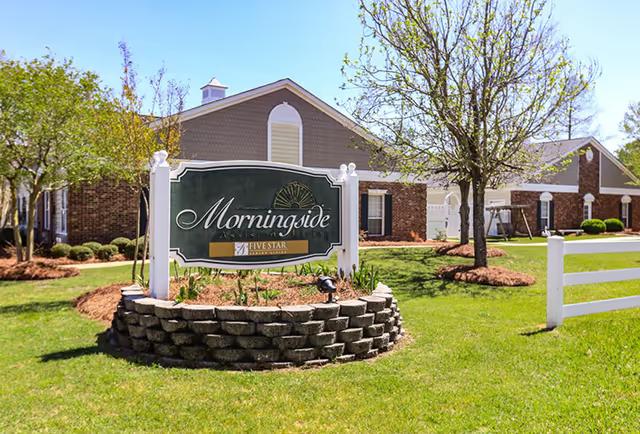
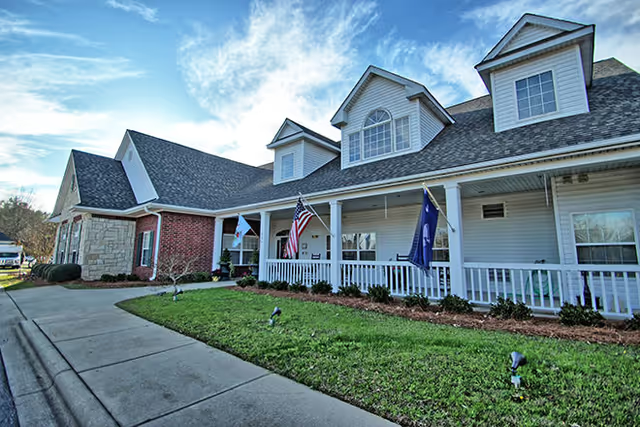
The reviews present a mixed picture of care at this facility. Positive elements include attentive unit leadership, capable wound care, and nursing leadership (DON/ADON) who are described as caring and communicative around care plans. Several families praised hands-on caregivers and instances of personalized attention, and some provided strong recommendations based on those experiences. At the same time, there are recurrent operational concerns that prospective residents and families should evaluate closely before placement.
Care quality appears inconsistent. While specialized clinical services such as wound care receive favorable comments, other reports describe delays in responding to clinical needs and call lights, as well as gaps in routine monitoring that some families associated with clinical decline after admission. Concerns about care transitions also appear: a few accounts note that outcomes improved after transfer to other facilities, suggesting variability in how clinical changes are detected and managed. Families should ask about monitoring protocols, staffing ratios, and escalation procedures during a tour.
Staffing and interpersonal conduct show contrasting impressions. Many reviewers singled out compassionate CNAs and unit managers; however, others described poor responsiveness to family inquiries, restricted or unreliable phone access, and interactions perceived as dismissive. There are also indications of low staff morale and abrupt personnel changes, which can affect continuity of care. Confirming the facility’s staff turnover data, training programs, and family-communication policies would be prudent.
Dining and activity programming were areas of concern for some families. Comments point to inconsistent meal quality and portioning along with limited engagement for residents with cognitive impairment. Several reviewers questioned the facility’s understanding of dementia-specific needs and the availability of tailored activities; families should request menus, sample activity schedules, and information about dementia training for staff.
Facility environment and safety issues were raised repeatedly. Reviewers noted maintenance shortfalls, cleanliness and odor concerns in rooms and common areas, and pest-control issues. There are also allegations of missing personal items and reports indicating unsecured doors or exits. Together these items suggest weaknesses in facilities management, environmental services, and property-security processes. Prospective families should inspect resident rooms, common areas, and security measures in person and ask about pest-control contracts, cleaning schedules, and lost-item policies.
Management practices show both improvement potential and areas needing oversight. A transition to new management and examples of proactive care-plan communication were cited positively, yet other comments describe problematic management actions, abrupt staff terminations, and calls for stronger regulatory oversight. Given these mixed signals, prospective residents and families should request current licensing and inspection records, inquire about complaint-resolution processes, and meet with nursing leadership to understand how concerns are tracked and remediated.
Overall, this facility demonstrates strengths in specific clinical services and in pockets of compassionate caregiving, but reviewers also identified multiple operational weaknesses—especially around cleanliness, responsiveness, facility upkeep, security, and dementia care. Families evaluating this community should perform an in-person tour, observe staff–resident interactions, review recent inspection reports, and ask targeted questions about staffing levels, communication practices, clinical monitoring, environmental services, and dementia-specific supports.