The Legacy of Hartsville elicits predominantly positive feedback around its caregiving culture, physical environment, and social programming, while also drawing attention to several operational weaknesses that prospective families should evaluate.
Care and staff: Many families describe the caregiving team as compassionate, attentive, and dedicated; reviewers commonly note staff who are responsive, respectful, and willing to ‘‘go above and beyond.’’ Leadership visibility is a recurring strength, with an accessible executive director and staff who foster a family-like atmosphere. At the same time, there are serious individual concerns that prospective families should discuss directly with management: some reviewers raised allegations of theft and medication-administration errors, and there are notes of concerns following a resident’s death. Collectively these indicate potential gaps in medication-management, documentation, and staff oversight rather than a single, facility-wide characterization. Ask about medication-administration protocols, incident reporting procedures, background-check policies, staffing levels, and how critical incidents are communicated to families.
Dining and services: Food and dining receive consistent praise; reviewers highlight varied menus, a hardworking kitchen team, and generally satisfactory meal service. Practical services such as laundry, housekeeping, on-site salon, and arranged therapy are viewed positively and contribute to resident comfort and recovery. Admissions and tours are described as informative and well-handled by staff, which supports a smoother transition for many families.
Activities and social life: Social programming is a clear strength. The community offers frequent activities—bingo, crafts, walking clubs, devotional services, occasional visiting church services, and onsite library access—that support social engagement and a sense of belonging. However, several reviewers expressed that activity offerings could be more varied or more stimulating for residents who need higher-engagement cognitive or recreational options. If cognitive stimulation and diverse programming are priorities, ask for a current activity calendar and examples of how programs are tailored to different ability levels.
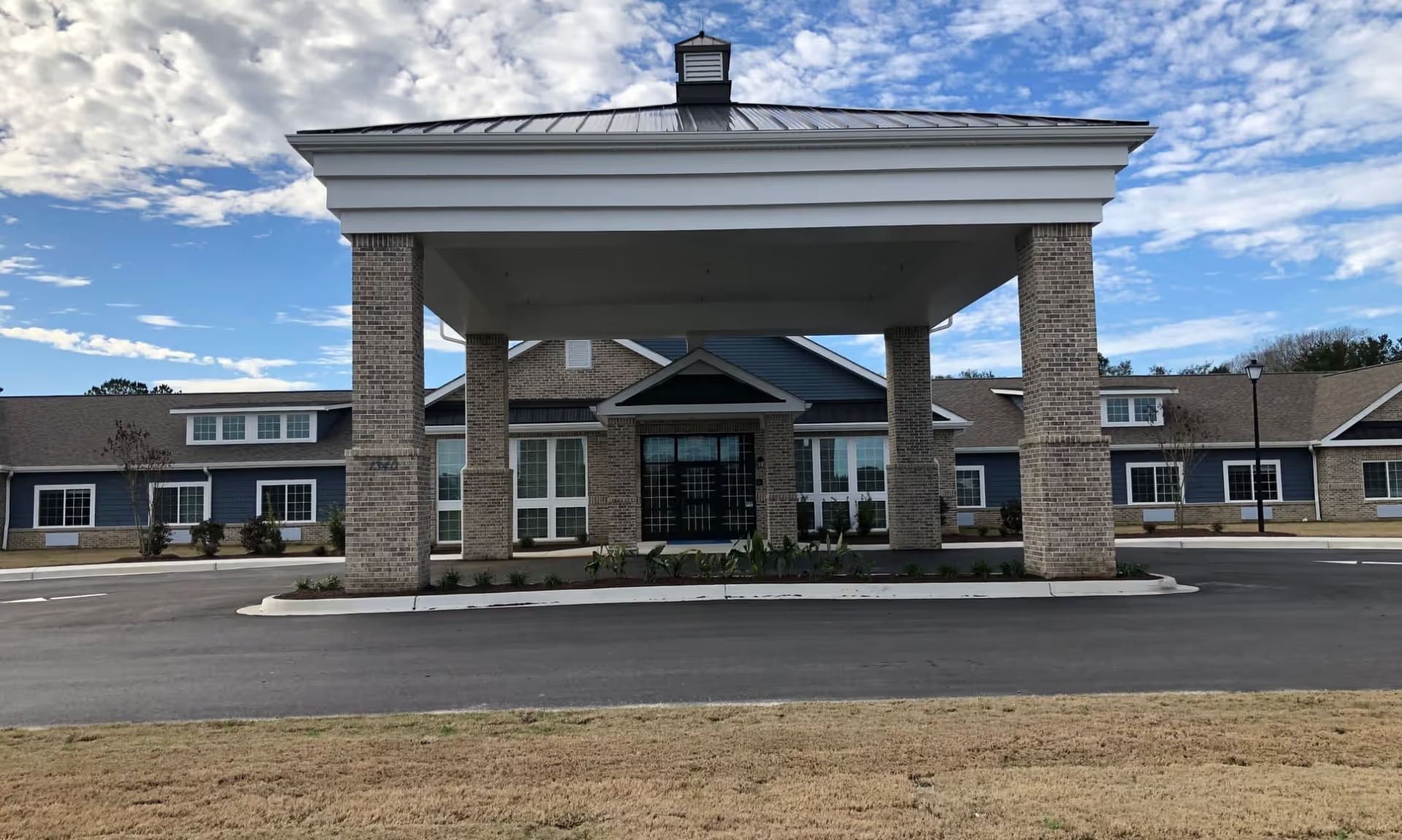
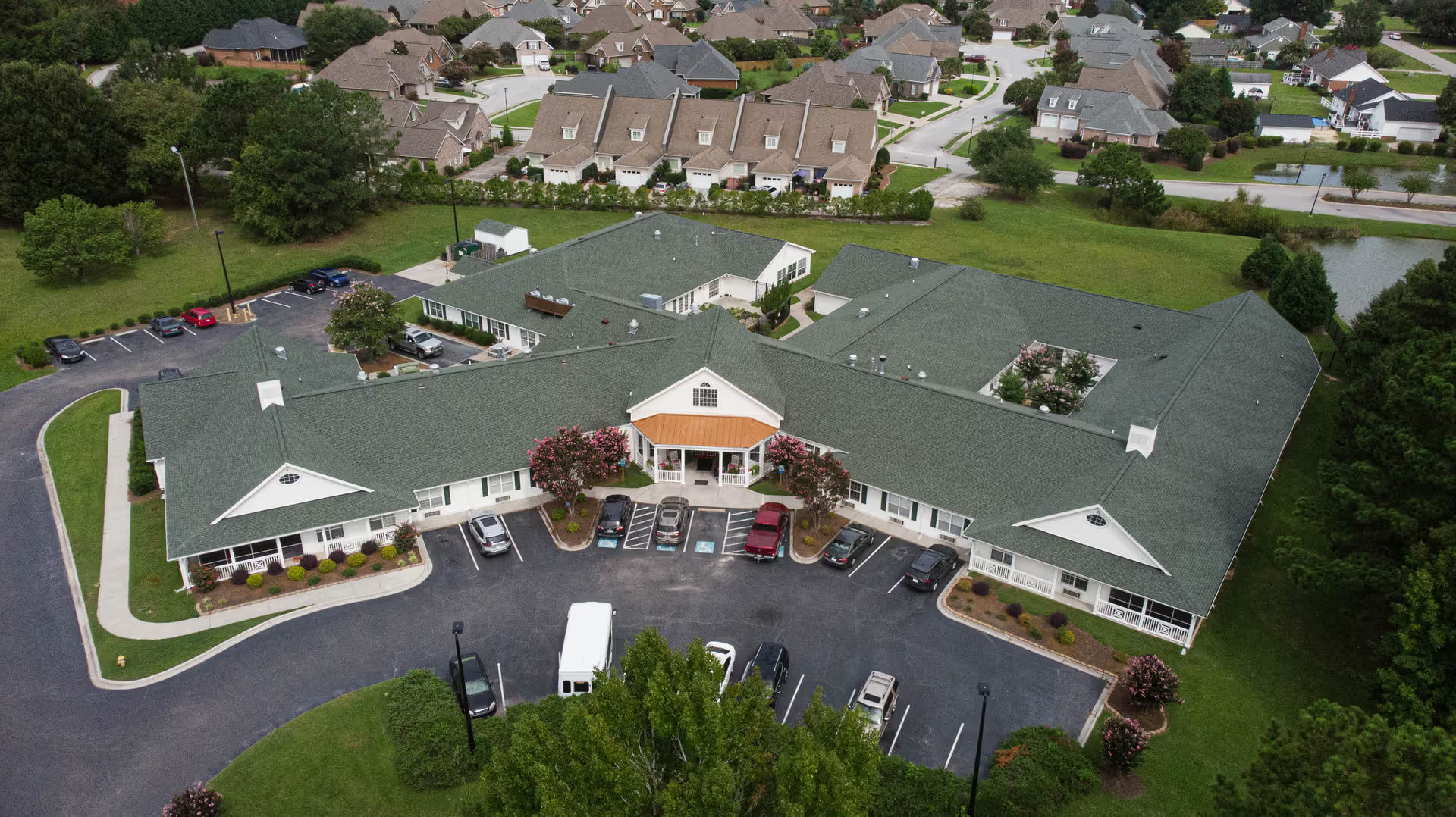
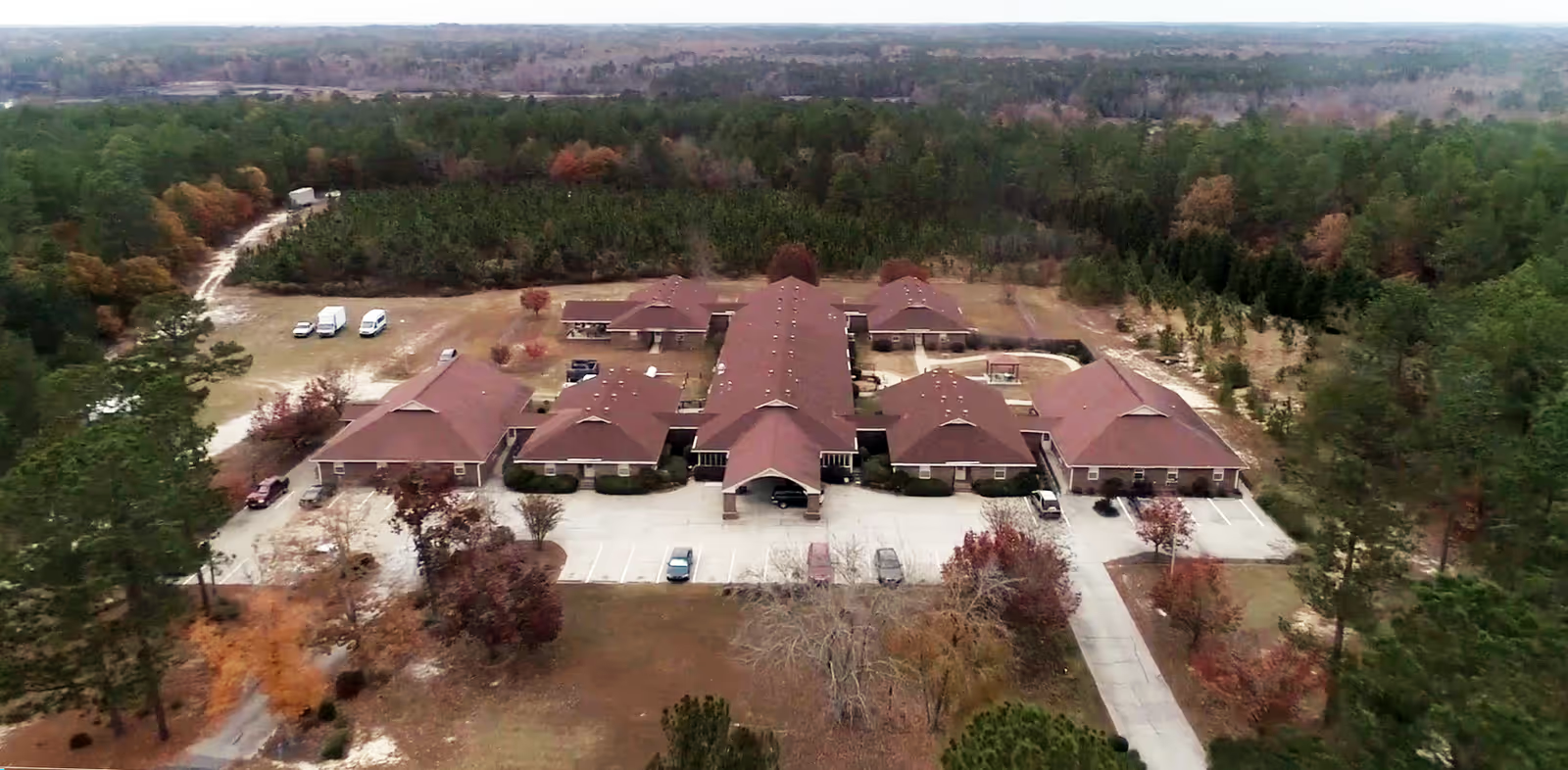
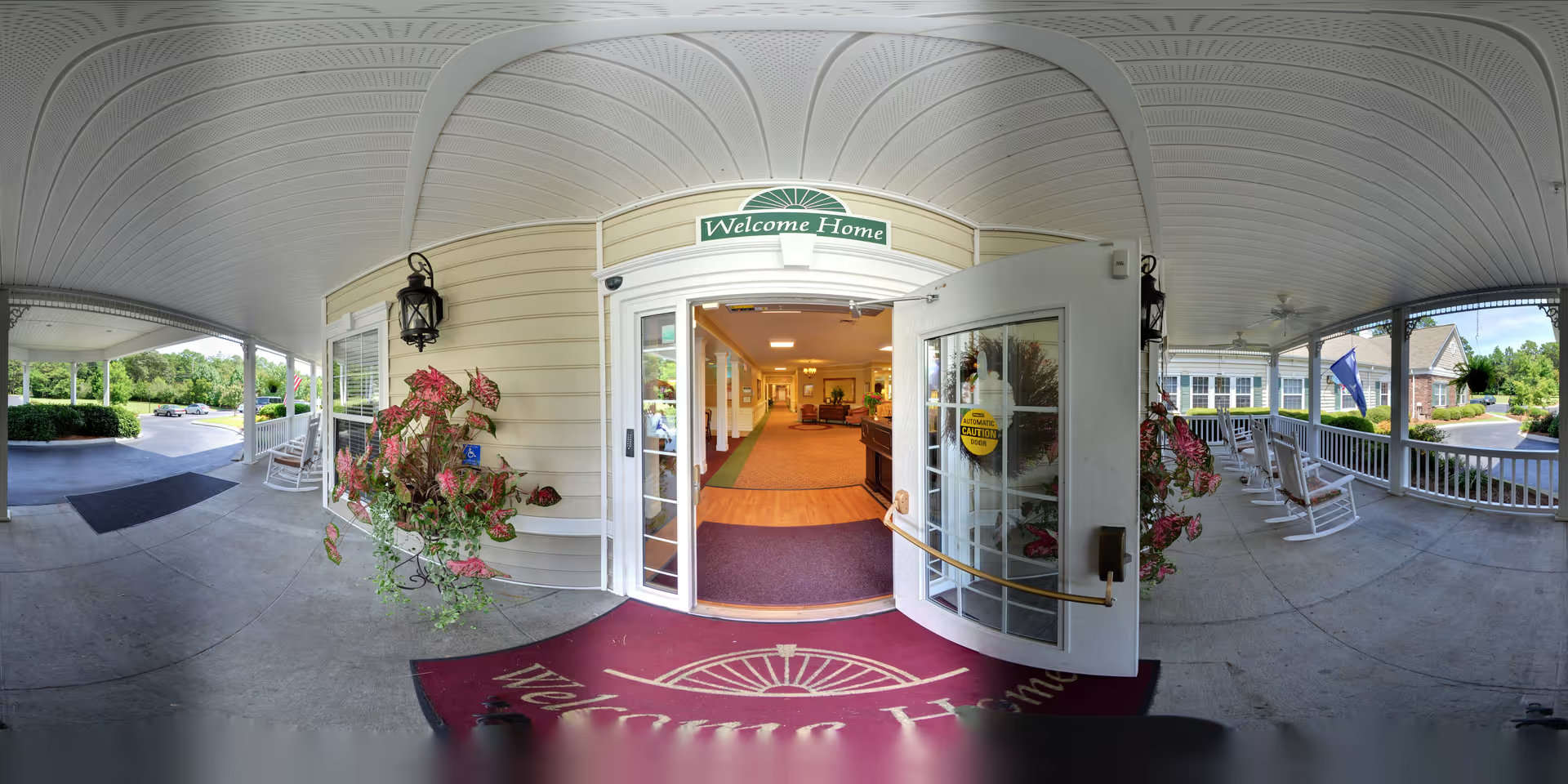
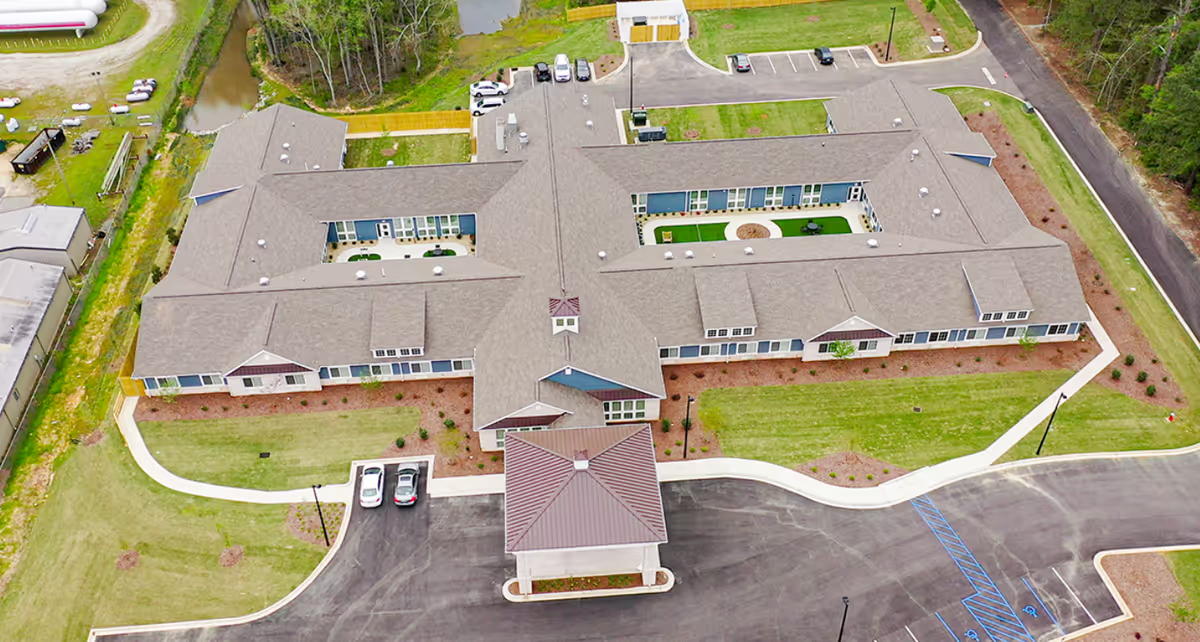
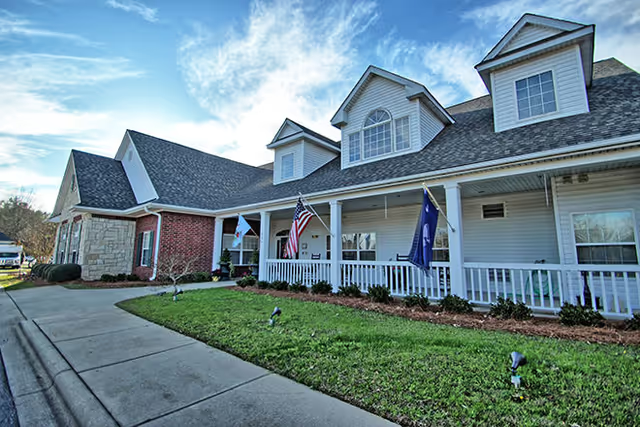
Facilities and environment: The facility is described as clean, attractive, and newly renovated in parts; apartments are noted as spacious, with walk-in closets and a comfortable layout. Reviewers commonly mention a pleasant, welcoming atmosphere and a convenient location, which contributes to residents’ and families’ satisfaction.
Management and operations: Many interactions with admissions and administrative staff are described as clear and accommodating, with pricing explained during tours. Conversely, some reviewers perceive a fee-driven approach to care and raise concerns about relocation and living costs. Operationally, there are mentions of internal communication lapses among staff and inconsistent responsiveness during acute illness or outbreak situations (including experiences during COVID), suggesting room for improvement in crisis response and shift-to-shift information transfer.
Notable patterns and recommendations: Overall, the dominant impression is of a caring community with strong social programming and well-maintained facilities, but with a handful of serious operational concerns that merit direct inquiry. Prospective residents and families should prioritize questions about medication-administration checks and documentation, staff hiring and oversight practices, incident escalation procedures, staffing ratios (especially for evenings and weekends), activity programming breadth, and detailed fee/relocation estimates. Requesting recent inspection records, incident logs, and examples of communication after clinical events can help clarify whether the facility’s strengths align with your priorities and whether the noted operational gaps are being addressed.