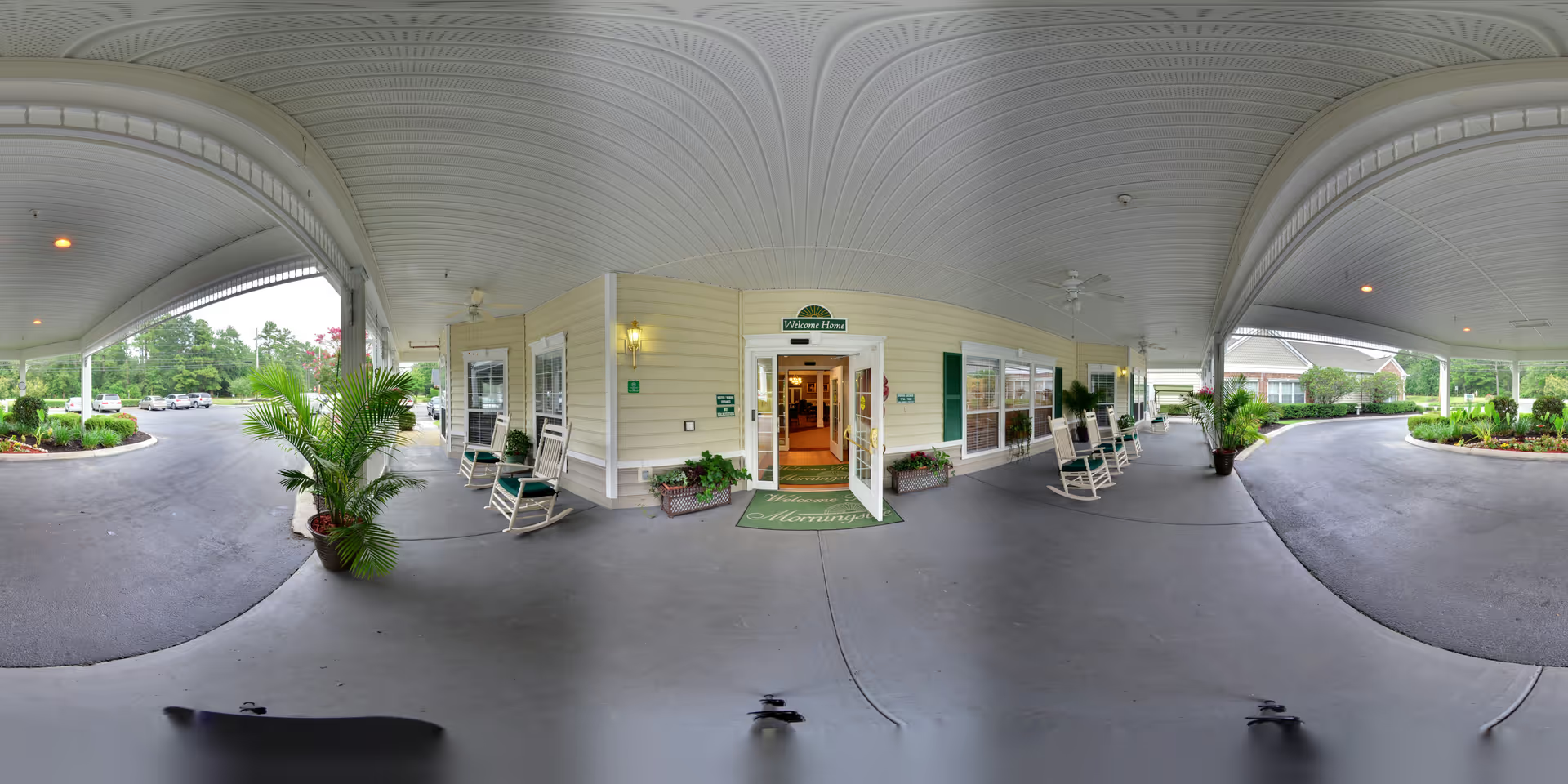
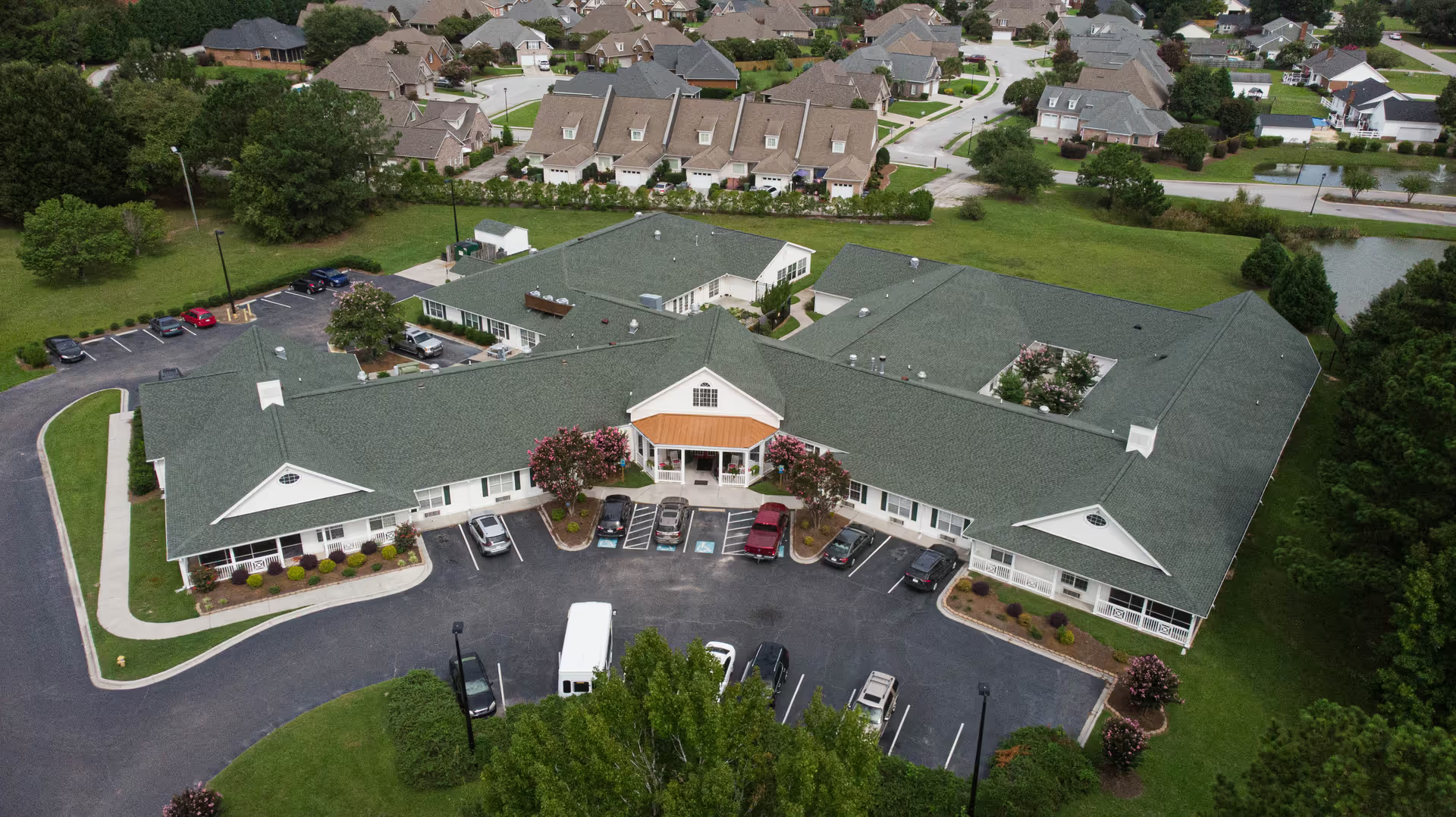
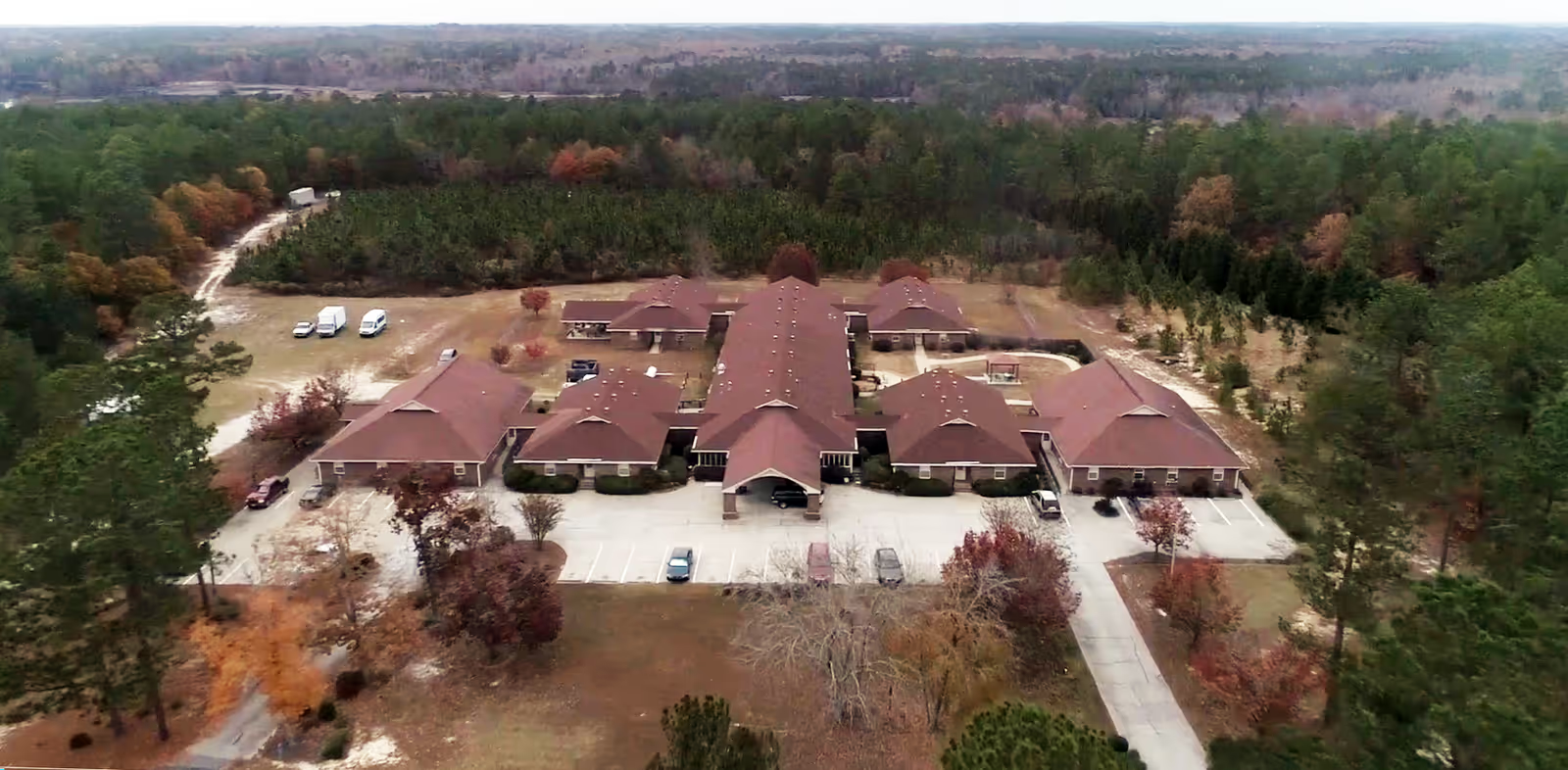
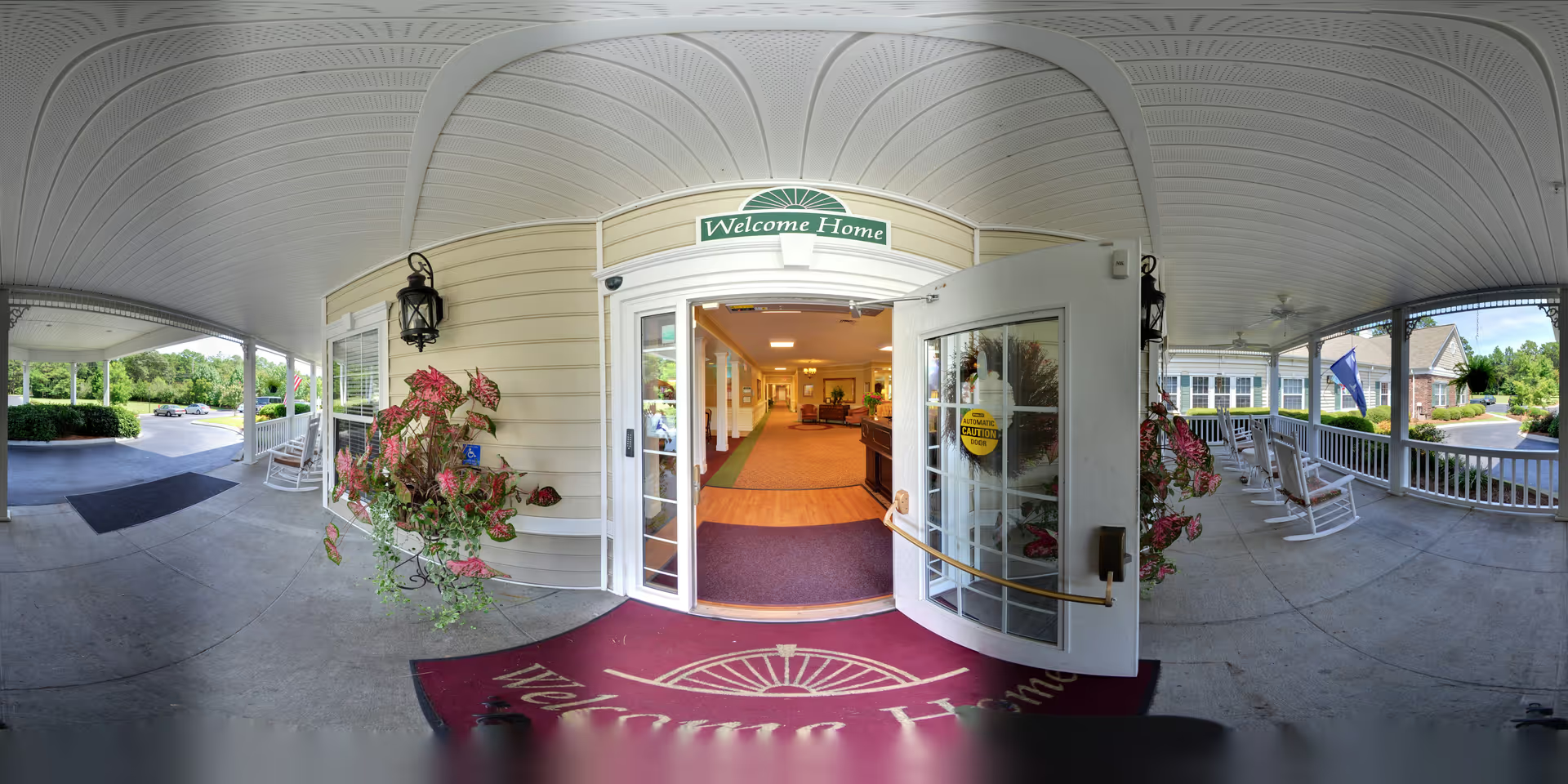
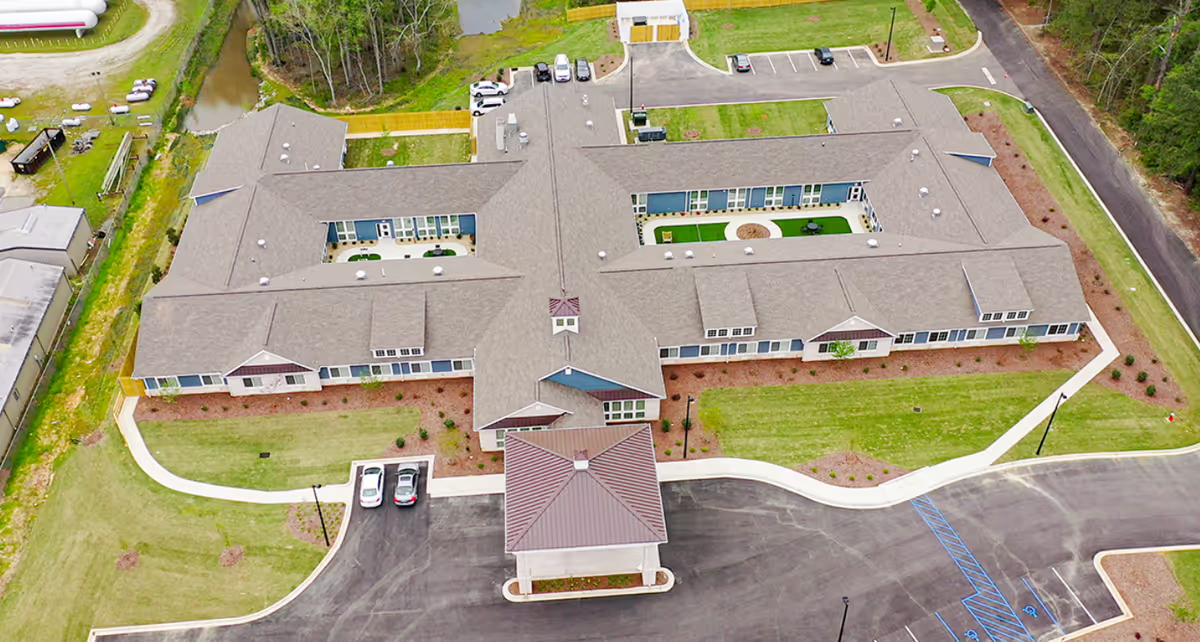
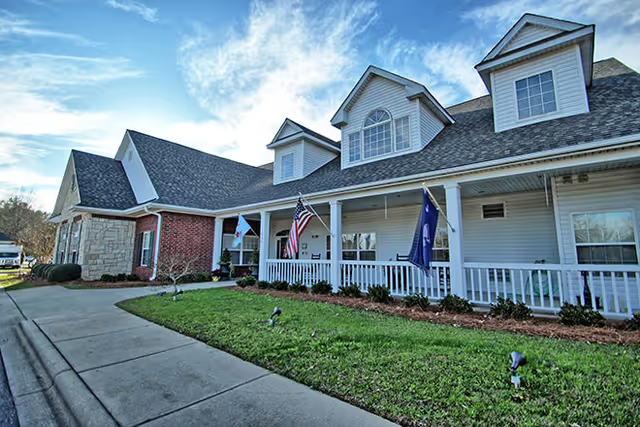
The Retreat at Carolina Bay is consistently described as a clean, modern, hotel-like assisted living community with a small, social atmosphere and a broad set of amenities. Reviewers commonly praise the facility’s appearance, secure outdoor spaces, and interior common areas such as the dining room, music seating, library, and recreational rooms. Many comments note comfortable studio units and convenient placement near a hospital, which may be appealing to families seeking proximity to medical services.
Care and staff are a mixed but prominent theme. Numerous accounts highlight attentive, caring frontline staff and individualized approaches to resident needs; families and visitors commonly describe warm, team-oriented interactions and good everyday assistance. At the same time, several reviews raise concerns that point to operational inconsistencies: medication-management practices, fall-prevention monitoring, and clinical follow-up have been questioned. These concerns suggest variation in clinical oversight and response that prospective families should clarify during the decision process.
Dining and activities are frequently cited as strengths. The community offers chef-driven menus, themed meals and special events, and an organized schedule of social programming—bingo, crafts, live music, and regular outings—that contribute to an engaged social environment. Multiple reviewers praised the food quality and the presence of regular, varied programming that supports socialization and mental stimulation.
Facility amenities and experience are generally well-regarded: modern finishes, accessible common spaces, workout facilities, and secure outdoor access were noted positively. However, a few reviewers pointed to comfort issues such as HVAC noise in some rooms and concerns about value relative to cost; the community is perceived by some as premium-priced. The admission/tour experience also appears variable—some found tours welcoming and informative while others described rushed or uneven guidance.
Management and operational patterns show strengths in cleanliness and programming but also recurring operational weaknesses. Staffing shortages and variability in staff responsiveness were mentioned alongside perceptions that corporate-level decisions sometimes emphasize cost considerations. Practical operational gaps appear in areas such as personal property controls and family communication after clinical events. For families considering this community, recommended clarifying questions include specifics about medication administration protocols, fall-prevention procedures and monitoring, staffing ratios and back-up coverage, how the community documents and communicates clinical incidents to families, and policies for safeguarding residents’ personal items. A careful, unhurried tour and conversations with both leadership and frontline staff can help assess how consistently the community implements its stated standards of care.