Reviewer sentiment for The Florence Presbyterian Community is strongly polarized: many families describe warm, skilled caregiving and successful rehabilitation outcomes, while other accounts identify operational gaps that have affected clinical reliability and day-to-day resident experience.
Care quality: Several families praised the facility’s rehabilitation program and individual caregivers for producing measurable functional gains and compassionate support, including effective OT/PT/speech therapy and attentive end-of-life care. Conversely, other reports describe inconsistent clinical oversight (including limited in-house physician involvement), delayed responses to changes in condition, and concerns about medication administration and documentation. A small number of serious clinical incidents were described that resulted in hospital transfer; these underscore variability in clinical reliability rather than a single consistent standard of care.
Staff: Staff are frequently described as warm, familiar with residents, and capable of building family partnerships. At the same time, reviewers note instances of dismissive conduct, cell-phone distraction during care, and perceived understaffing or high workload that contribute to response delays. Case management and specific staff members received positive mention for strong advocacy and daily presence; however, other families experienced poor responsiveness from nursing leadership and felt accountability systems were weak.
Dining and services: The community offers customizable dining options and appealing meal presentation when services function as intended. Positive reports highlight good meals and pleasant dining spaces. Counterbalancing those comments are recurring complaints about missed meals, cold or delayed tray service, and inconsistent replenishment of beverages and dining supplies. These patterns suggest variability in meal-service reliability.
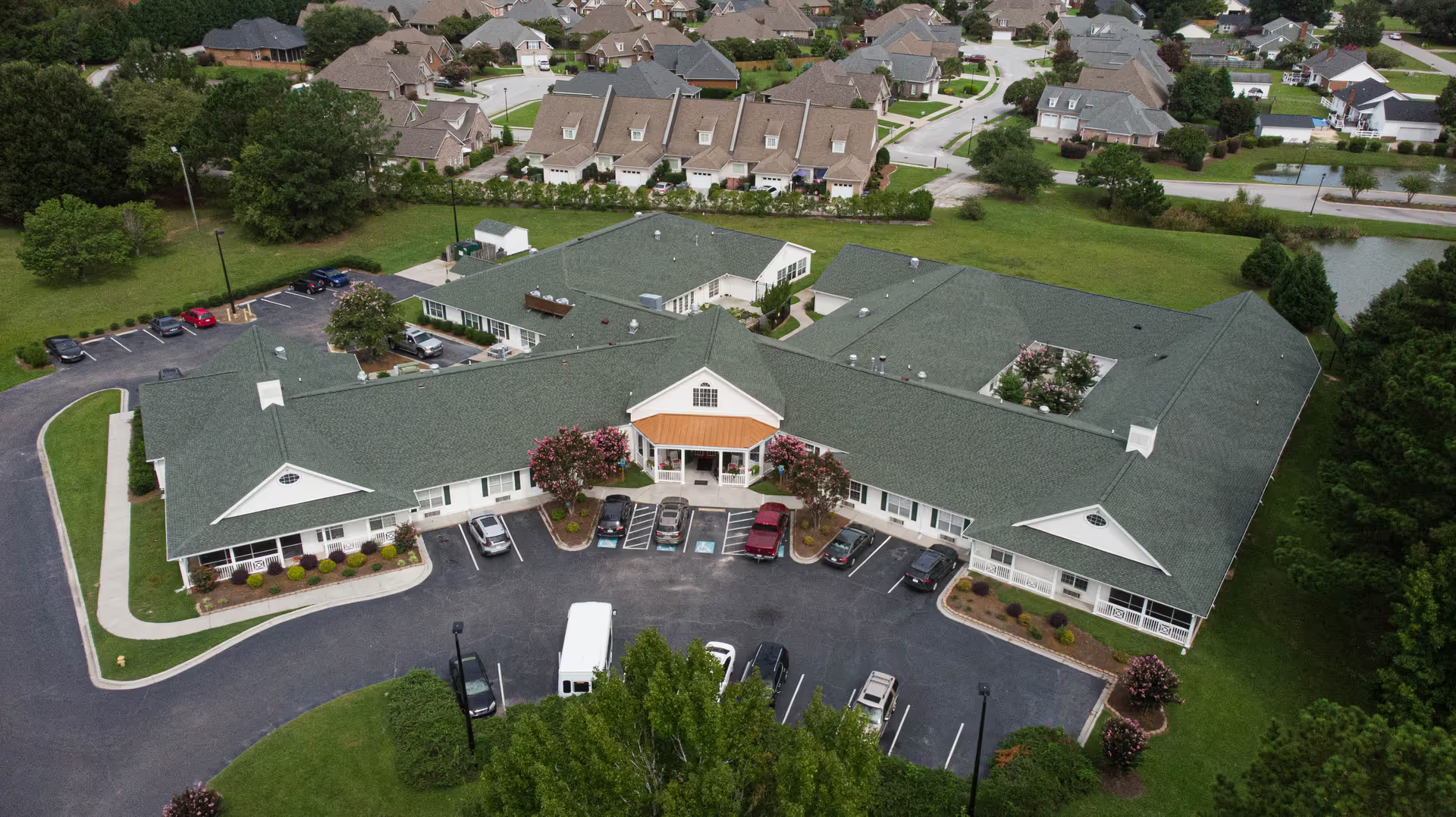
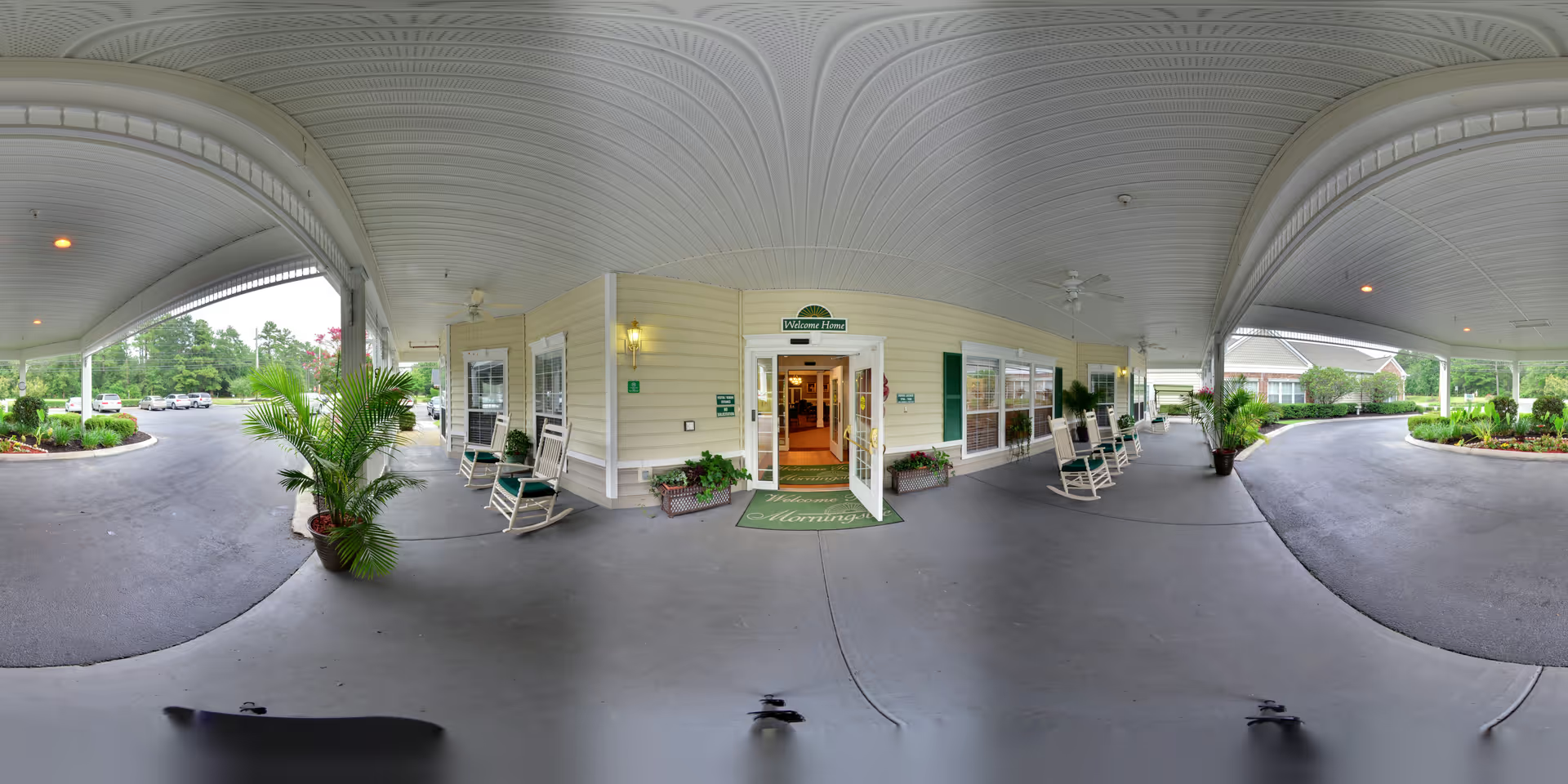
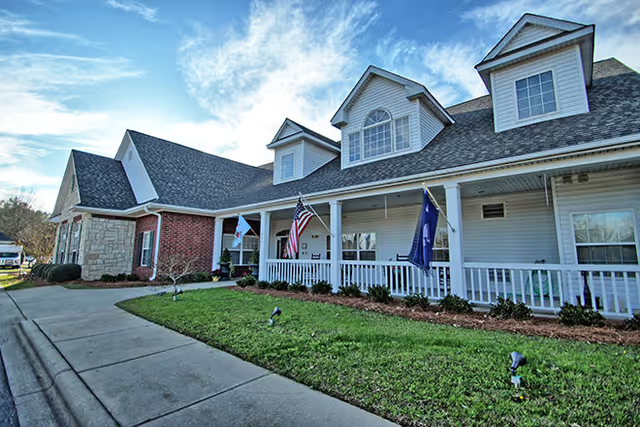
Activities and social environment: Activity programming and music therapy are consistent strengths in the reviews. Memory-care spaces and smaller assisted-living settings are described as home-like and supportive, with staff encouraging resident participation. The grounds and communal spaces are noted as attractive and well-maintained, contributing to a pleasant social environment for many residents.
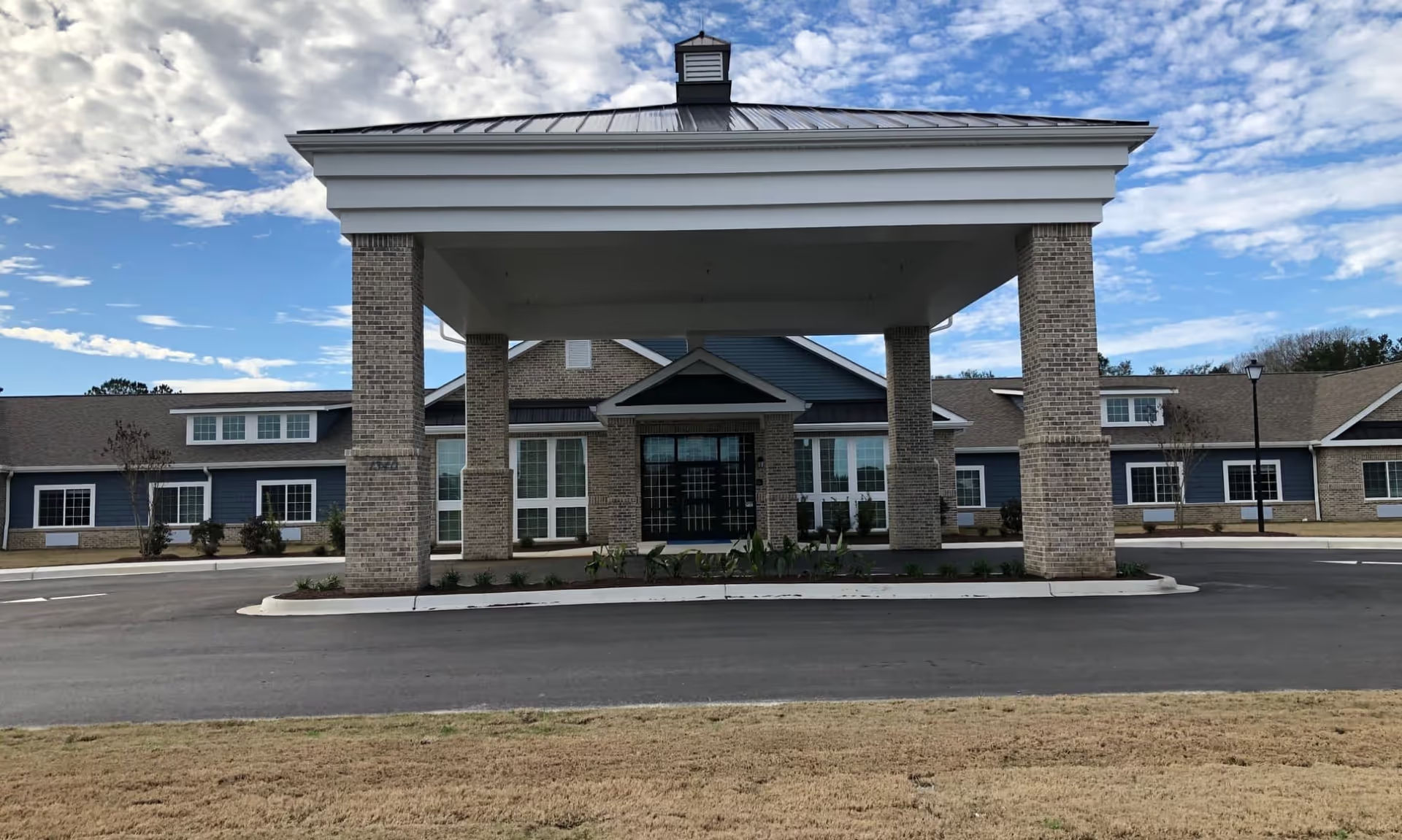
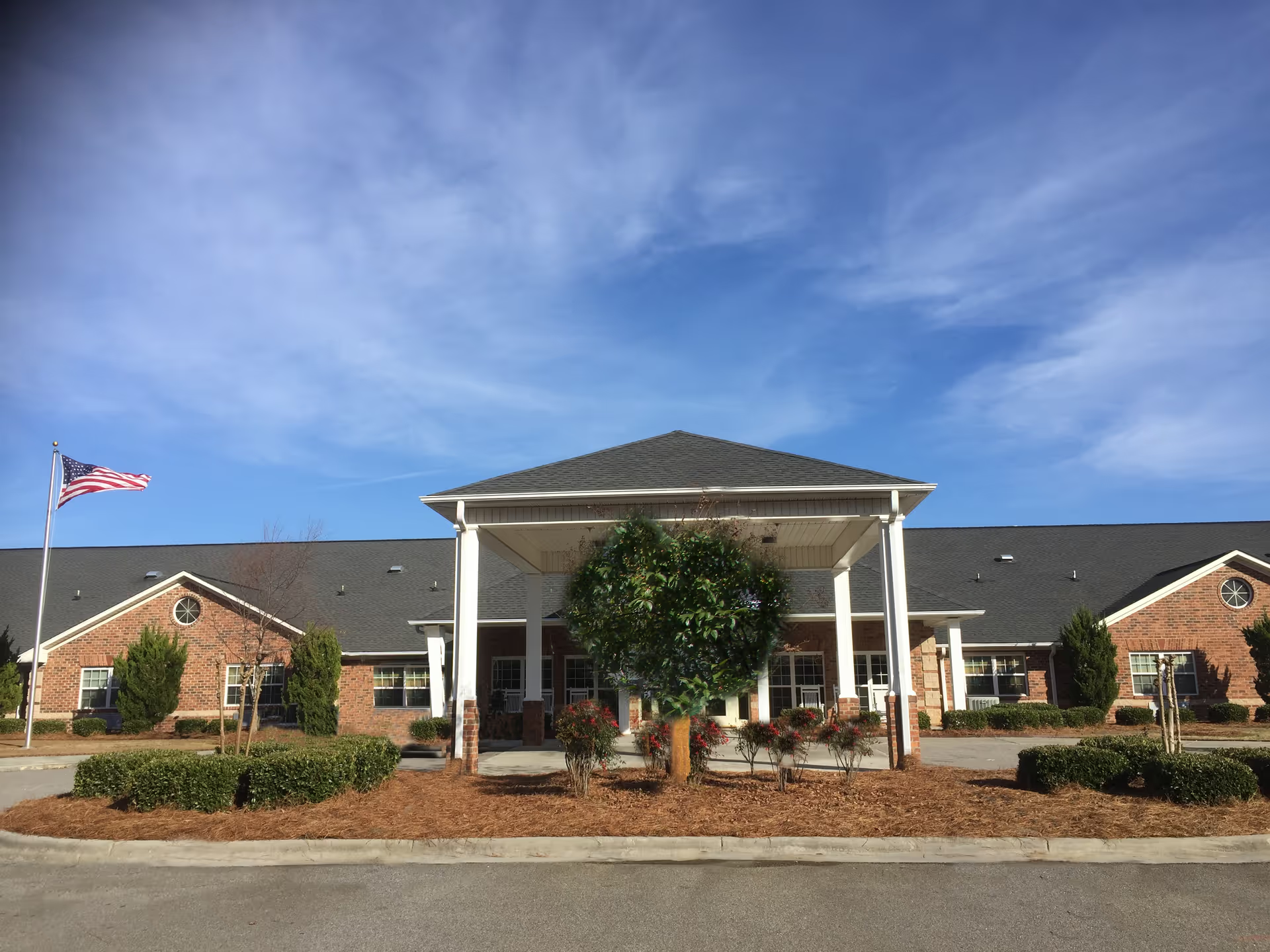
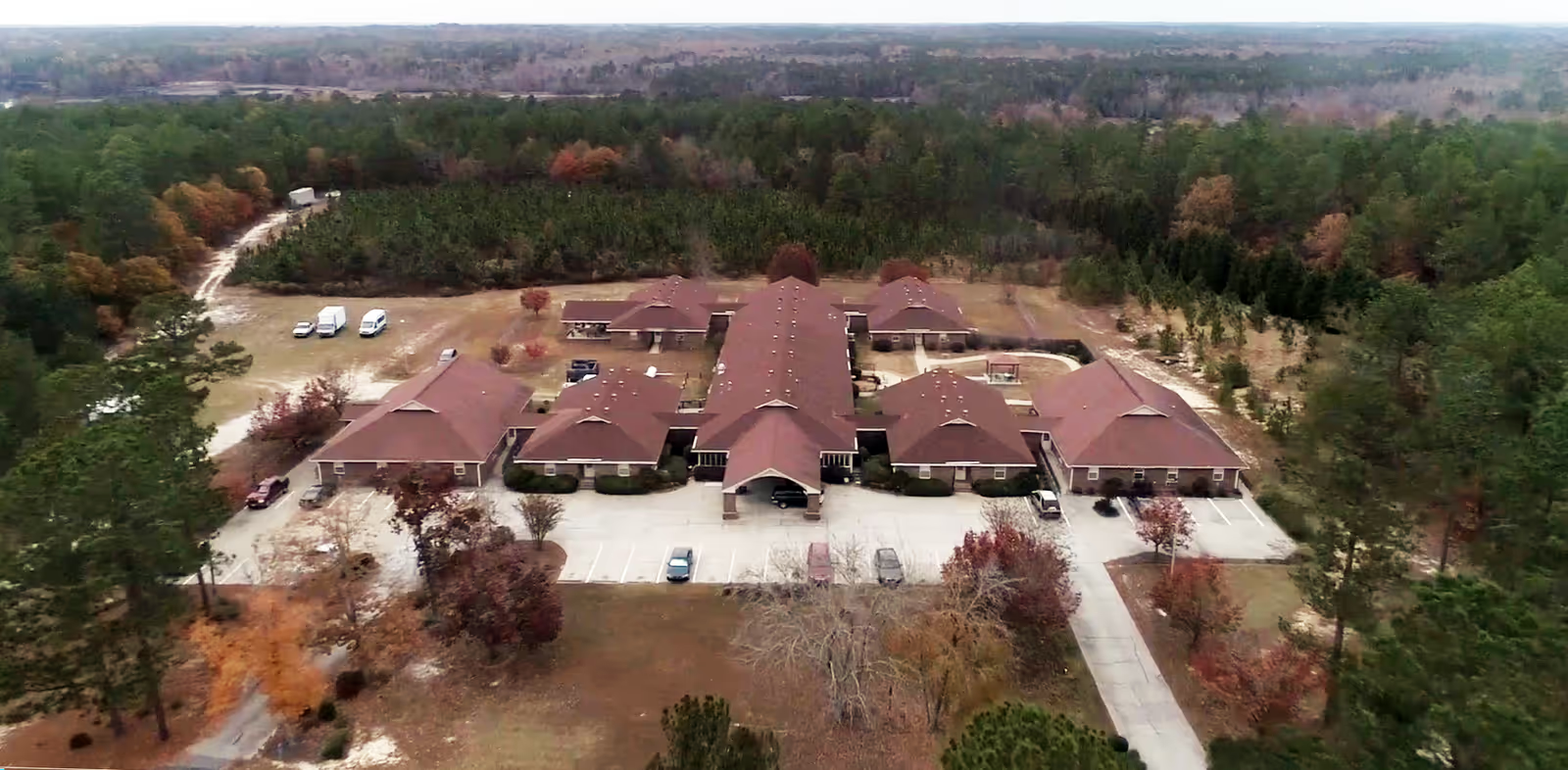
Facilities and cleanliness: Physical plant strengths include landscaped grounds and well-appointed memory-care rooms. However, several reviewers raised sanitation and housekeeping issues in individual rooms and bathrooms, as well as maintenance concerns (peeling paint, cracked walls) that point to uneven environmental upkeep across the community.
Management, communication, and billing: Families describe mixed experiences with leadership. Some reviewers found administrative processes professional and helpful, with staff assisting to address insurance and placement needs. Others experienced weak follow-through on grievances, slow or absent communication from directors, and unclear billing or unexpected out-of-pocket expenses. These patterns suggest variability in administrative responsiveness and transparency.
Notable patterns and takeaways: The Florence presents as a facility with clear strengths—rehab services, compassionate caregiving in many instances, engaging activities, and attractive memory-care settings—paired with operational inconsistencies that affect clinical reliability, housekeeping, meal delivery, and family communication. Prospective residents and families should weigh the facility’s rehabilitative and social strengths against reports of inconsistent clinical oversight and management responsiveness; targeted questions about physician coverage, staffing levels, medication protocols, meal-service procedures, and grievance resolution are recommended during tours and admissions conversations.