The reviews reflect a polarized picture of The Pines at Florence: many families describe a warm, home-like environment with attentive caregivers and an active program of activities, while others raise significant operational concerns that prospective families should evaluate closely.
Care and staffing: Numerous reviewers praised individual staff members as compassionate, personable, and attentive; several noted that caregivers knew residents by name and provided dignified assistance. At the same time, a recurring pattern concerns inconsistent staffing levels and training—particularly at night, on weekends, and in the memory-care unit. These operational gaps are linked in reviews to supervision lapses, wandering, falls, delays in clinical adjustments, and families moving residents to higher-acuity settings. Reviewers also identified sanitation and incontinence-care gaps and inconsistent adherence to individualized care plans as areas of concern.
Clinical oversight and transitions: Reviews indicate variability in medication management and in how the facility manages post-hospital transitions. Some families reported delays in medical follow-up or perceived gaps in clinical coordination after discharge. Conversely, other accounts describe staff who proactively resolve issues and coordinate care. This mixed pattern suggests uneven clinical processes that can affect residents with higher medical needs.
Dining and activities: The dining experience receives mostly positive comments—three meals with choices, an attractive dining room, and staff who make meals pleasant for many residents. A number of reviewers also praised a robust activities program, including outings, arts, and music, and highlighted an engaged activities director. However, meal quality and service consistency were mentioned as variable by some families.
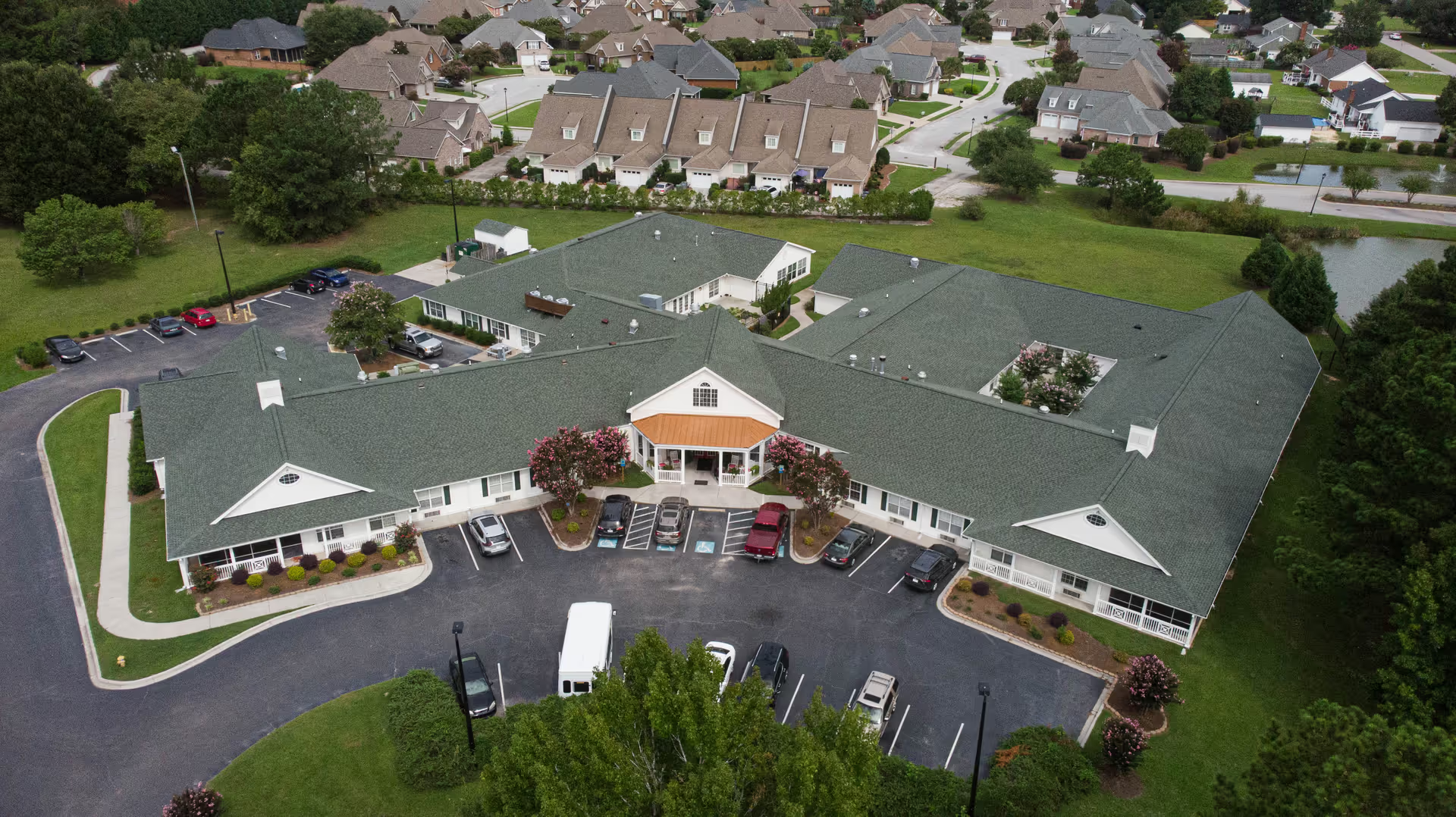
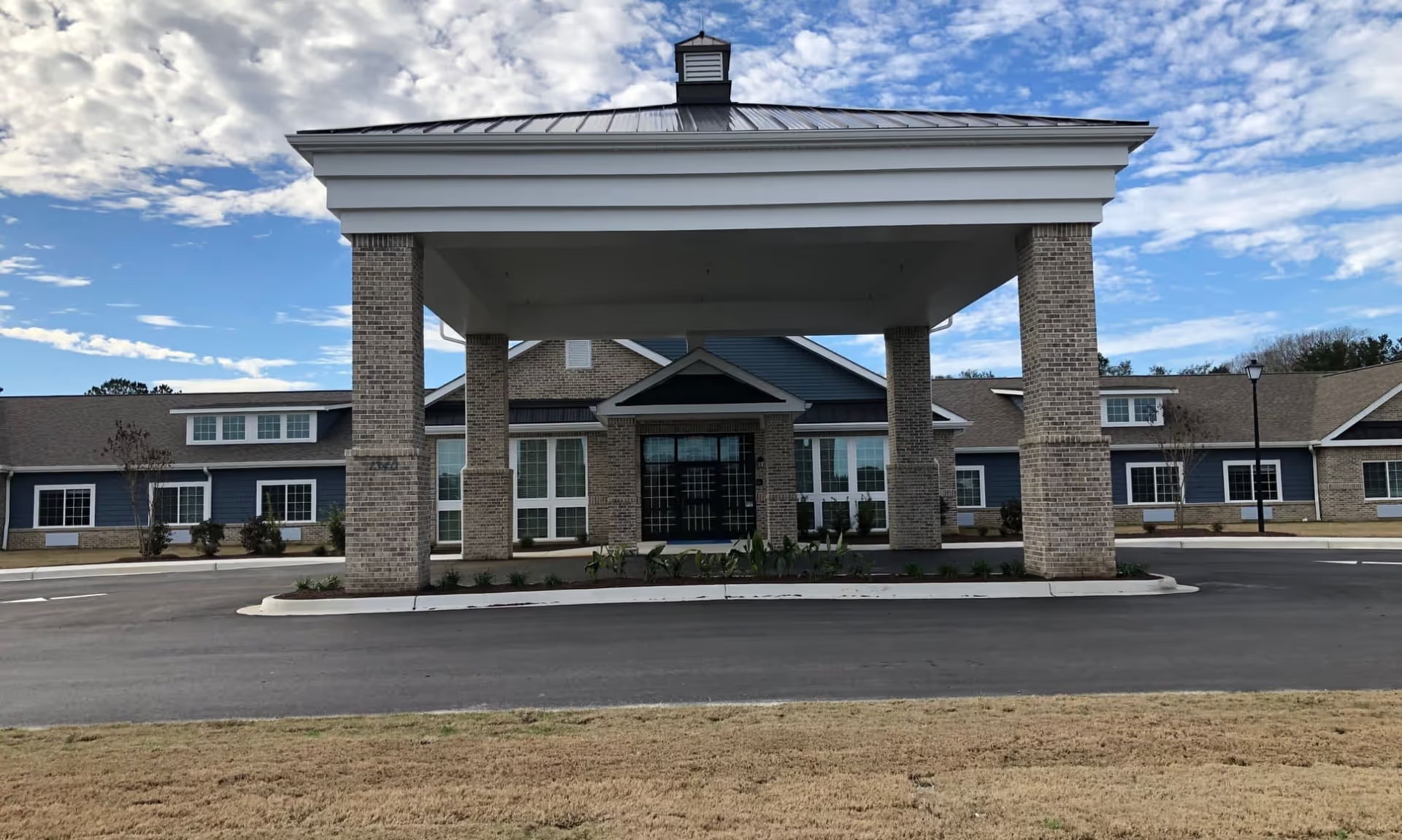
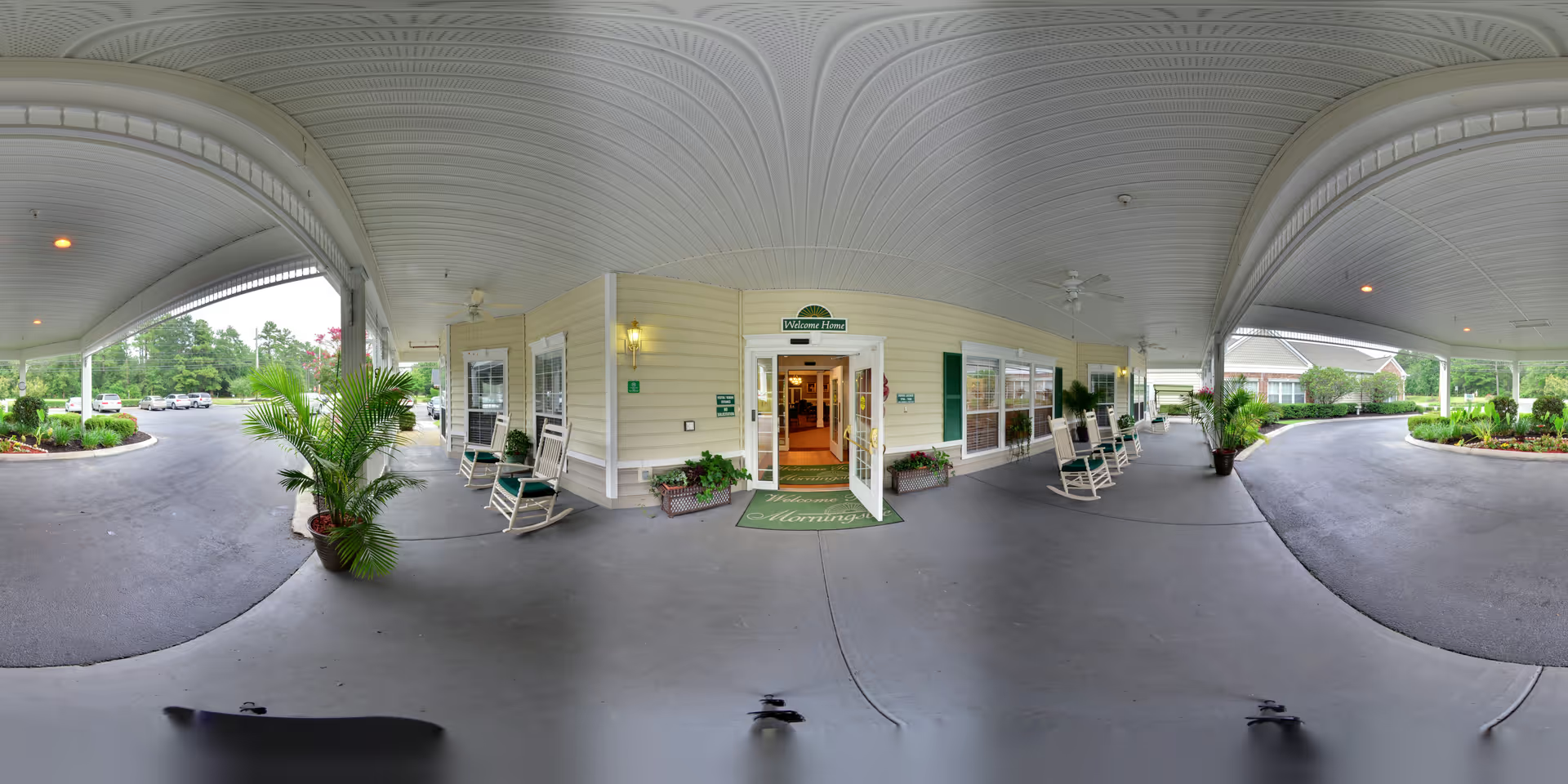
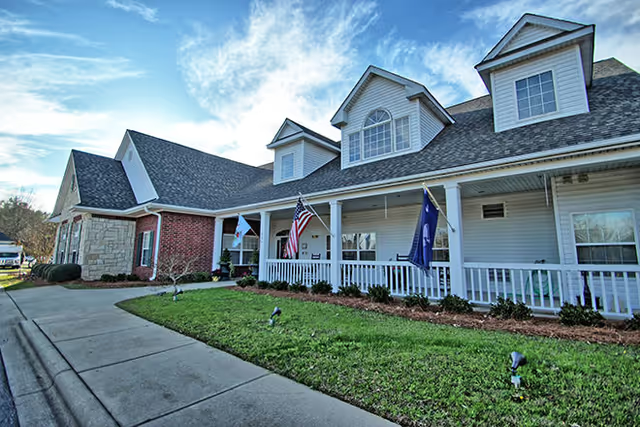
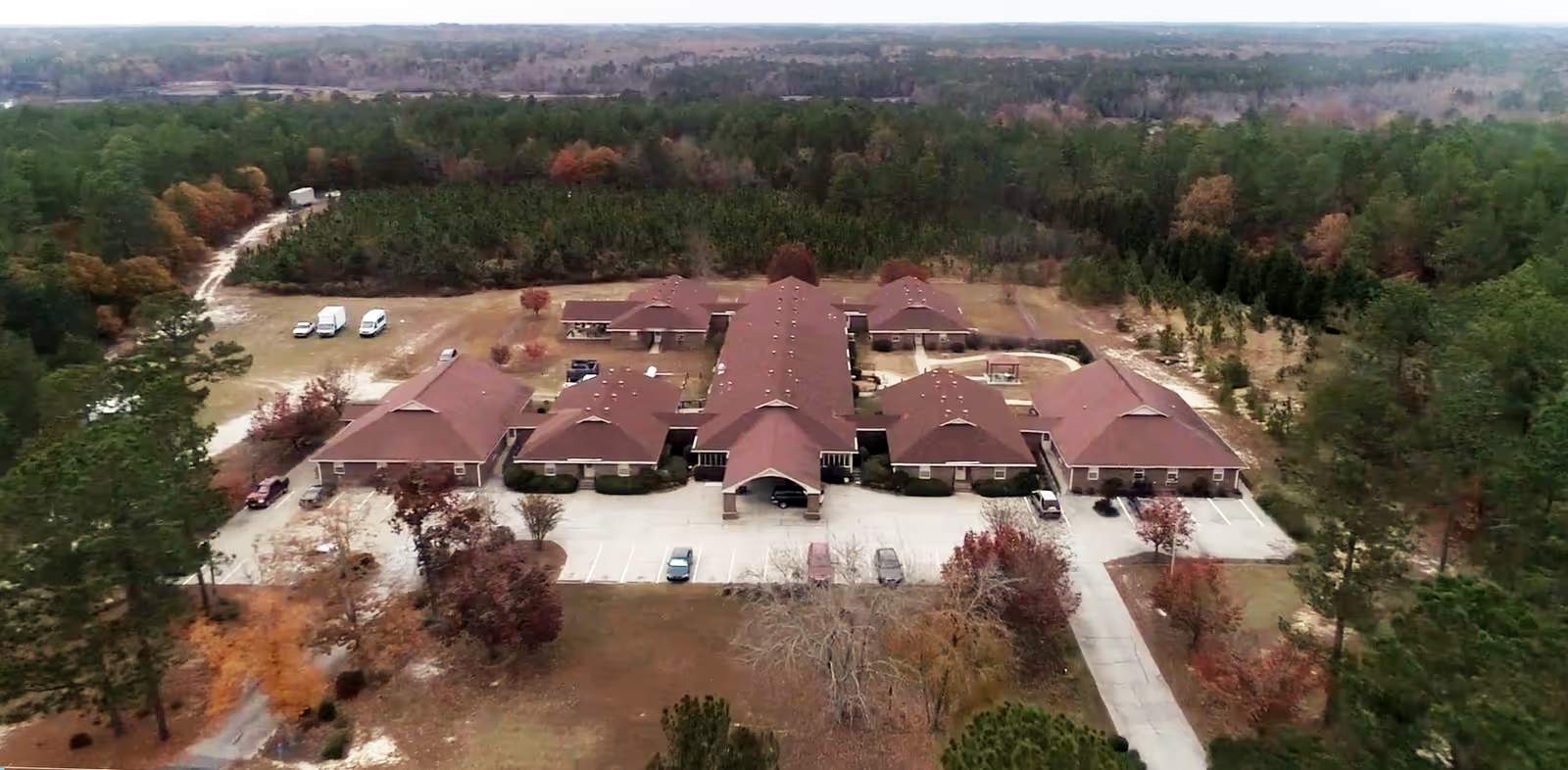
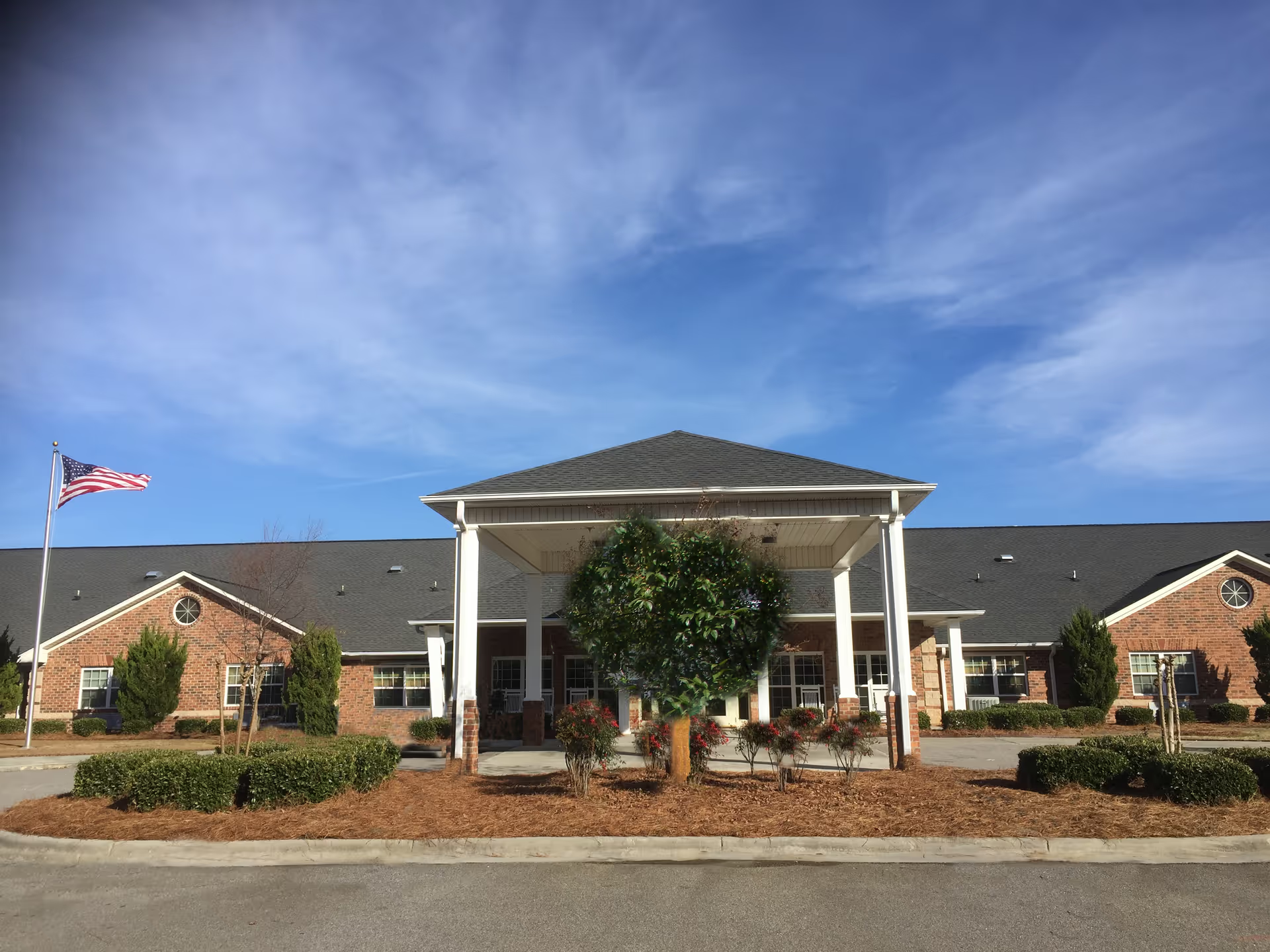
Facilities and environment: The community is frequently described as clean, well-maintained, and visually appealing with cozy common areas and a range of room sizes. Positive notes include pleasant landscaping and an upscale dining area. Conversely, reviewers mentioned environmental-control inconsistencies (for example, room temperature), occasional somber or dim ambiance in some areas, and limited in-room amenities for certain suites.
Management and communication: Management responsiveness appears mixed. Several families praised efficient admissions, helpful tours, and staff who quickly corrected communication errors. Others described gaps in family communication, unexplained staff turnover, and coverage holes during shift changes. Pandemic-era visitation policies were viewed by some as overly restrictive and as affecting quality of life near the end of life.
Notable patterns and considerations: The strongest and most consistent positives relate to individual caregivers, the community atmosphere, and an active activities program. The most substantive operational weaknesses center on staffing consistency and training, supervision and fall-prevention processes, sanitation and incontinence care, and clinical coordination for higher-acuity needs. Together these produce a split set of experiences: families who felt reassured and happy with placement, and families who felt the facility was not a fit for residents with more complex medical or supervision needs.
For prospective families: ask specific questions about night and weekend staffing ratios, memory-care staffing and training, fall-prevention protocols, medication and clinical coordination, sanitation practices, and visitation policy flexibility during infection-control events. Visiting at different times (including evenings and weekends) and requesting recent quality or inspection information may help clarify whether the facility’s operational strengths align with a particular resident’s needs.