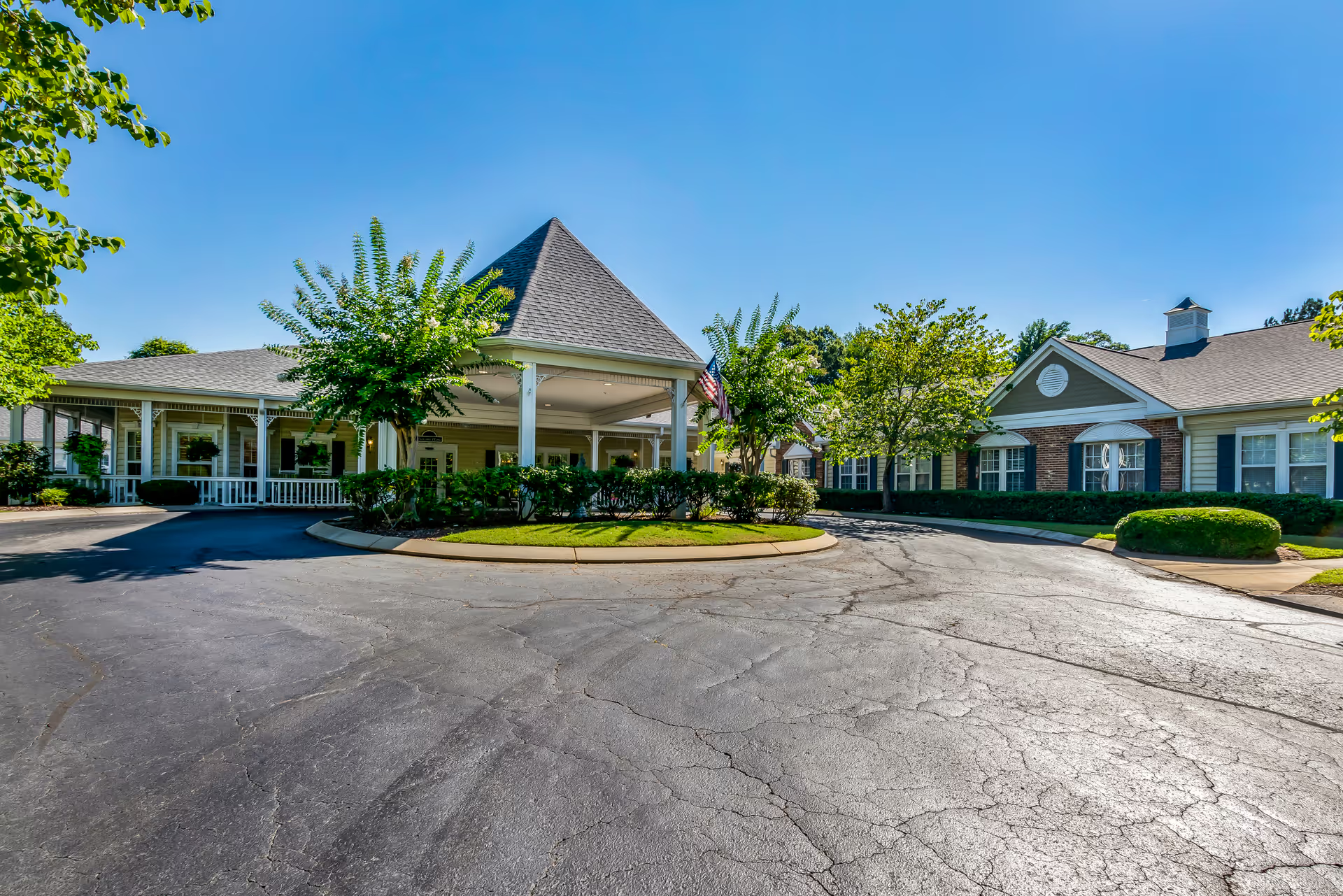
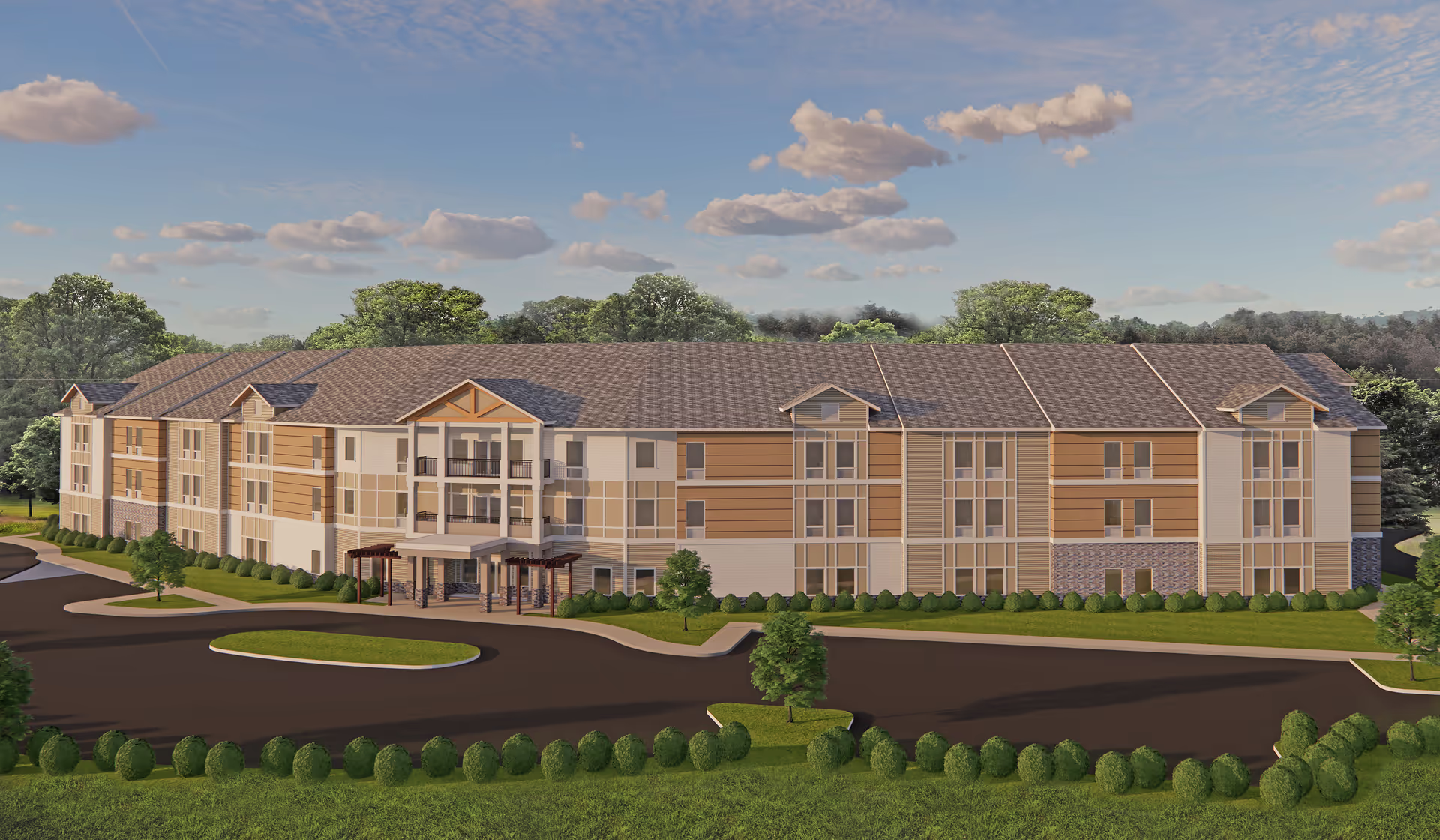
Helms-Gordon Residential Care is described as a small, women-only residential setting with a strong emphasis on personalized, compassionate care. Families and residents frequently characterize staff interactions as attentive and family-like; long-term placements are noted and medication administration and midweek physician/NP access are available to support clinical needs. Daily laundry, on-site haircare, and regular meals are part of the routine care package, and reviewers emphasize that the facility provides consistent, cost-effective support for residents on fixed incomes.
Dining and basic services are positively viewed. Reviewers note three meals per day with generally favorable comments about food quality, and the facility offers daily clothing laundering. The environment is described as warm, quiet, and odor-free, and residents are observed to form friendships and report feeling cared for. Recreational space includes a common-area room stocked with games, books, and puzzles; light exercise opportunities are offered, and social interaction with roommates is often mentioned as a benefit.
Facilities and programming reflect the small-household model: the size supports close staff–resident relationships and frequent managerial involvement, which many families see as a strength. At the same time, the limited scale constrains the breadth of activities and amenities available compared with larger communities. Some family members described the atmosphere as less homelike, indicating that organizational routines or layout may feel institutional rather than domestic to certain residents.
Management involvement is a salient pattern. The owner/manager is portrayed as actively supportive and deeply involved in resident care and communication; this contributes to family confidence but also suggests operational dependence on that individual for continuity and problem resolution. Reviewers also pointed to wayfinding challenges for residents with cognitive impairment, indicating that dementia-friendly signage and navigation aids could be improved to better support residents with memory or orientation needs.
In summary, Helms-Gordon appears to offer attentive, personalized care in an affordable, small-scale environment with reliable basic services and clinical access. Prospective residents and families should weigh the advantages of close staff relationships and lower cost against the trade-offs inherent to a small, women-only household—namely fewer on-site amenities and a potential need for enhanced dementia-friendly design and broader activity programming. A face-to-face visit, focused questions about staffing continuity and specific programming options, and assessment of wayfinding supports are recommended for families evaluating fit.