The Blake at Baxter Village elicits strongly mixed impressions: many reviewers praise the staff, amenities, and dining, while others raise operational and safety concerns that prospective residents and families should evaluate closely.
Care and staff: Numerous comments emphasize compassionate, attentive caregivers and knowledgeable nursing and therapy personnel. Specific staff members and managers receive strong praise for individualized attention and family communication. At the same time, recurring themes include inconsistent staffing levels, high turnover, and periodic lapses in clinical communication. Several families described reliable medication scheduling and good therapy support, but there are also concerns about medication-administration processes and the timeliness of clinical responses in some situations.
Dining: Dining is a visible strength for many residents — a chef-driven program, fresh and varied menus, flexible meal choices, resident input via advisory committees, and options for private family meals. COVID-era changes (in-room dining, modified service) were implemented, and many appreciated cautious protocols. However, reviewers also described inconsistency in meal quality and temperature control (meals arriving cold) and occasional dissatisfaction with the value relative to cost.
Activities and social life: The community offers a broad slate of social and creative activities — arts and crafts, exercise classes, memory games, special events, outings, religious services, and family days — and several reviewers reported that the activity team is creative and engaged. Conversely, some residents felt the programming was not stimulating or was more suited to assisted‑ or memory‑care populations than to independent-living residents. Reviewers also noted limited tailored engagement for some memory-impaired residents and intermittent cancellations that left activity gaps.
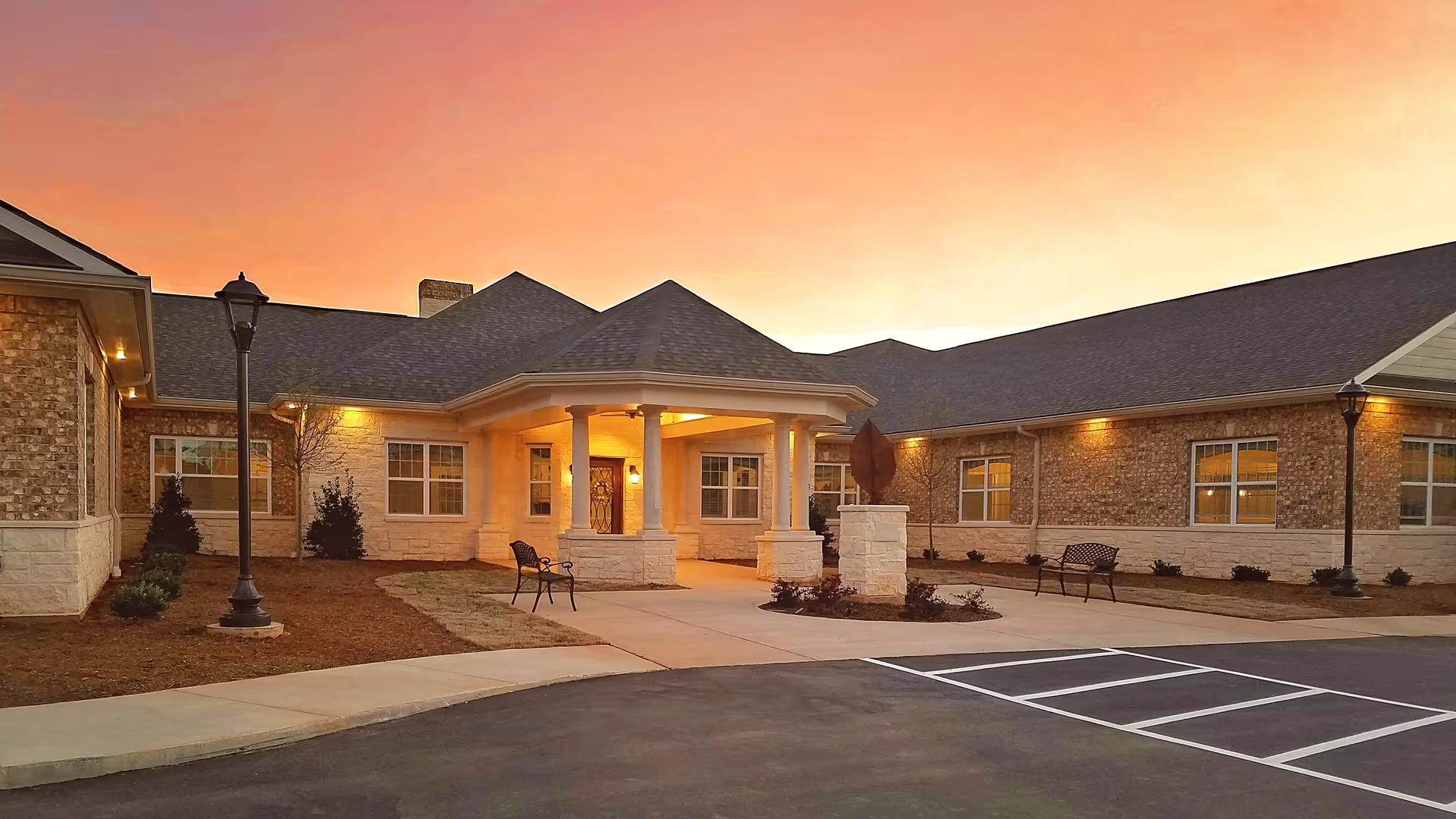
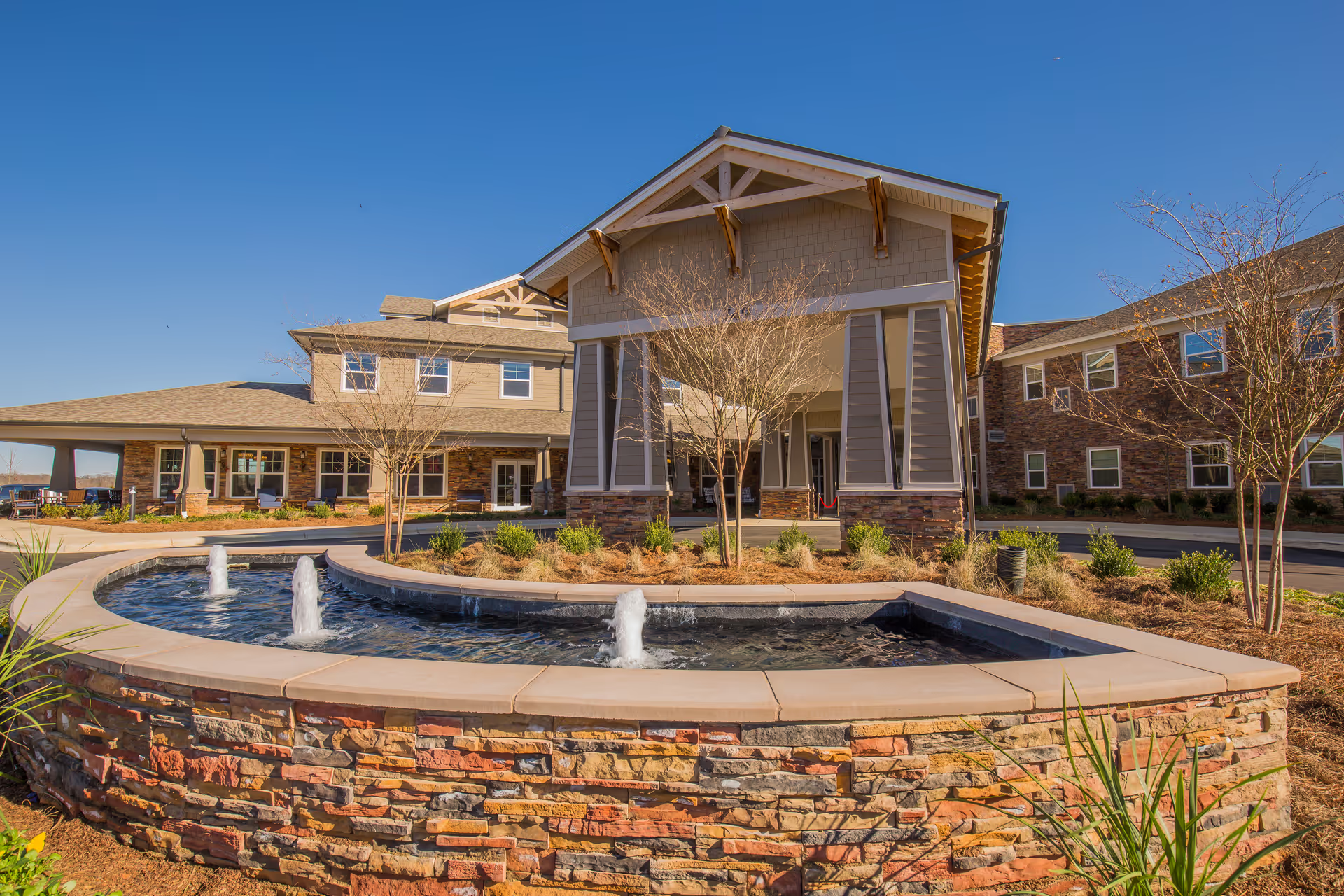
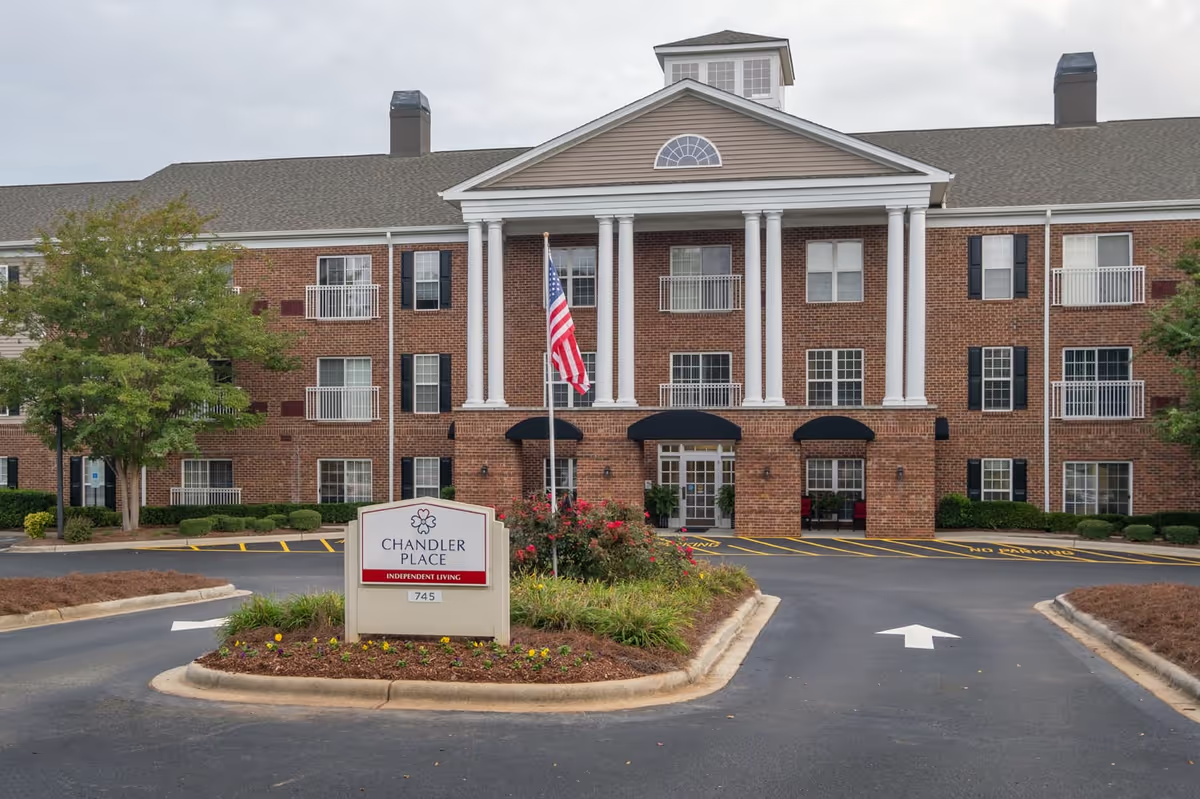
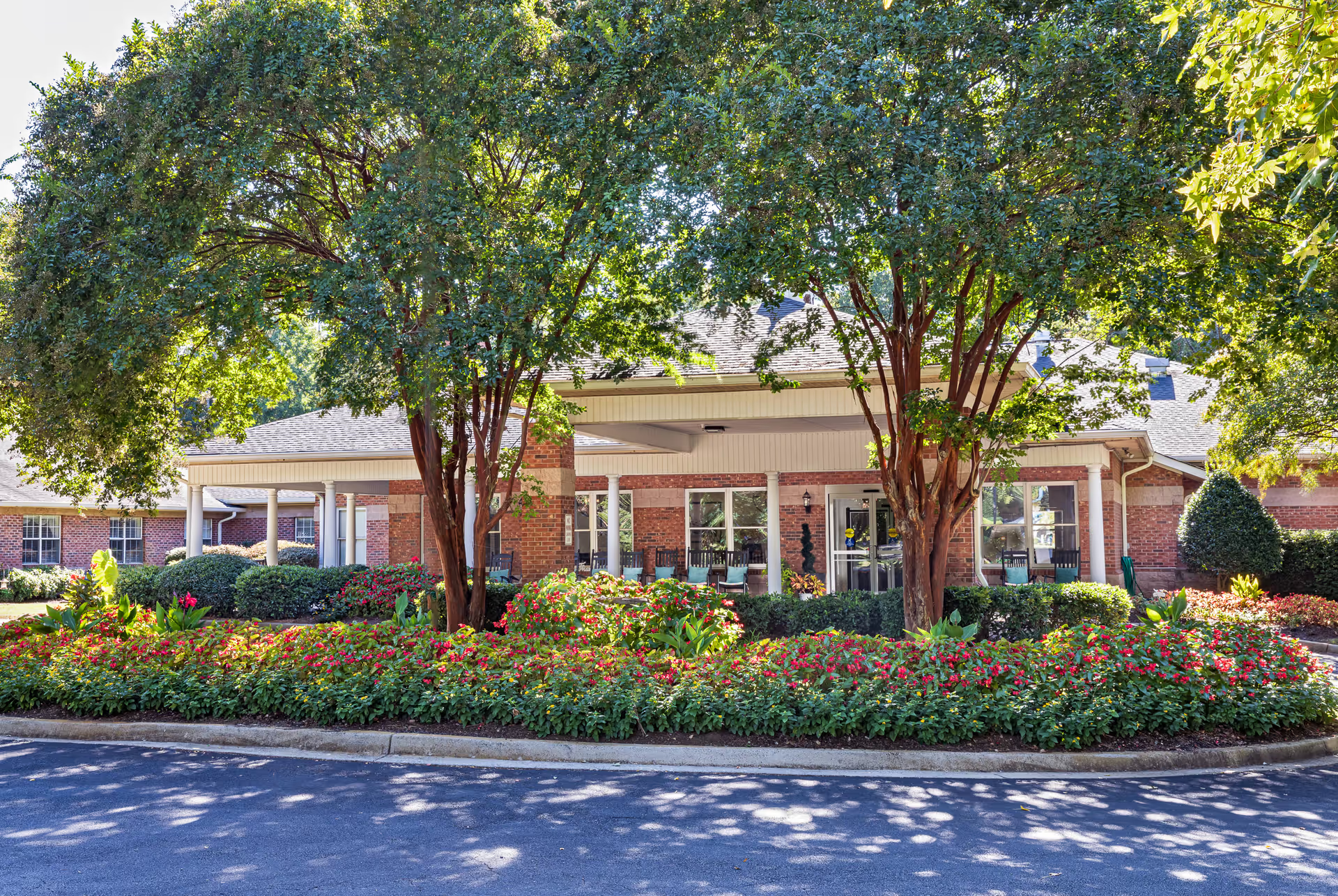
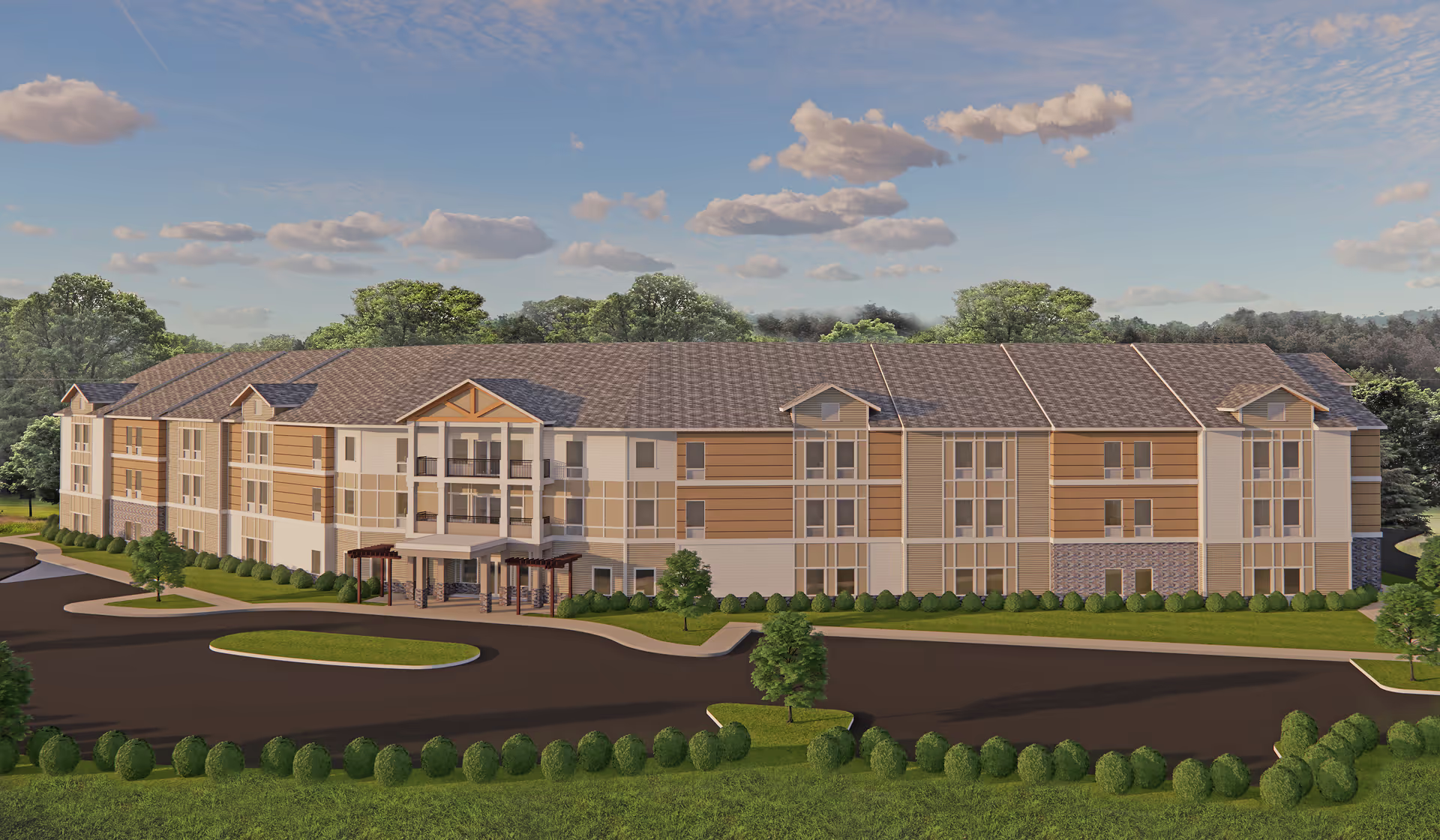
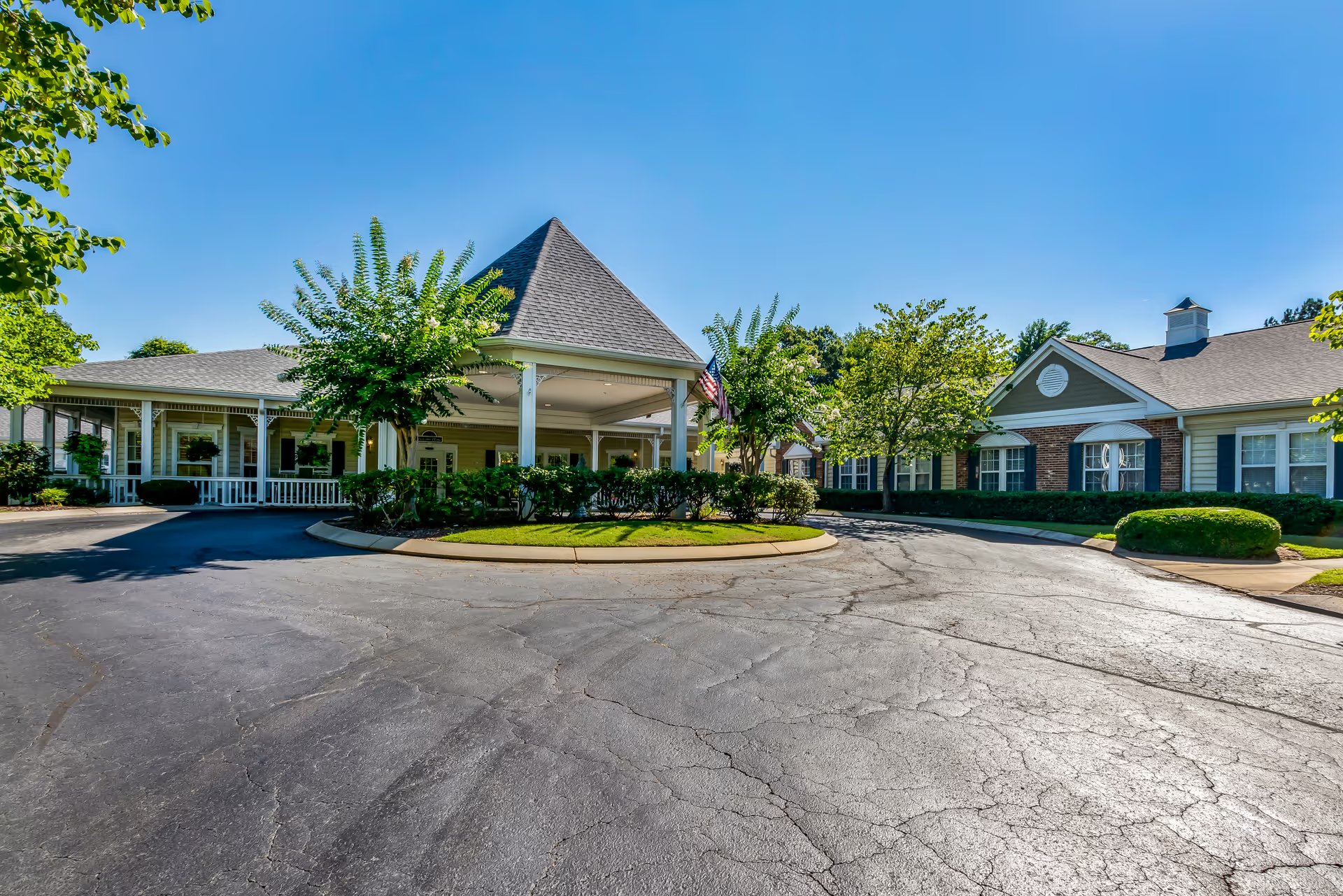
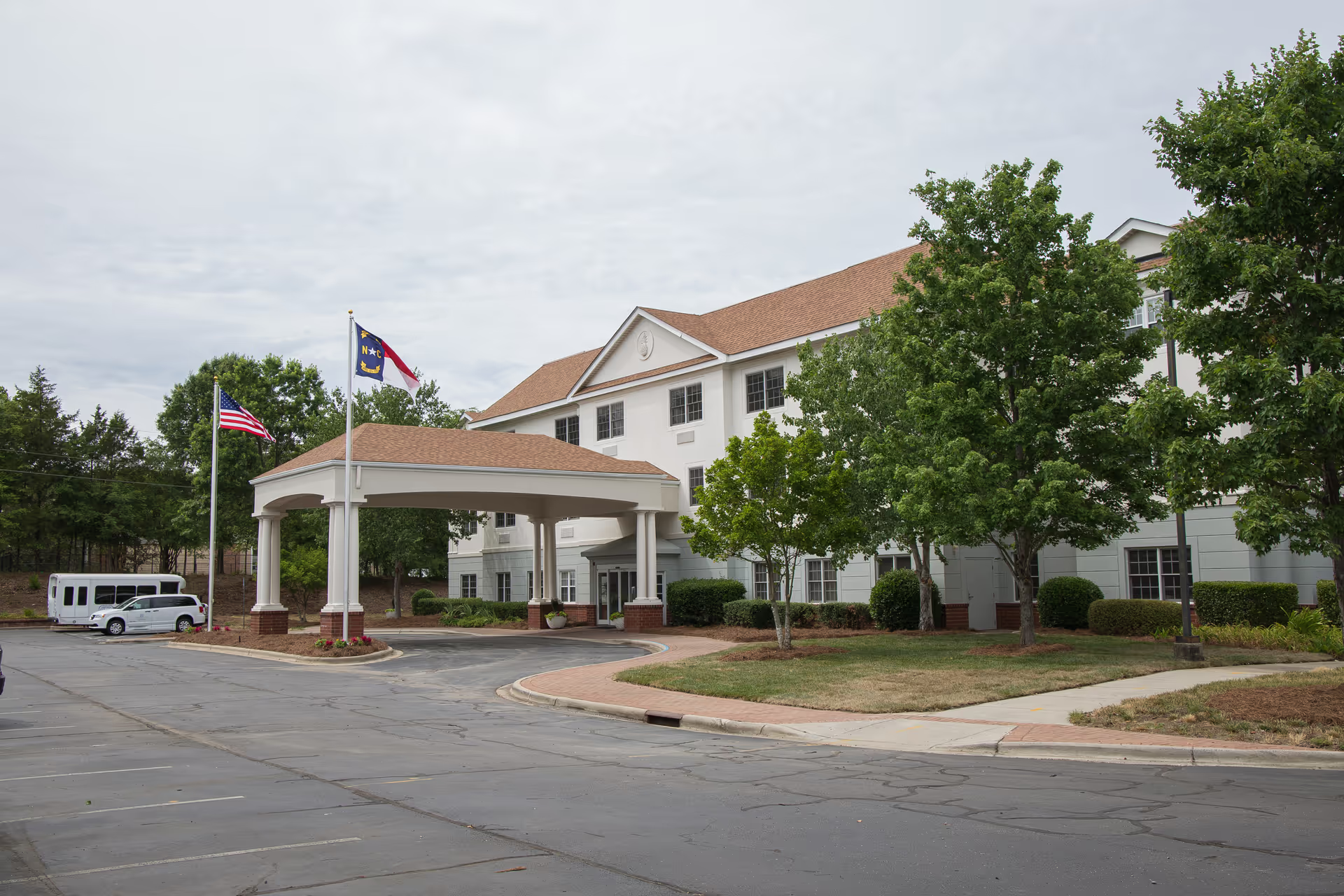
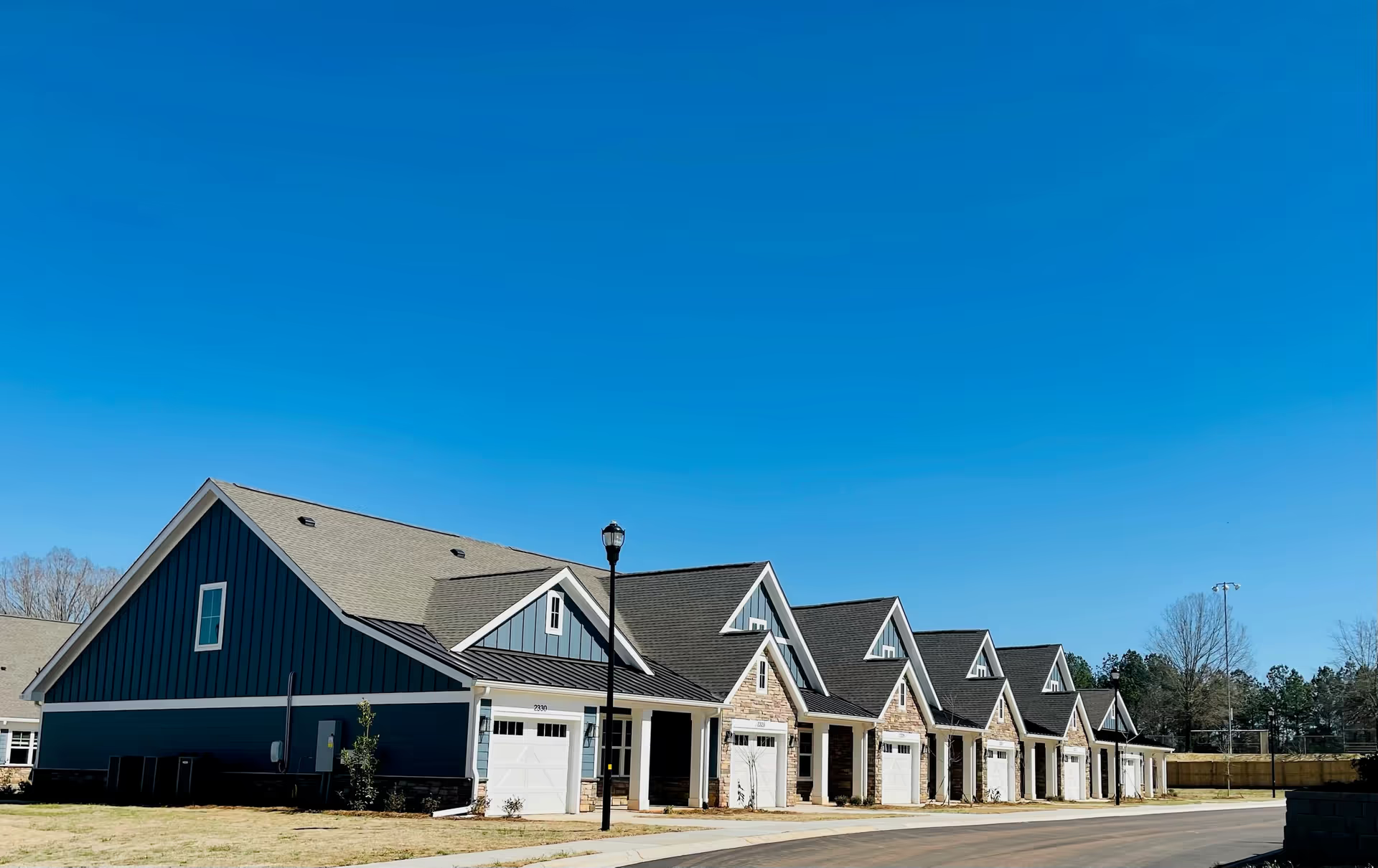
Facilities and safety: Physical amenities and common areas are frequently described as modern, clean, and hotel-like, with attractive outdoor spaces, a salon, theater, and therapy/rehab areas. Caveats raised by reviewers include smaller-than-expected apartment bedrooms for certain bed sizes, inconsistent housekeeping and maintenance follow-through, and sanitation or cleanliness concerns in specific units or back-of-house areas. Multiple comments also pointed to gaps in environmental safety and supervision protocols (for example, unsecured doors or hazardous items left accessible) that merit discussion during a tour.
Management and operations: Feedback about leadership is polarized. Some families describe open, responsive management that implements changes based on resident input; others describe detached or slow-to-respond administration, difficulty reaching leadership, and poor follow-through on maintenance and communication. There are also serious financial concerns in the commentary — including allegations of billing irregularities or financial misconduct — which should prompt verification of billing practices, contract terms, and financial safeguards. Cost is a common theme: several reviewers feel the monthly price is high relative to the value they experienced.
Notable patterns and guidance: The strongest, consistent positives are caring front-line staff, robust amenities, and an appealing dining program when it functions as intended. The most persistent negatives are operational: staffing instability, management communication gaps, inconsistent housekeeping and meal service, and some safety/security protocol weaknesses. Prospective residents should arrange an in-person tour, ask for current staffing ratios, review medication and incident‑reporting policies, inspect housekeeping and maintenance records, clarify billing procedures, and sample the dining program. If memory care is a consideration, evaluate the tailored engagement plans and staffing for that unit specifically. These steps will help determine whether the community’s strengths align with an individual resident’s needs and expectations.