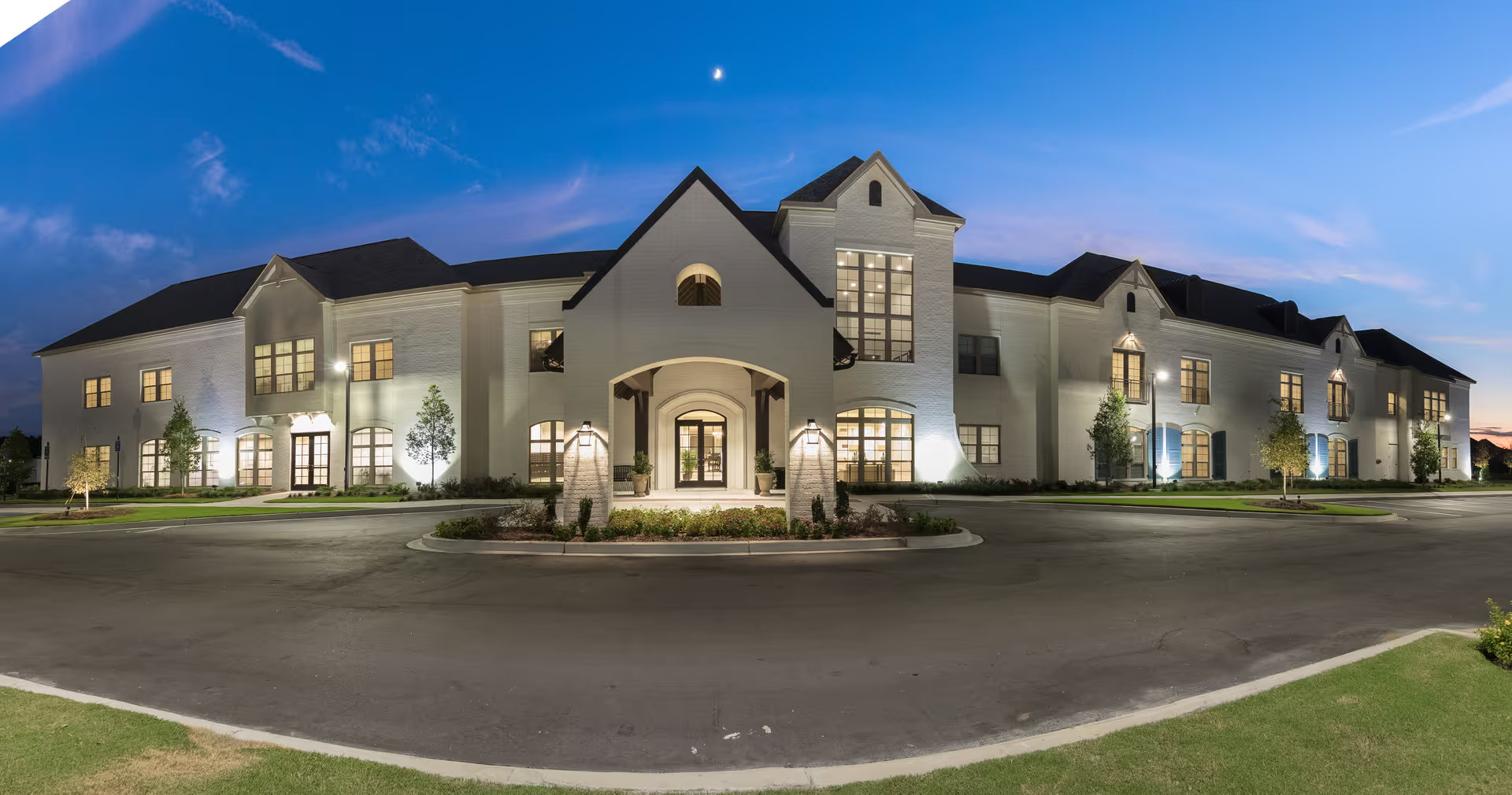
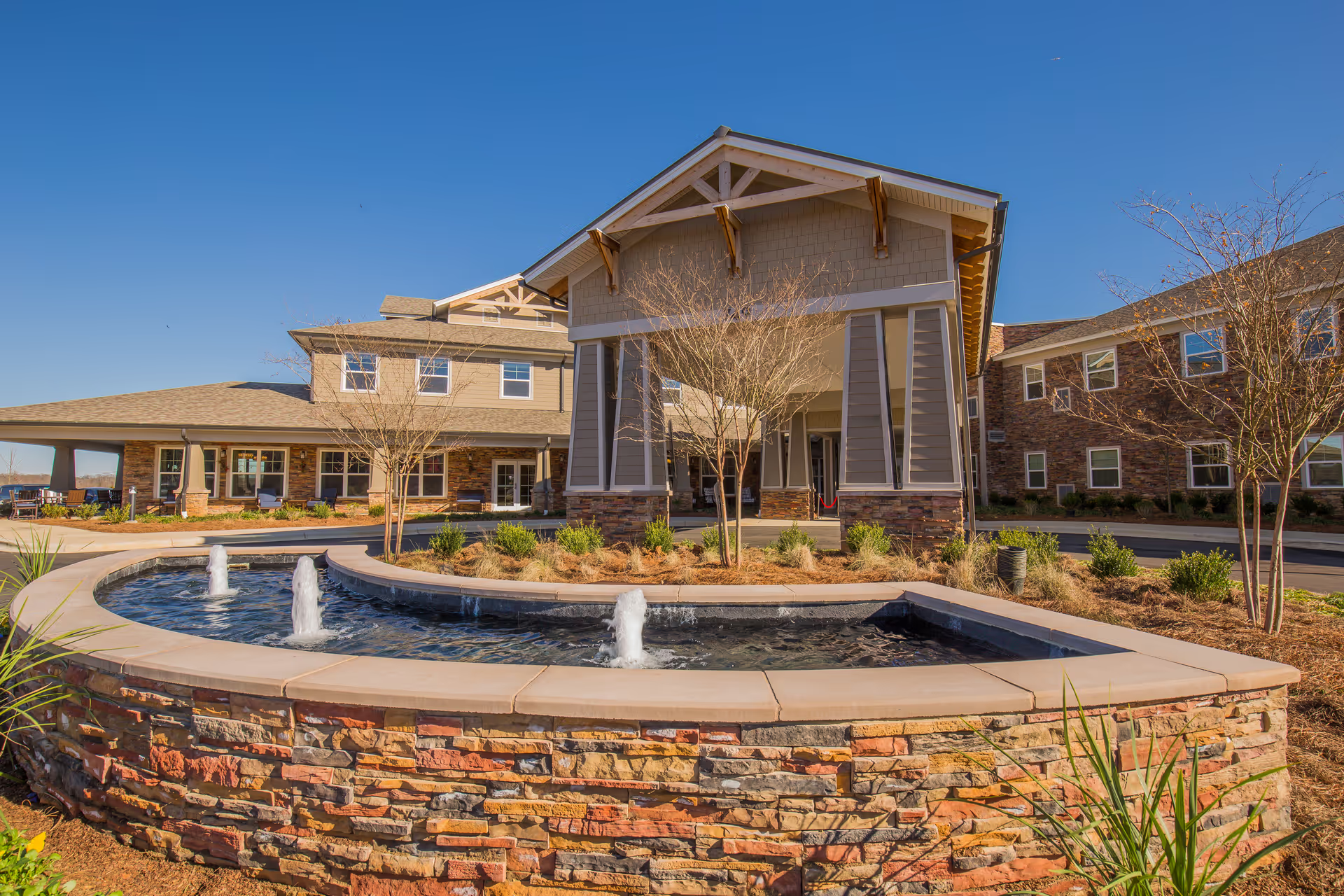
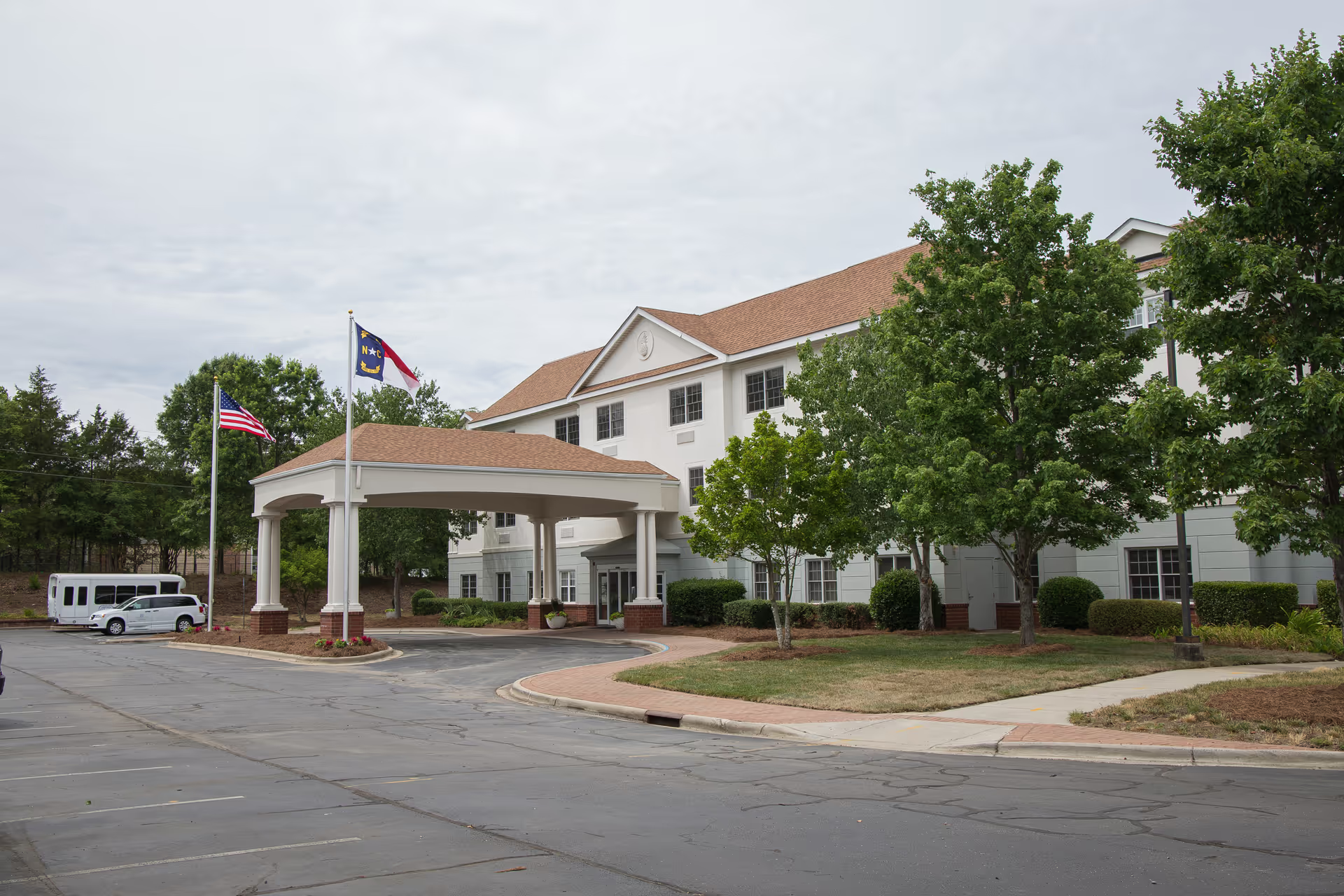
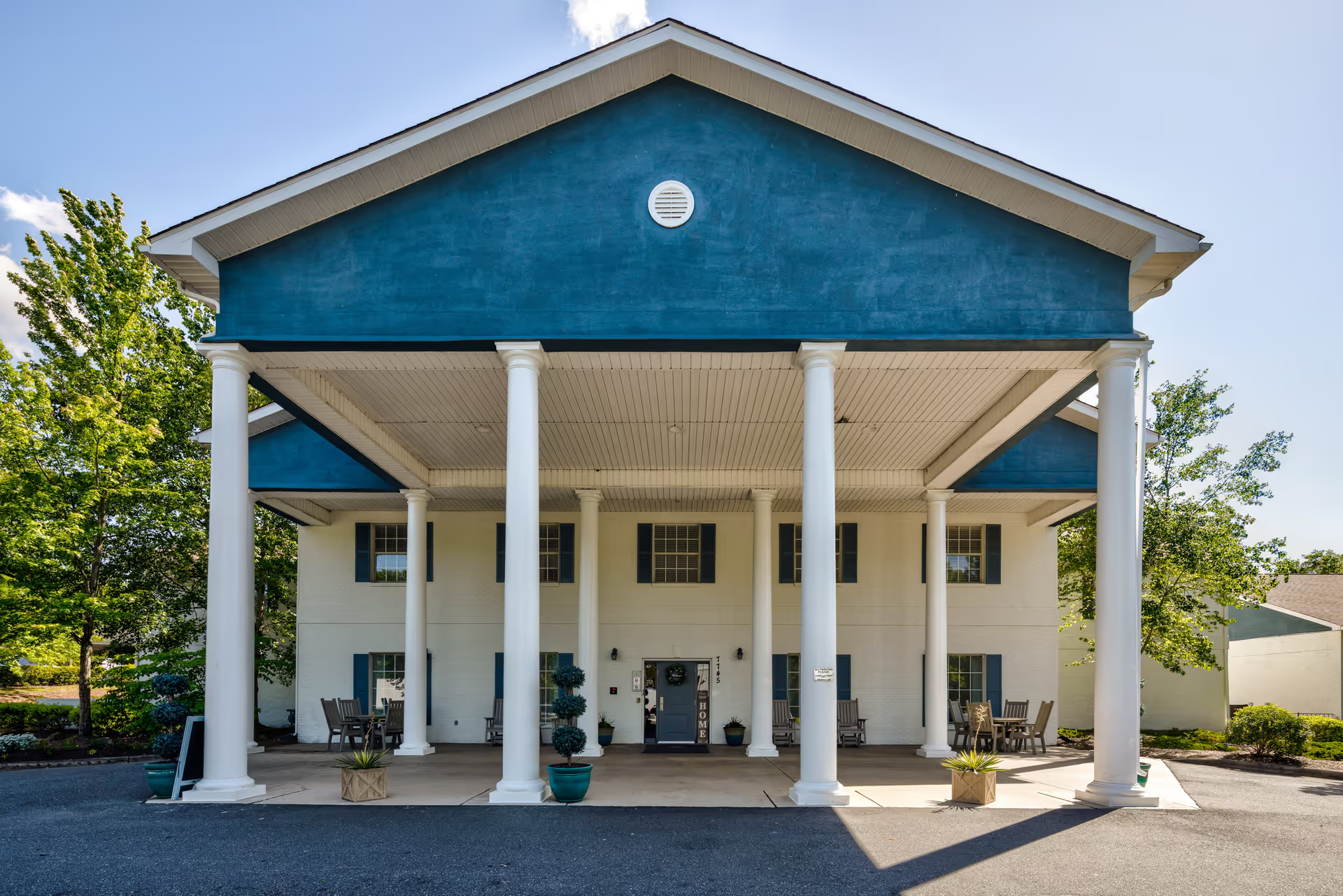
Overview: Lavender Hills Fort Mill is described predominantly as a warm, bright, and well-equipped memory-care community with strengths in person-centered caregiving and dementia-focused design. Families frequently note compassionate interactions, name-based attention, and a homelike atmosphere. The facility emphasizes memory-care expertise—specifically Alzheimer’s and Lewy Body dementia—and combines licensed nursing oversight with on-site hospice support, which many families found reassuring for higher-acuity needs.
Care and staff: The dominant theme across observations is strong frontline caregiving: staff are repeatedly characterized as caring, attentive, and hands-on, with examples of individualized attention and follow-through. Clinical coverage is highlighted as a positive feature, with 24/7 licensed staffing and RN involvement. That said, there is a pattern of variability: some families describe excellent, consistent care, while others raise concerns about staff turnover and inconsistent clinical practices. These inconsistencies appear to affect day-to-day caregiving reliability and, in a few accounts, wound- or pressure-injury management and hygiene follow-up.
Dining and nutrition: Dining is generally viewed as a strength — meals are described as varied, tasty, and adaptable for special diets (including pureed options). Staff involvement in checking on residents during meals is noted positively. Contrasting accounts point to occasional inconsistencies in food quality and portion sizes, and a small number of comments suggest residents sometimes remain hungry after meals. Overall, the kitchen offers alternatives and accommodates dietary needs, but meal consistency may depend on staffing and shift coverage.
Activities and social programming: The community offers a broad schedule of daily programming, including music, dancing, crafts, exercise, trivia, puppet shows, and offsite trips when available. Spaces support social engagement: wide corridors, multiple dining rooms, communal rooms, and courtyards encourage activity and roaming where appropriate. Families report a generally active calendar that supports physical, cognitive, and social needs; however, several comments indicate that activity staffing levels can fluctuate, leading to reduced variety or fewer one-on-one opportunities at times.
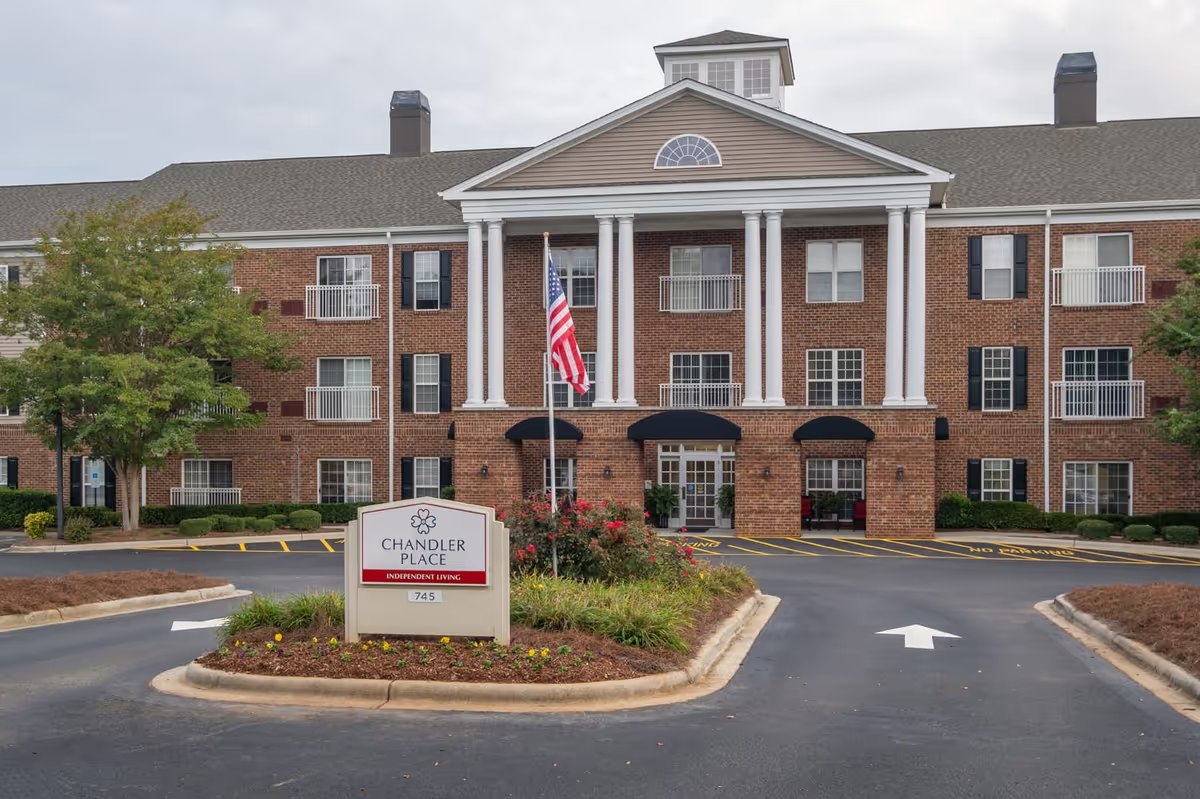
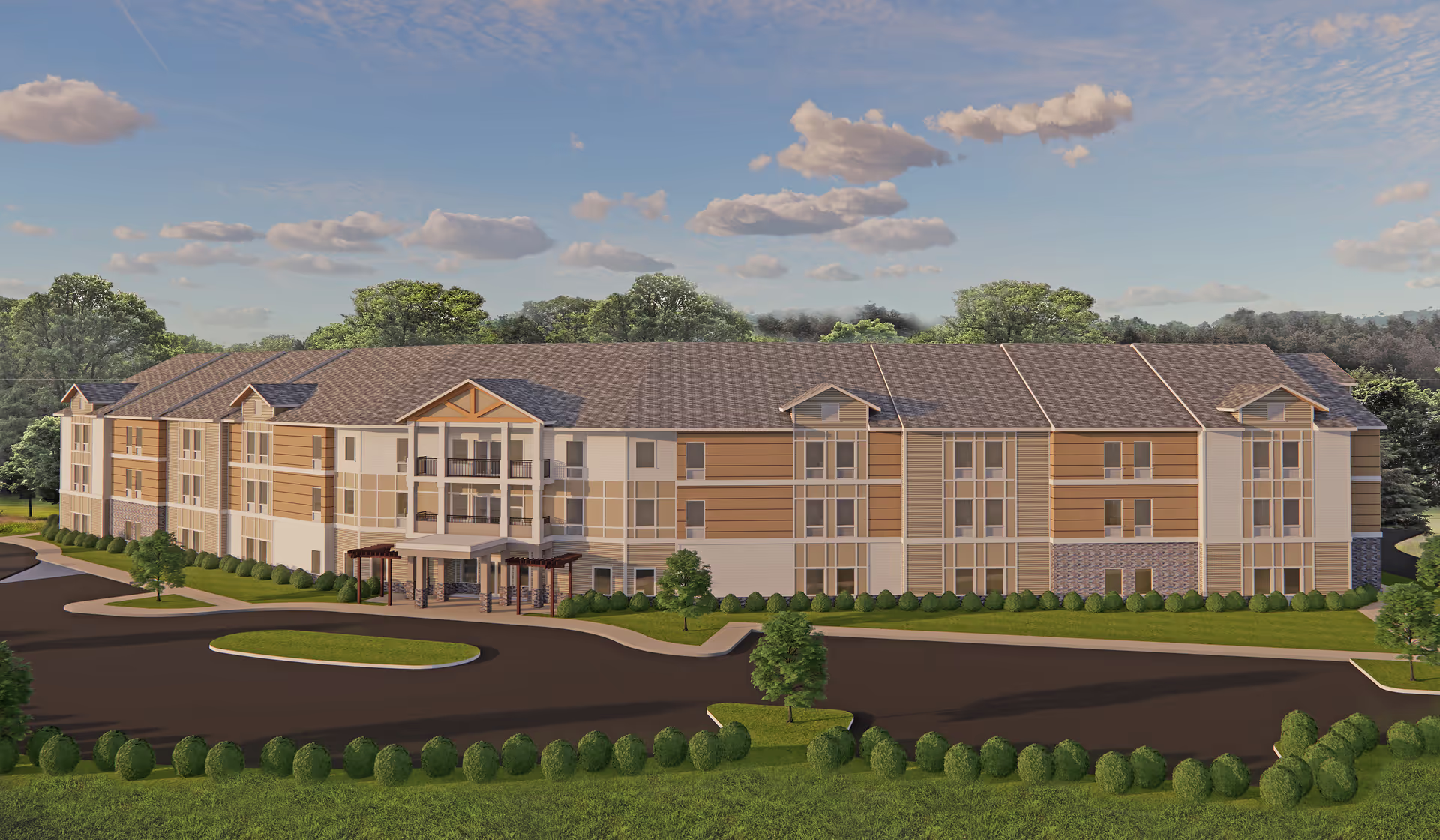
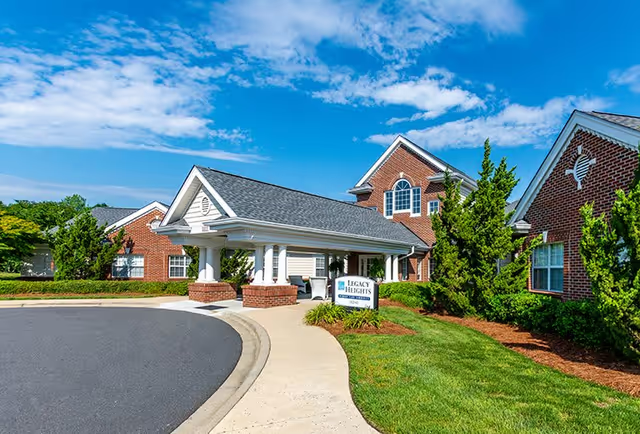
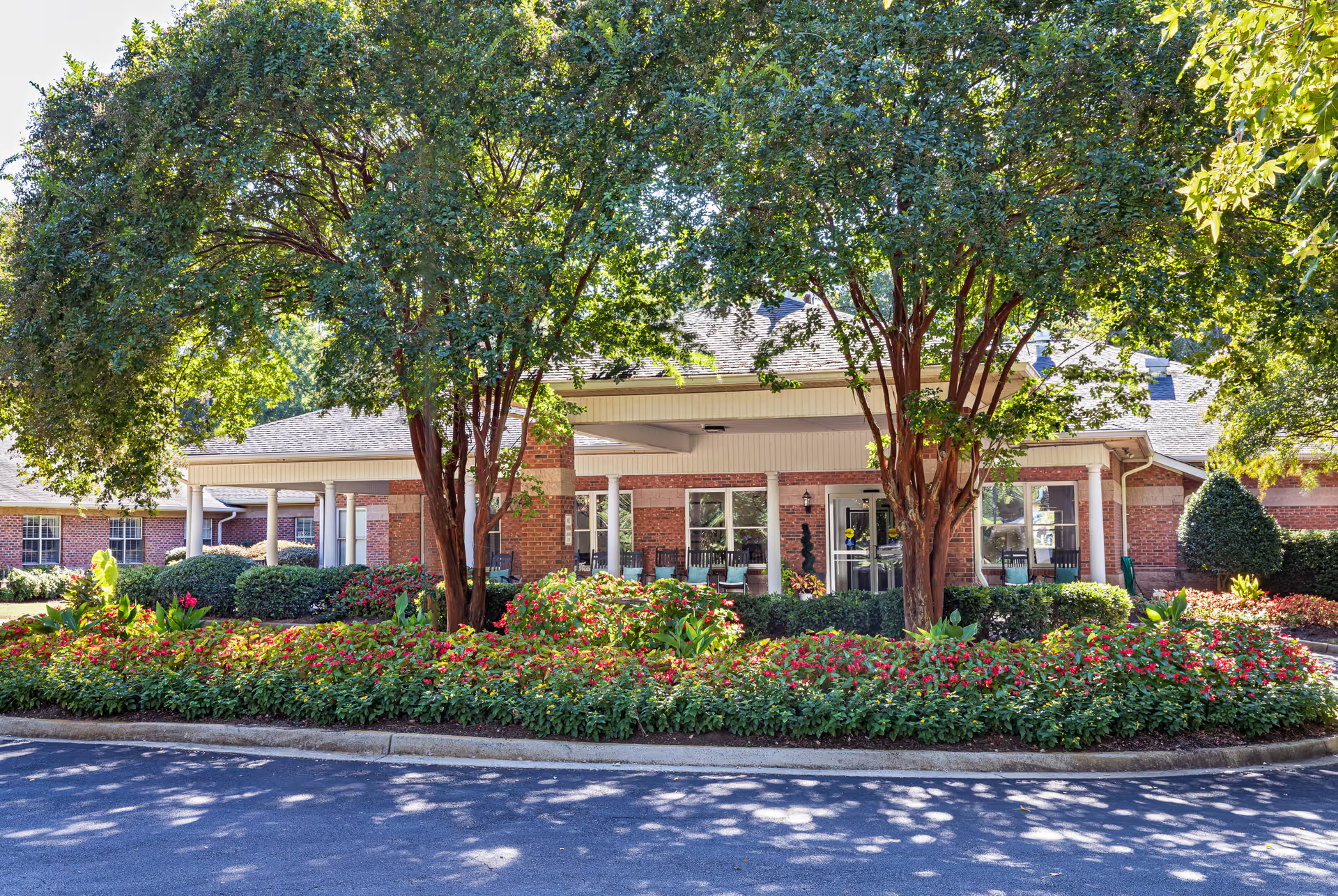
Facilities and amenities: Physical facilities receive frequent praise: bright, airy interiors; fresh decor; larger-than-average rooms and closets; and well-maintained common areas. On-site amenities such as a hairdresser, library, and multiple dining areas add to convenience. Proximity to major routes and local services is another practical advantage. Some reviewers note maintenance and sanitation variability in certain areas, which suggests periodic attention is needed to sustain the generally positive physical environment.
Management, administration, and communication: Communication during admissions and ongoing family updates is generally described as proactive, with staff often facilitating paperwork and outreach. Transparent all-inclusive pricing and same-day tours are cited as helpful. Nevertheless, management-related issues emerge as a recurring concern: inconsistent responsiveness, occasional perceived unprofessionalism, and administrative delays (including billing or refund processing) were reported. These organizational weaknesses appear linked in part to staffing stability and may influence family perceptions even when direct caregiving is strong.
Notable patterns and recommendation: The overall pattern is one of a facility with clear strengths in memory-care specialization, compassionate frontline staff, robust programming, and comfortable physical spaces. Counterbalancing these strengths are operational inconsistencies—primarily around staffing continuity, management responsiveness, activity staffing levels, and some administrative processes. Prospective families should weigh the demonstrated clinical strengths and activity offerings against these operational risks. Visiting the community multiple times, meeting direct-care staff and leadership, asking about current staff turnover rates, reviewing recent inspection or quality records, and clarifying billing and Medicaid policies would help assess current fit and reliability for an individual resident’s needs.