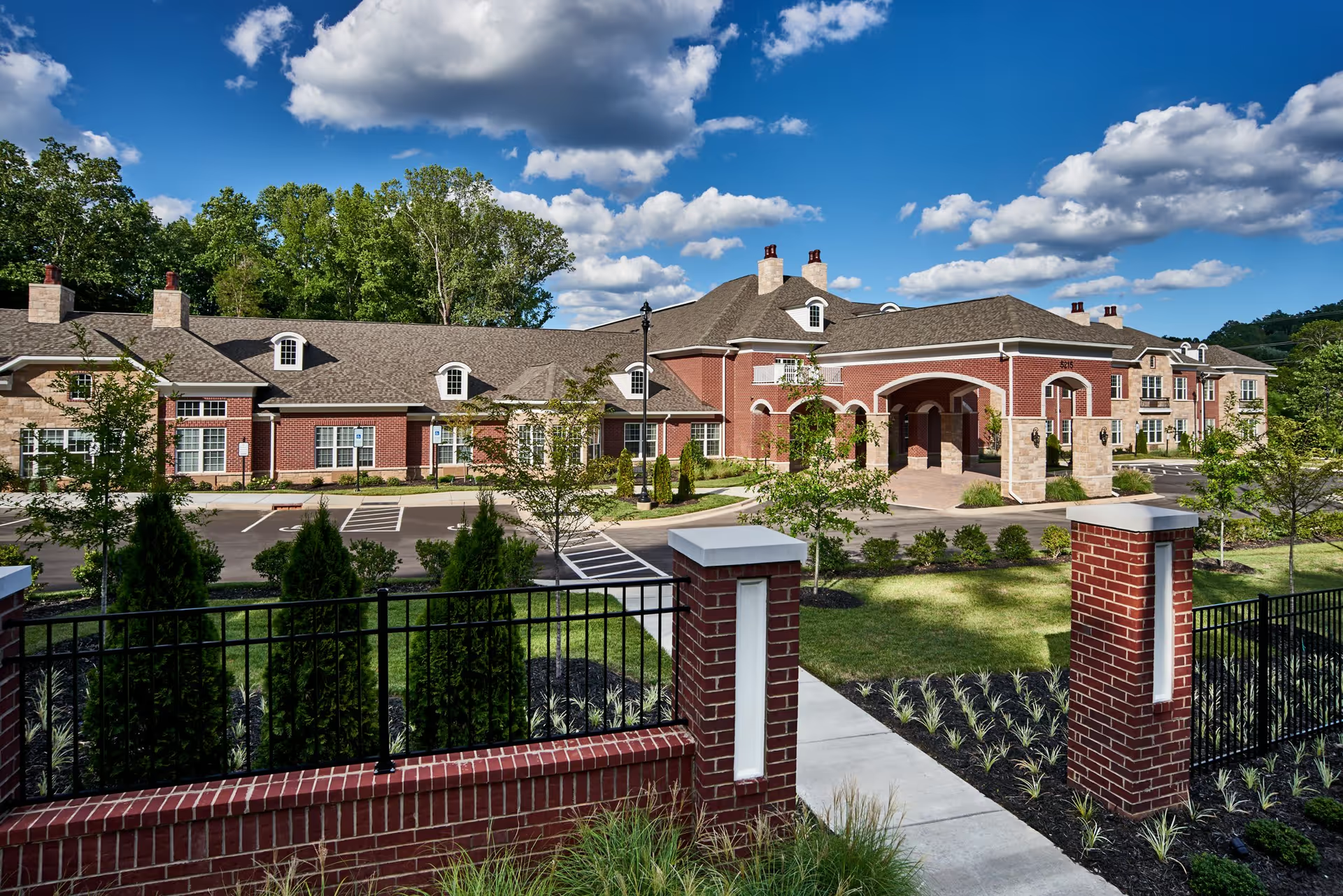
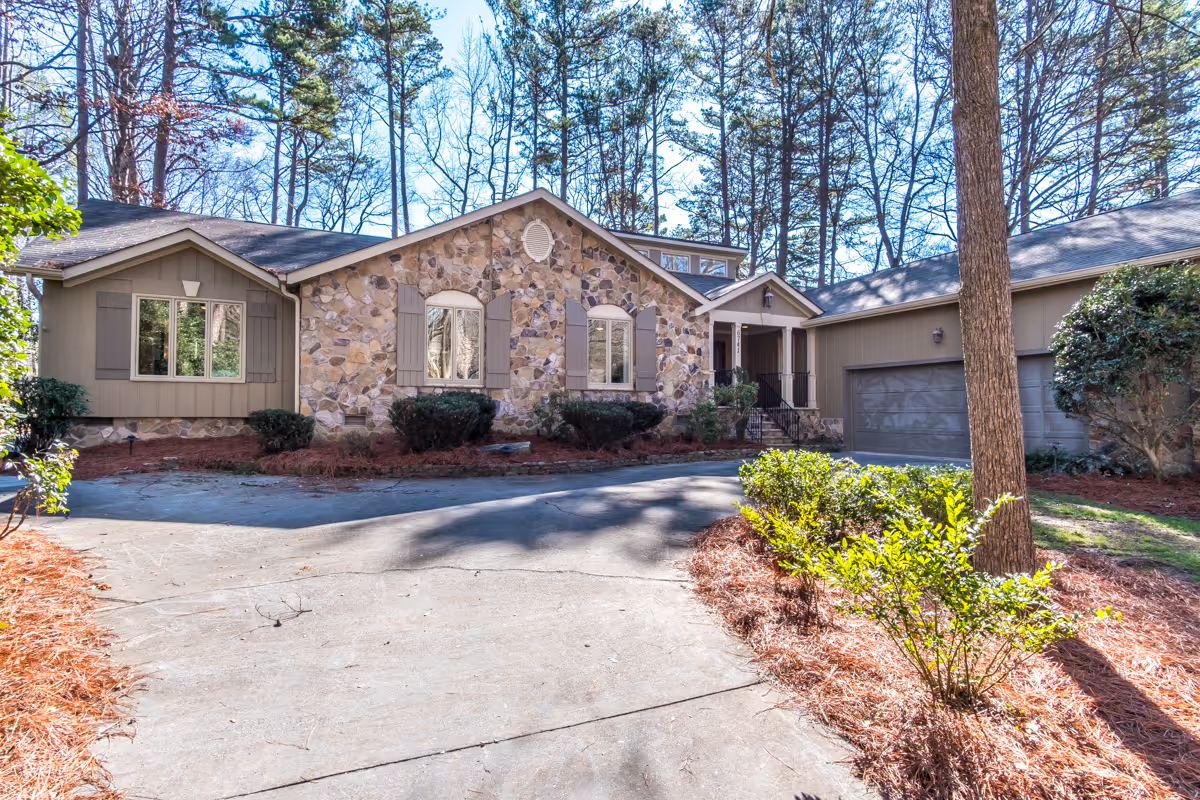
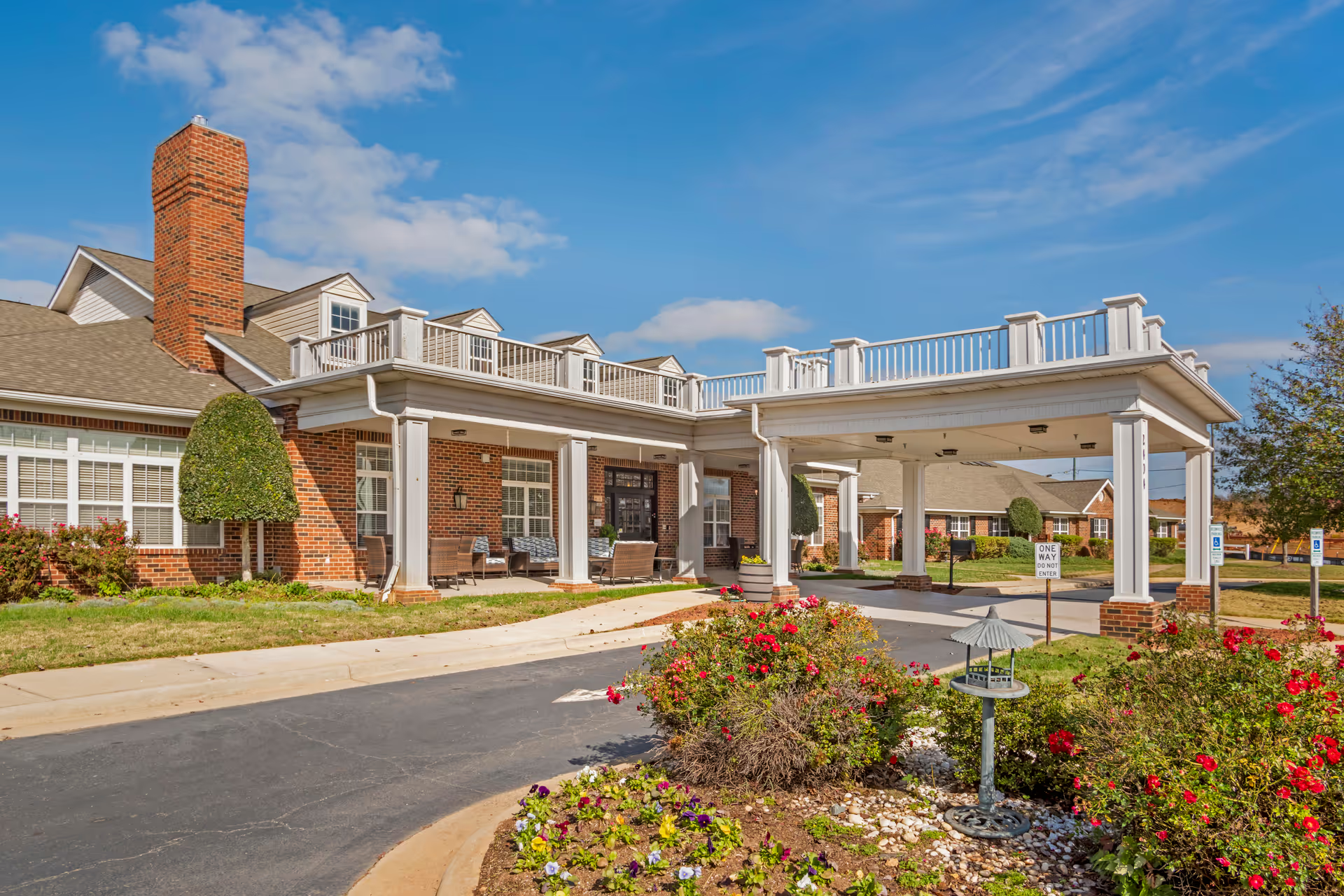
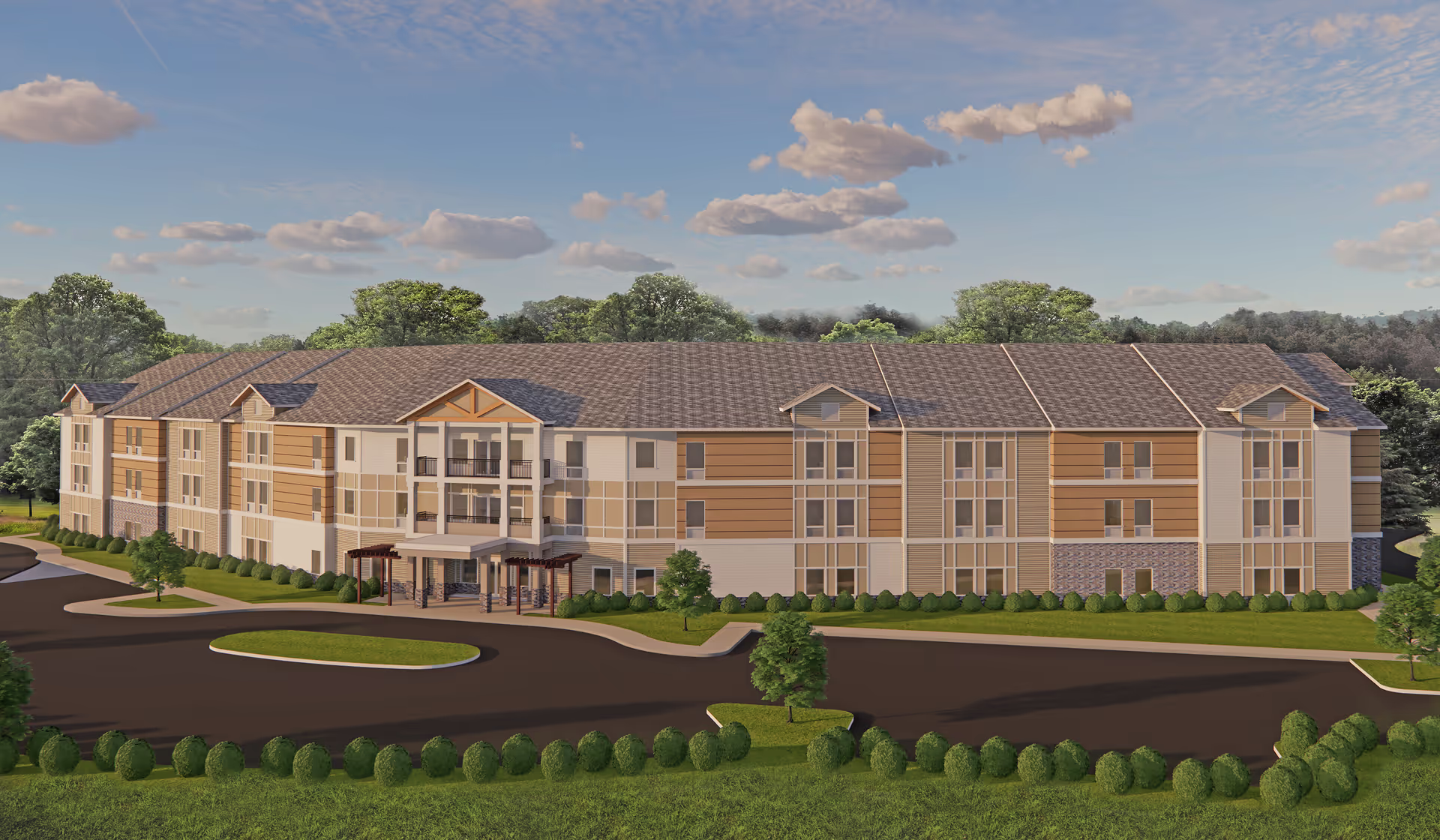
TerraBella Little Avenue presents as a small, home-like senior living community with consistent strengths in person-centered caregiving and family engagement. Many families describe staff who know residents by name, provide personalized attention, and help with transition and settling-in tasks such as room personalization and clothing care. The community offers an attached memory-care unit, on-site therapy services, hospice coordination, and multi-level care, which families cited as convenient for changing needs. Several reviewers highlighted frequent activities (Bingo, music, garden walks, outings, holiday events), regular housekeeping, and a variety of social opportunities that contribute to residents’ quality of life.
Care quality and staff: Overall impressions of caregiving are strongly positive for large numbers of families — reviewers commonly used terms indicating warmth, attentiveness, and continuity of staff. Long-tenured staff and visible leadership presence were noted as contributors to stable, personalized care and reliable family communication. At the same time, there are recurrent concerns about administrative consistency: some families described unprofessional interactions, pushy marketing during tours, or difficulty obtaining clear answers on pricing and availability. More serious concerns include gaps in the facility’s response to clinical incidents and in post-incident family communication. These items appear as isolated but significant experiences that prospective families should probe during visits.
Dining: Dining experiences vary. Many families praised improved nutrition, meal delivery when needed, dining assistance, encouraged communal dining, and special family dinners. Others described inconsistent food quality or dissatisfaction with certain meals. Dining assistance and staff attentiveness during illness were noted as positives; however, the variation in meal satisfaction suggests prospective residents should sample meals and confirm dining protocols during their evaluation.
Activities and social programming: The community demonstrates a broad activity program with daily calendars, off-site outings, live entertainment, exercise classes, games, and holiday events. These offerings appear robust and are a frequent highlight. A few reviewers noted that programming can be less accessible for residents with higher physical or language-support needs, so assess how activity adaptations are provided for varying ability levels.
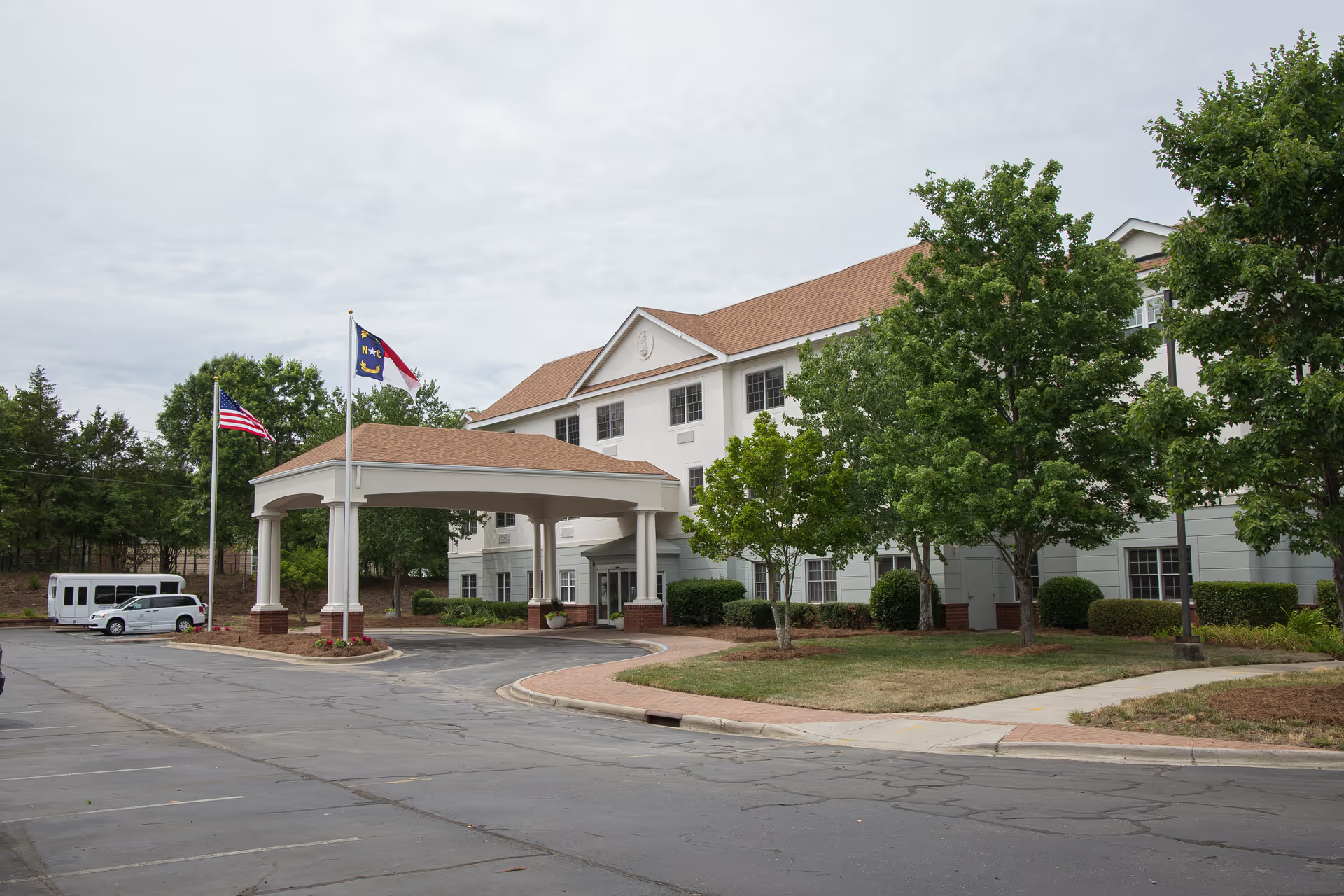
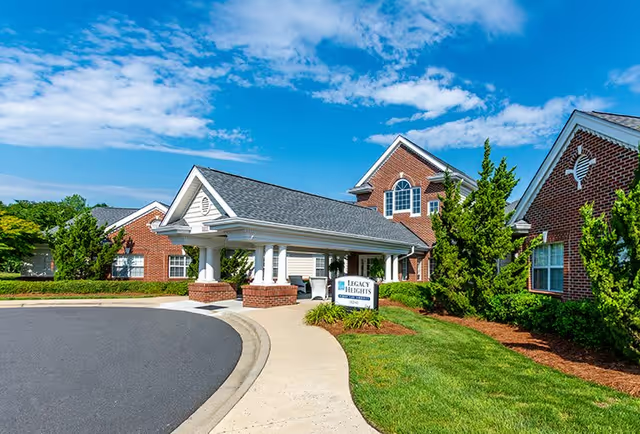
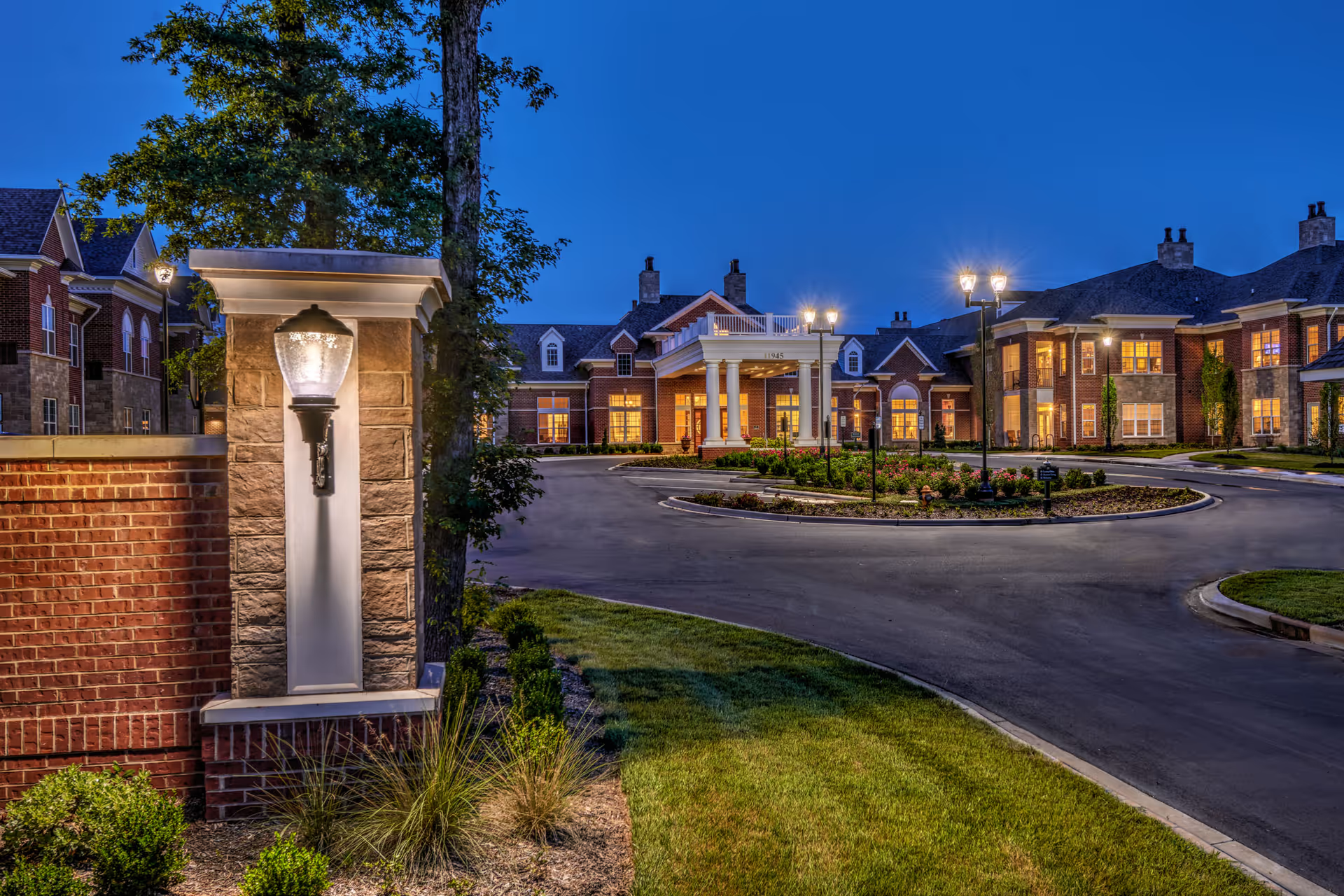
Facilities and rooms: Assisted-living areas are frequently described as clean, bright, and recently updated, with private bathrooms and useful in-room amenities (microwave, small refrigerator, closets). The overall scale is intentionally small, which many families find comforting. Conversely, the memory-care wing and some interior sections were described as older, dimly lit, and having sanitation or odor concerns in limited areas; there were also mentions of narrow hallways and room footprints that can be tight for walkers or larger mobility devices. Prospective residents should inspect specific units for light, layout, and ventilation and ask about pest-control and deep-cleaning schedules.
Management and operations: Strengths include staff longevity, on-site leadership involvement, and responsiveness to many complaints. Weaknesses cited across reviews are inconsistent administrative professionalism, occasional billing or policy-change confusion after management transitions, and variable transparency around pricing and fees. Several reviewers flagged limited overnight or after-hours on-site medical coverage and intermittent staffing gaps on weekends; these operational limitations are important for families whose care needs may escalate.
Notable patterns and recommendations: Reviews are polarized — a substantial number of families report excellent, compassionate care, clear communication, and a strong sense of home, while a smaller set of serious operational complaints (clinical-incident response, sanitation concerns in some memory-care areas, billing disputes) indicate variability in performance. For prospective residents and families, recommended next steps are: conduct a guided tour that inspects both assisted-living and memory-care spaces in person, sample meals, request staffing schedules (including overnight coverage and weekend staffing), ask for written pricing and refund policies, review recent pest-control and deep-cleaning logs, and seek references from current families with similar care needs. These targeted questions will help determine whether the facility’s strengths align with the prospective resident’s clinical and lifestyle requirements.