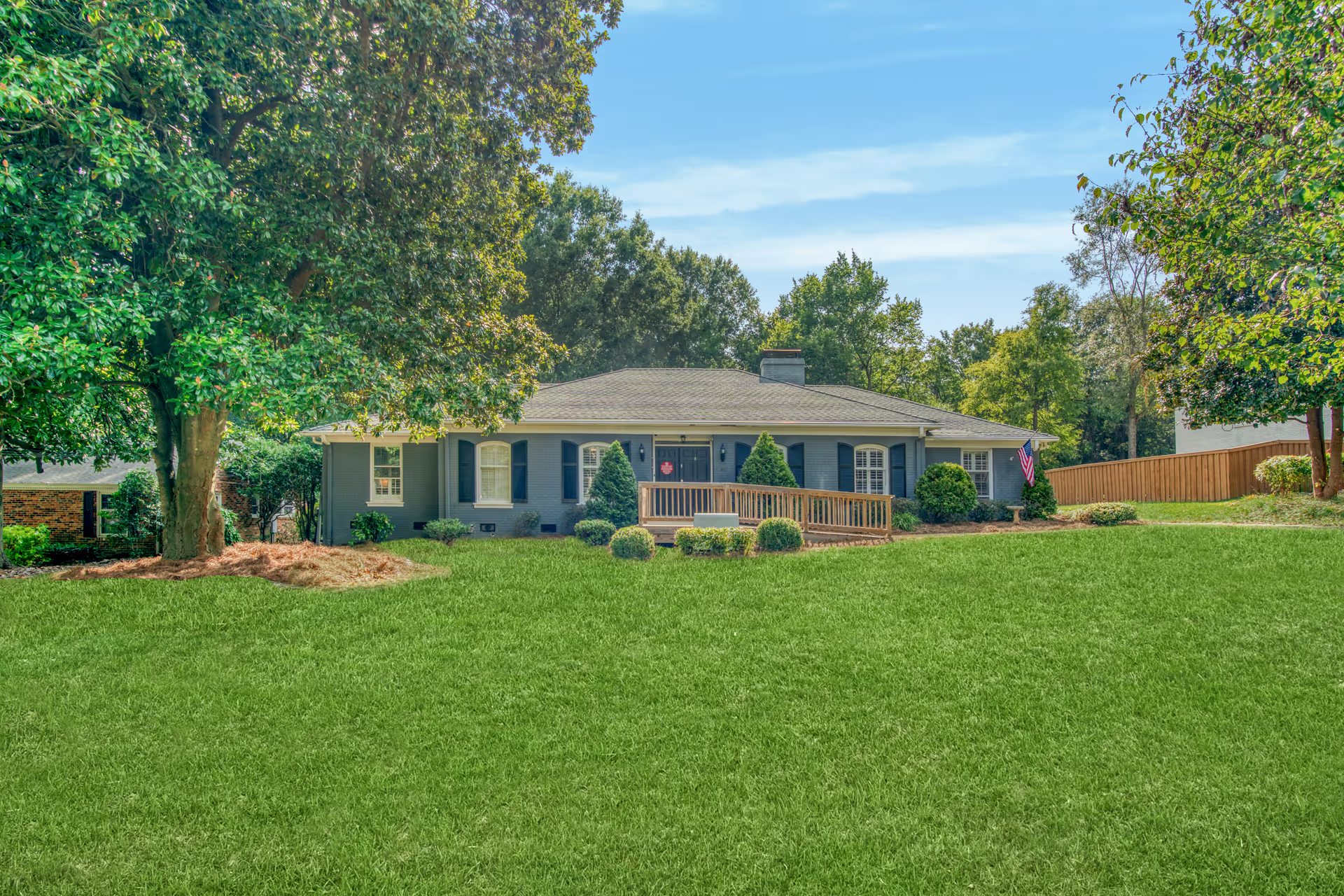
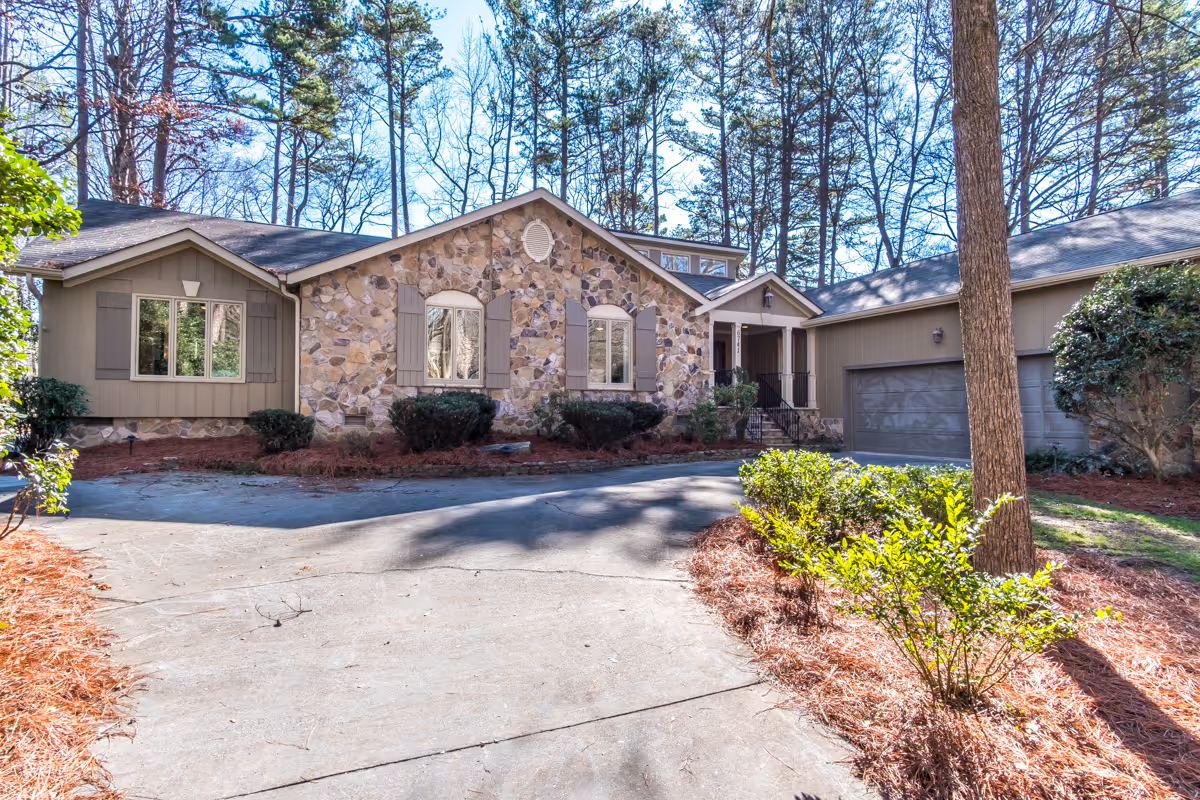
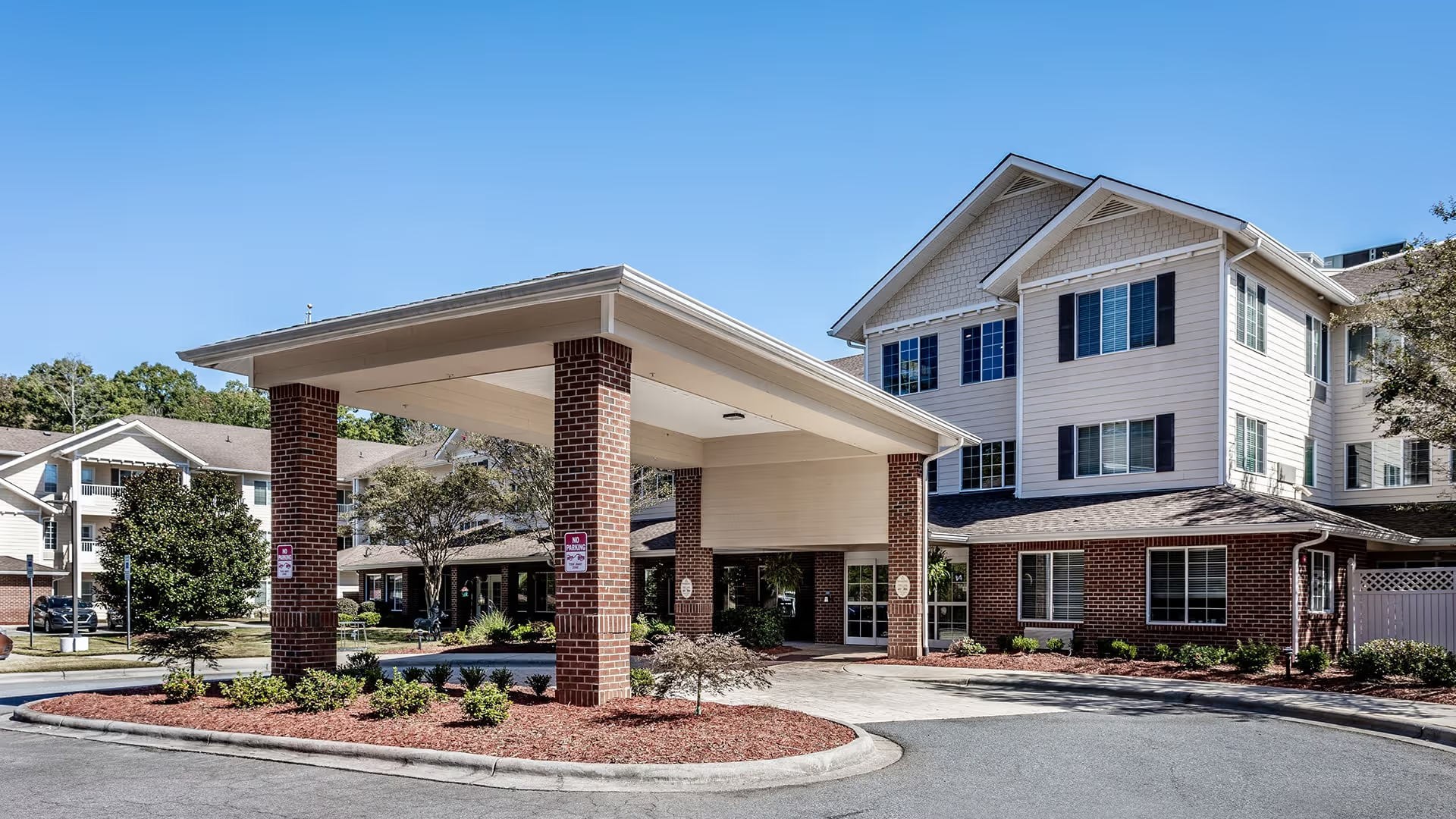
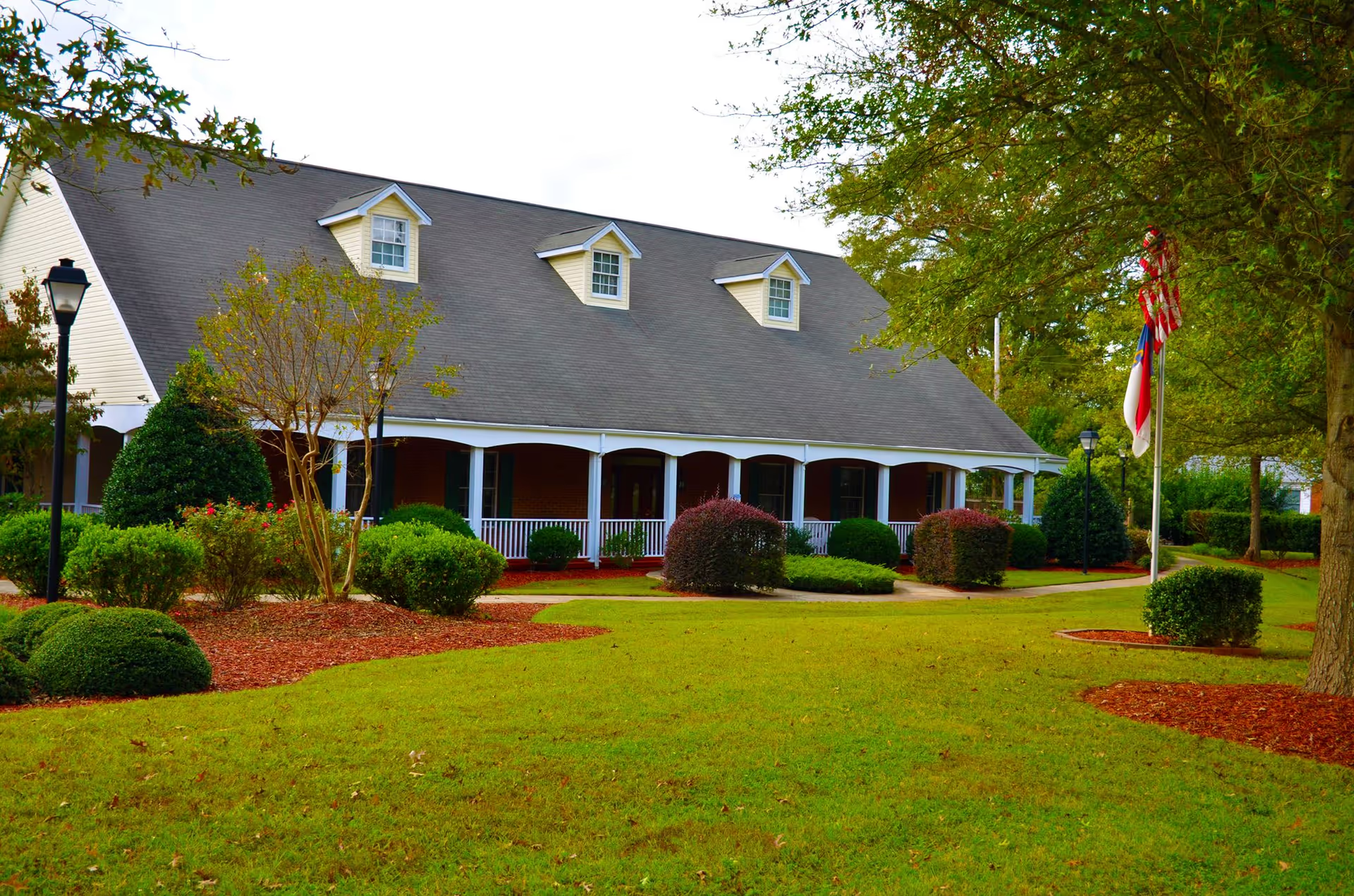
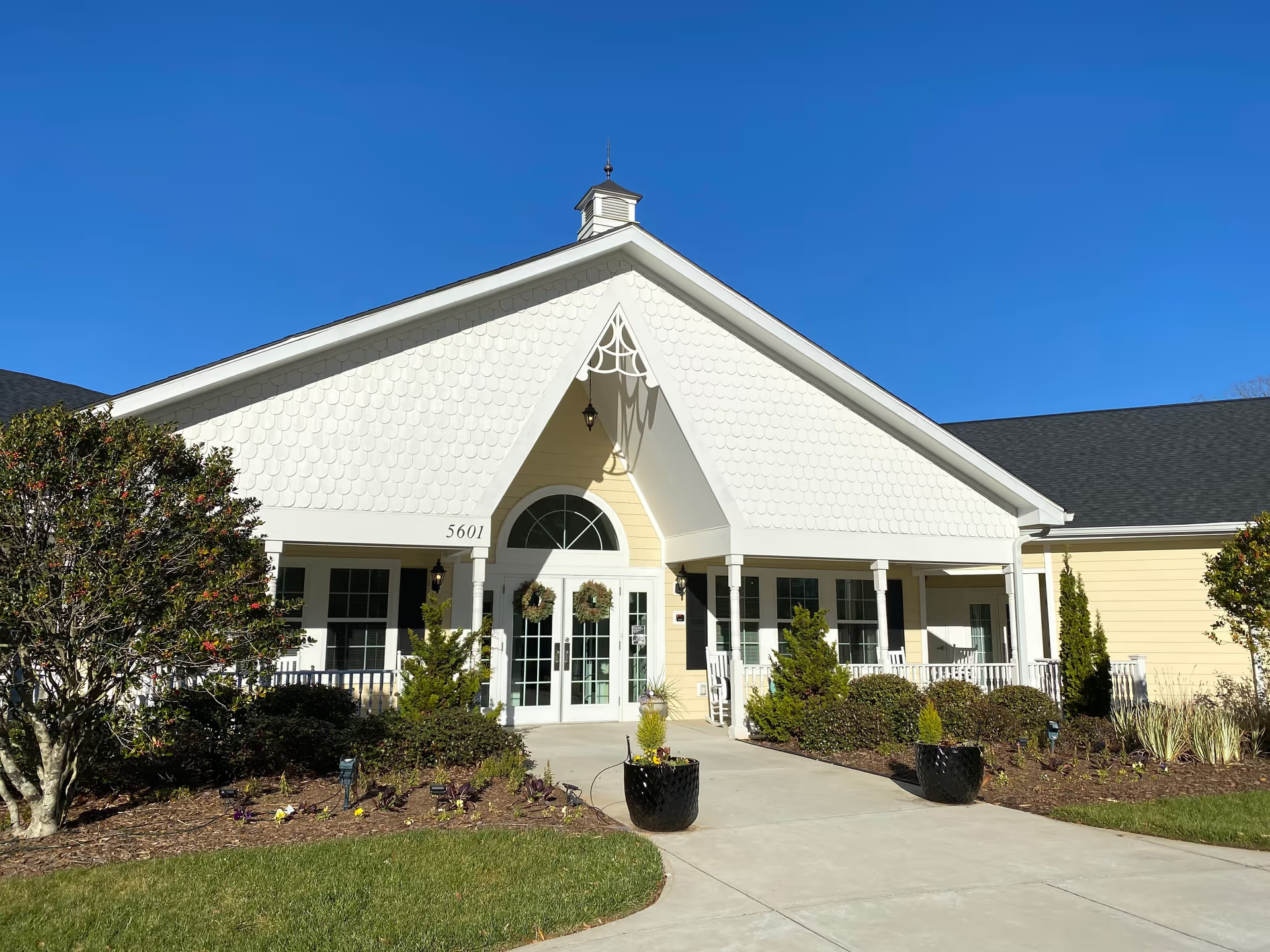
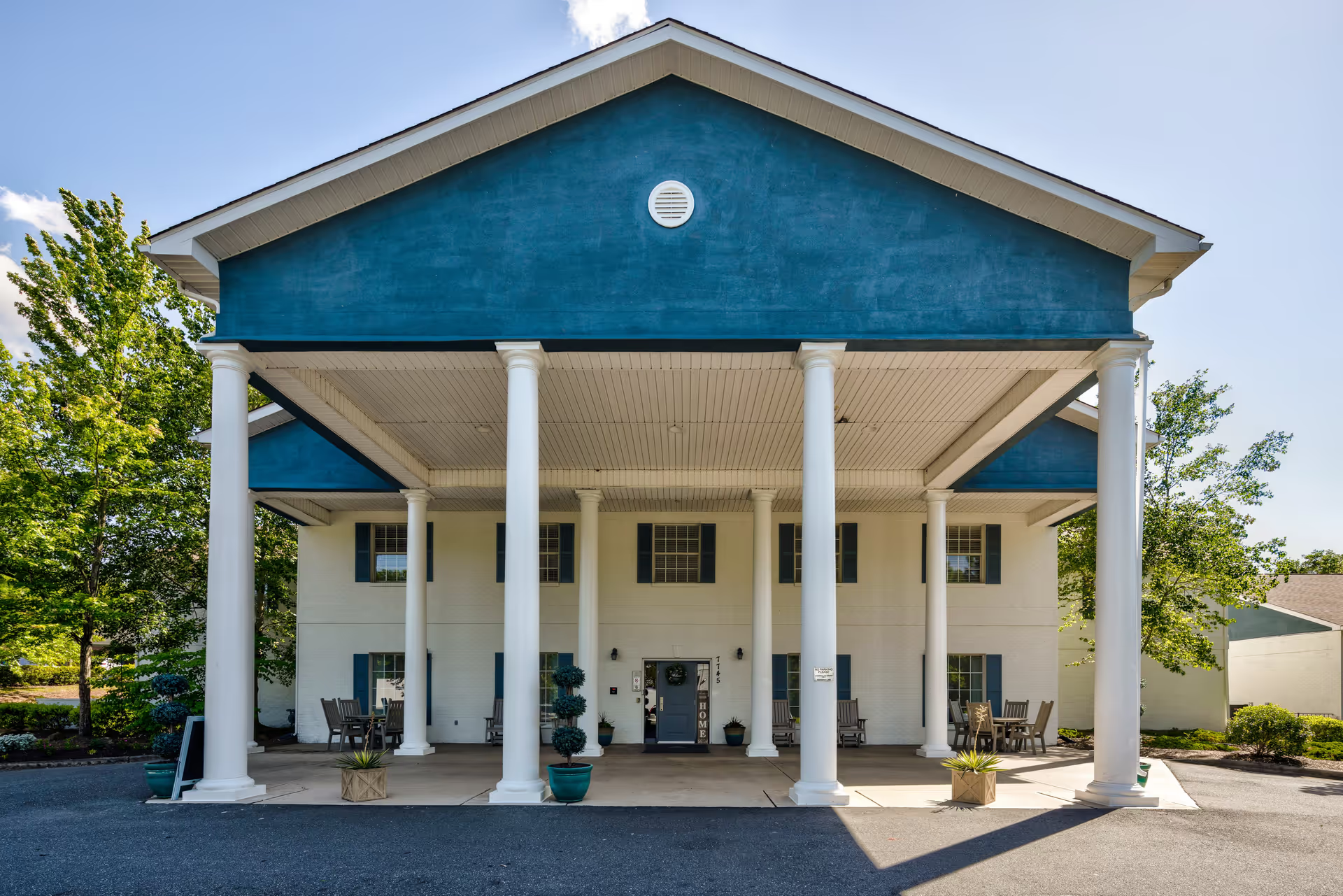
Waltonwood Cotswold presents as an upscale, well‑appointed assisted living community with many strengths in hospitality, amenities, and social programming. Reviewers consistently highlight a clean, attractive campus with spacious apartment layouts and features such as a movie theater and courtyard. Housekeeping and laundry services are frequently praised, and the community commonly demonstrates attention to infection control and concierge-style reception. The environment is regularly described as home‑like rather than institutional, and many families note a welcoming, family-oriented culture that supports social engagement.
Staffing and day-to-day care are often cited as strong points. Care managers and direct caregivers are described as knowledgeable, patient, and approachable; several accounts emphasize individual staff members who facilitate smooth transitions and ongoing family communication. On-site therapy services (physical, occupational, speech) and a broad activities calendar — including exercise classes, movies, card games, outings, and educational programs — support both physical and social needs. Low caregiver turnover is reported in portions of the memory-care program, which contributes to continuity for some residents.
Dining and activity programming are clear selling points: many residents and families commend the restaurant-style meals, variety of events, and the role activities play in improving residents’ social lives. That said, there is variability in dining execution and dining-room attentiveness; some families describe slower service or uneven food quality at times, and in-room dining was used during infection-control periods.
Clinical and operational gaps appear as recurring themes and warrant careful inquiry. Several accounts indicate inconsistent clinical monitoring (for example, delayed attention to urinary, blood‑pressure or other evolving health issues), delays in medication, oxygen delivery, and scheduling of medical testing or practitioner appointments. After-hours and weekend skilled-nursing coverage is described as limited in some instances, and families reported longer-than-expected hospital stays and challenges arranging timely skilled care transitions. Memory-care services are unevenly characterized: while some families praise security and accommodations, others raise concerns about staffing qualifications and oversight within that unit.
Administrative and communication patterns show mixed performance. Many families experience high-quality, personalized communication and helpful admissions staff during move-in. Conversely, others report inconsistent responsiveness from management, delayed callbacks, disputes over wait-list and move-in fees, and billing or administrative errors. These operational issues are trait-level weaknesses that can affect family trust and the resident experience if not clarified at admission.
Overall, Waltonwood Cotswold is positioned as a high‑quality, amenity-rich community that can be an excellent fit for residents seeking an active, social assisted-living experience with strong hospitality and onsite therapy services. Prospective residents and families should verify specific clinical safeguards and administrative policies before committing: ask about after-hours clinical coverage, medication and oxygen-delivery protocols, memory-care staffing and training, dining service consistency, and the facility’s billing and wait-list procedures to ensure alignment with the prospective resident’s clinical complexity and family expectations.