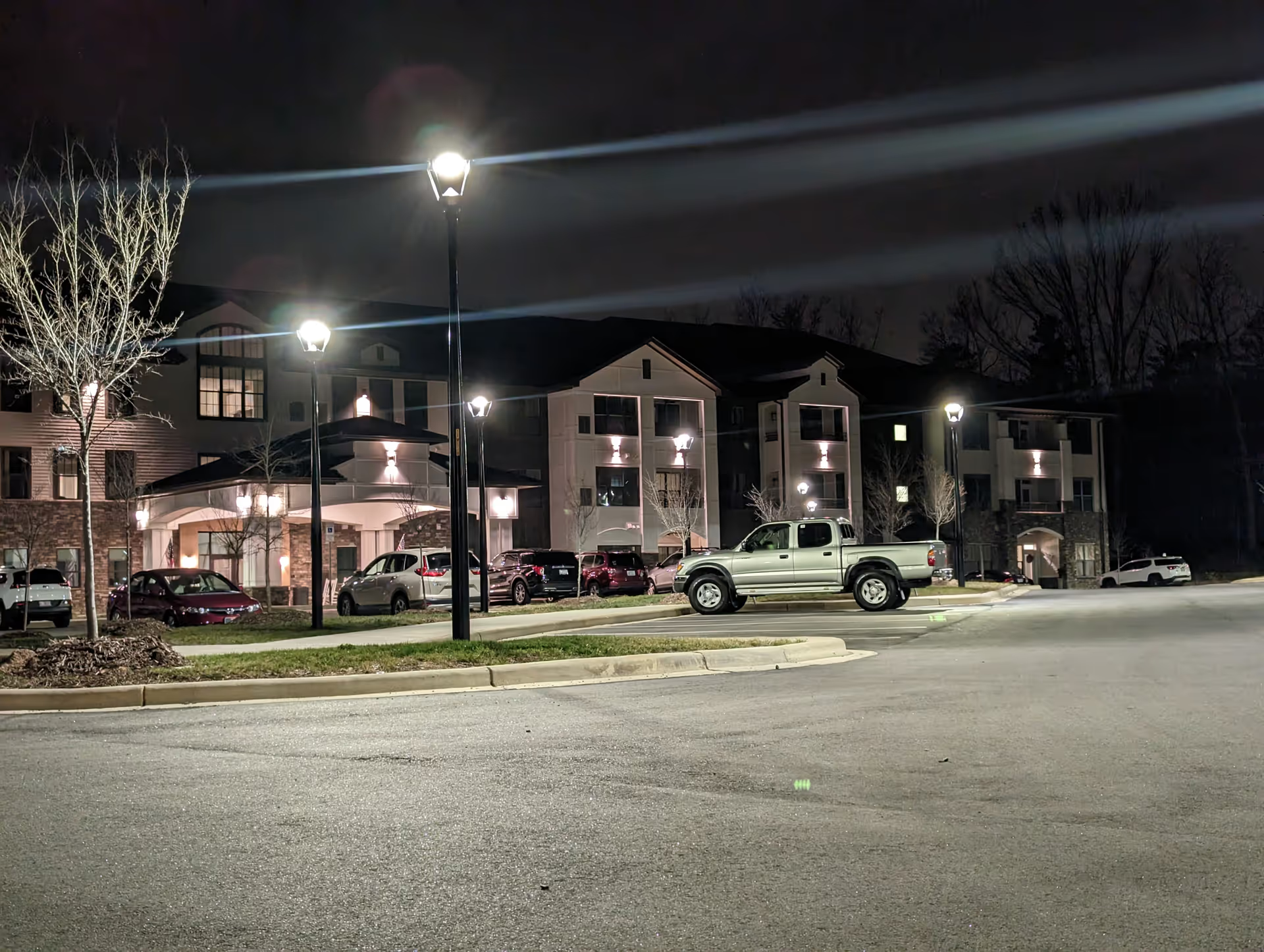
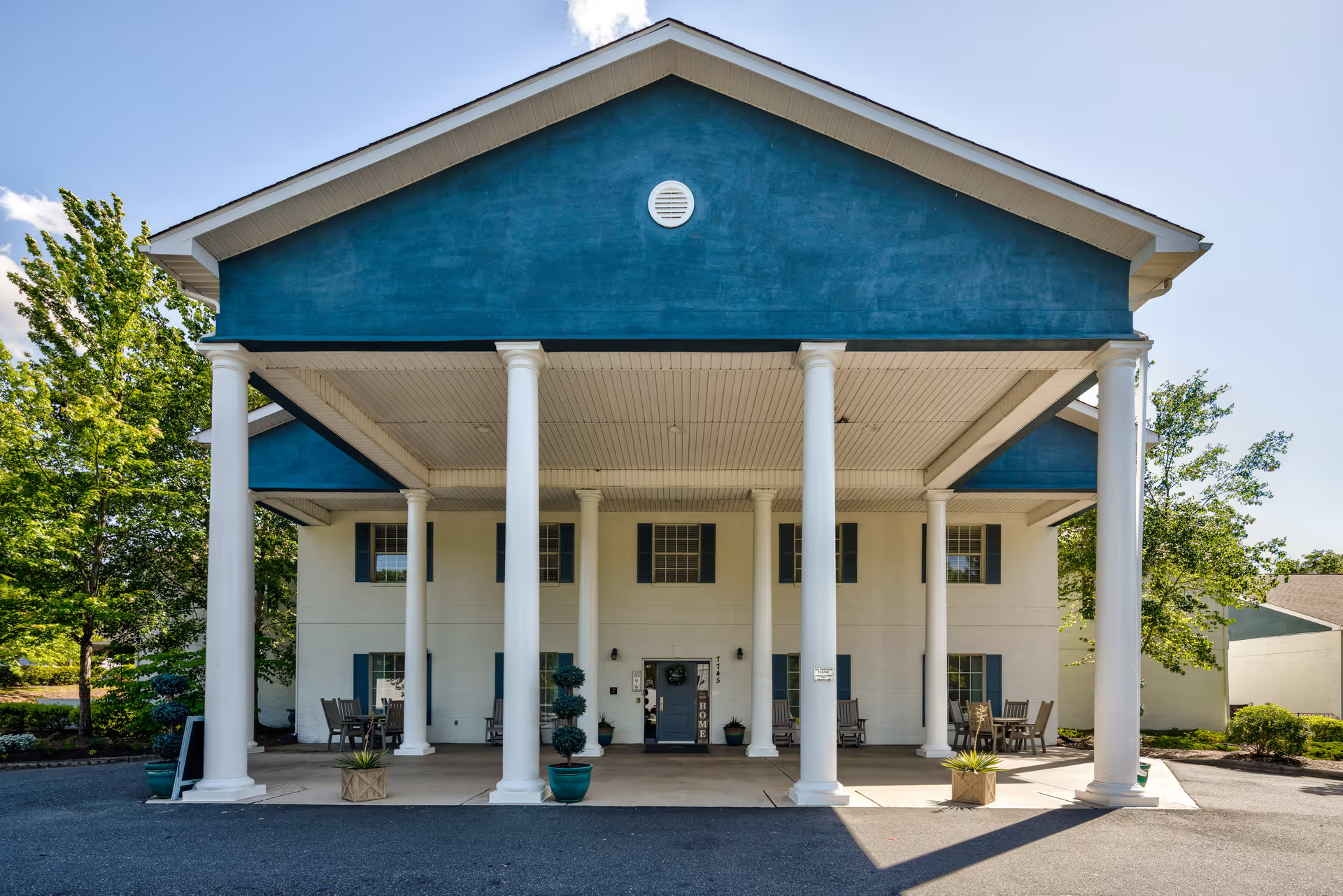
Providence Meadows is an independent-living community that families often value for its welcoming atmosphere, attractive surroundings, and opportunities for residents to remain socially engaged. Many describe residents as happy and comfortable, with staff who know them personally and provide practical help. Families also praise the on-site managers for their availability and involvement. Experiences with responsiveness are not entirely consistent, however: some accounts describe concerns about resident requests being heard and staffing continuity in certain roles.
Dining is a prominent feature, with three meals daily in an elegant dining room and reports of menu choices and enjoyable meals. Opinions about food quality vary considerably. Some residents and families praise the meals, while others describe inconsistent quality, limited variety, or food that does not meet nutritional preferences. Dietary accommodations are a particular consideration for prospective residents. Accounts also differ on the dining experience and meal pacing, so families may wish to ask about menu planning, meal duration, seating, and how individual dietary needs are handled.
The activity program includes games, cards, exercise, movies, social events, and regular outings. Transportation is offered for appointments and shopping, though experiences with its reliability and coordination vary. The building is frequently described as clean, well kept, and attractively furnished, with amenities such as a library, theater, chapel, fitness room, and gardens. Apartments come in several layouts, but typically have a refrigerator and sink rather than a full kitchen; laundry facilities are shared outside the apartment. Some comments also identify maintenance needs in laundry areas or outdoor spaces.
A key planning consideration is the community’s independent-living scope. Supplemental aide, sitter, and therapy services may be available, but Providence Meadows does not provide the same level of support as assisted living, memory care, or skilled nursing. Families should clarify how care needs can be met if a resident’s circumstances change, what services are provided by outside vendors, and how those arrangements are coordinated. The overall value is viewed positively by some residents, while others find the cost high; comparing the monthly price with the included services and any additional support costs is advisable. A few families also wished for more structured move-in guidance and clearer ways to provide ongoing feedback.