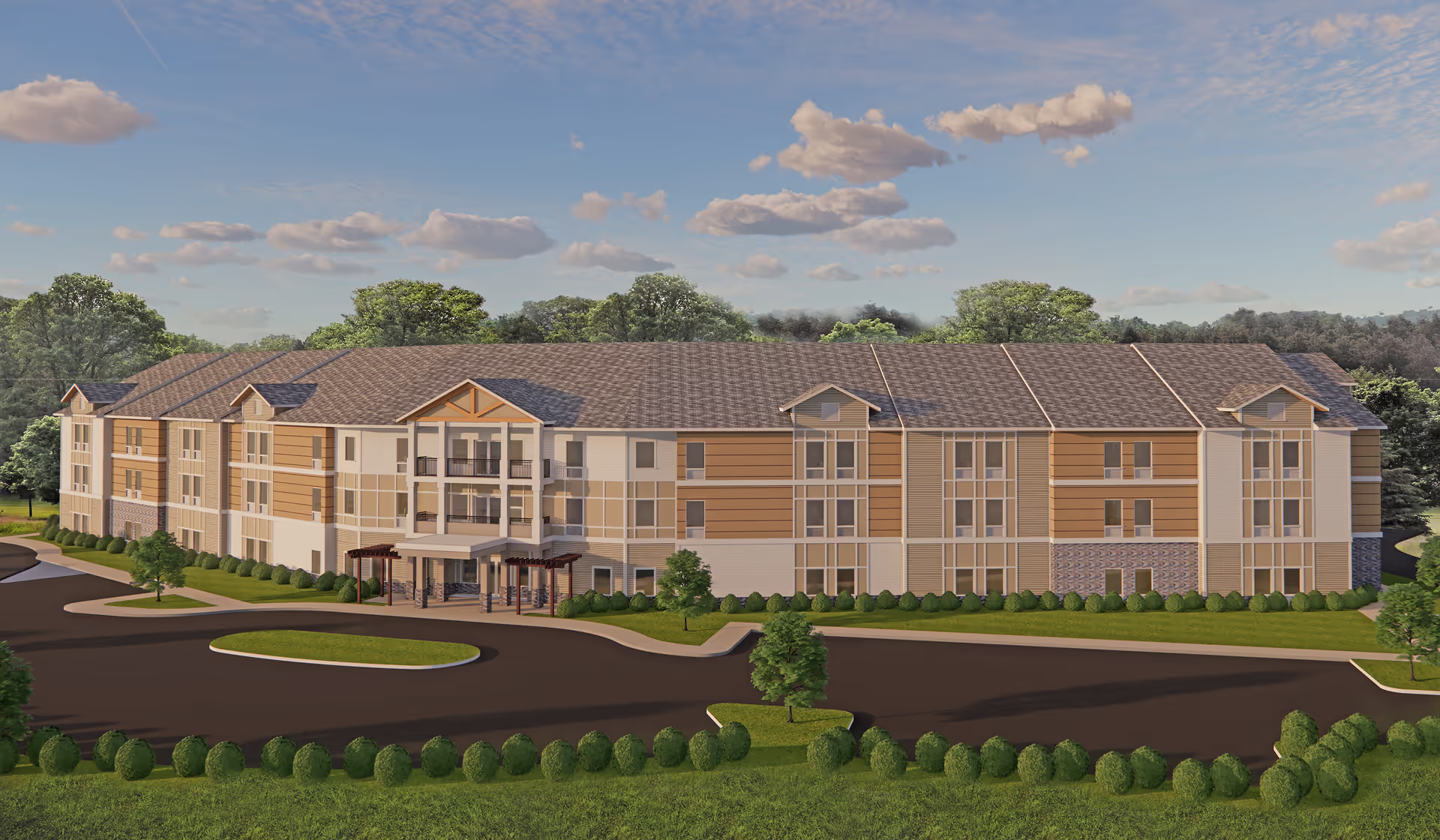
Legacy Heights presents as a small, home-like assisted living community with numerous strengths centered on resident engagement and hospitality. Families commonly praise compassionate, attentive staff members, a robust activity schedule (including memory-care–focused offerings such as arts, Montessori boxes, social events, and Wii/bowling), and varied social programming that keeps residents involved. The community's dining program is frequently described as a positive feature: flexible meal options, well-presented choices, and multiple smaller dining rooms contribute to a congenial, restaurant-like experience. Physical and occupational therapy services are available on-site, and occasional clinical coordination (including successful wound care in a cited case) is noted as a capability.
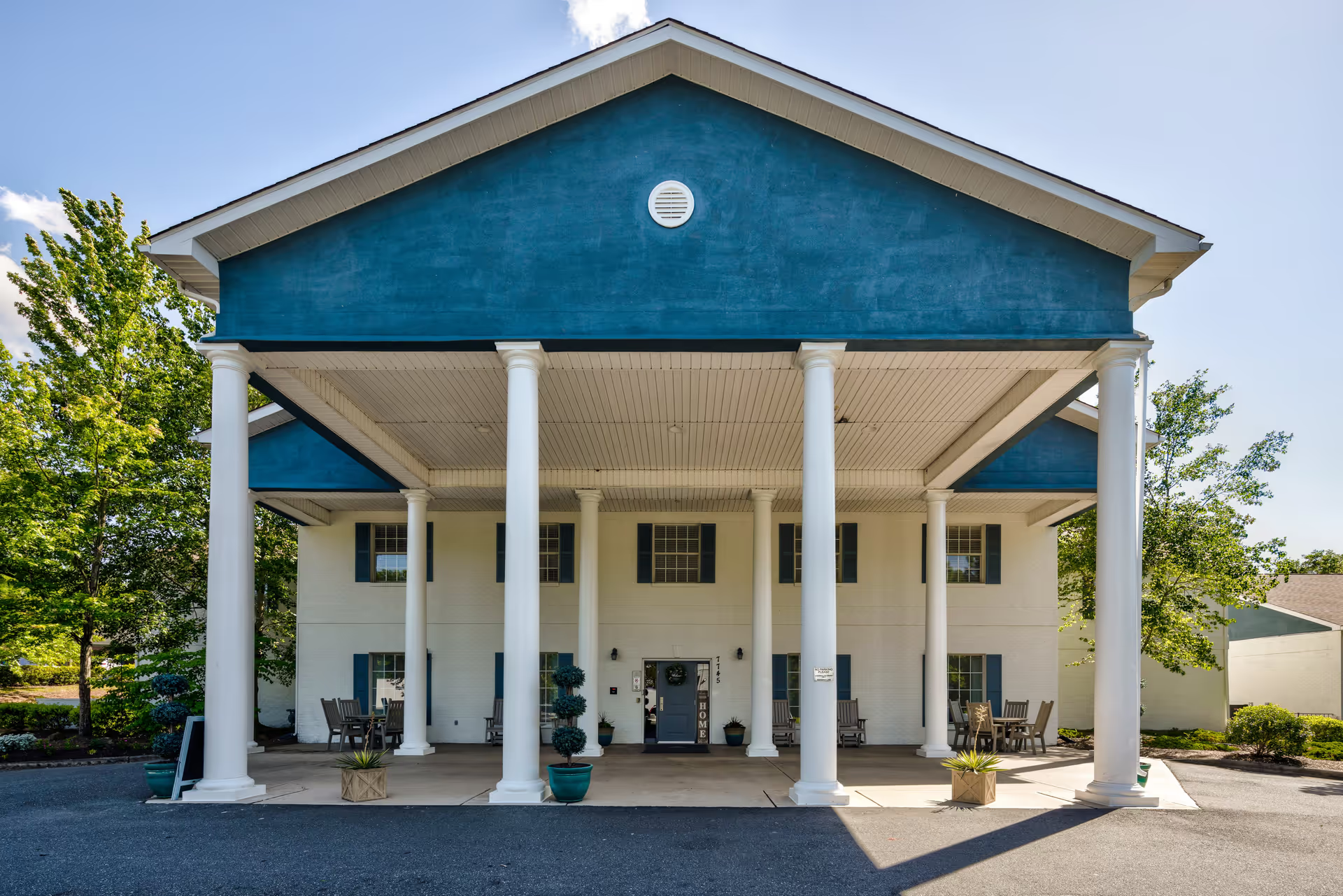
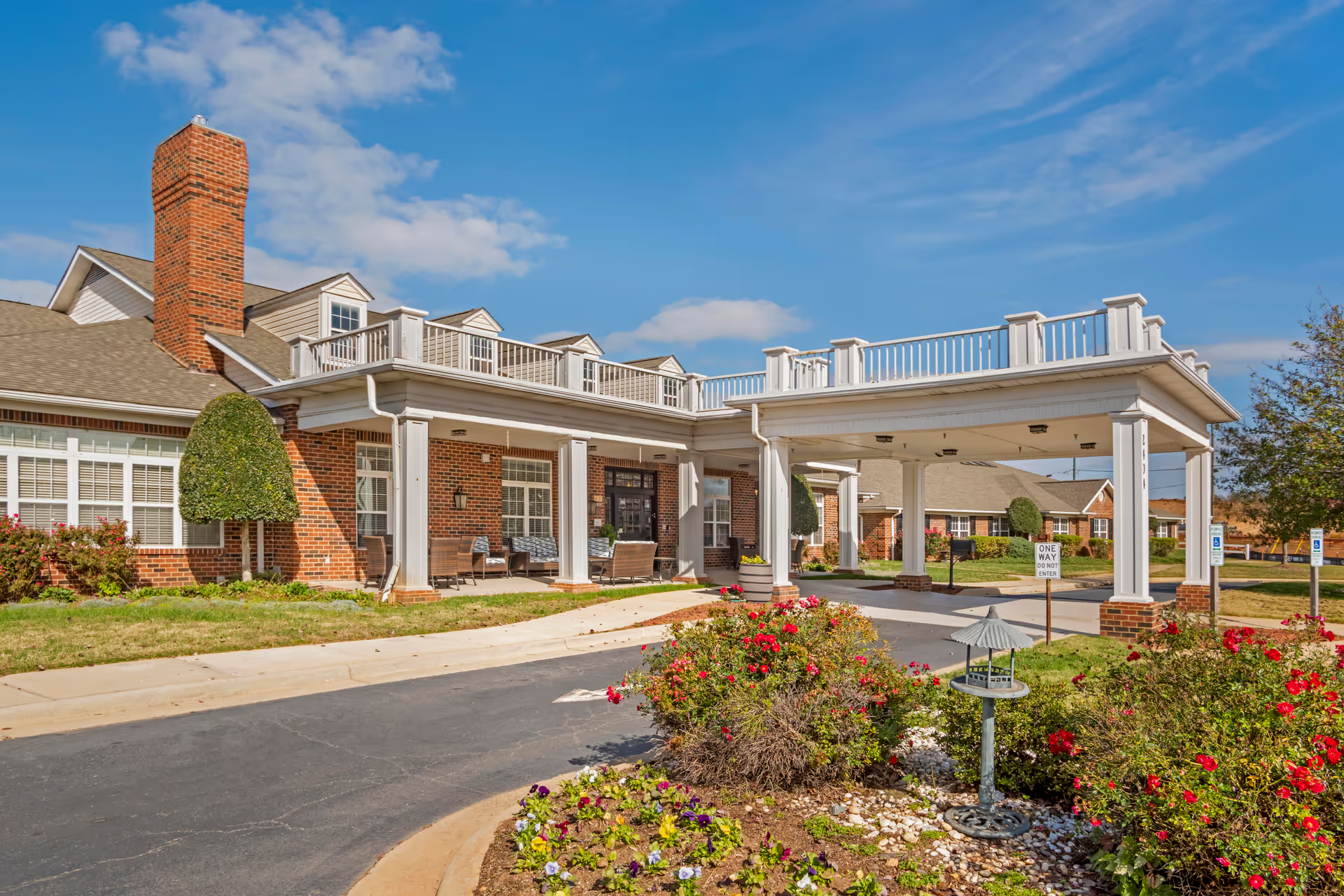
Facilities and atmosphere are often highlighted as strengths. Reviewers describe updated, bright interiors, pleasant outdoor spaces (notably a front porch with rocking chairs and garden views), and a clean, odor-free environment in many common areas. The smaller scale and intimate dining/floor layouts are viewed favorably for families seeking a less institutional setting. Admissions and sales staff are frequently characterized as helpful and reassuring, and families often mention that move-in logistics and initial orientation were managed well.
Despite these positive features, a number of operational concerns recur across reviews. Staffing instability and periods of understaffing are commonly cited; families describe variable shift coverage, temporary aides, and occasional long response times to call buttons. These staffing gaps are linked to related problems: intermittent cleanliness and laundry-process issues (including missing or misplaced personal items), delays in attending to personal care needs, and uneven supervision in some memory-care areas. Several families raised concerns about the community’s ability to manage higher-acuity clinical needs; reviewers described episodes that suggested limits in clinical monitoring, hydration and infection prevention practices, and coordination with external medical providers. These raise questions about suitability for residents whose care needs escalate beyond assisted living-level services.
Communication and management consistency are mixed. Many reviews praise individual caregivers, activities staff, and specific managers for clear, compassionate communication and responsiveness. At the same time, others describe inconsistent family communication, billing or administrative follow-through issues, and leadership turnover that can affect continuity. Medication-administration and clinical coordination are another pattern area: while some families note attentive nursing oversight, others describe medication and documentation inconsistencies that merit attention.
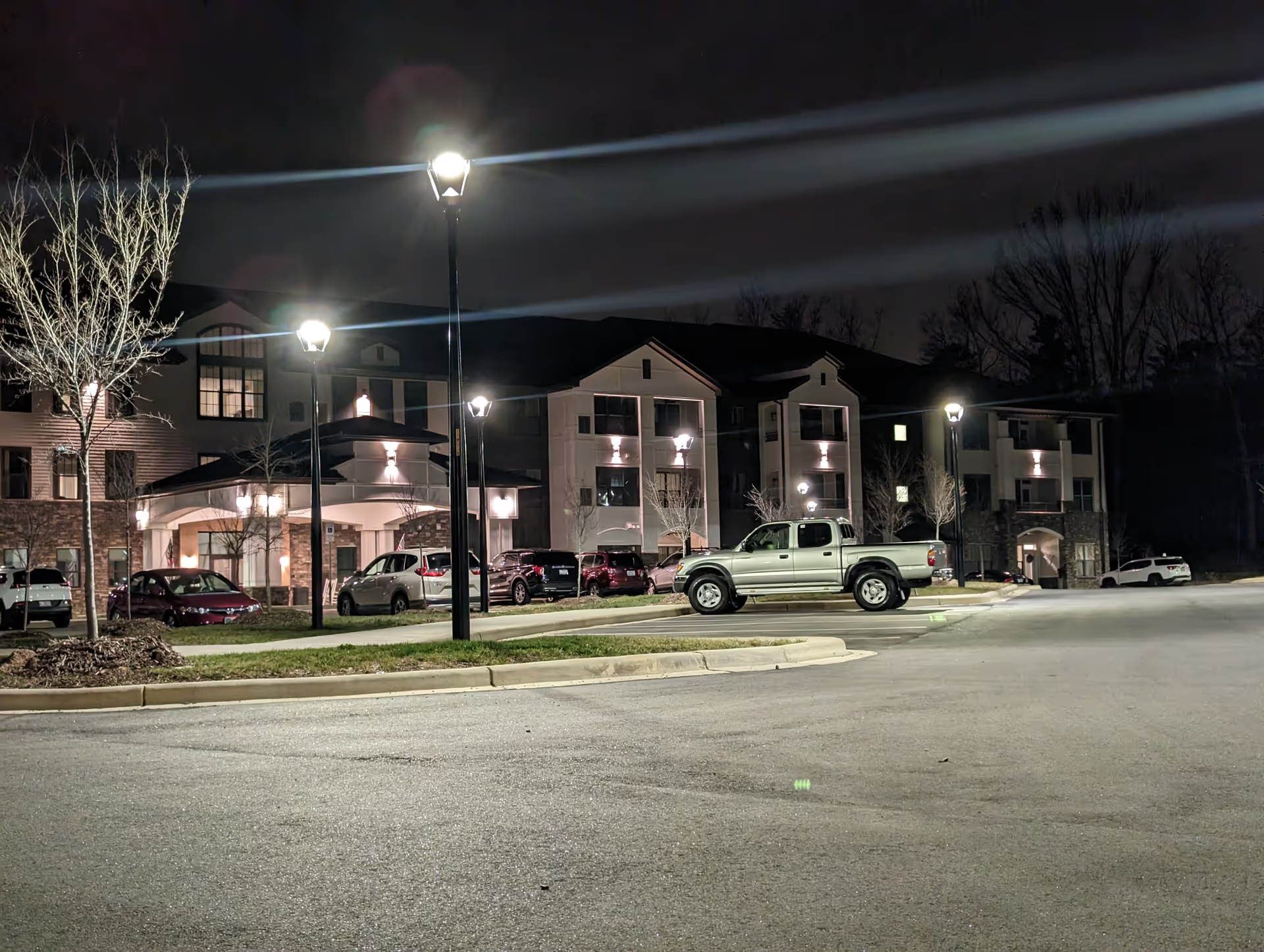
Practical considerations for prospective families include security and access-control inconveniences after hours, variability in housekeeping/laundry reliability, and cost considerations — Legacy Heights is described as higher-priced by some and does not accept Medicaid. Overall, the facility demonstrates clear strengths in resident engagement, dining, and a homelike environment, but families should assess staffing stability, clinical capabilities for higher-acuity needs, and operational controls for laundry, medication, and family communication when evaluating fit for a particular loved one.