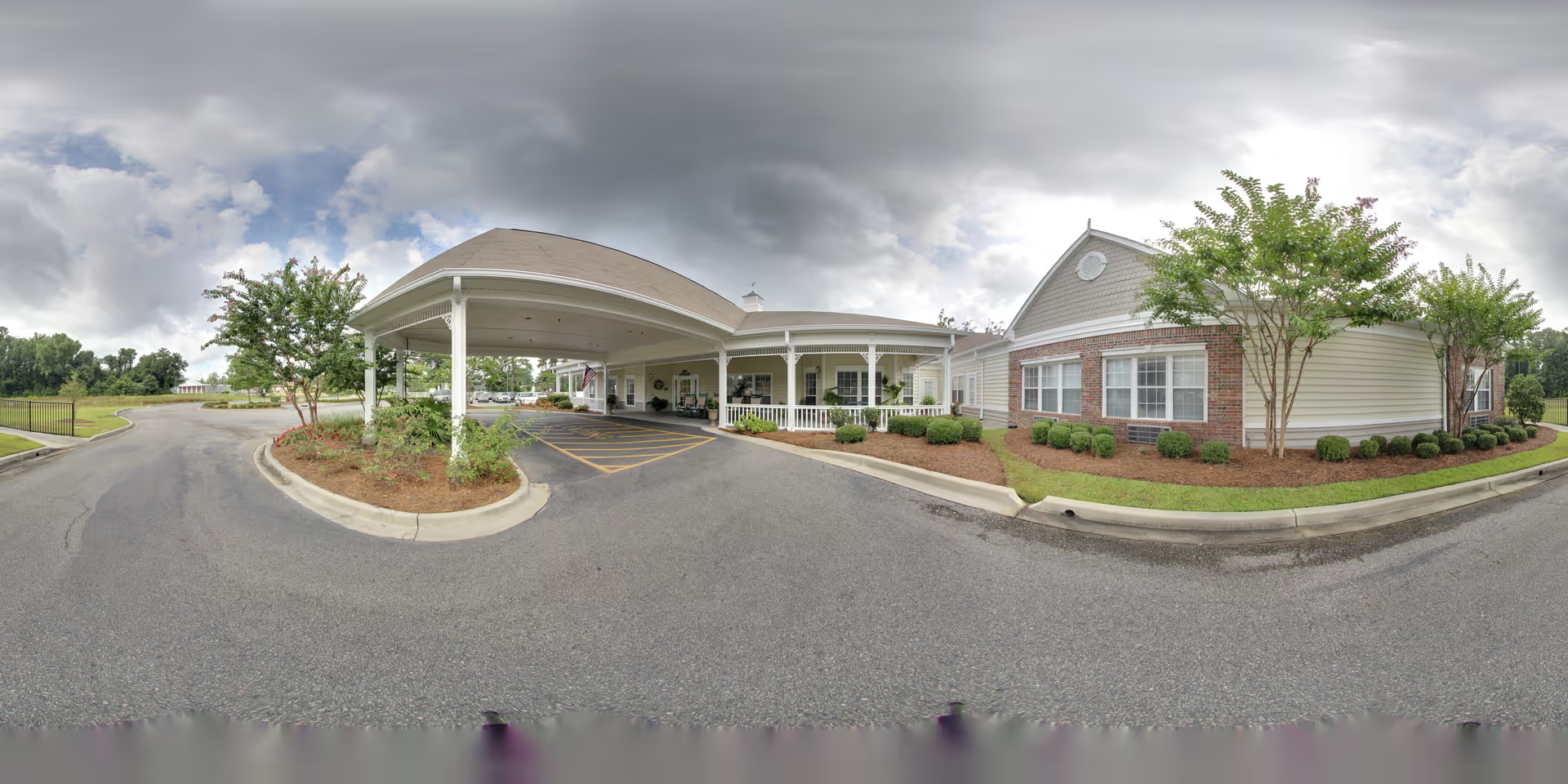
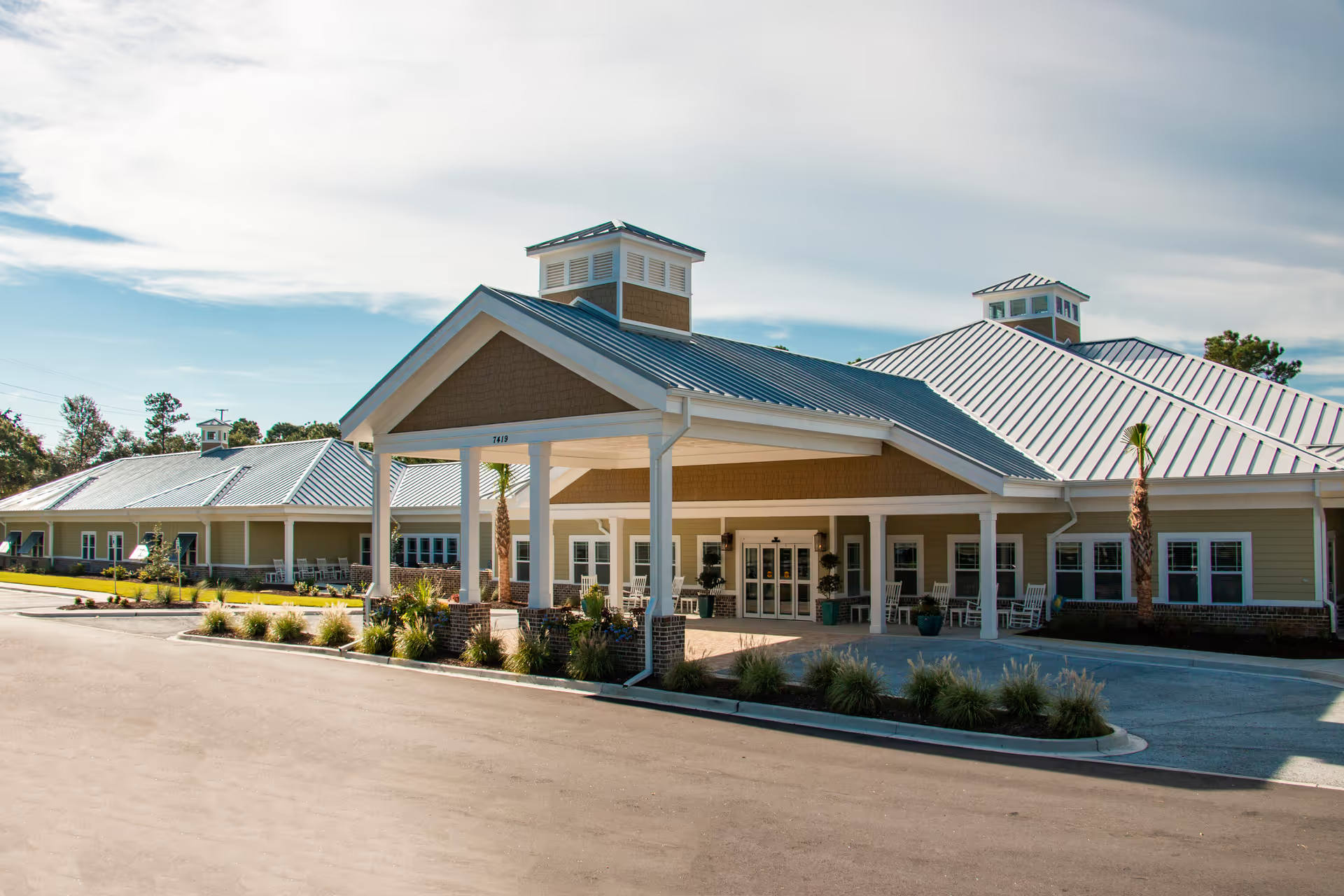
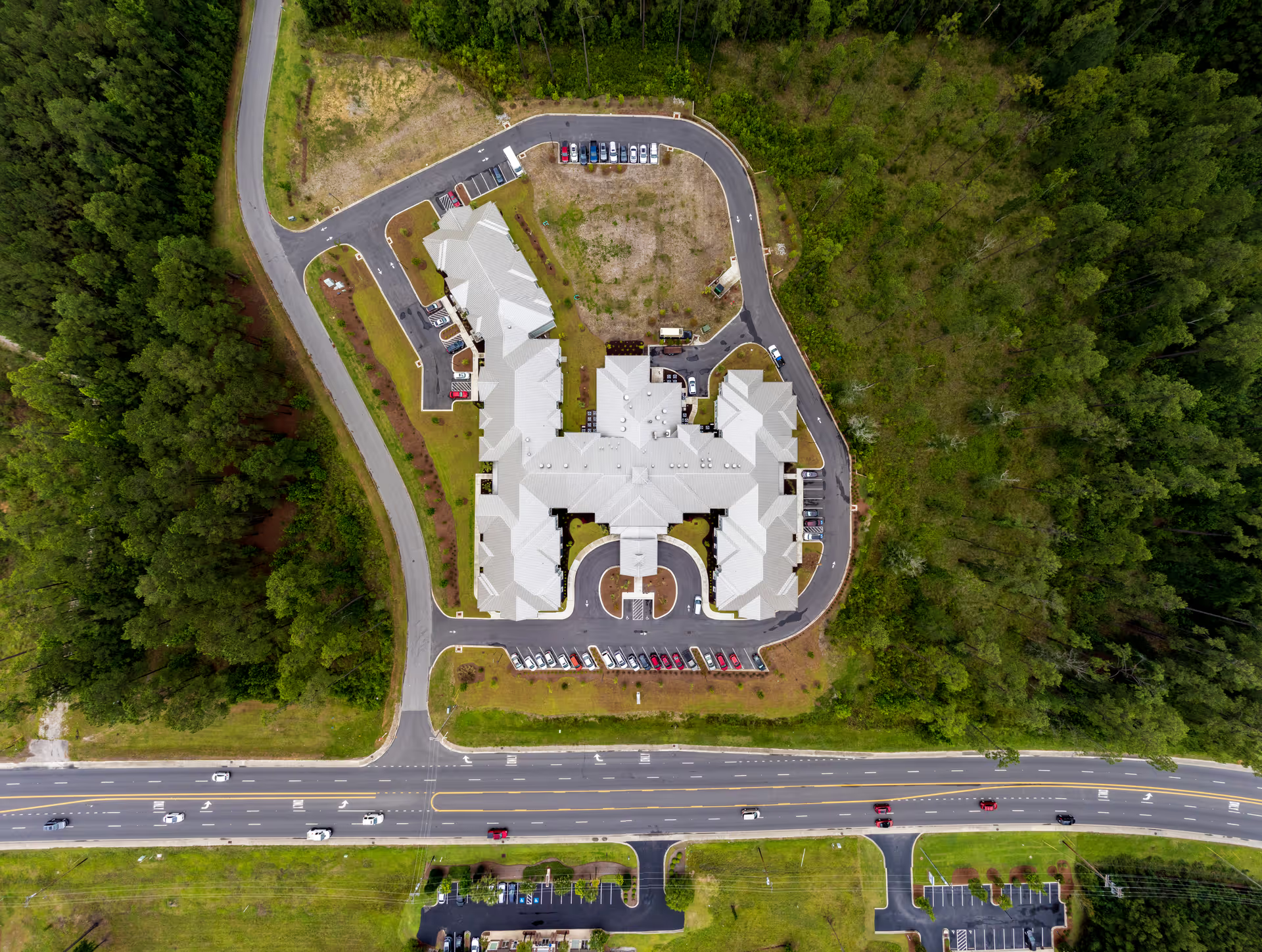
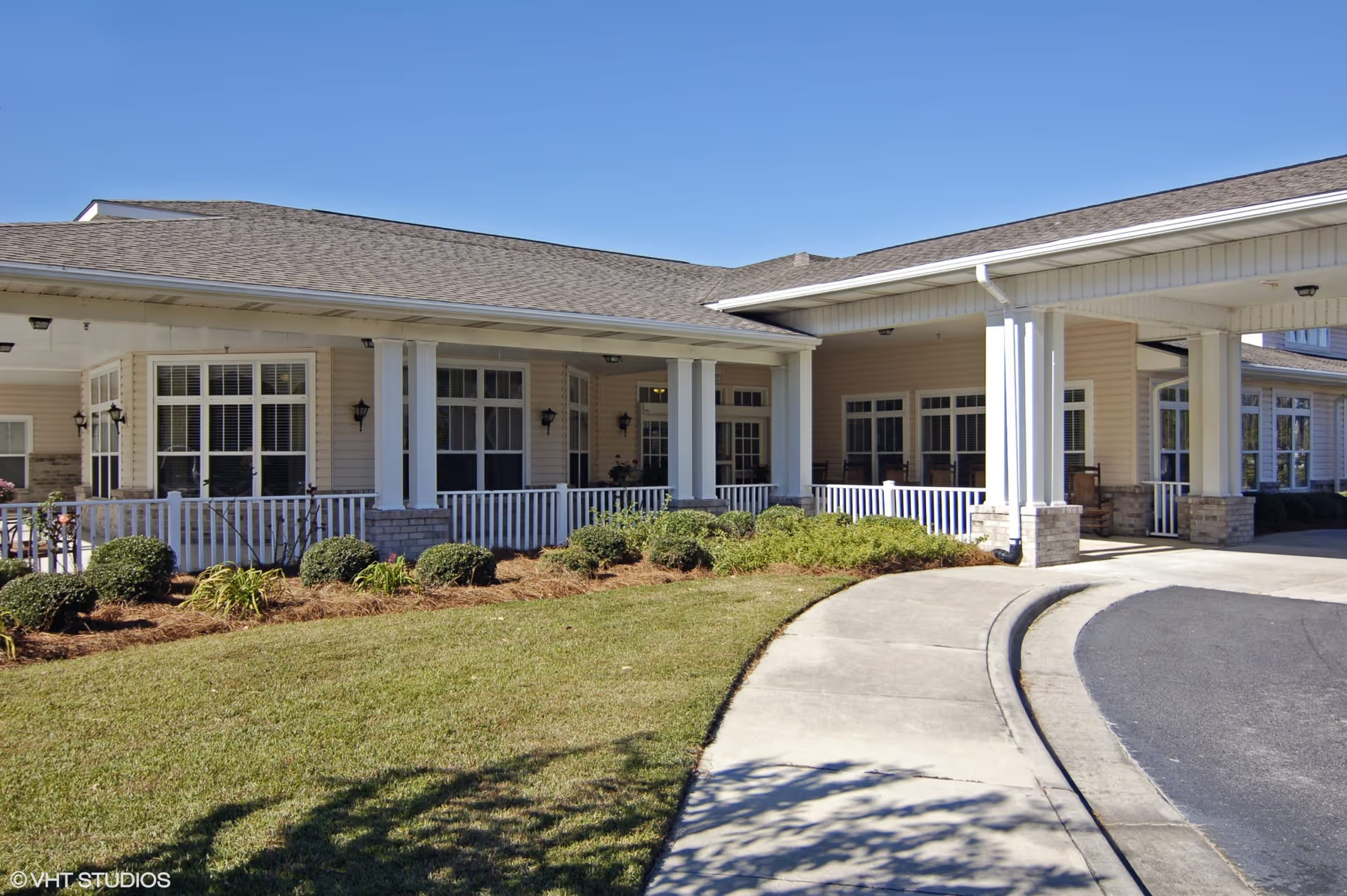
Reviewer accounts for this facility are mixed, with a clear split between strong rehabilitative and interpersonal strengths on one hand and recurring operational and clinical concerns on the other. Many families and patients praise the rehabilitation department, therapy teams, and individual caregivers for rapid functional gains, personalized therapy (including prosthetics work), and compassionate bedside interactions. Social programming and family events, a generally peaceful wooded campus, and examples of staff going beyond standard duties (helping with clothing, encouragement, and special meals) are commonly cited positives.
At the same time, a consistent theme in the negative accounts is variability in core nursing operations. Reviewers describe delayed responses to call lights, inconsistent wound-care and dressing-change practices, incontinence-care delays, and overnight monitoring gaps — patterns that point to uneven staffing levels or training across shifts and wings. Several comments also raise infection-control and general sanitation concerns that would merit attention from clinical leadership and quality assurance teams.
Dining and activities receive polarized feedback: many note well-prepared meals and special-event fare, while others report cold or inconsistent meal service and scheduling frustrations. Activities such as movies, bingo, and family events are appreciated and contribute positively to resident quality of life. Rehabilitation services are repeatedly highlighted as a relative strength, with multiple accounts of effective therapy and meaningful mobility improvement.
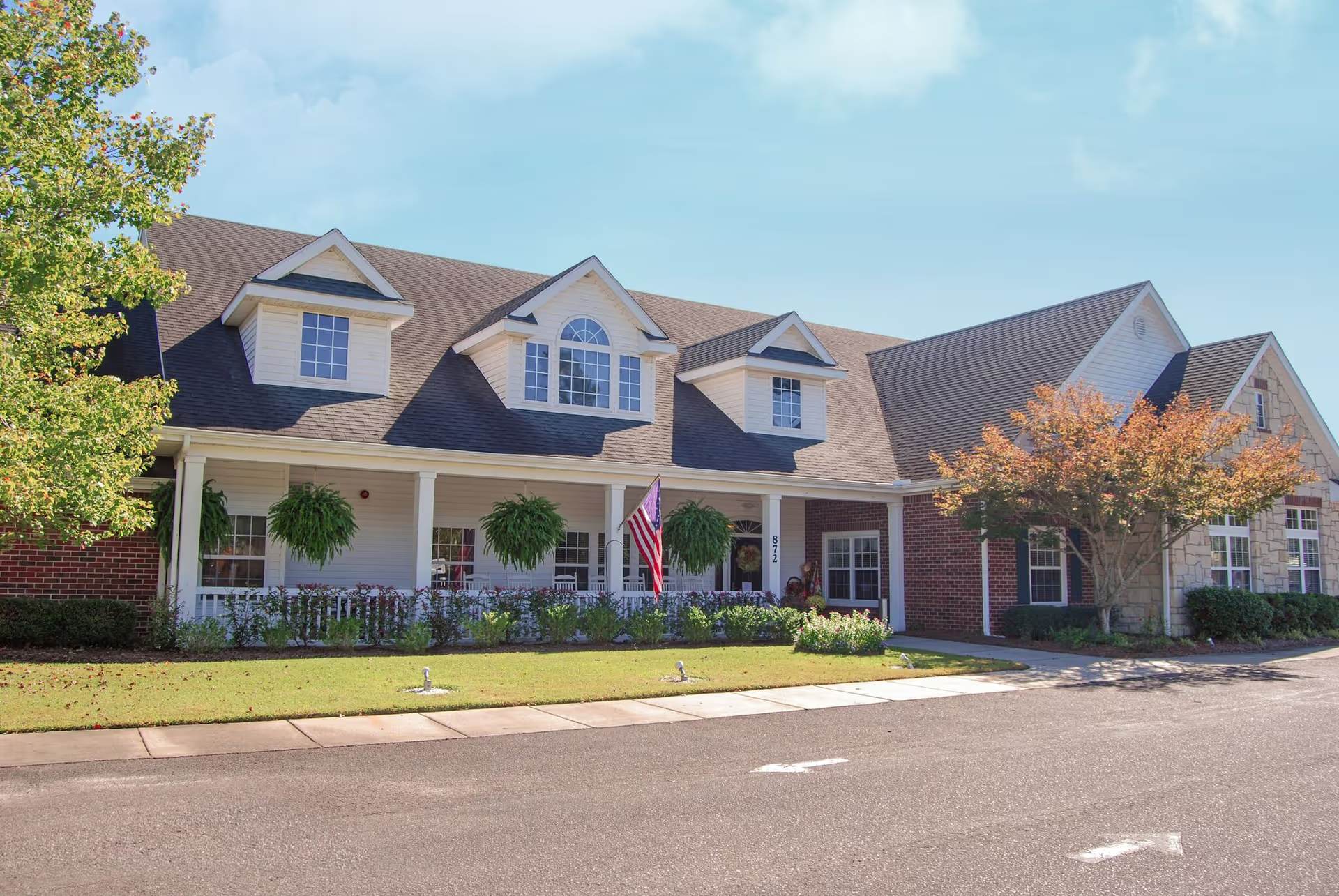
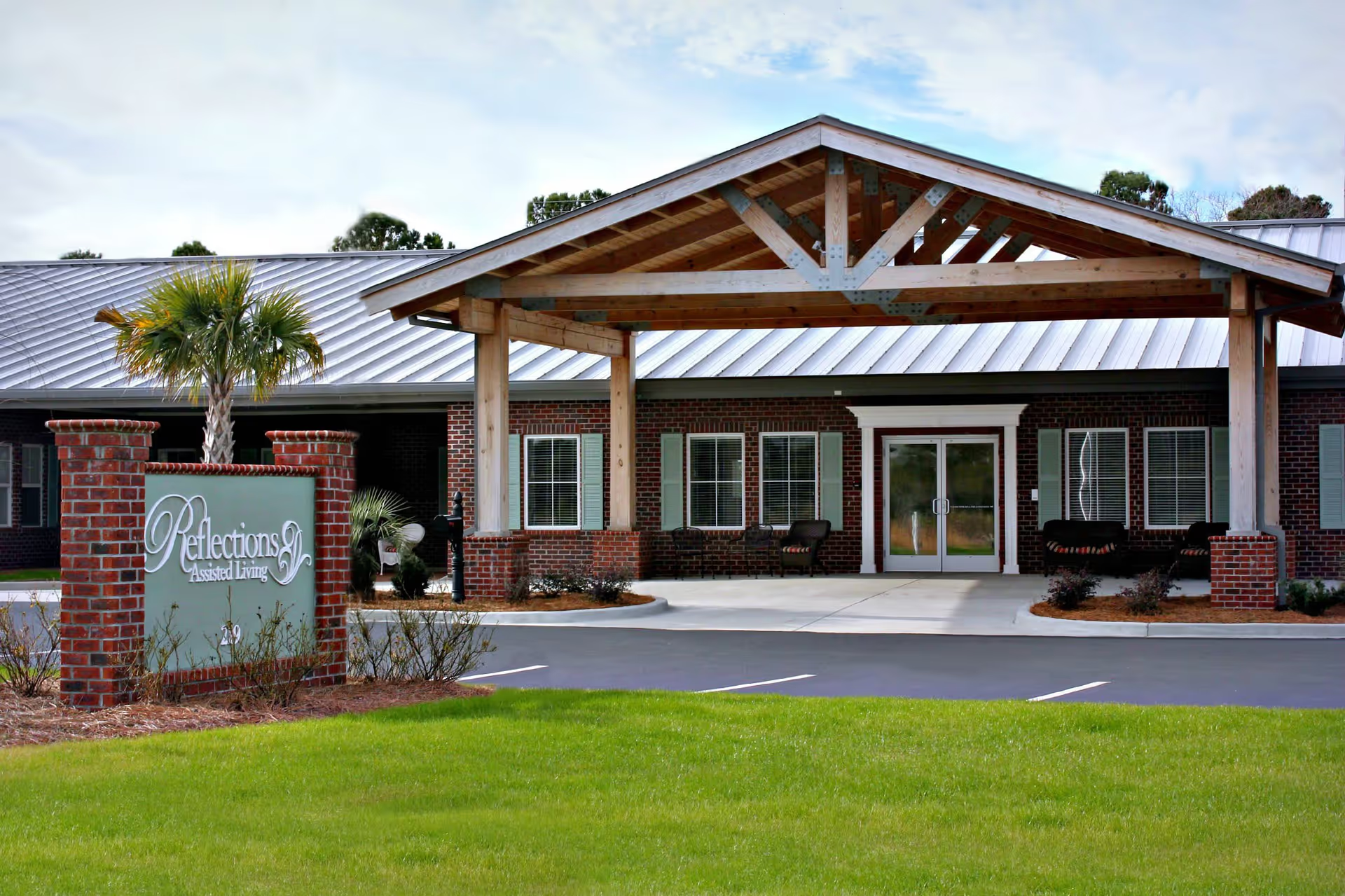
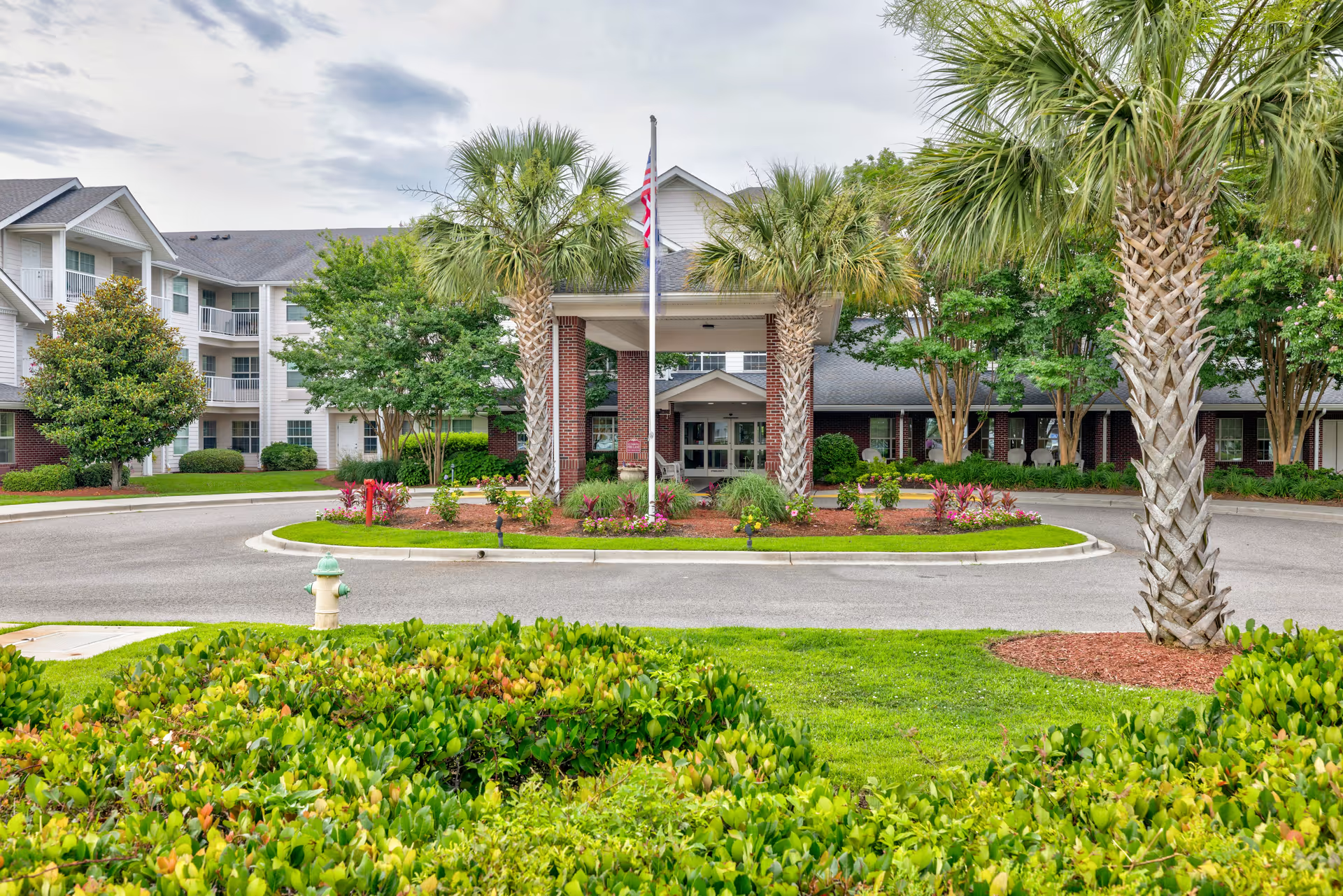
Facility condition and maintenance present a mixed picture. Numerous reviews describe clean, well-kept units and attentive housekeeping, yet others cite dated areas, water-damage or mold concerns, peeling paint, and worn furniture in specific locations. These contrasting accounts suggest uneven capital-maintenance prioritization across the campus.
Communication and management practices are another area of divergence. Many families commend proactive updates and accommodating staff, but others report poor phone responsiveness, opaque billing-related decisions, and concerns about administrative conduct. There are also mentions of serious complaints and allegations that have prompted regulatory or auditing attention; those items indicate the need for careful review by prospective families.
In sum, the facility shows clear strengths in therapy/rehab, individual caregiver compassion, and community programming, but also exhibits operational inconsistencies in nursing coverage, clinical procedures (notably wound and incontinence care), infection control, maintenance, and family communication. Prospective residents and families would benefit from targeted questions during tours: staffing ratios by shift, on-call physician availability, wound-care and infection-control protocols, overnight monitoring practices, maintenance plans for dated areas, and avenues for raising and resolving concerns. Reviewing the facility’s most recent inspection reports and speaking directly with the therapy team and unit staff can help clarify whether the specific unit and shift under consideration align with the positive patterns described.