Overall impression: Wesley Commons elicits a broadly mixed but consistently specific set of impressions. Many reviewers emphasize strong interpersonal strengths — a warm, community-minded atmosphere supported by compassionate caregiving staff and an active program of amenities and outings. At the same time, there are repeated operational and management concerns that prospective residents and families should weigh alongside the facility’s many strengths.
Care and staff: Clinical and caregiving staff receive high marks for professionalism, compassion, and rehabilitation capabilities. Reviews reference an on-site nurse practitioner, multiple nurses and CNAs, and a first-class rehab program that facilitates transitions and recovery. Those positives are tempered by recurring concerns about staffing stress, variability in frontline coverage, and response times for assistance requests; a subset of reviews describes delays in call-button responses and gaps in timely assistance that raise questions about consistency of day-to-day care.
Dining: Dining is frequently cited as a strength after recent kitchen and dining-room investments: many reviews praise chef-driven menus, visual presentation, variety, and hot, flavorful meals. There are also consistent notes of uneven service continuity — occasional cold meals, shortages, or lapses in delivery — suggesting that kitchen performance has improved but remains sensitive to staffing and operational pressures.
Activities and amenities: Wesley Commons offers a broad and active social program with indoor and outdoor options — pools, fitness spaces, pickleball courts, nature trails, social outings, and volunteer opportunities. The campus supports varied interests and a lively community life. Accessibility features and single-floor areas are mentioned positively for residents with mobility needs.
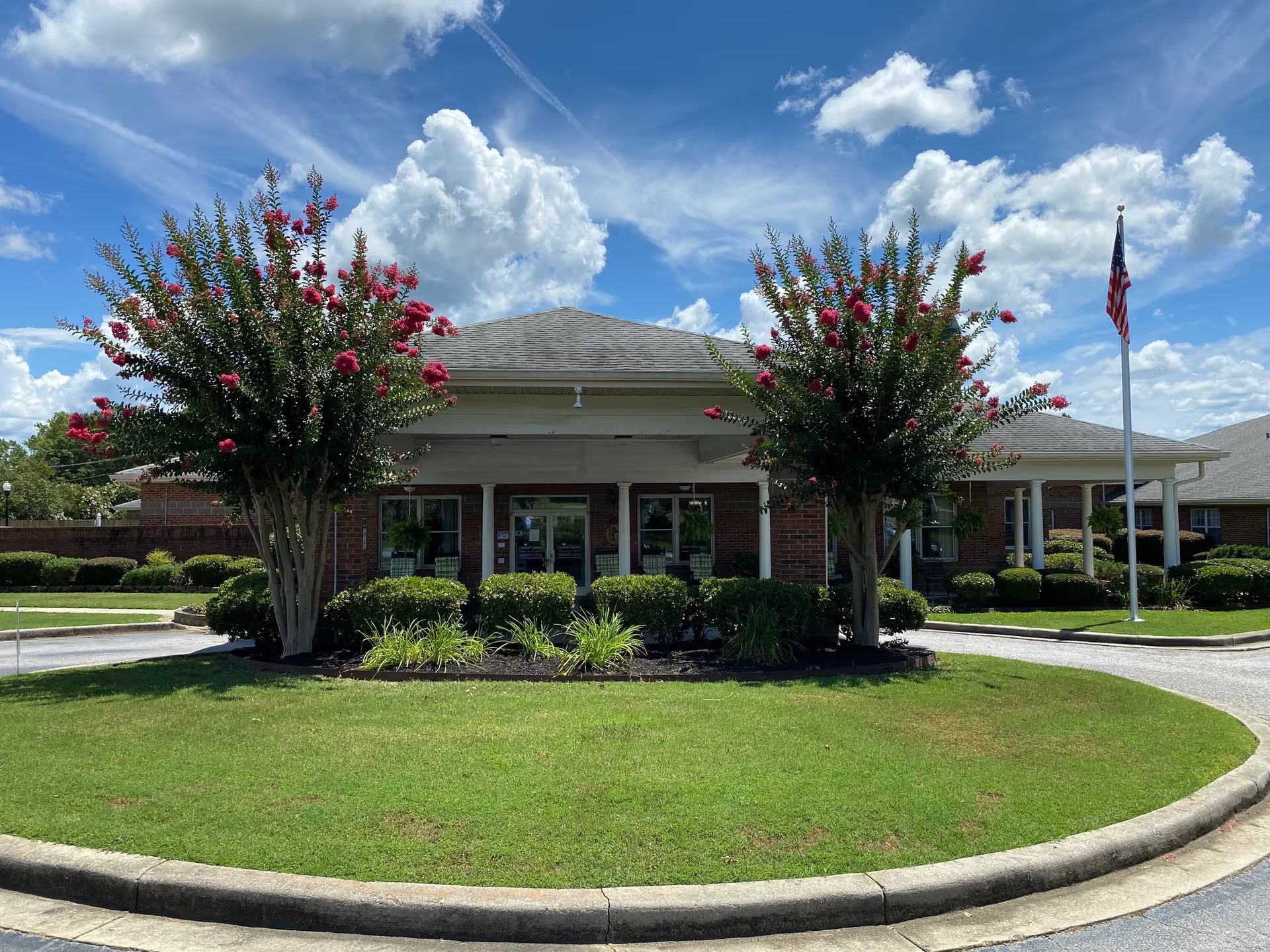
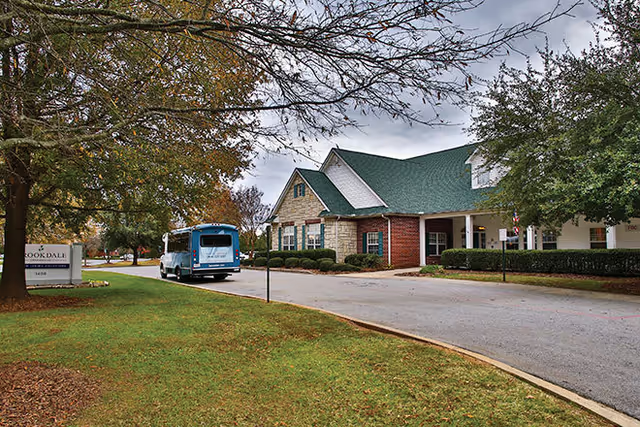
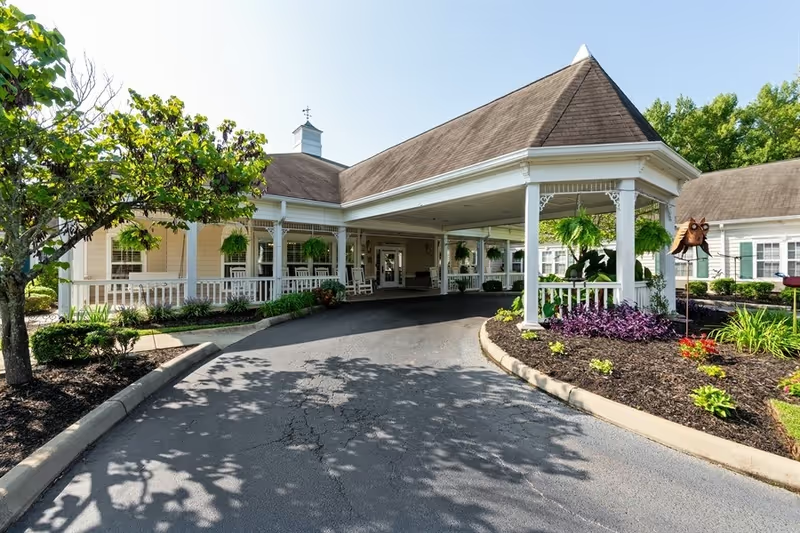
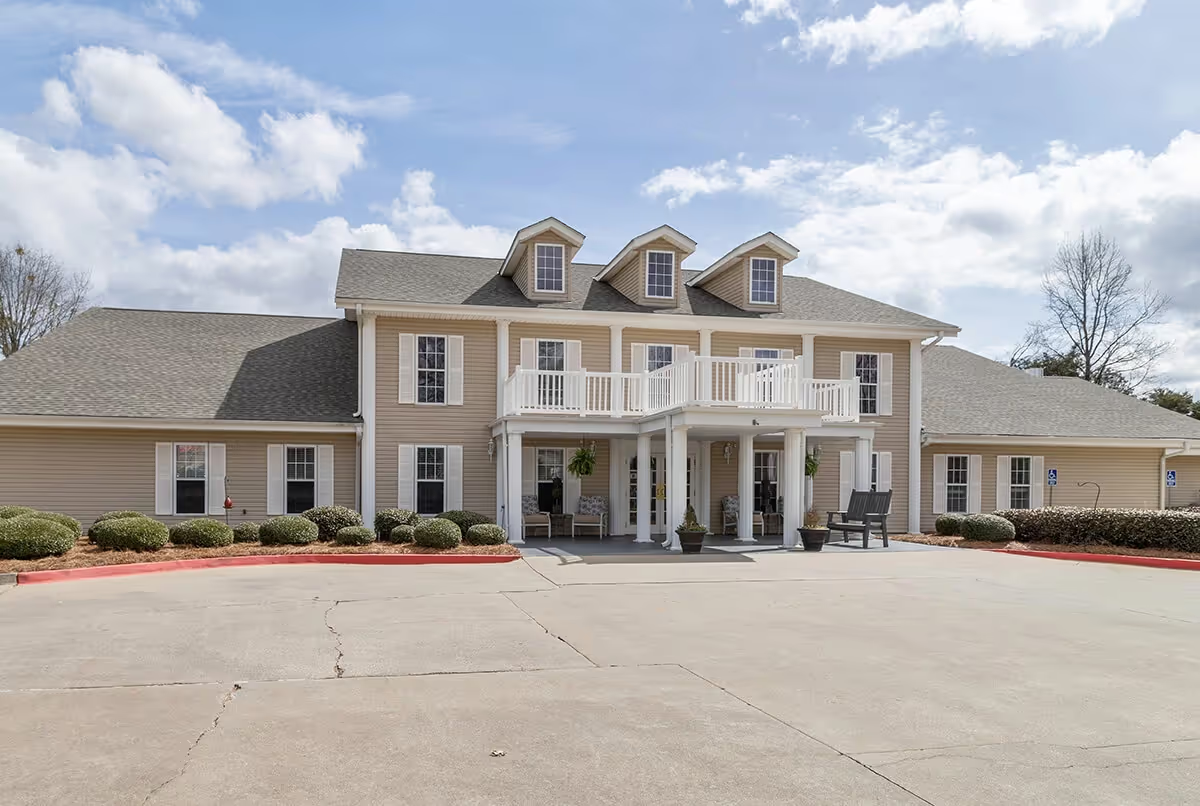
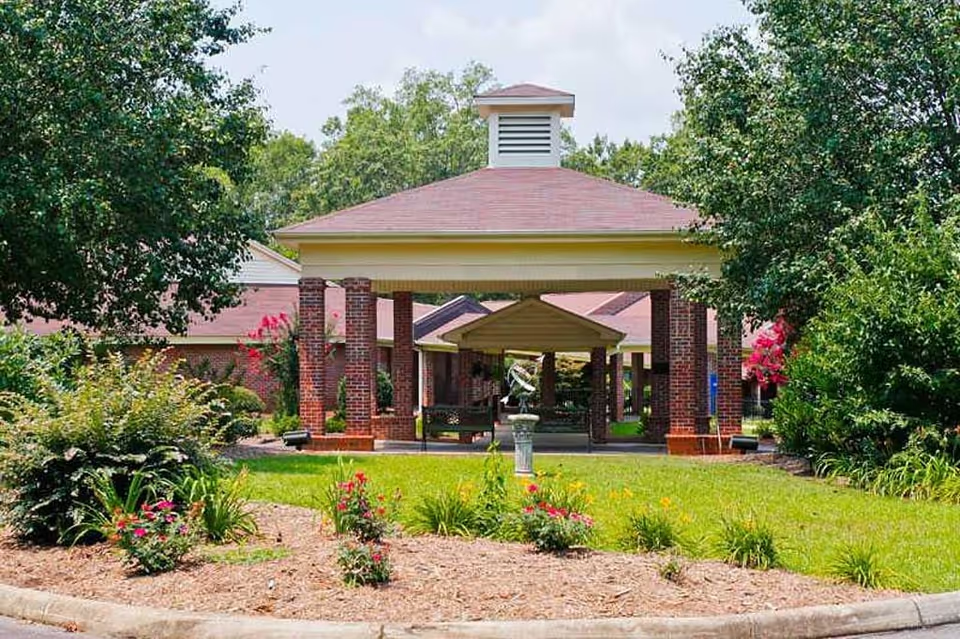
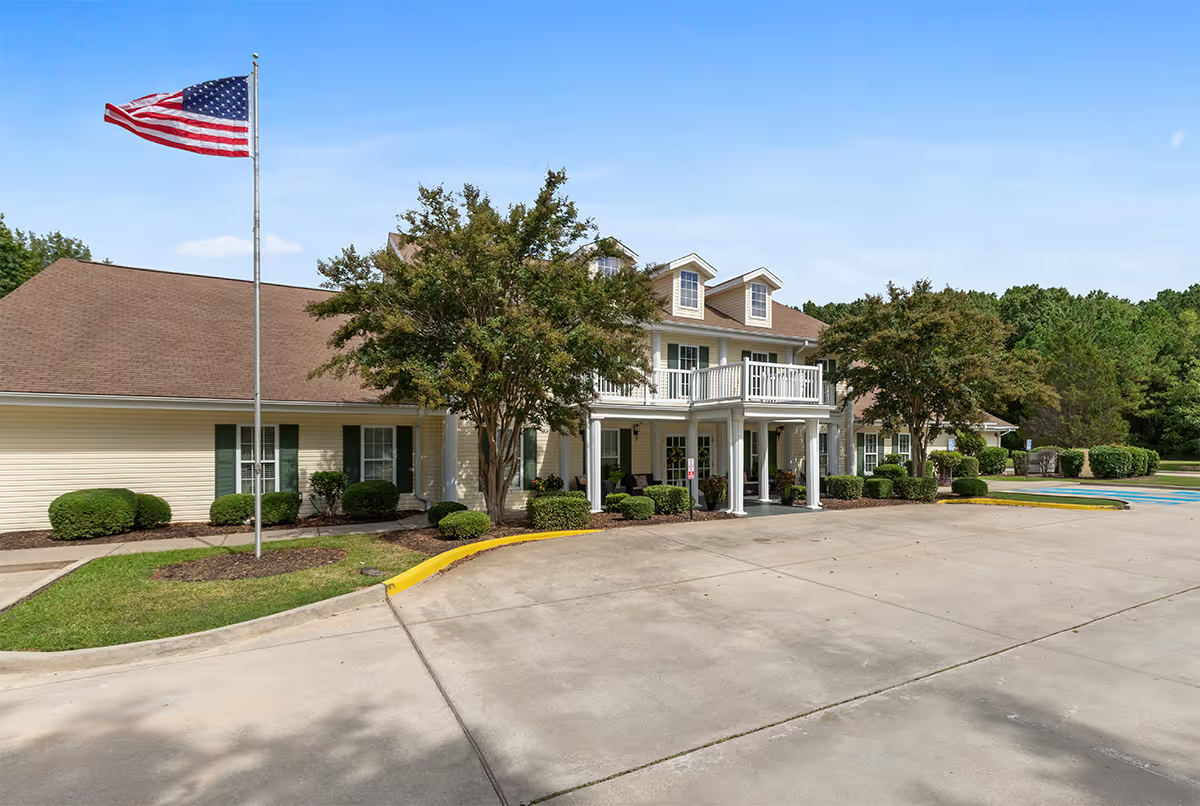
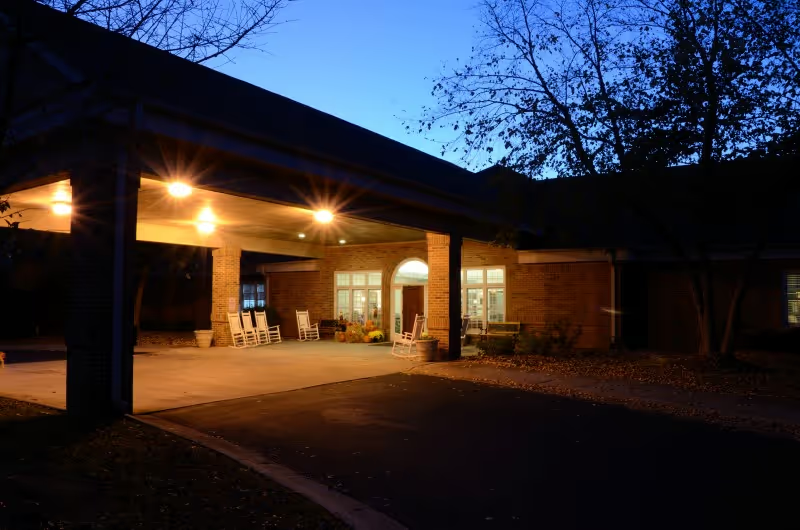
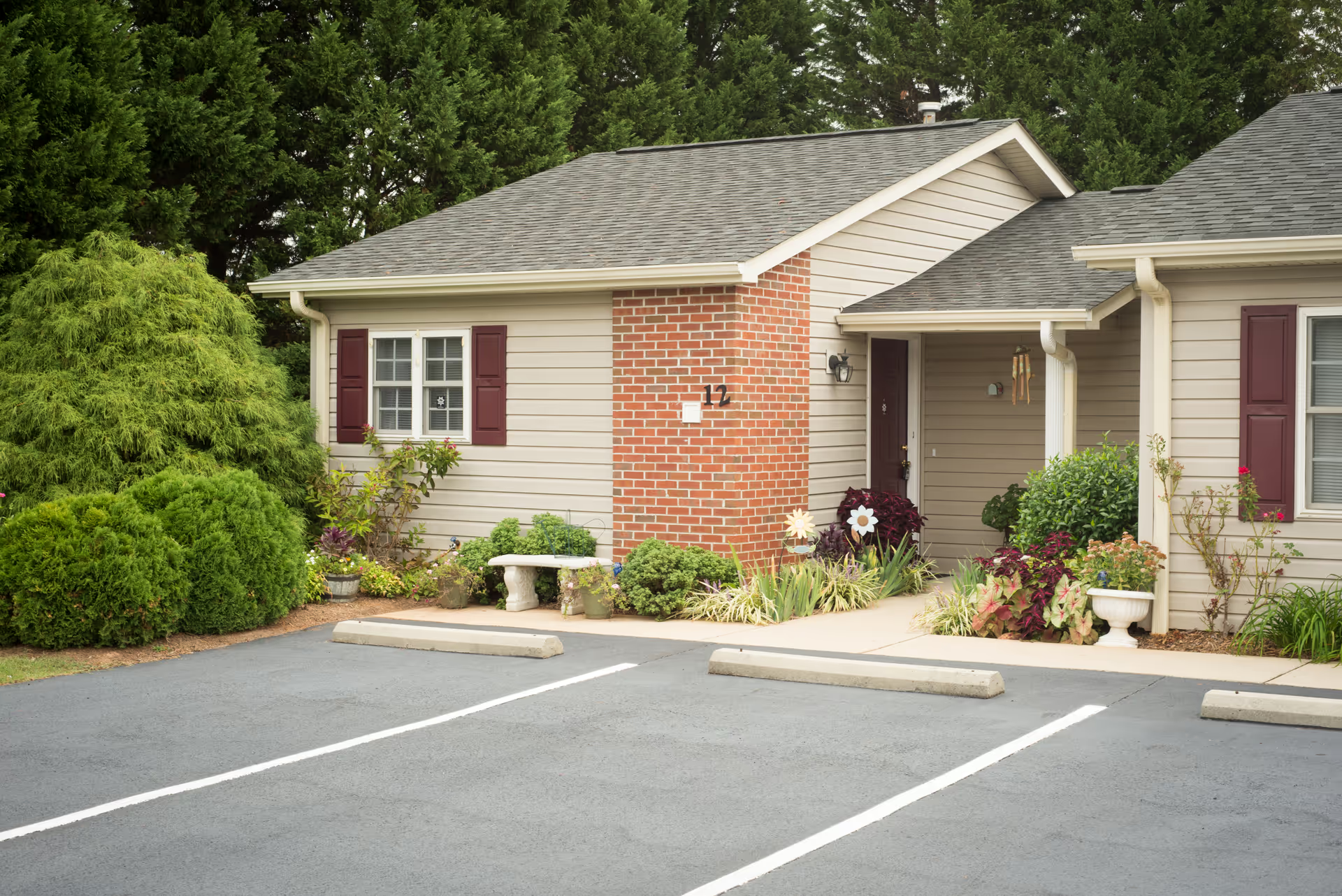
Facilities and grounds: The campus presents a split picture. Many areas and recently renovated common spaces are described as attractive, clean, and professionally maintained, and the landscaping and outdoor amenities draw frequent praise. However, multiple reviews point to a maintenance backlog and uneven upkeep: older wings or units may show deferred repairs, broken appliances, overgrown areas, and pest-control concerns. This unevenness appears to track with a mix of new-construction investment and deferred maintenance in legacy sections.
Management and governance: Reviews convey mixed impressions of leadership. Positive accounts describe cooperative management, recent investments, and responsiveness in some instances. Countervailing feedback raises concerns about communication gaps, limited follow-through on promised repairs or program changes, perceived cronyism, and constrained influence of resident governance. Financial transparency and billing practices are a recurring operational concern, and the facility’s large organizational scale is cited as creating challenges in agility and local problem resolution.
Notable patterns and considerations: Wesley Commons presents a strong value proposition for families prioritizing rehabilitation services, active programming, and a campus-style community with a full continuum of care. Prospective residents should weigh those strengths against indicators of inconsistent maintenance, occasional lapses in service continuity, and higher cost of entry. For families, specific due diligence items would include asking for current staffing ratios, recent maintenance plans for older buildings, pest-control protocols, dining-service continuity metrics, and copies of the organizational chart and resident-governance procedures. In sum, the community offers many high-quality features and dedicated staff, but operational and management variability may affect the day-to-day experience in certain units or during periods of staffing strain.