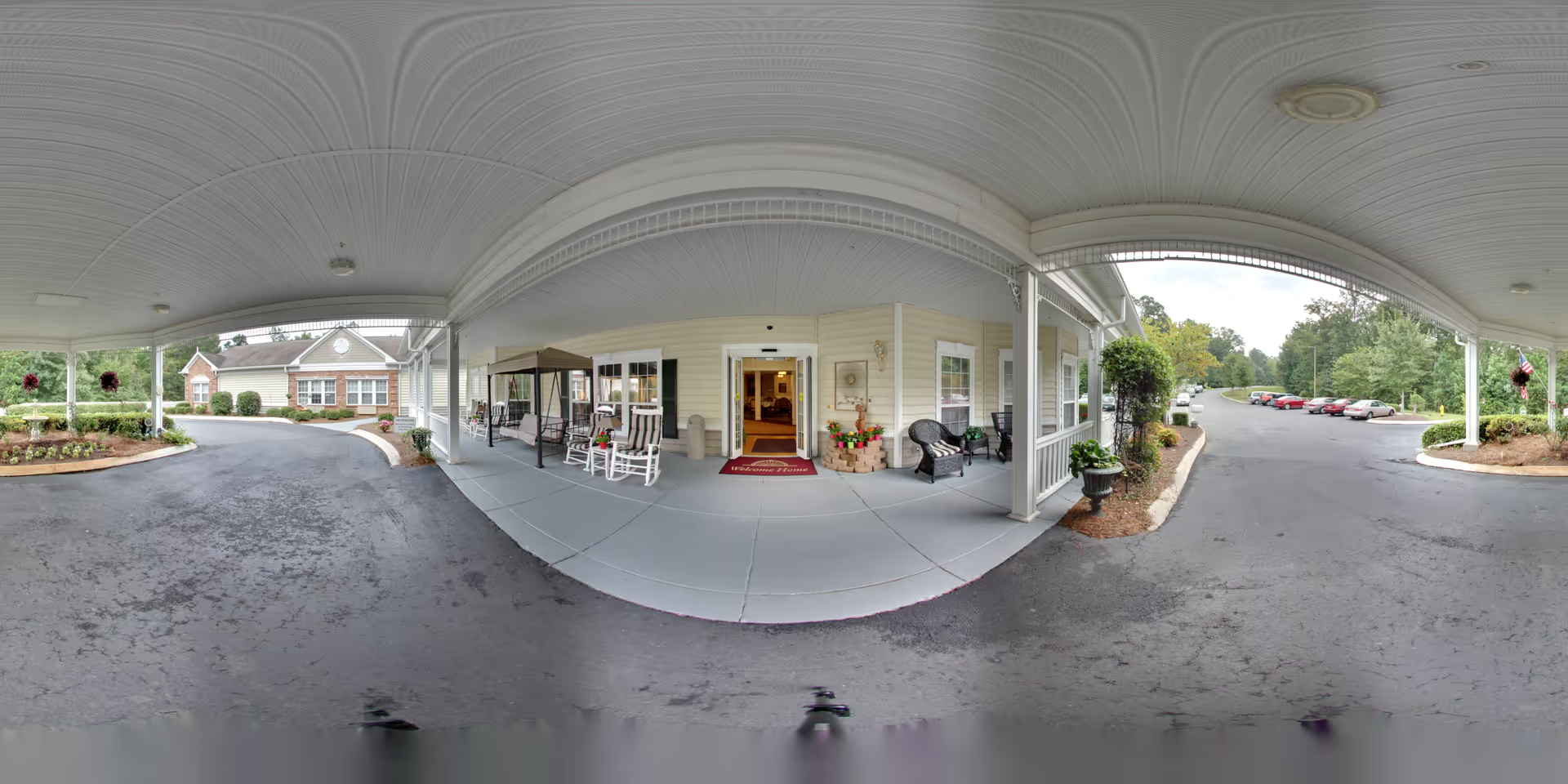
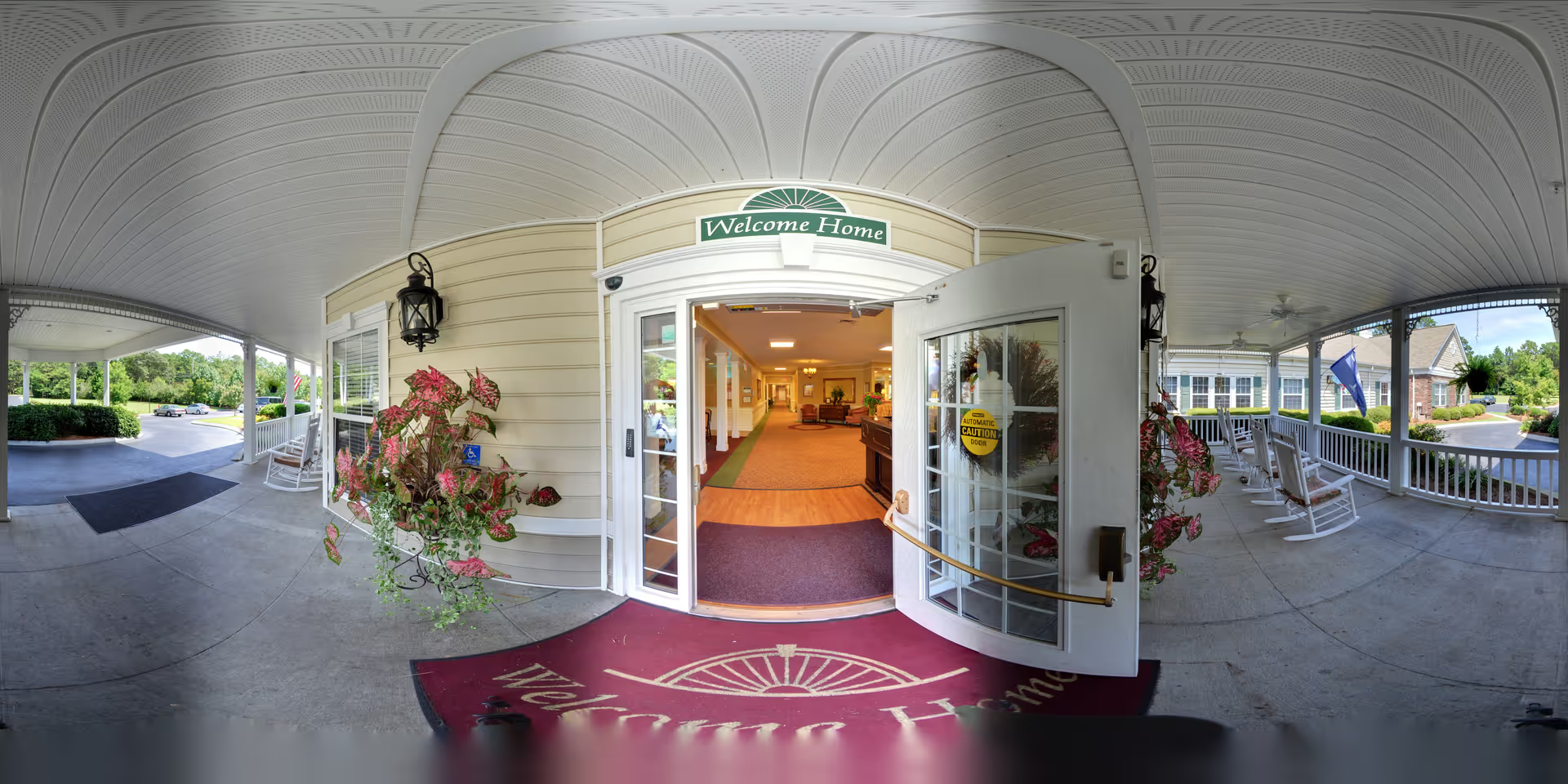
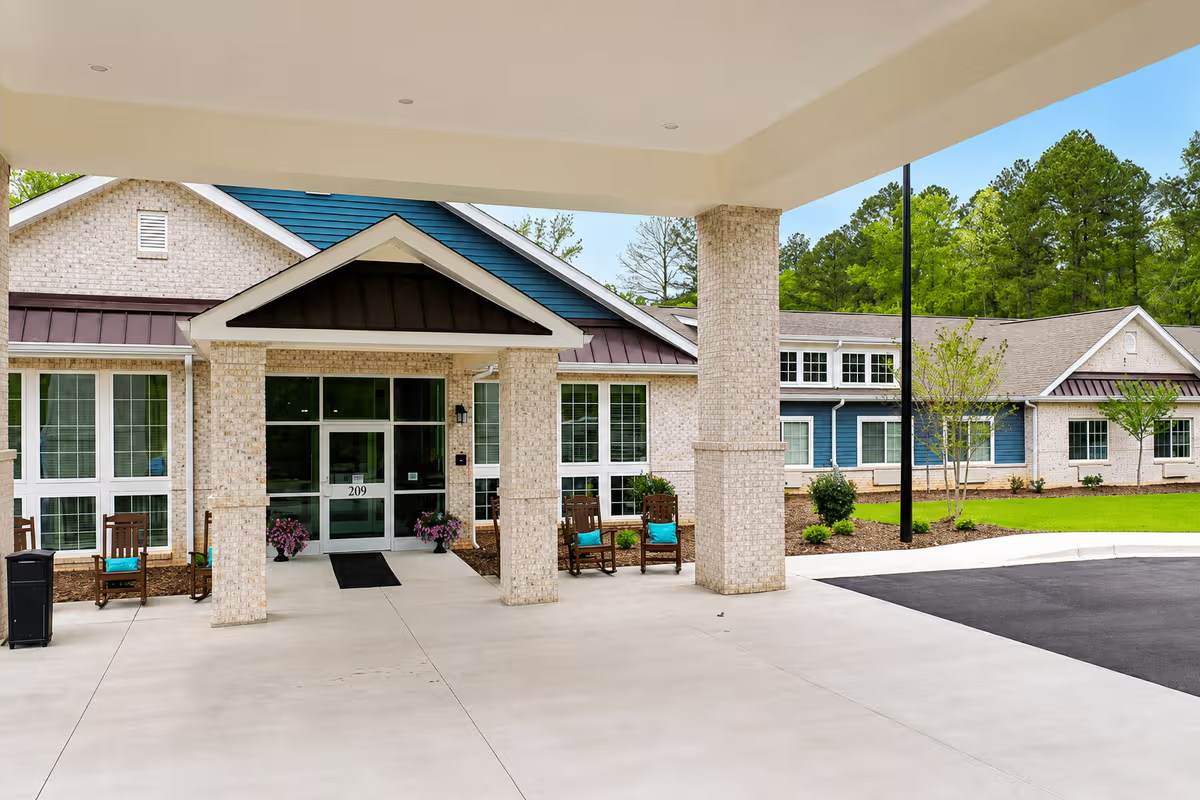
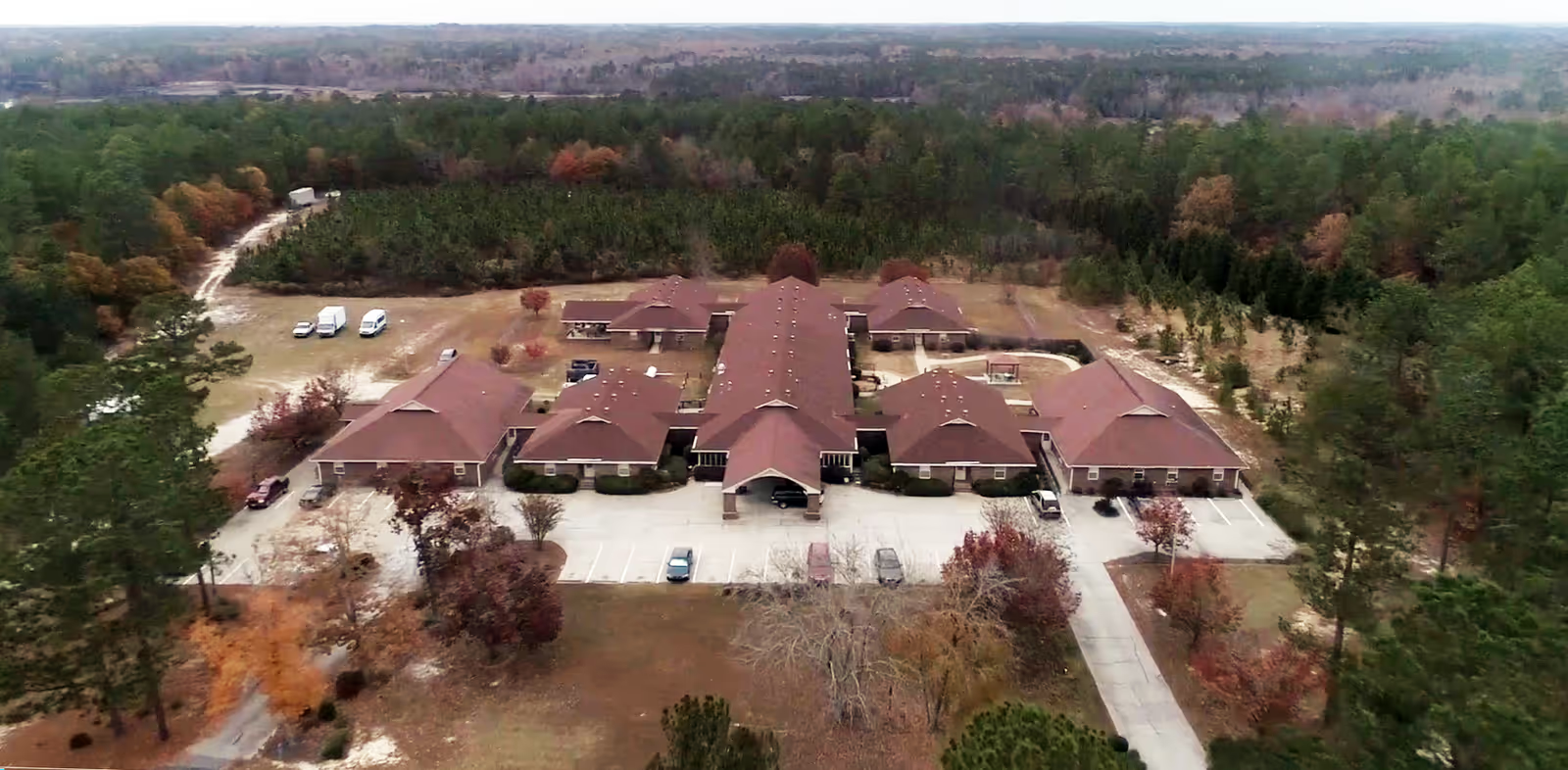
Reviews present a divided picture of care quality at this facility. Many families highlight compassionate, attentive caregivers, med-techs who are described as dedicated, and a home-like atmosphere that makes some residents feel comfortable and well cared for. Positive accounts emphasize personalized attention, active social programming, and improvements to common areas and decor that contribute to a cozy environment for long-term residents.
At the same time, there are persistent operational concerns that affect clinical reliability and resident safety. Multiple descriptions point to inconsistent staffing levels, variable training and supervision, and specific gaps in medication-management controls and documentation. These operational weaknesses are linked to delays in care, missed or unavailable medications, and lapses in updating care plans and advance-directive folders — all of which raise concerns about the facility’s ability to deliver consistently safe clinical care.
Facility maintenance and housekeeping present a mixed picture. While common areas and recent renovations receive positive mentions, other comments describe sanitation and cleanliness issues in resident rooms and bathrooms, damp laundry or mold concerns, and pest-control concerns in some units. Such variability suggests that environmental standards may be uneven across the building rather than consistently managed facility-wide.
Dining and activities are similarly mixed. Some families praise engaging activities and a pleasant, family-like atmosphere; others note inconsistent food quality and meal-service management. Prospective families should observe mealtimes and activity schedules directly to assess whether the programming and dining meet their expectations for daily quality of life.
Management and administrative practices are the strongest recurring concern. Reviewers describe poor responsiveness from administration and the business office, lapses in documentation, and difficulties obtaining clear communication about transfers or changes in condition. There are also allegations of inappropriate discharge practices and other regulatory concerns that prompted third-party involvement in at least some accounts. Complaints about supervision, attempts to suppress negative feedback, and problems resolving family concerns point to governance and transparency issues that merit verification.
Notable patterns: there is a clear contrast between hands-on caregiving staff praised for compassionate interactions and systemic weaknesses in administration, documentation, sanitation, and safety oversight. For families considering this facility, recommended due diligence includes: reviewing recent state inspection and complaint records; speaking with current family members about communication and incident resolution; observing staffing levels during different shifts; inspecting resident rooms and bathrooms; asking about medication-audit procedures, pest-control contracts, and laundry protocols; and confirming policies for transfers, hospice involvement, and emergency response. These steps will help determine whether the facility’s positive caregiving culture is supported by reliable administrative and clinical systems.