Overall impression: Reviews present a polarized but instructive picture. Many families and long-term residents describe Martha Franks Retirement Community as a warm, faith-oriented setting with compassionate, attentive staff who know residents by name and foster a family-like atmosphere. Residents and families frequently praise the scenic grounds, fellowship opportunities, regular activities, worship services, and nourishing, varied meal program (buffet/salad/dessert offerings and three meals daily). On many accounts the community provides a safe, engaging environment with on-site therapy, salon services, outings, and hospice support.
Care quality and staff: Positive accounts emphasize respectful, dignified interactions, staff who go beyond basic duties, and continuity of relationships for some long-term residents. However, a cluster of operational concerns recurs: high staff turnover and shortages that reduce continuity of care; inconsistent training and unfamiliarity with individual resident routines; and instances of delayed personal-care response. Clinical concerns include gaps in wound/skin management and delays in clinical escalation or follow-up. There are also isolated but notable concerns about staff professionalism and tone, which reviewers frame as a factor in family satisfaction. Infection-control adherence has been cited as inconsistent in certain instances.
Dining, activities, and amenities: Dining and programming are frequently highlighted as strengths. Reviewers note nutritious and appealing meals, regular outdoor walks, plentiful activities (games, singers, worship visits, outings), and amenities such as an exercise room, large dining area, TV/social spaces, and on-site hair services. These offerings contribute to a strong sense of community and resident engagement. At the same time, some reviews raise concerns about inconsistent housekeeping and environmental safety issues on occasion; prospective families may wish to confirm current housekeeping standards and pest-control practices during a visit.
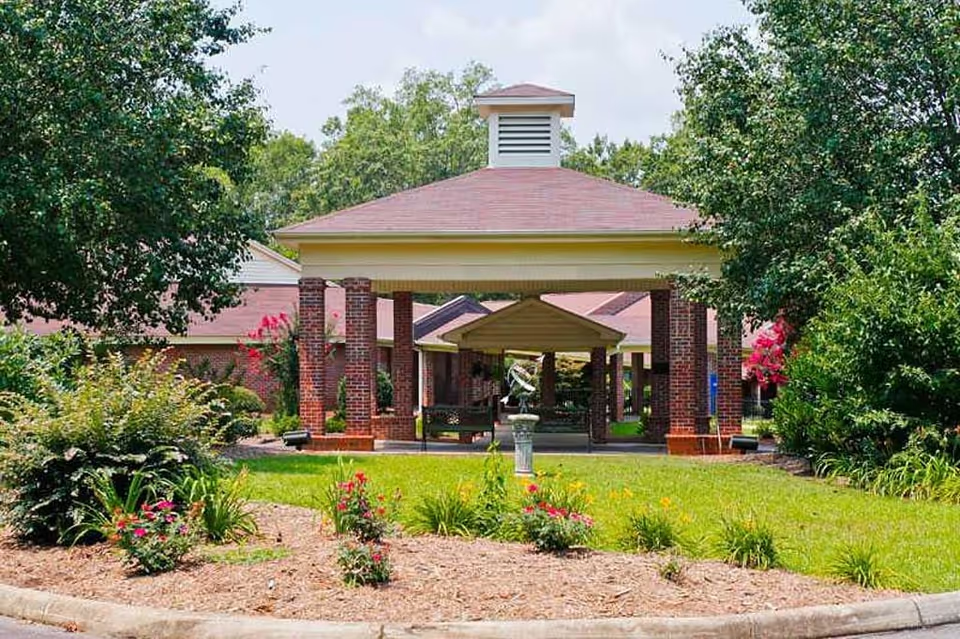
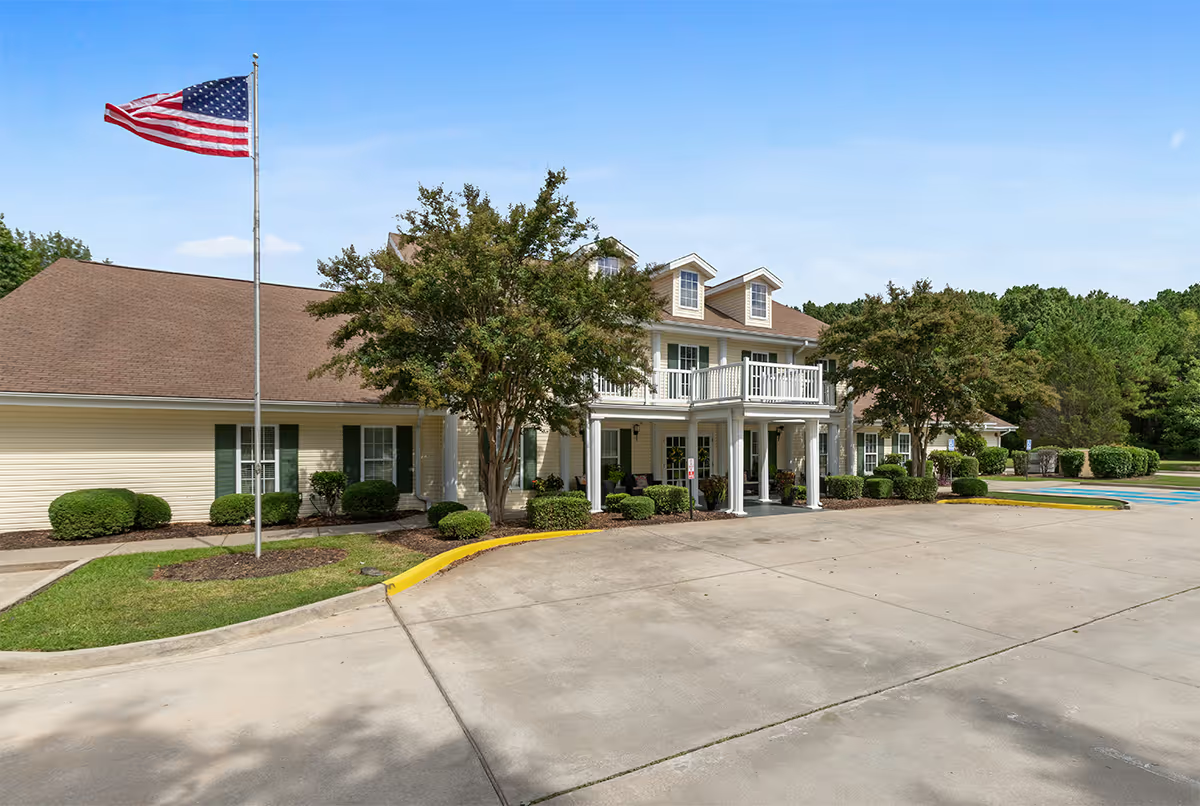
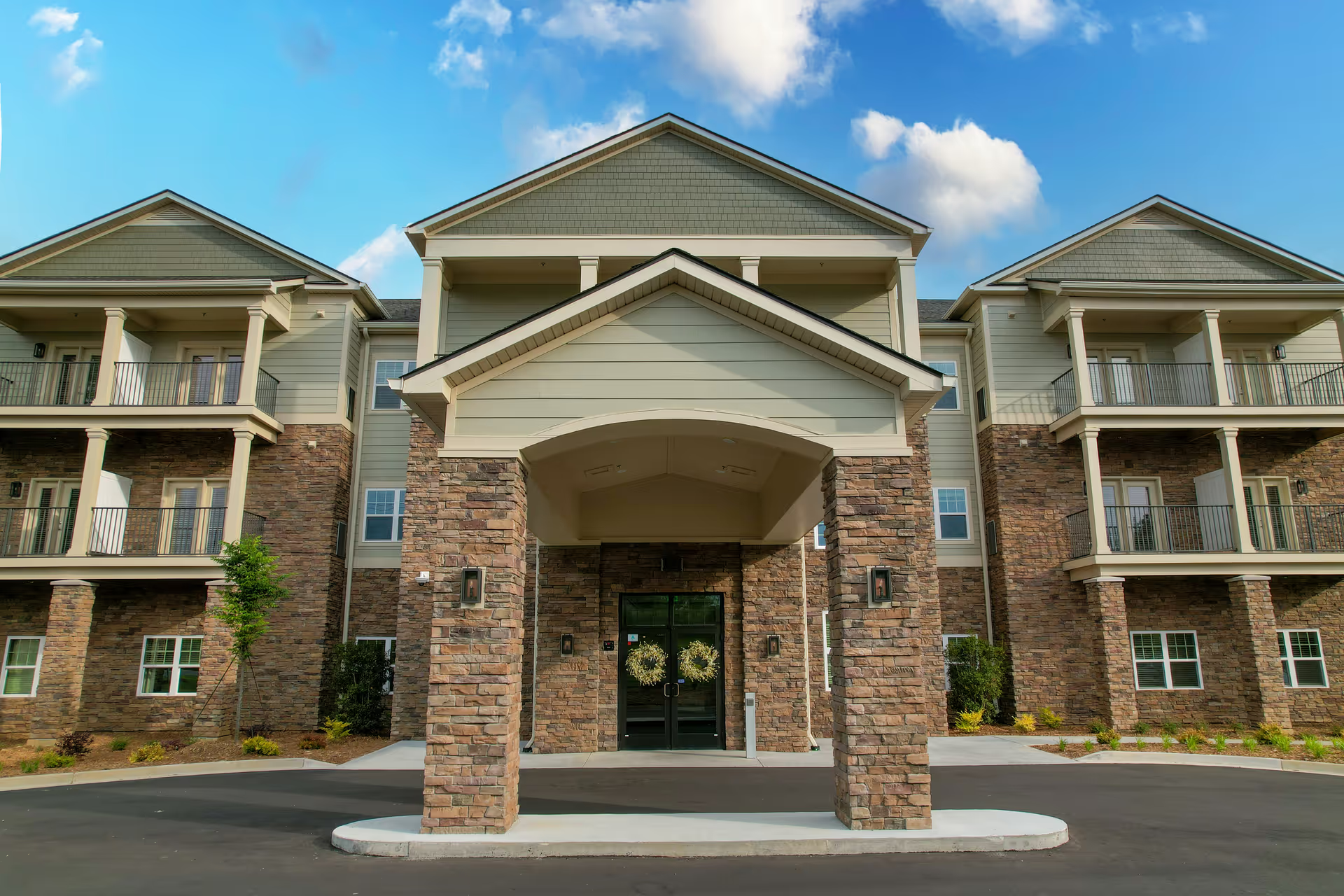
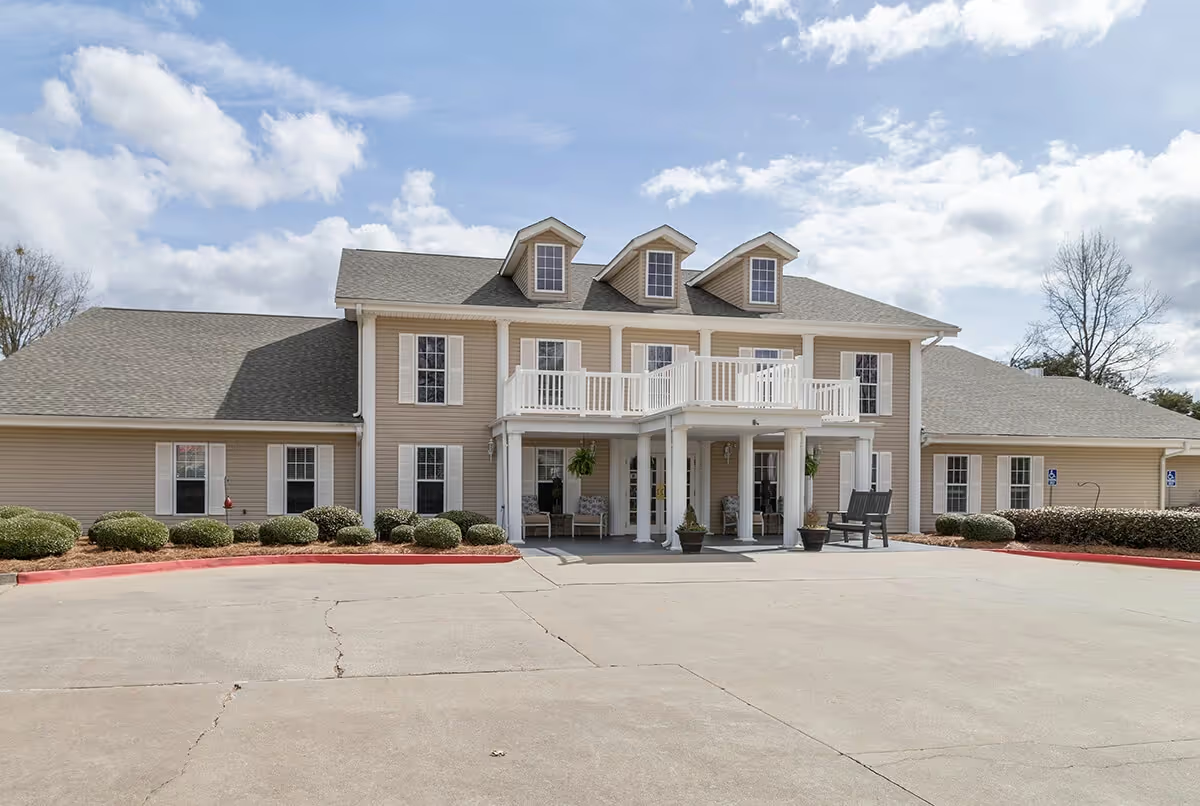
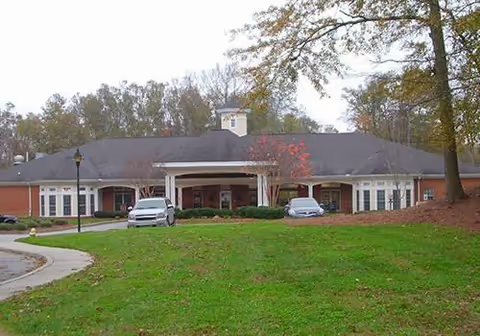
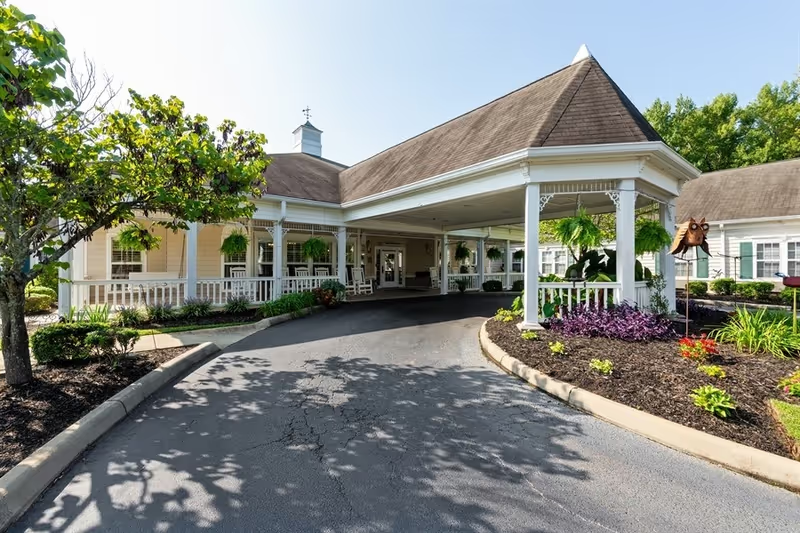
Facilities and management: The property and cottages are repeatedly described as attractive and peaceful, reinforcing the community’s appeal for those seeking a faith-based, small-town environment. Management perception is mixed: some reviewers report responsive, service-oriented leadership and recent improvements, while others describe variable administrative communication, accounting and billing deficiencies, and supply-management problems. There are serious operational themes to explore further—security and elopement-risk management, inventory and supply controls, and financial/billing transparency—with at least one allegation of theft and examples of contested charges cited.
Notable patterns and guidance for families: The reviews suggest two distinct patterns—many consistently positive personal experiences centered on compassionate staff and active programming, and a smaller but consequential set of operational concerns that affect safety, clinical follow-up, and administrative trust. Prospective residents and families should tour the community, meet caregiving staff, and ask specific questions about staffing ratios, turnover, staff training and supervision, wound-care protocols, infection-control policies, pest-control program, elopement-prevention and secure-exit procedures, incident-reporting practices, and billing/accounting transparency. Requesting recent inspection reports, staffing schedules, and examples of how the community addressed past concerns may help clarify current performance and fit for an individual’s needs.