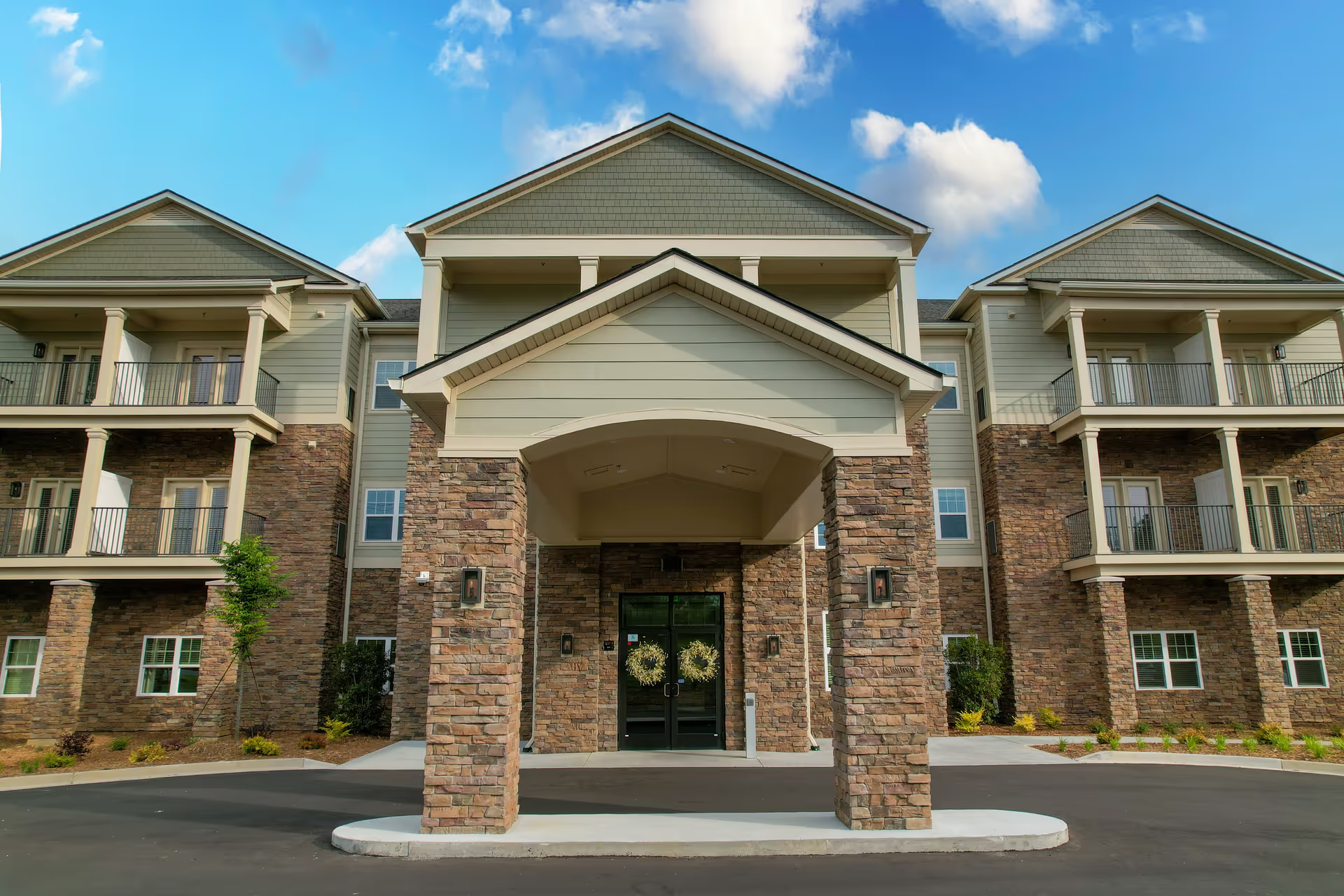
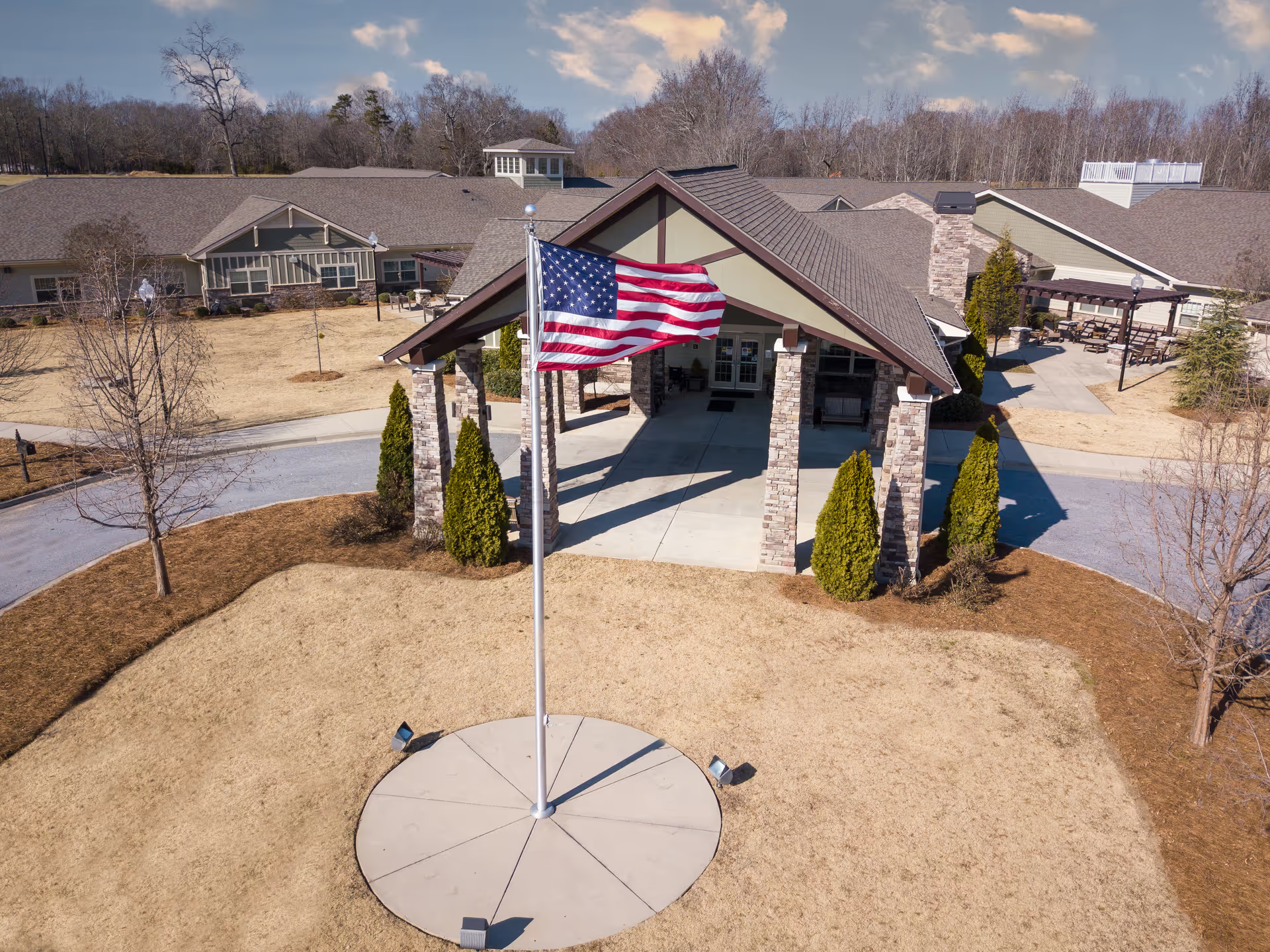
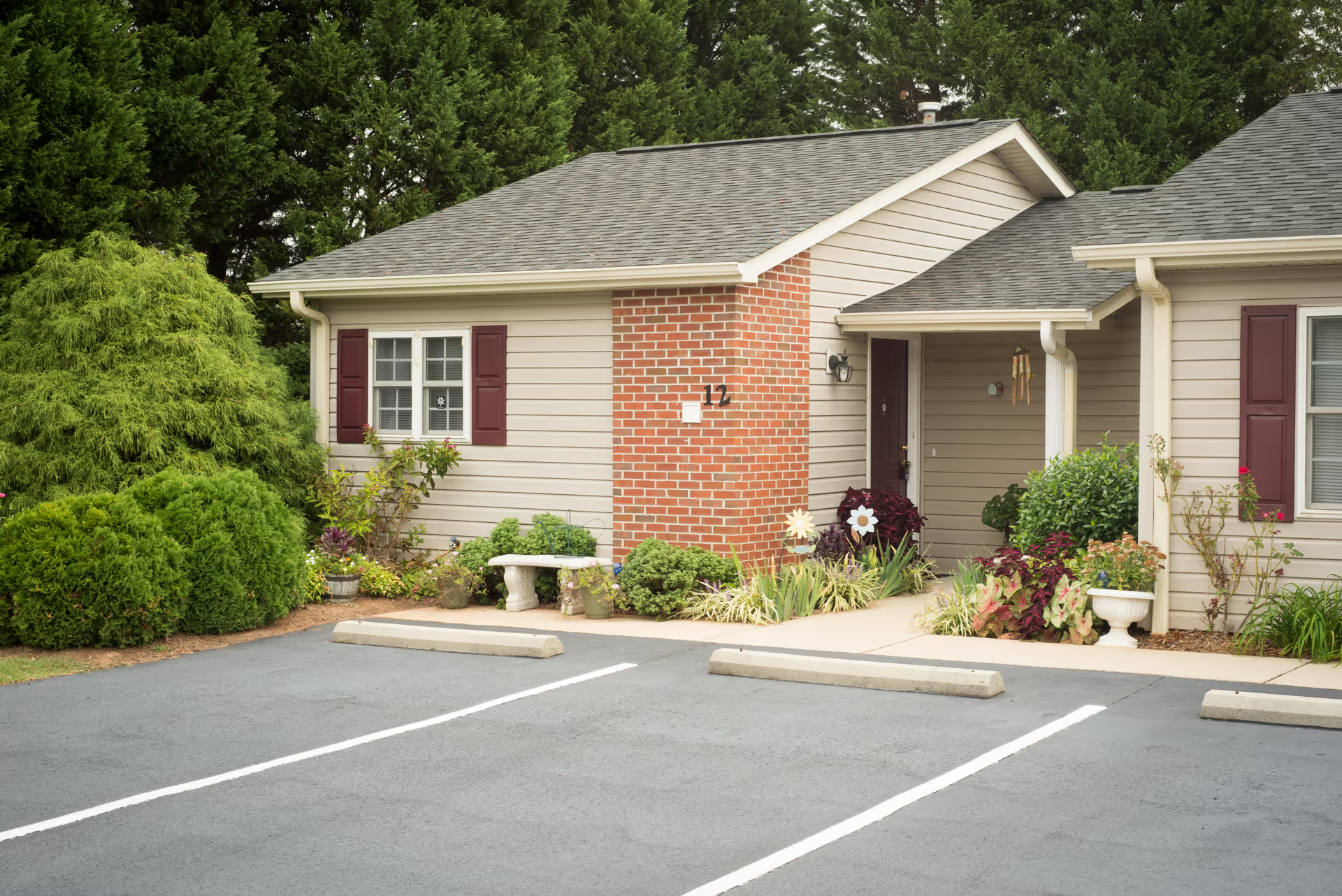
Overall impression: The Springs at Simpsonville presents as a well-kept, home-like community with many families praising the compassion of direct-care staff, strong housekeeping, and an active social program. Common positives include a welcoming dining room, accessible outdoor spaces such as ponds and walking paths, and multiple levels of care including memory care and assisted living. The facility’s atmosphere is frequently described as family-oriented and non-institutional, with long-tenured employees who know residents by name.
Care and staff: Families consistently highlight attentive, caring staff and a stable workforce that contributes to continuity of care and resident familiarity. There are repeated comments about staff who go above and beyond, good coordination with hospice, and management that is available and engaged. That said, there is variability in staff performance and supervisory oversight; reviews cite instances of poor tone from some staff members and occasional lapses in frontline supervision. For residents with higher medical needs, reviewers indicate limited on-site clinical coverage (for example, fewer licensed clinicians on duty and intermittent physician visits), suggesting the community may be better suited to lower- to moderate-acuity residents.
Dining and nutrition: Dining receives mixed but generally positive feedback. Many residents and families praise the variety, menu selection, and improvements under culinary leadership; several reviewers attribute weight gain and improved appetite to the food. Contrasting comments identify inconsistent meal-service timing and temperature control, and limited dining-hall supervision that can create nutrition-monitoring gaps for vulnerable residents. Families considering the community should clarify how the facility tracks intake and flags nutritional risk.
Activities and engagement: The Springs offers a broad activities calendar, often staffed full-time, with organized day trips, community outings, crafts, games, and religious services. The activities program is repeatedly described as a core strength—staffed events occur daily and include transportation to local venues—supporting social engagement and community integration.
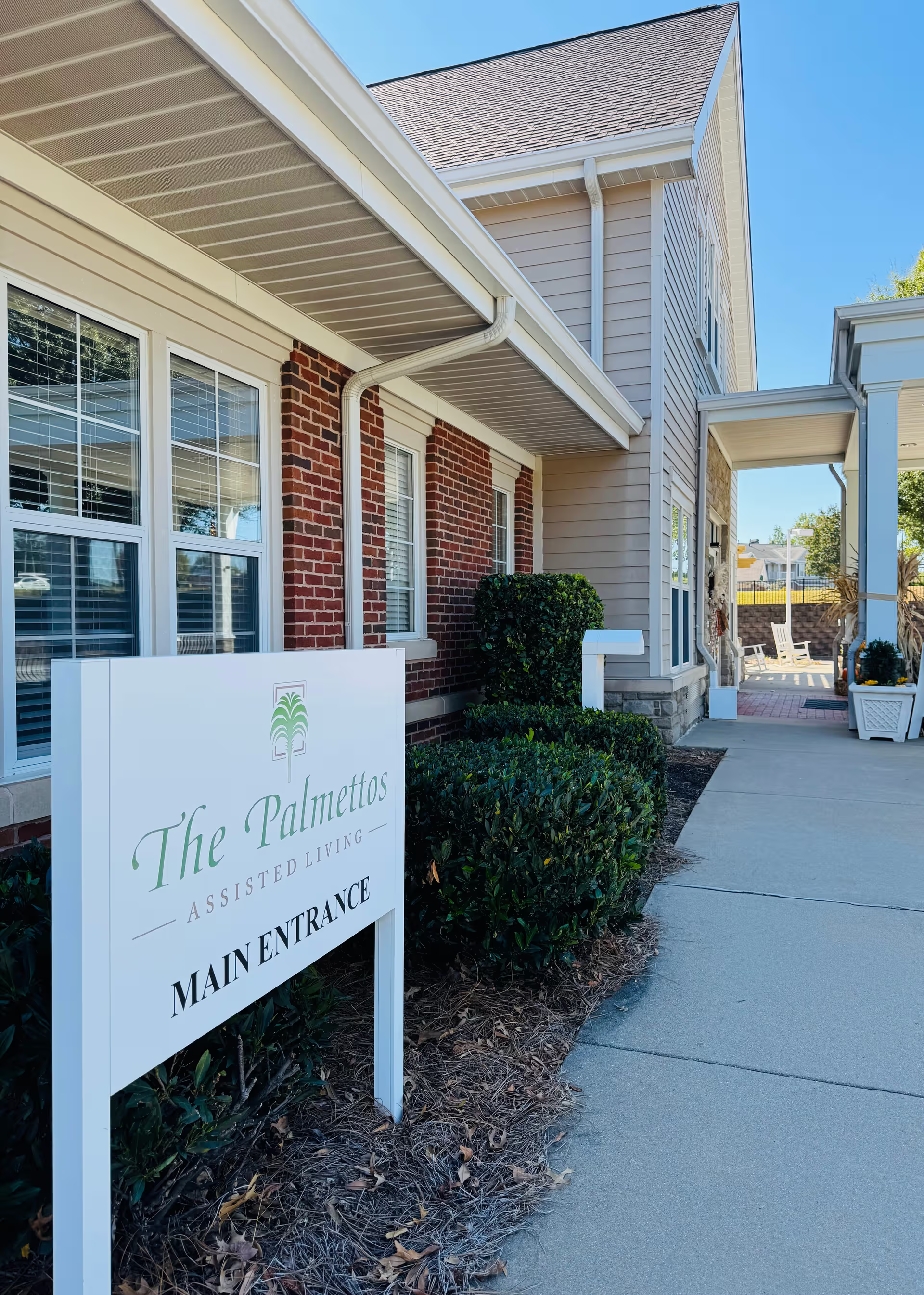
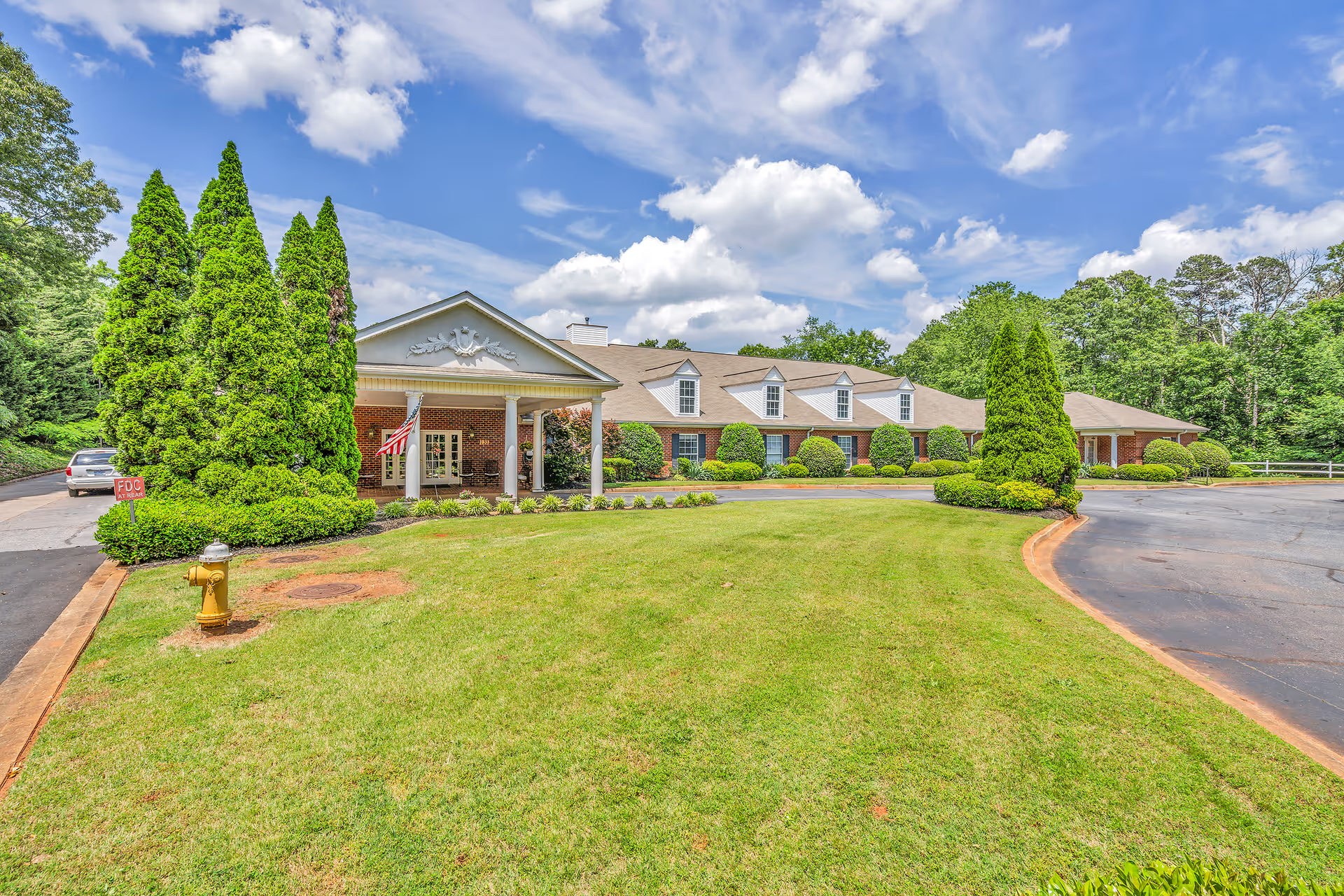
Facilities and amenities: The physical plant is generally described as clean, tastefully appointed, and well-maintained, with both older and newer wings. Units are noted as spacious and wheelchair-accessible with private baths. Outdoor amenities and proximity to downtown and neighborhood services are attractive features. Areas for improvement include limited dedicated on-site physical-therapy/rehab space and occasional wayfinding or entrance-security inconsistencies.
Management and operations: Many families find management responsive and appreciated assistance during move-in and transitions. Operational concerns described across reviews include laundry-management issues (misplaced or lost items), occasional billing or charge-reconciliation errors, and variability in kitchen or caregiving staff conduct. There is also a single serious allegation concerning eviction and refusal of readmission that warrants careful follow-up with management and, if appropriate, regulatory review. Prospective families should ask about current staffing levels, clinical coverage, laundry/personal-item safeguards, billing practices, and any recent corrective actions.
Who this may suit: The Springs at Simpsonville appears to fit residents and families seeking a smaller, community-oriented setting with active programming, strong housekeeping, varied dining, and a family-like culture. It may be less appropriate for people requiring consistent high-acuity clinical oversight, intensive on-site rehabilitation services, or those with sensitivity to cost or strict security/wayfinding needs. Visitors should tour, meet clinical leadership, and ask targeted questions about nutrition monitoring, laundry procedures, billing reconciliation, and recent staff-turnover trends before making a placement decision.