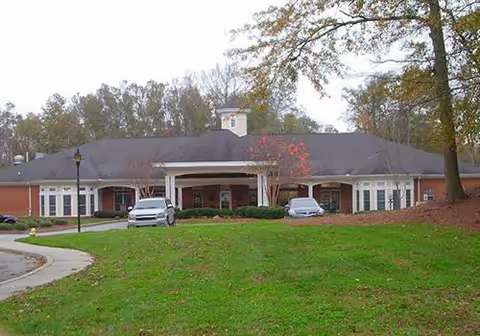
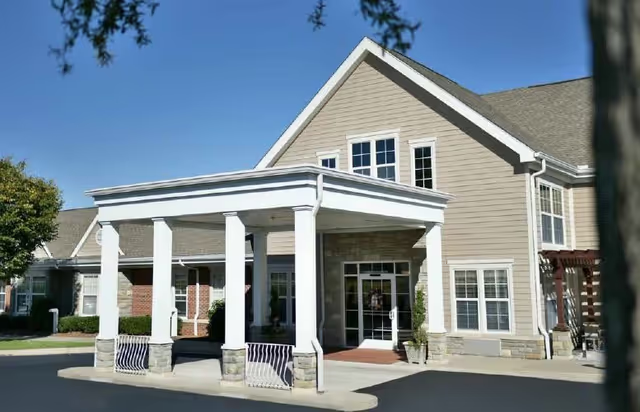
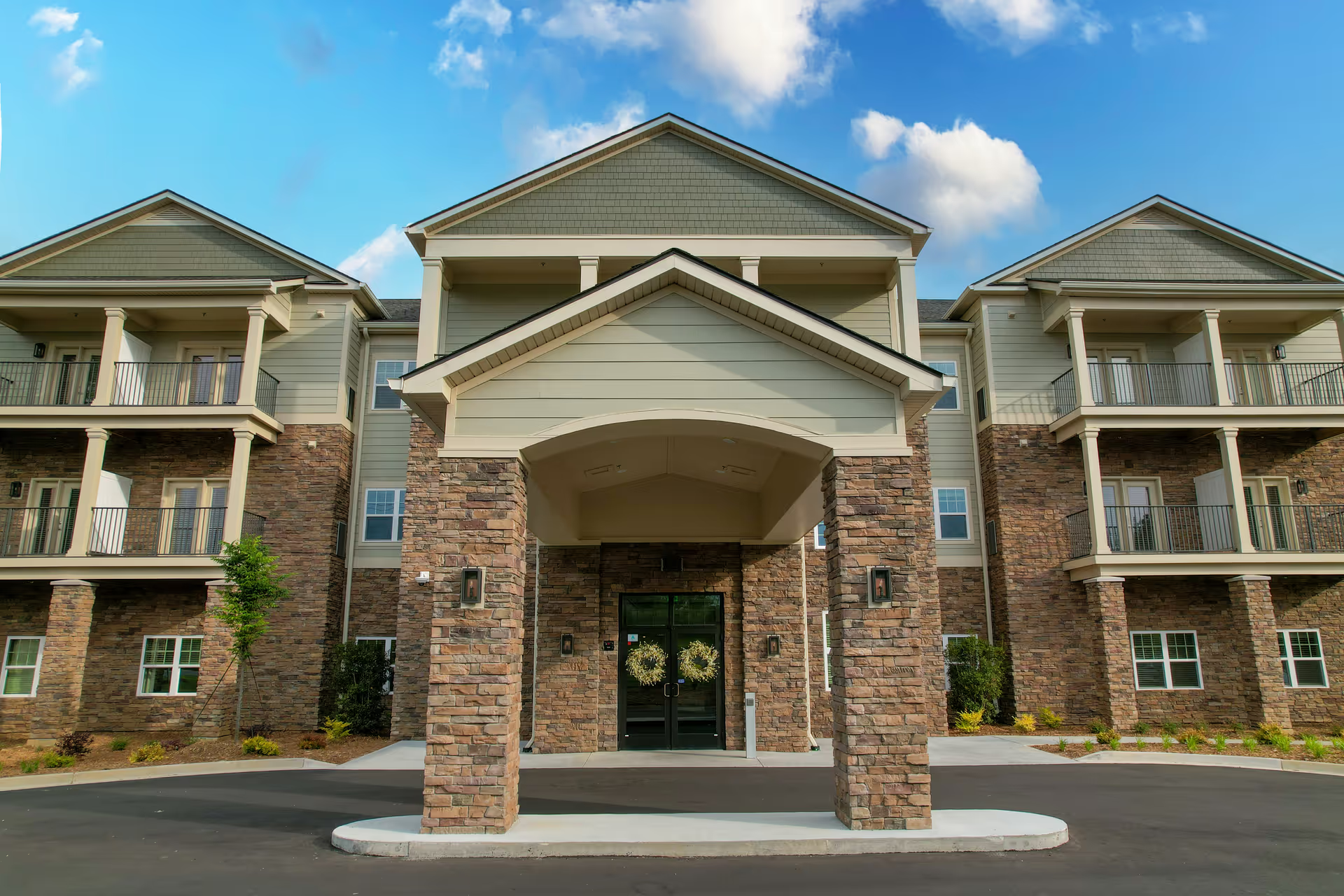
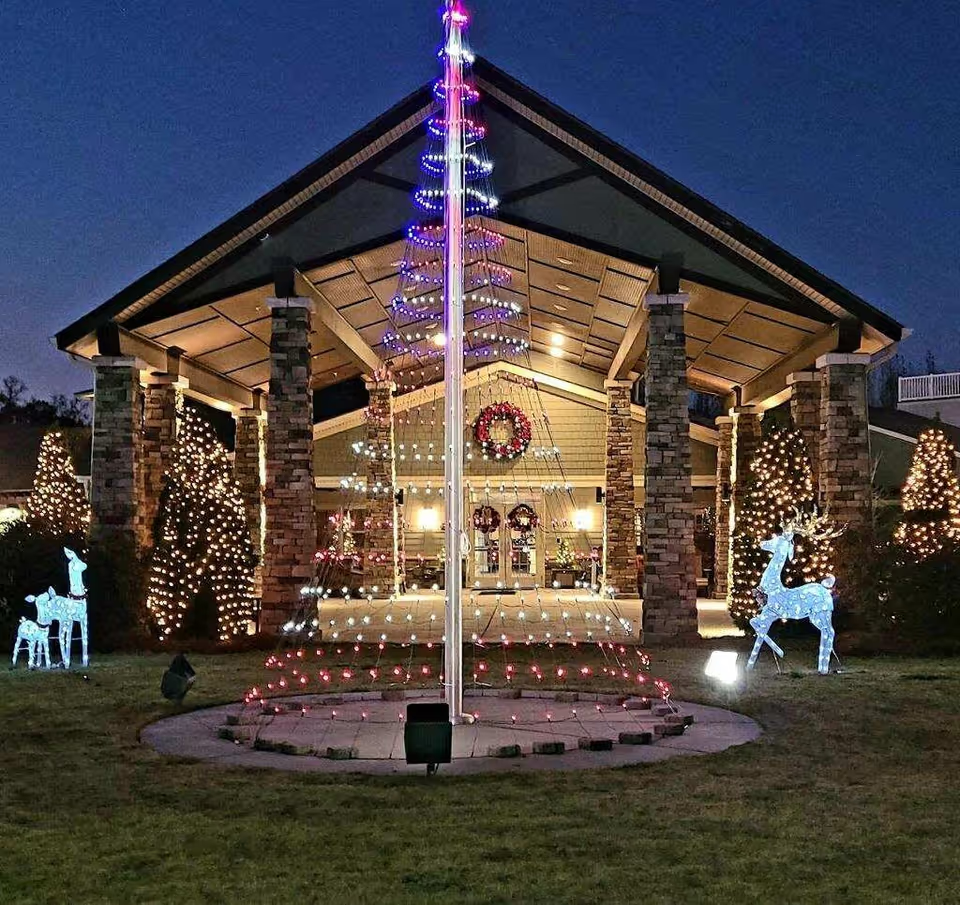
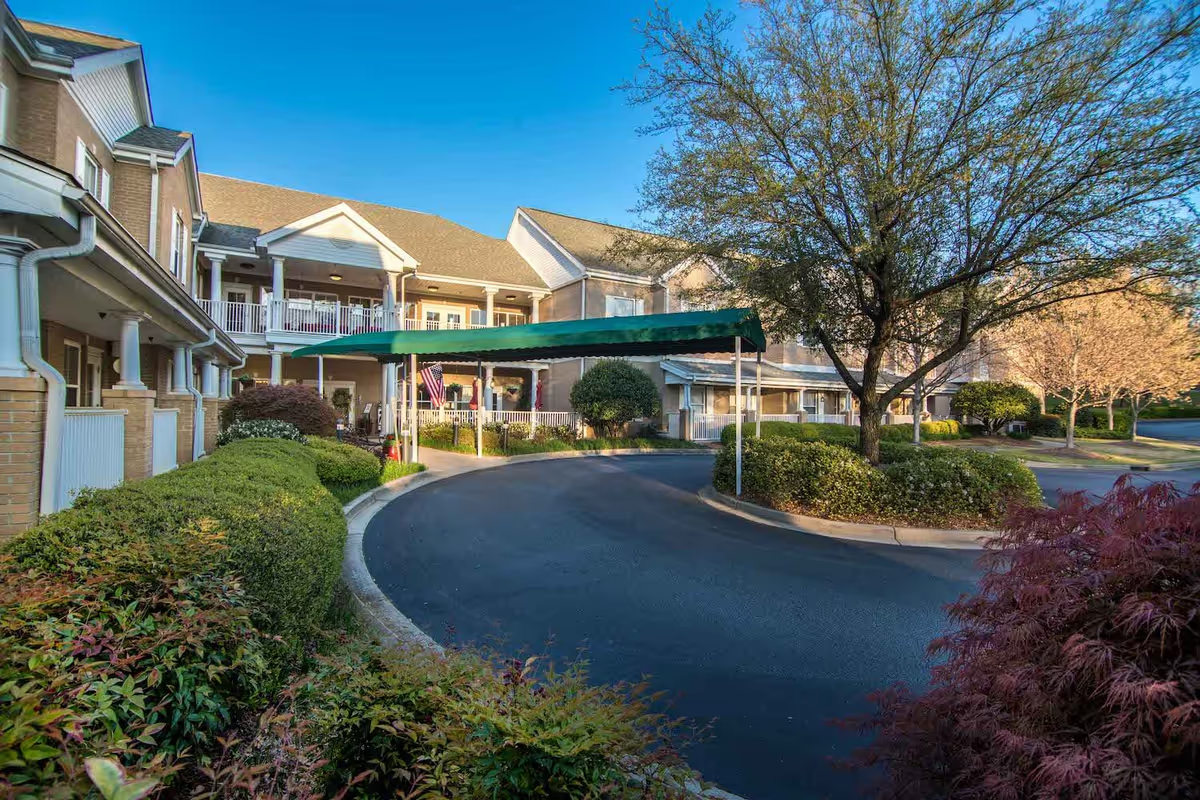
Brookstone Terrace of Simpsonville presents a largely positive physical environment and a range of clinical and social supports, alongside recurring operational inconsistencies. Many families praised the facility’s modern, well‑maintained building, attractive courtyards, and thoughtful layout (circle design and color‑coded hallways) that support residents with memory impairment. The community offers private rooms, therapy/PT‑OT space, an onsite salon and library, and 24‑hour nursing with on‑site physician visits and hospice availability, which are strengths for those seeking medical oversight in a smaller, personalized setting.
Care quality descriptions are mixed. Several families described compassionate, attentive caregivers and consistent clinical follow‑through — including good medication routines, therapy access, and daily updates. At the same time, other accounts described operational gaps: inconsistent personal‑care responsiveness (notably bathing, dressing, and incontinence checks), variability in staff supervision, and at least one cited concern about rapid weight loss that merits follow‑up. These contrasting reports indicate that day‑to‑day care experience may depend heavily on which staff are on duty and the resident’s acuity level.
Staff and management show both positives and challenges. Reviewers frequently commended individual caregivers, activity staff, and directors for responsiveness, strong family communication, and a family‑like culture. However, persistent themes include high staff turnover, variable frontline training, and occasional lapses in supervision or supervision continuity. Management changes and concerns about staffing stability and compensation were cited as contributing factors. The result is uneven service reliability: some families experienced exemplary responsiveness and organization, while others noted delays in reaching staff or inconsistencies in care practices.
Dining and activities are another area of mixed impressions. The facility runs structured programs — bingo, crafts, chapel, movies, and previously bus outings — and many residents benefited from social interaction and an active calendar. Activity staff and social programming were often praised. Conversely, meal quality and appropriateness for residents with dental limitations or texture needs were inconsistent; some families found the food satisfactory with alternatives available, while others questioned the culinary value relative to cost. Transportation and off‑site outing availability were described as reduced or inconsistent by several reviewers.
Facility operations and policies also showed variability. Admissions were described as smooth and well‑organized by many, and the all‑inclusive pricing model with add‑on packages was appreciated. Conversely, reviewers cited restrictive visitation practices during infection‑control periods and limitations on external professionals, which affected family access in some cases. Some families also reported gaps in standardized intake assessment and individualized care planning, suggesting opportunities to strengthen initial evaluations and documented protocols for morning routines, bed preparation, and incontinent care.
Notable patterns for prospective families: Brookstone Terrace appears well suited for those seeking a small, attractive community with integrated memory and assisted living and strong moments of individualized attention. Prospective residents and families should, however, clarify current staffing stability, training protocols, behavioral‑management capacity, intake assessment procedures, and dining accommodations for texture/chewing needs before move‑in. For higher‑acuity residents or those with active behavioral needs, ask specifically how the community manages episodic aggression and whether staff levels and training are sufficient on all shifts. Overall, the facility shows many operational strengths but also a set of recurring reliability issues that are important to evaluate in person and to monitor over time.