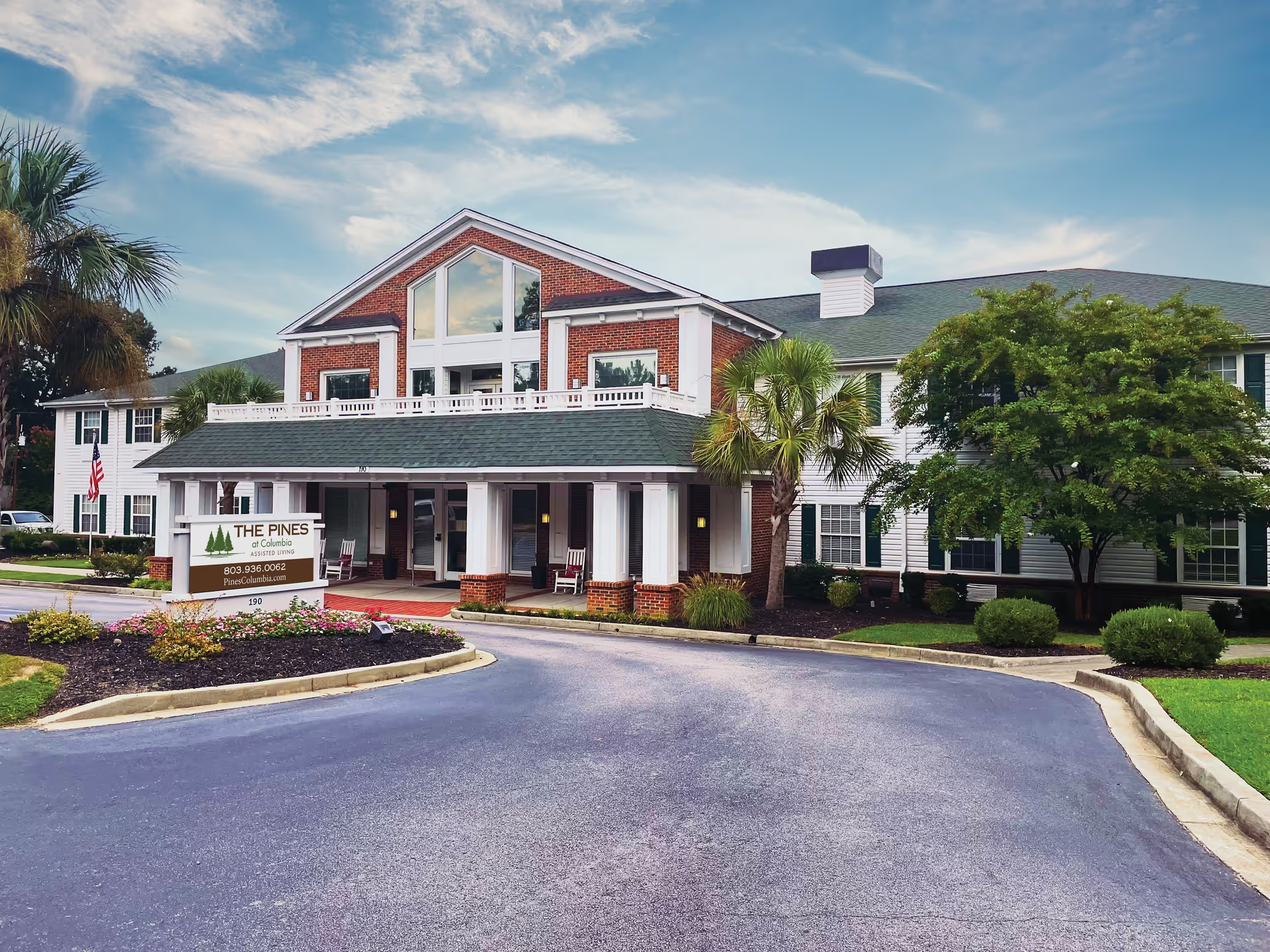
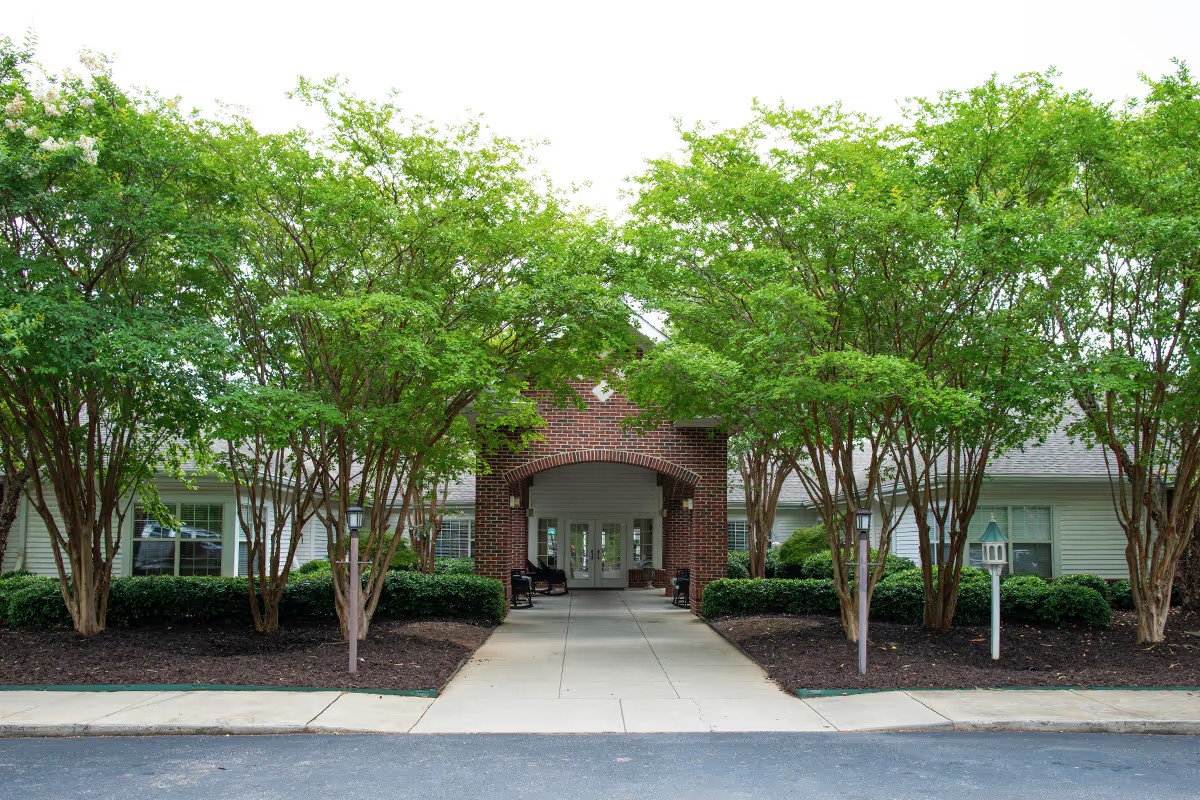
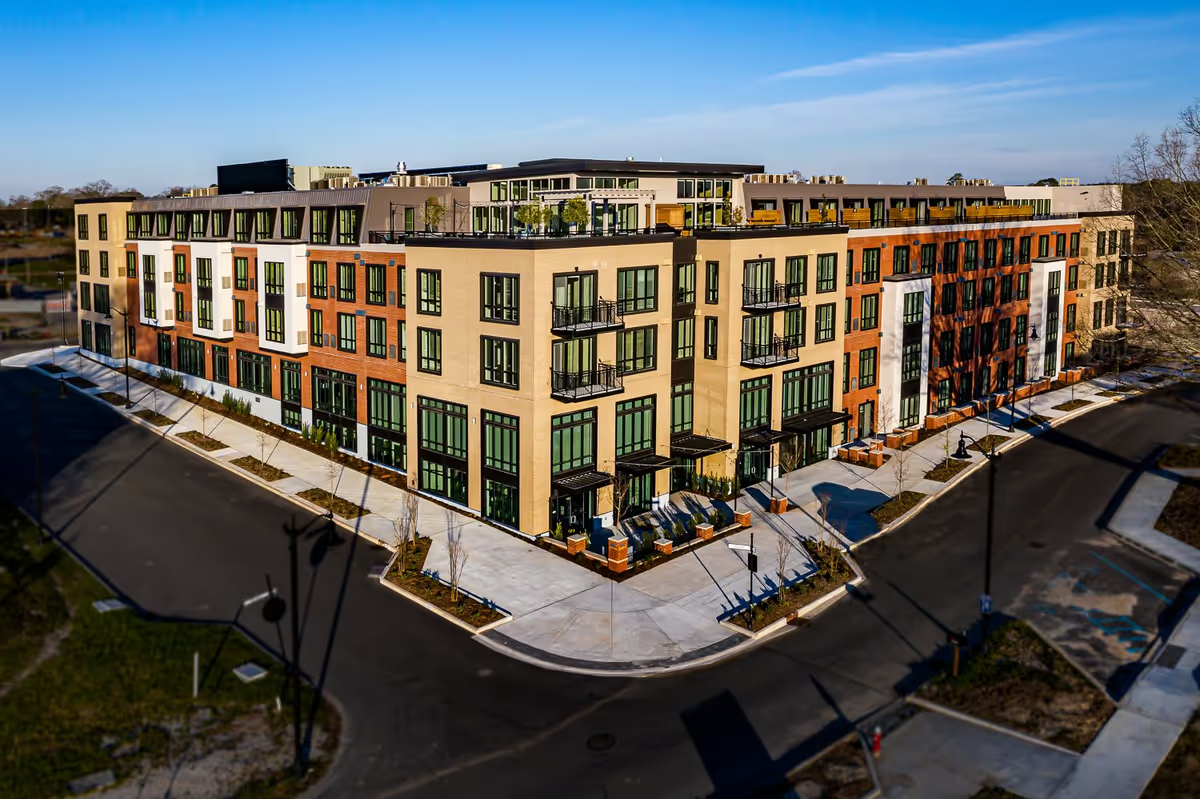
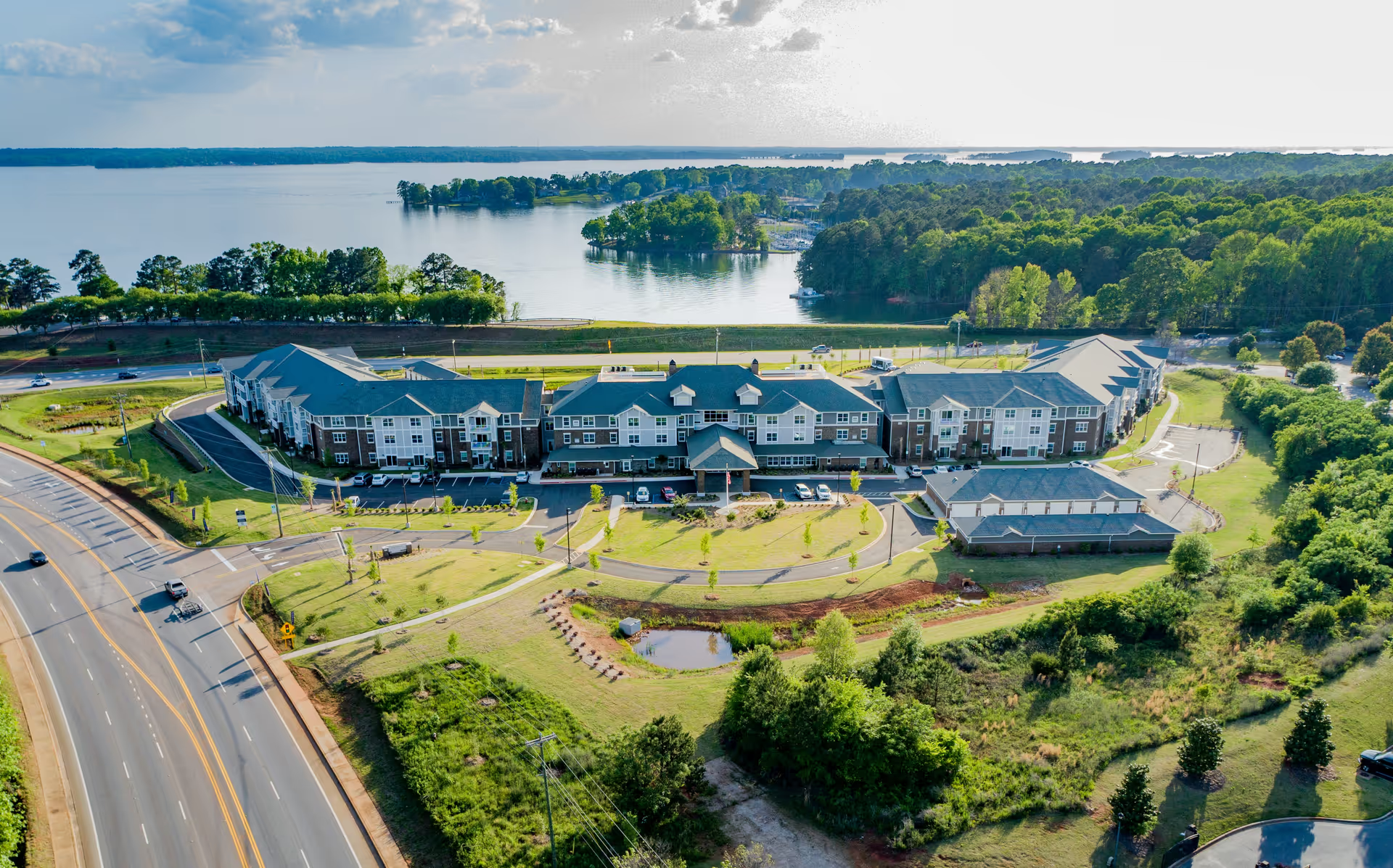
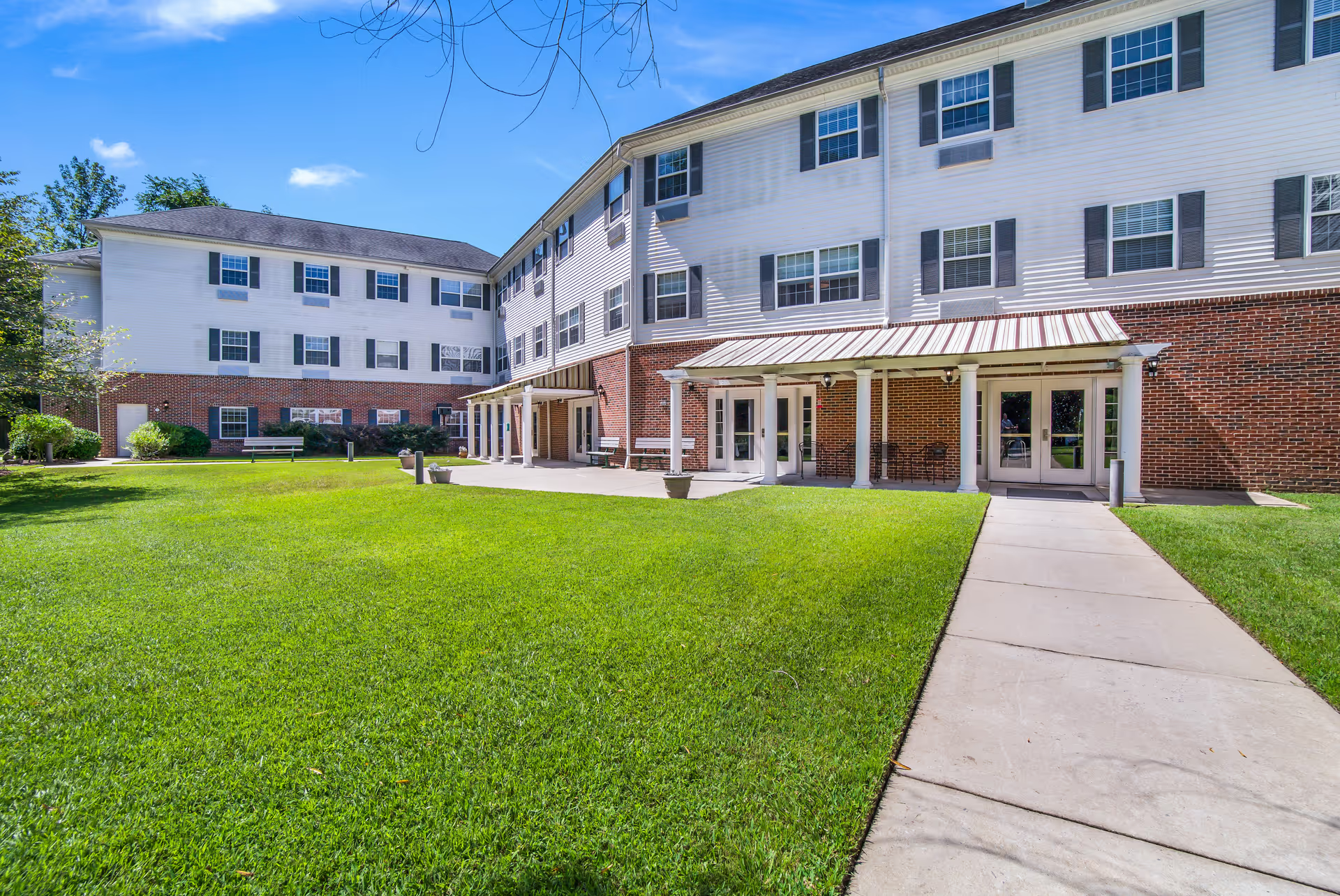
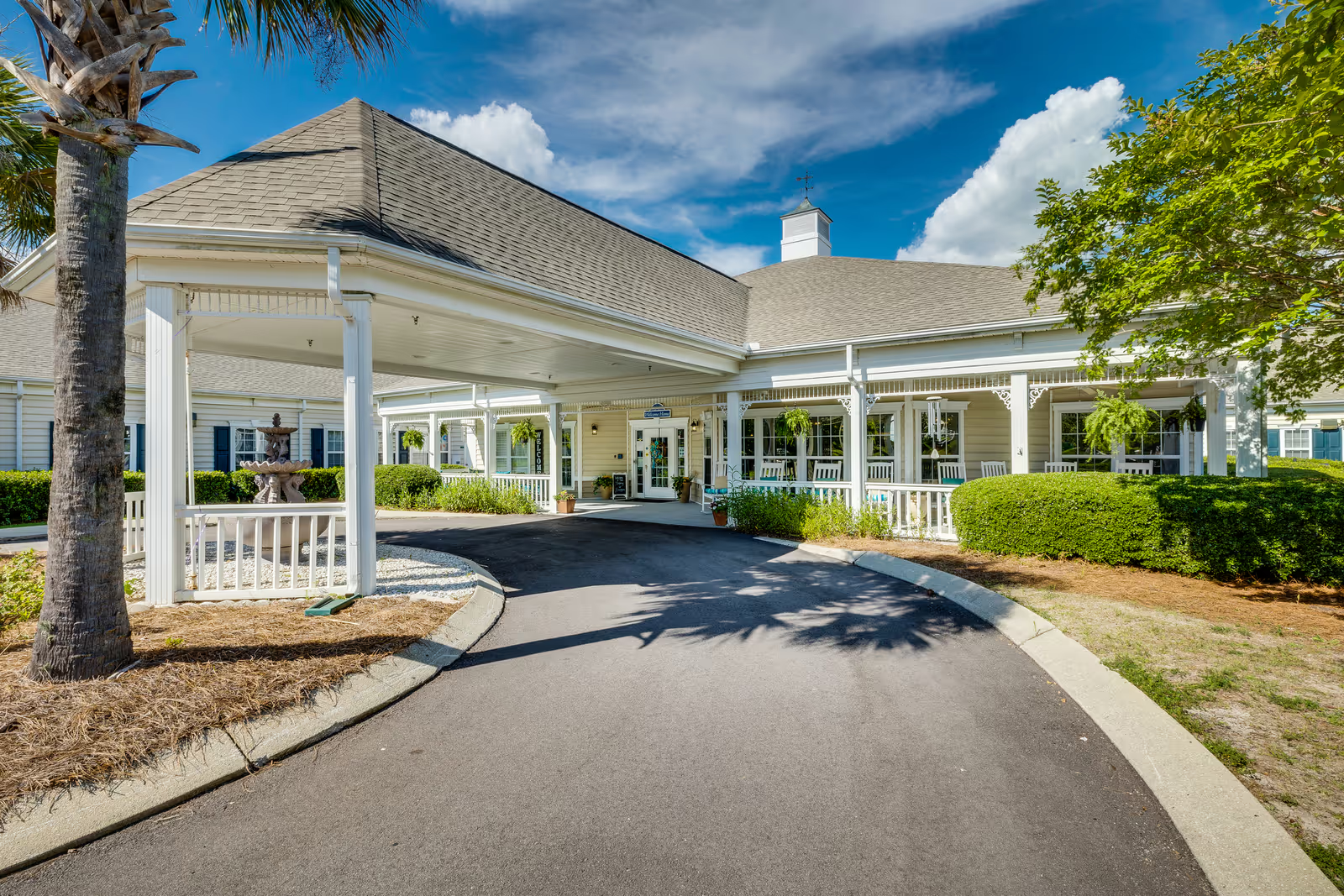
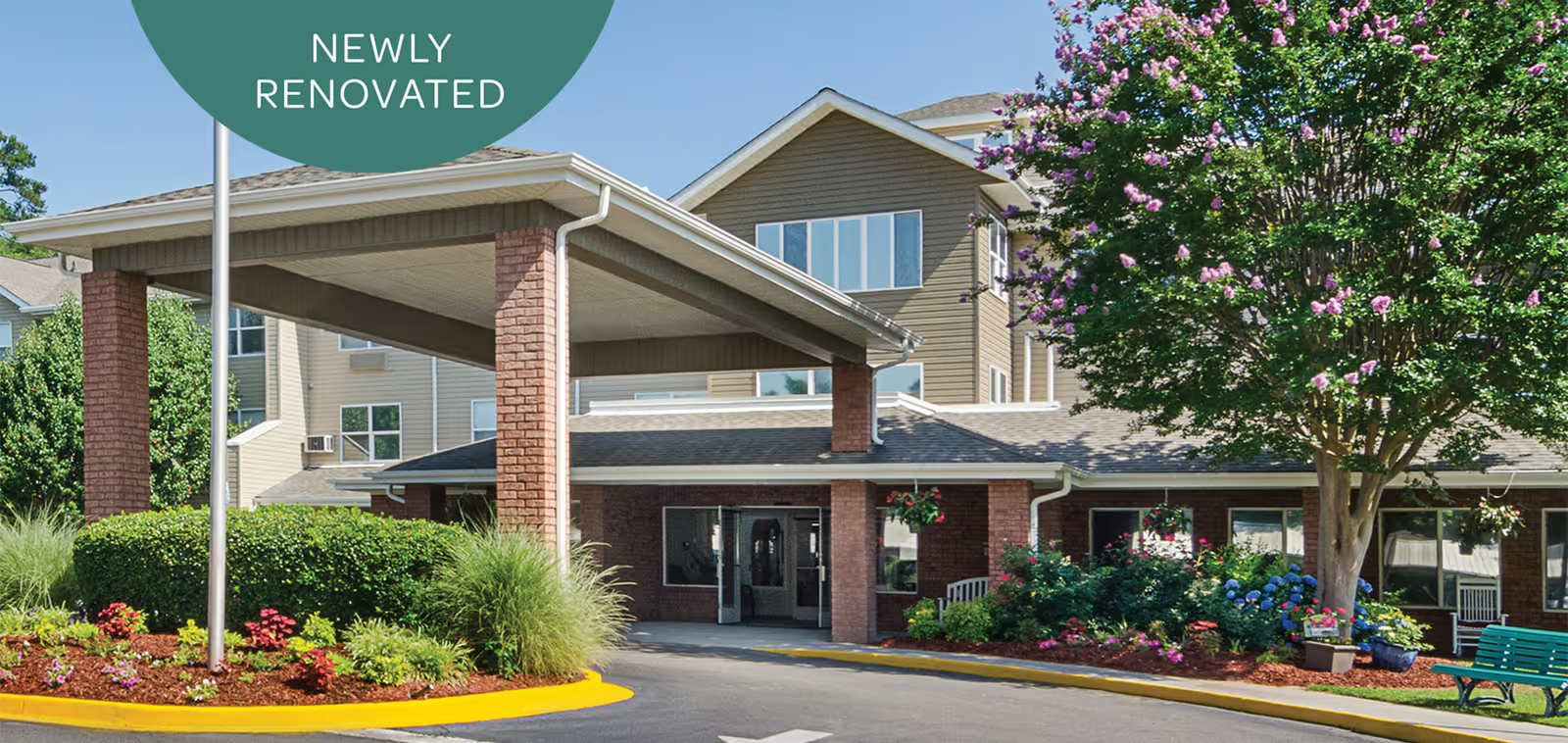
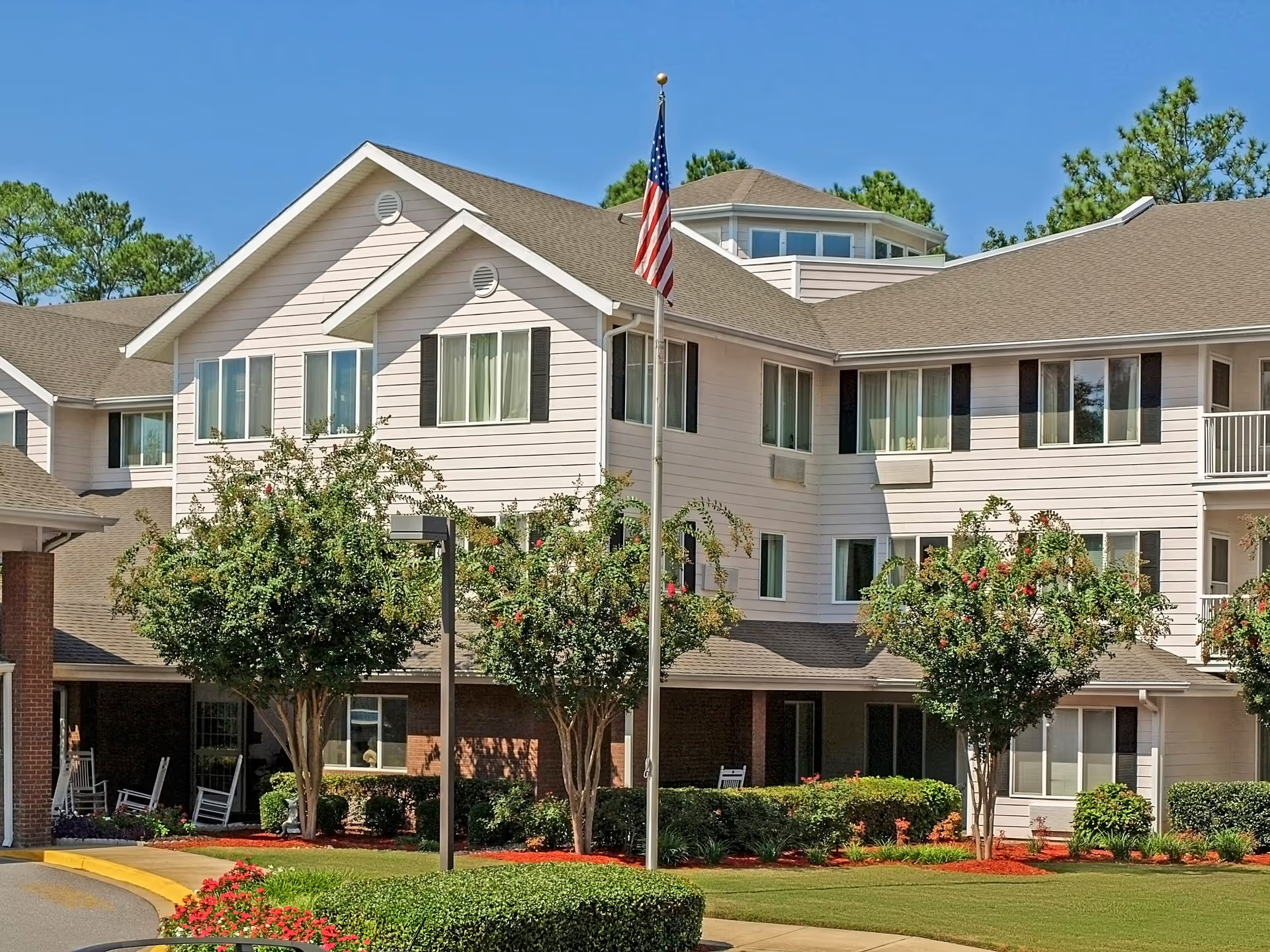
The Columbia Presbyterian Community elicits strongly polarized impressions: many families and residents praise its compassionate staff, attractive campus, and active lifestyle offerings, while others report operational gaps that can affect clinical safety and day-to-day reliability. Strengths most consistently highlighted include a pleasant, riverfront campus with well‑maintained grounds, an attractive dining room and menu selection, on‑site rehabilitation and fitness facilities, an active calendar of social and spiritual activities, and a number of spacious independent‑living apartment configurations. Memory‑care services and structured transition guidance are also noted as strengths in several accounts, and admissions/marketing staff often receive positive mention for professionalism and helpfulness.
Care and staffing present a mixed picture. Many reviewers describe warm, attentive caregivers and consistent medication routines, but a contrasting set of concerns centers on inconsistent response times to call lights, variability in staff coverage during evenings and weekends, and lapses in clinical follow‑up. These operational weaknesses have been associated with fall events, transfer-safety problems, and family‑initiated interventions. Prospective residents should therefore clarify staffing ratios, shift coverage, and fall-prevention protocols, and request examples of clinical governance and incident-response procedures.
Dining and activities are frequently cited as facility assets: residents benefit from a broad activity program (exercise classes, arts and crafts, movie nights, card rooms, outings) and on‑site services such as a hair salon and chapel. That said, meal quality appears inconsistent across accounts; some families describe excellent dining while others report bland meals. Visitors should sample meals and review current menu rotation and accommodations for special diets.
Facility condition and logistics vary by unit. The community has many well‑kept common areas and newer or renovated apartments, but some units are described as dated or smaller than expected. There are also operational concerns related to sanitation and incontinence care in specific instances, and multiple accounts reference missing or mishandled personal belongings and money, which points to gaps in property‑management processes. Additionally, some families perceive a stronger organizational focus on occupancy and revenue than on high‑acuity clinical needs; coupled with limited 24/7 emergency‑call desk availability in certain areas, this suggests the community may be best suited for independent and moderately assisted residents rather than those requiring continuous high-dependency medical oversight.
Overall, Columbia Presbyterian Community offers many appealing lifestyle and caregiving features for independent living and structured memory care, supported by genuine strengths in staff compassion, activities, and campus amenities. However, the presence of recurring operational issues—particularly inconsistent responsiveness, variable clinical follow-up, belongings-management gaps, and uneven meal and unit conditions—warrants targeted due diligence. Prospective residents and families should ask specific questions about staffing models (including night/weekend coverage), emergency-call procedures, fall-prevention and transfer protocols, medication‑management and clinical follow‑up practices, laundering and property-handling policies, and recent quality‑of‑care metrics before making a placement decision.