Angel Oak Nursing and Rehabilitation Center elicits a strongly mixed but thematically consistent picture. Many families emphasize compassionate, hands-on care from nursing assistants, CNAs, and select nurses who cultivate a family-like environment and provide emotional support during transitions and end-of-life periods. Therapy services — particularly physical and occupational therapy — and wound-care clinicians receive repeated positive mention for facilitating measurable rehabilitation progress and supporting timely discharge home. The facility’s activities program, housekeeping and laundry teams, and certain dietary staff are frequently praised for contributing to resident wellbeing and a welcoming atmosphere.
At the same time, reviews reveal notable variability in operational performance. While some reviewers describe clean, well-maintained rooms and attentive service, others raise sanitation and pest-control concerns tied to certain units or periods. Staffing appears uneven across shifts: several accounts describe highly skilled, compassionate staff on some shifts and slower response times or less experienced/less engaged staff on others. Related operational weaknesses include intermittent delays in medication administration and documentation, irregular overnight coverage, and variability in therapy frequency or intensity that can affect rehab outcomes.
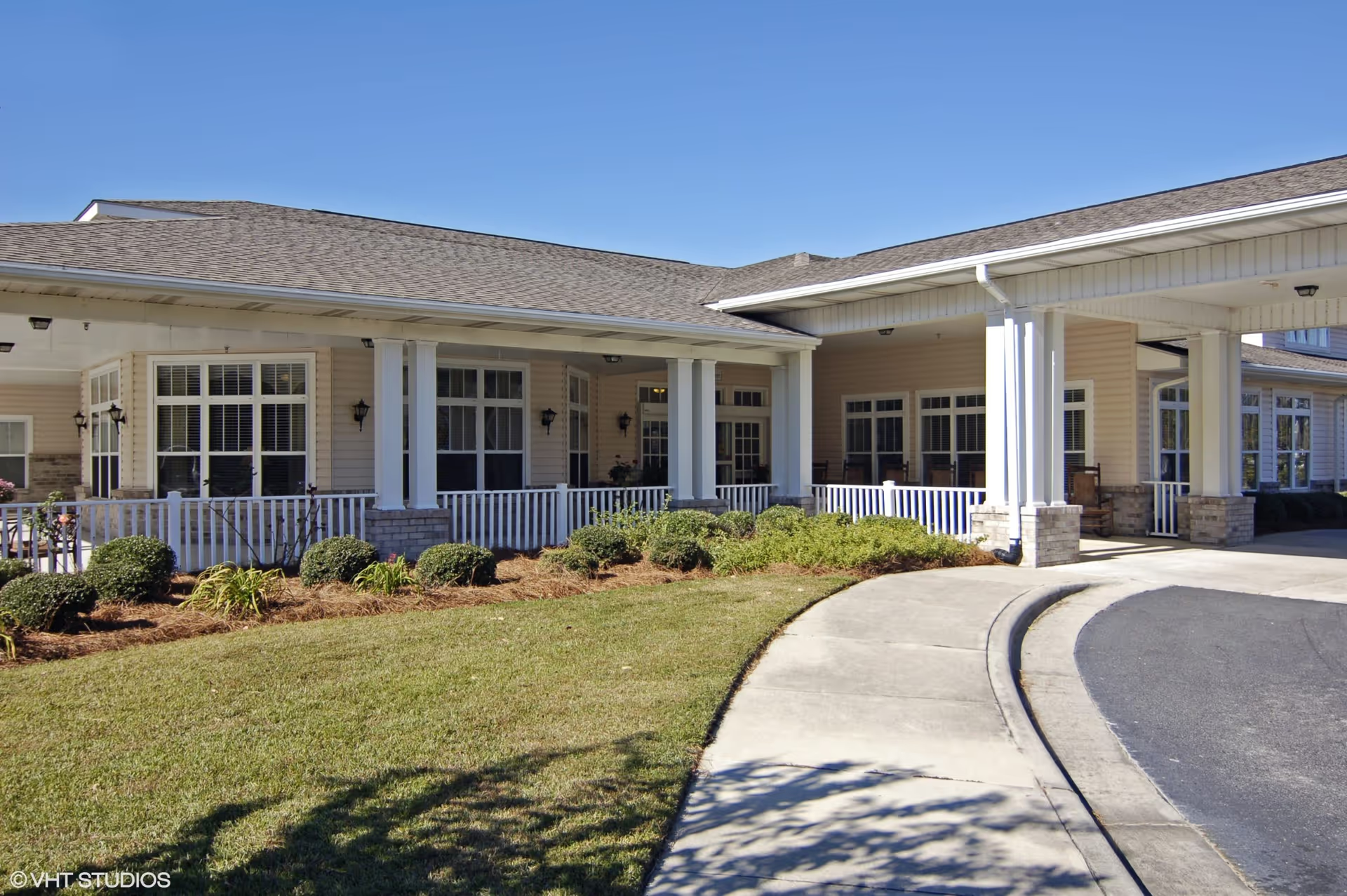
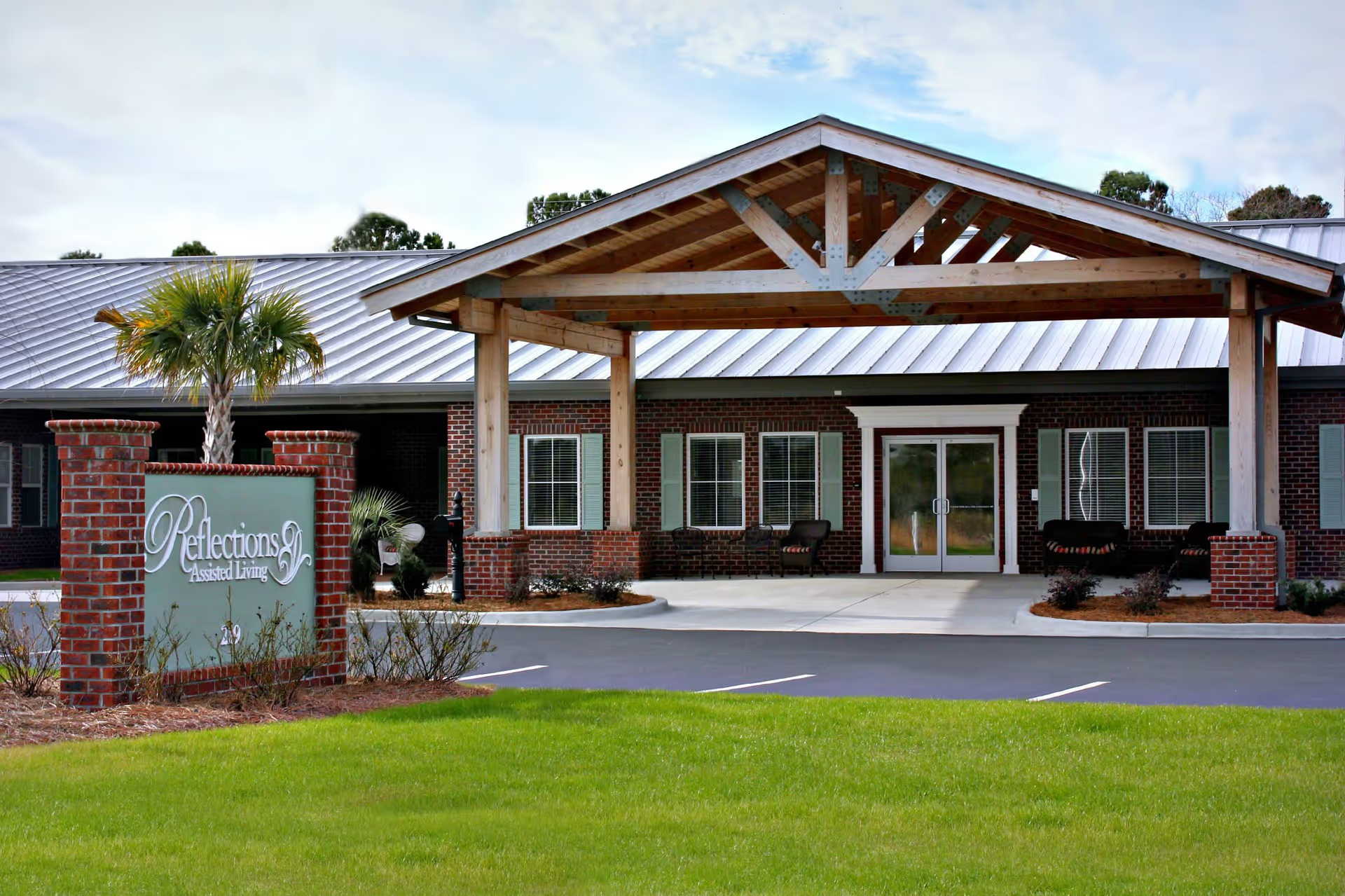
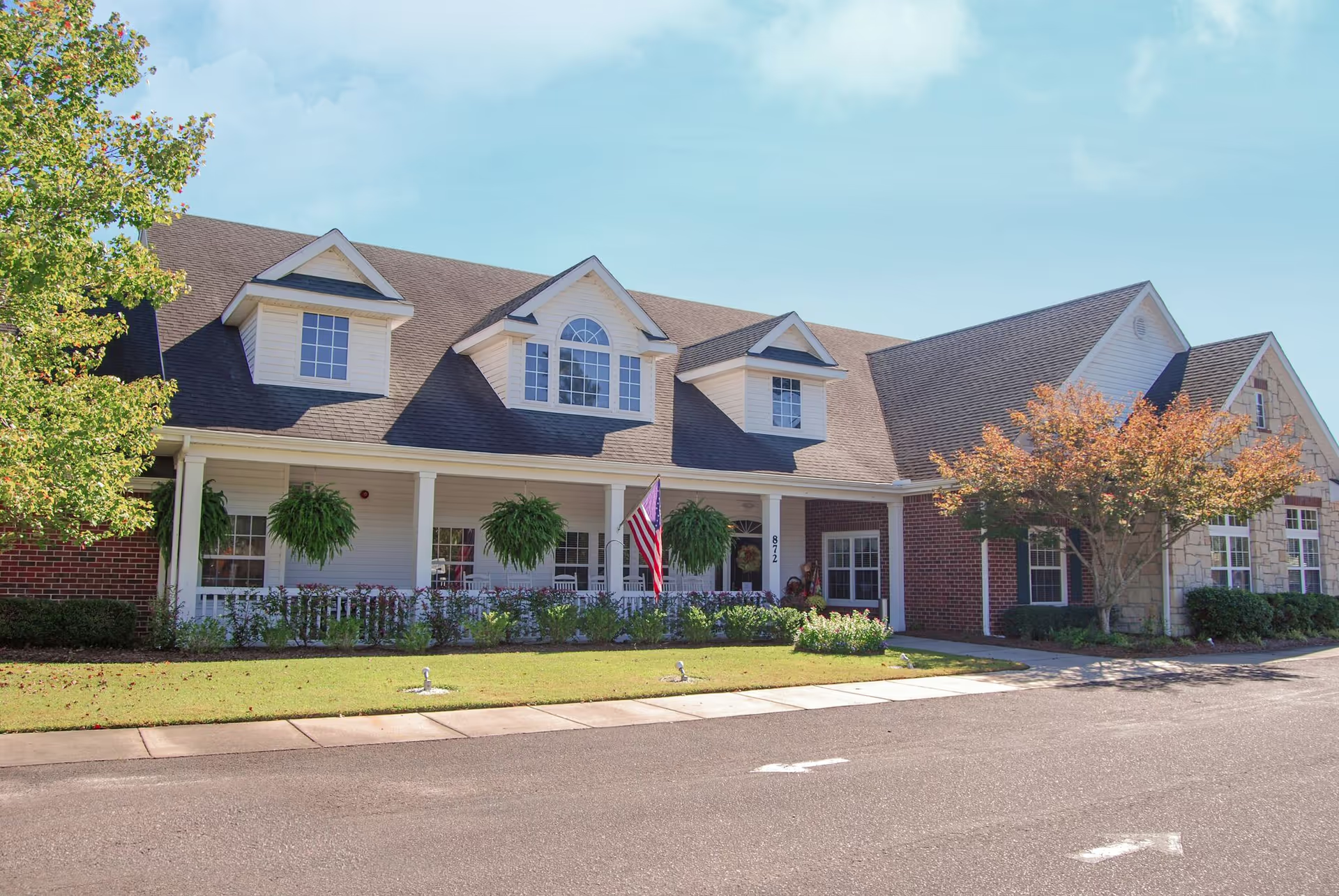
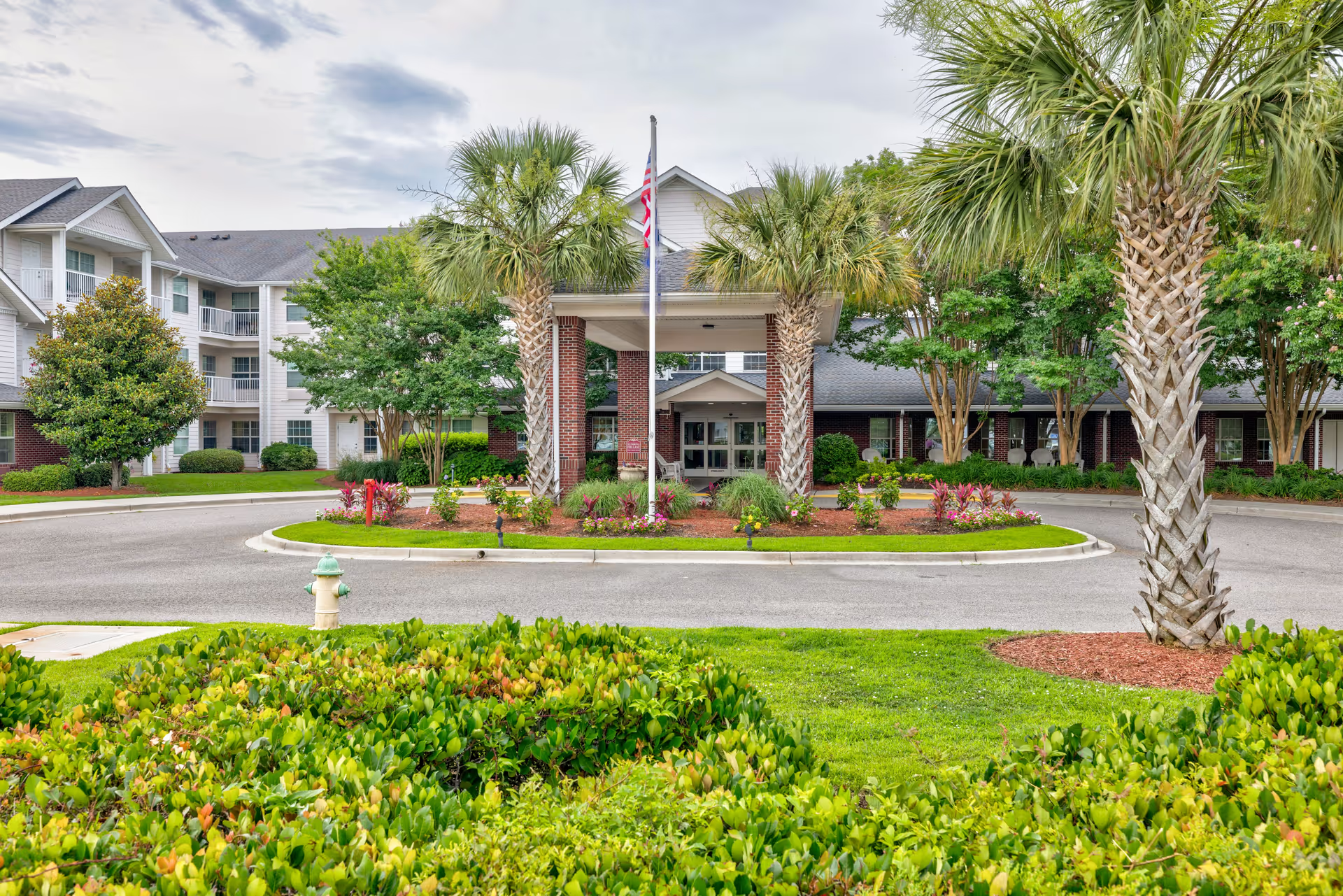
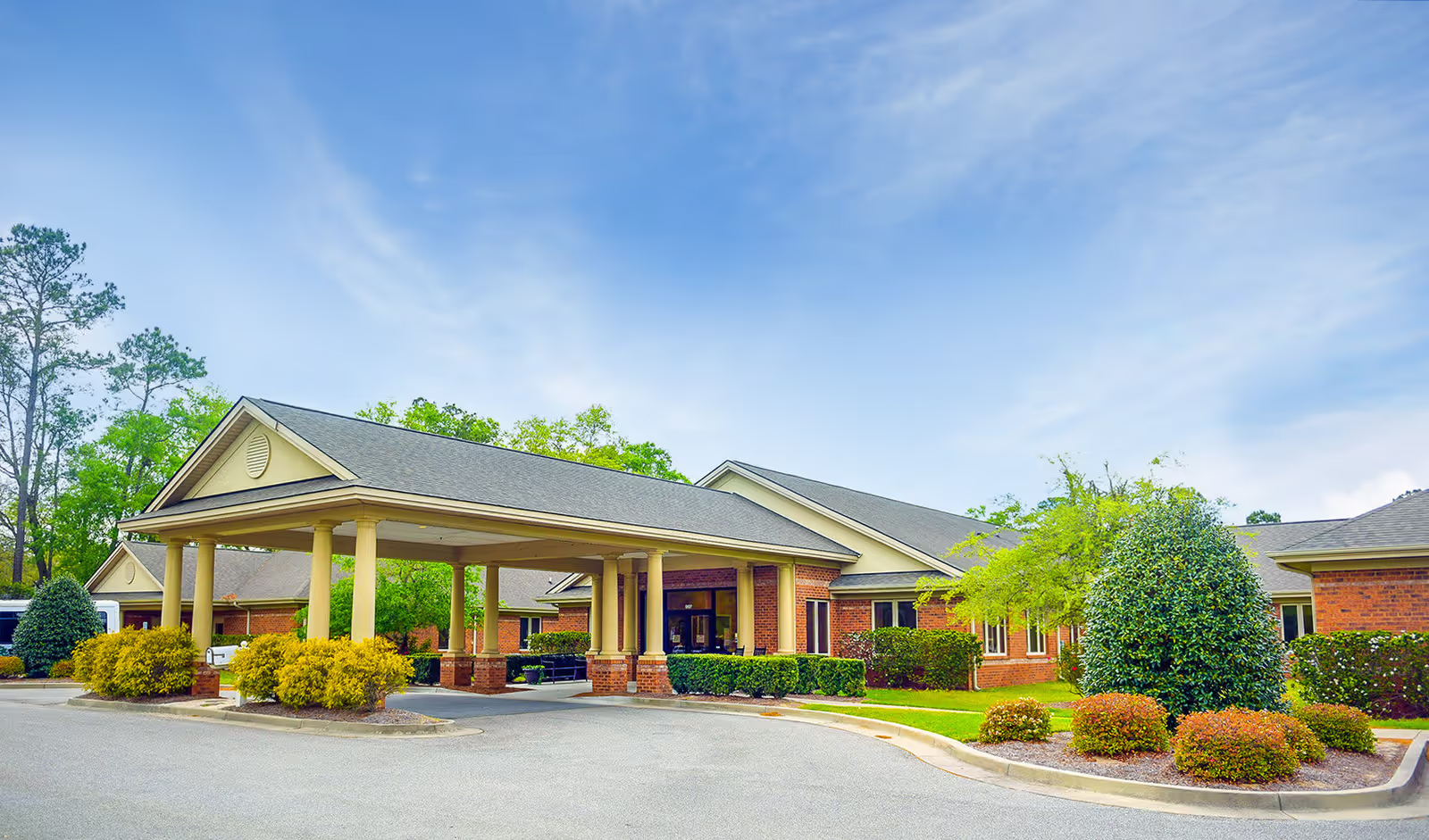
Management and administrative practices draw both praise and criticism. Multiple comments highlight visible, engaged ownership and administrators who round and interact with families; conversely, reviewers also describe inconsistent communication, slow responsiveness to family concerns, and uneven admissions/intake processes. These administrative gaps extend to after-hours access, front-desk procedures, and occasional privacy/process lapses. The physical plant is frequently described as older; reviewers note areas that would benefit from capital updates and routine maintenance to align building conditions with care expectations.
Dining impressions are similarly split: some families appreciate varied menu options and improved appetite, while others describe bland meals or inconsistent quality. Activities and spiritual/visitation opportunities are consistently cited as strengths when present and well-staffed. Finally, though most feedback centers on everyday care quality, a minority of reviewers described isolated serious incidents — including concerns following a resident’s death and emergency-response issues — that amplified worries about clinical escalation and family communication. Prospective residents and families should weigh the facility’s strong personal-care and therapy capabilities against noted variability in housekeeping, pest control, clinical oversight, and administrative consistency. If considering Angel Oak, ask for recent inspection reports, staffing ratios by shift, specifics about medication-administration and escalation protocols, and a tour of the areas of the building that would be used by the prospective resident.