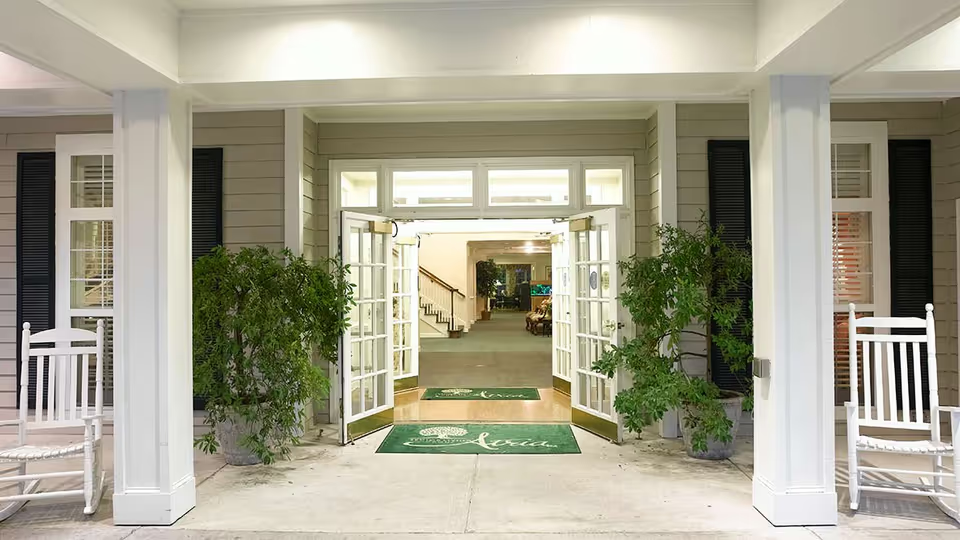
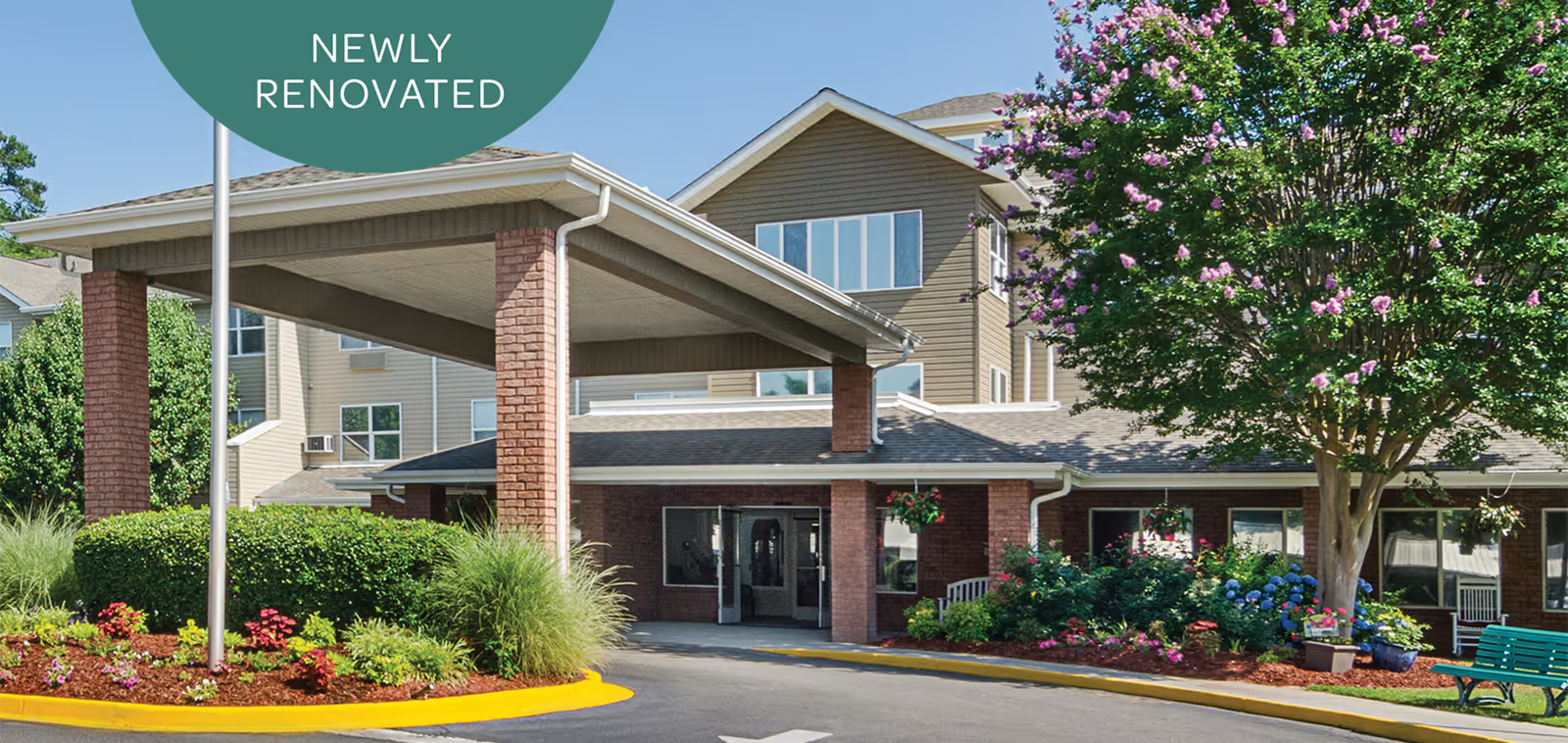
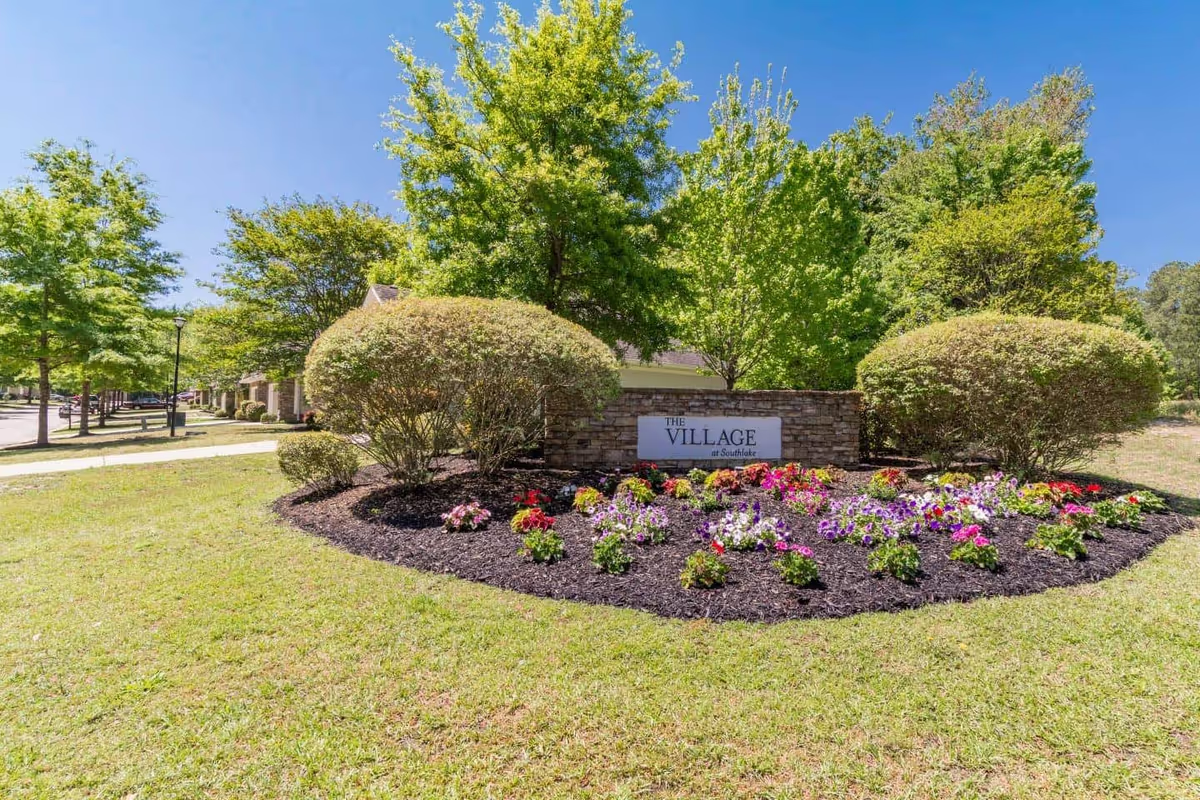
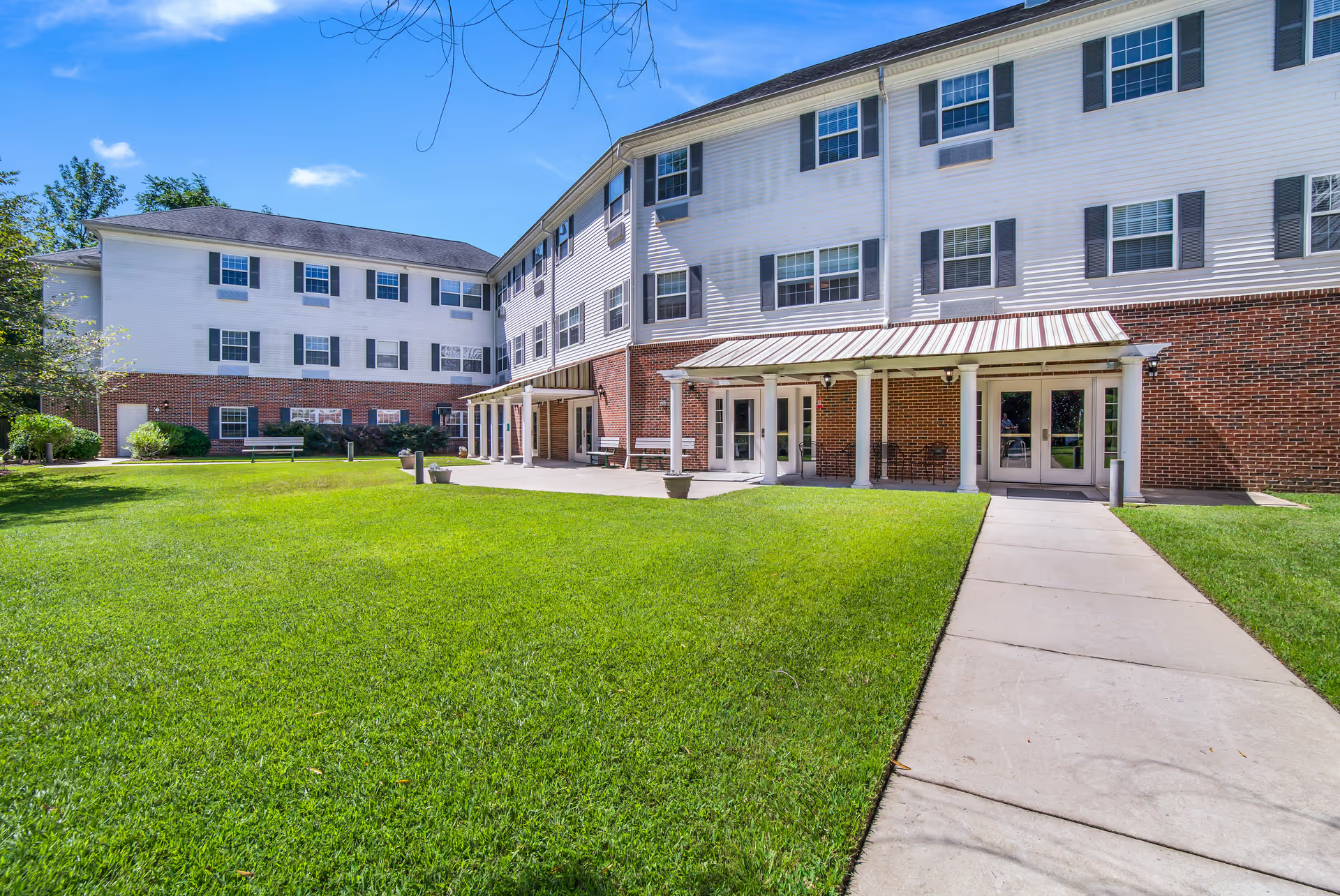
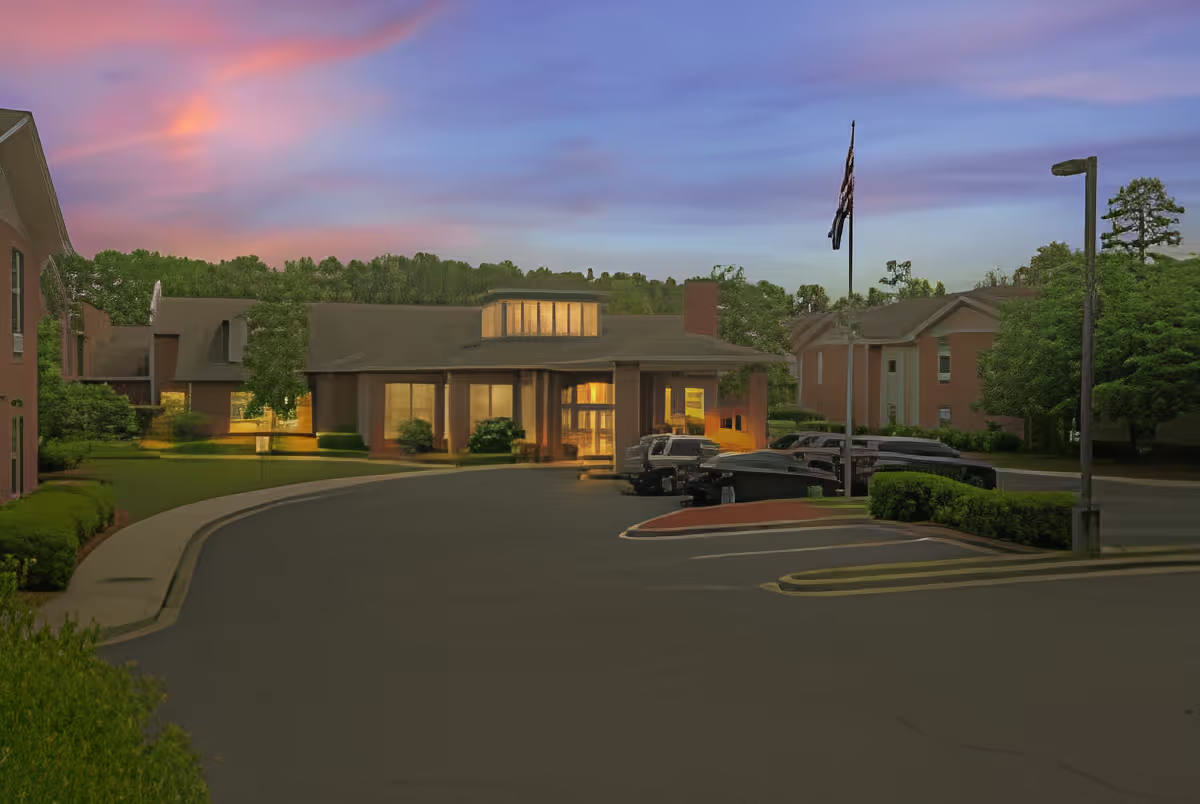
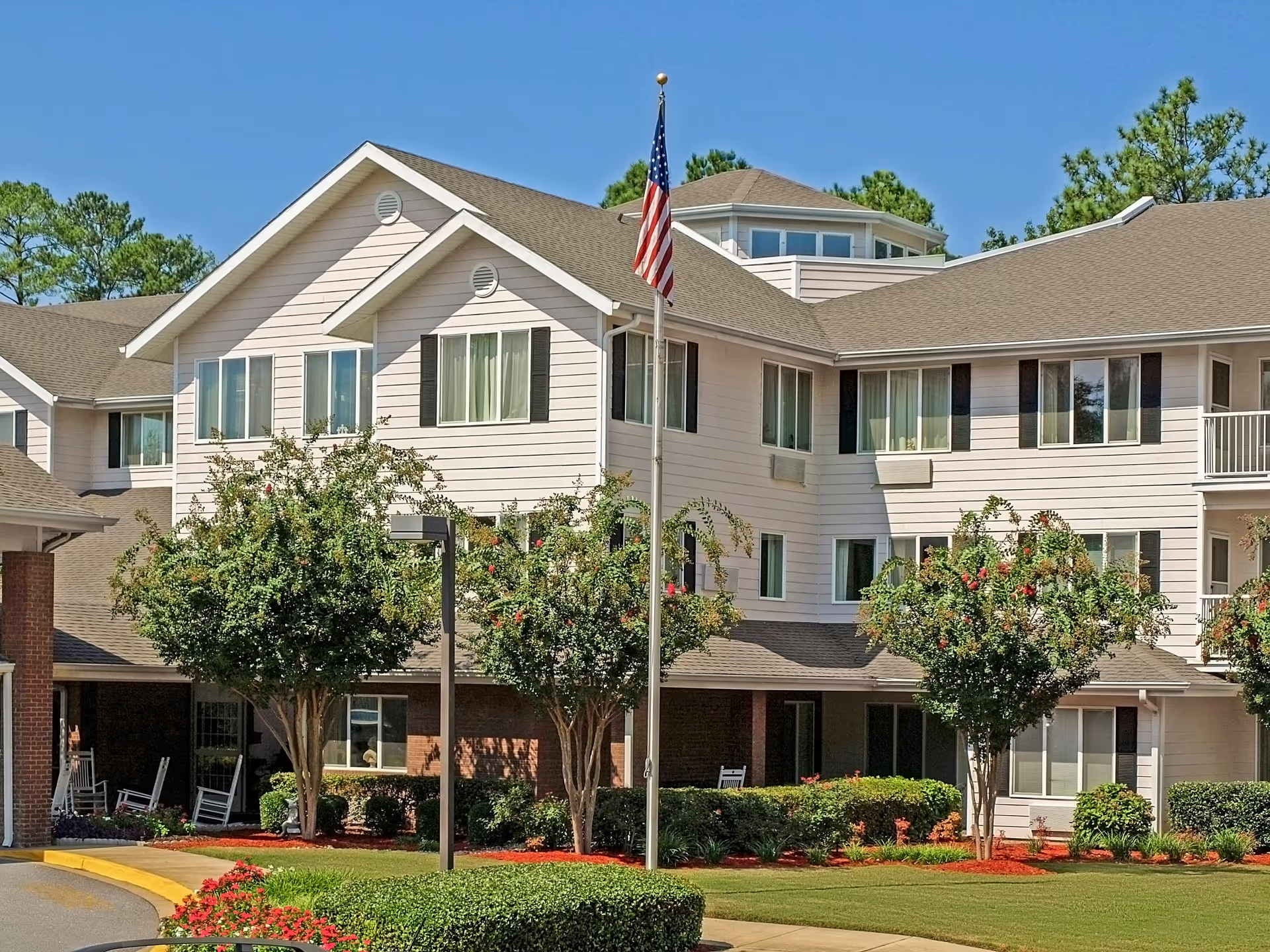
Longwood Plantation–FHE presents as a small, well-kept memory-care community with a number of operational strengths and some notable areas for improvement. Families frequently highlight a family-like caregiving culture, a dementia-specific unit (Magnolia Place), and long-tenured, knowledgeable staff who are attentive and helpful. The facility is described as clean, organized, and home-like; the small resident population and larger-than-typical room sizes for a nursing setting support a personalized-feel environment. Management has documented infection-control practices and COVID protocols, and many visitors find the location convenient and accessible.
Clinical care impressions are mixed. Several accounts praise high-quality, attentive care and smooth transitions for residents who require memory support. Conversely, there are operational concerns that point to inconsistent staffing coverage, occasional unreliability of supplementary caregivers, and periodic gaps in responsiveness. Some families expressed specific clinical practice issues related to repositioning and pressure-injury prevention, and a limited number of accounts indicated problems with end-of-life coordination and family communication following adverse outcomes. These items suggest the facility would benefit from clearer staffing contingency plans and strengthened clinical-monitoring protocols.
Activities and dining receive generally positive remarks but with variability. The activity program offers a range of options — exercise, music and singing, crafts, checkers, bible study, pet visits, and short outings — and on-site hair and nail services are available. Still, other observers felt resident engagement could be increased and that some residents experienced limited stimulation. Dining comments skew positive about an appealing menu and some meals described as delicious, while a few found the food merely adequate; overall, families perceive reasonable dining services relative to the care setting.
Facilities and safety present a mixed picture. The building is described as pleasant, quiet, and well-maintained, but ongoing renovations have introduced disruption for some families. Security and entry control emerged as a practical concern: exterior doors and visitor access procedures were noted as inconsistent, and some visitors indicated signage or entry systems that require improvement. Cost is another recurring theme — the community is viewed as higher-priced by some families, who question whether pricing always matches expectations for staffing consistency and activity intensity.
In summary, Longwood Plantation–FHE appears to offer a compassionate, dementia-focused environment with strengths in cleanliness, staff continuity, and a varied activities program. Prospective residents and families should weigh those strengths against operational issues such as staffing reliability, certain clinical protocol gaps, construction disruption, entry/security procedures, and overall cost. For families prioritizing a small, home-like memory-care setting, the facility has clear advantages; those prioritizing consistently high staff coverage and robust activity engagement may wish to discuss contingency staffing, clinical-monitoring practices, and renovation timelines with management during a tour.